Fall Home Maintenance Checklist for Long Island: What to Finish Before the First Freeze
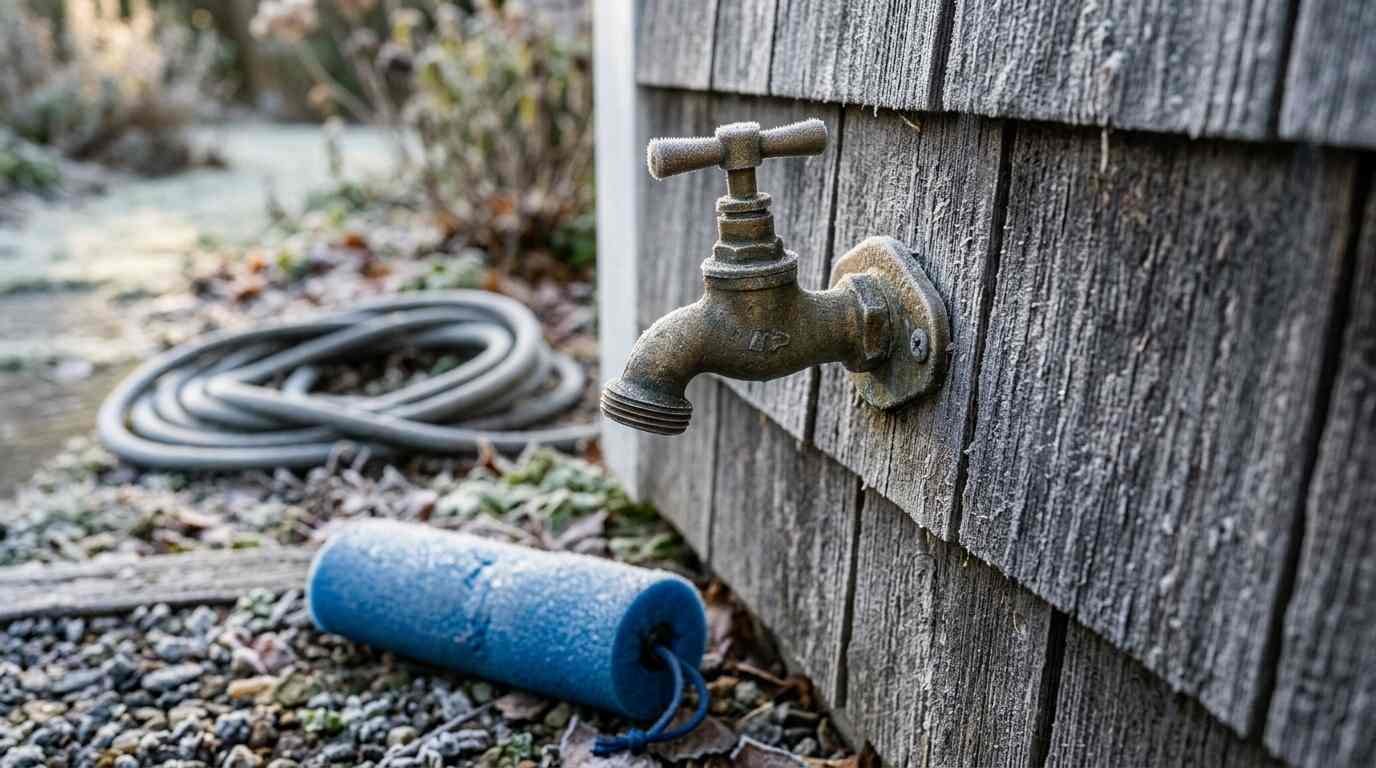
Islip logged its first freeze of the 2023 season on November 2, a 30°F reading that News 12 Long Island described as the end of the growing season. The Old Farmer’s Almanac, working from NOAA’s 1991–2020 climate normals, puts a typical first fall frost at Islip on November 3, so the single recorded freeze and the long-run average land a day apart.
Neither date is a forecast. Islip is one station on the South Shore, and a freeze can arrive early or late in any given year. What the dates do offer is a planning frame for a North Shore house, which carries a short list of jobs that cost an afternoon in October and considerably more once something has frozen or failed.
Water comes first in the pages below, then heating equipment, chimneys, alarms, dryer vents, the roof line, the lawn, and the small air leaks that decide how hard a furnace has to work. Sourcing comes from official bodies wherever possible, including the Suffolk County Water Authority, the U.S. Fire Administration, the Consumer Product Safety Commission, New York State, Suffolk County and the Town of Brookhaven, with local reporting for context. Timing suggestions are editorial judgment and are labeled that way.
Water: hose bibs, sprinklers and unheated spaces
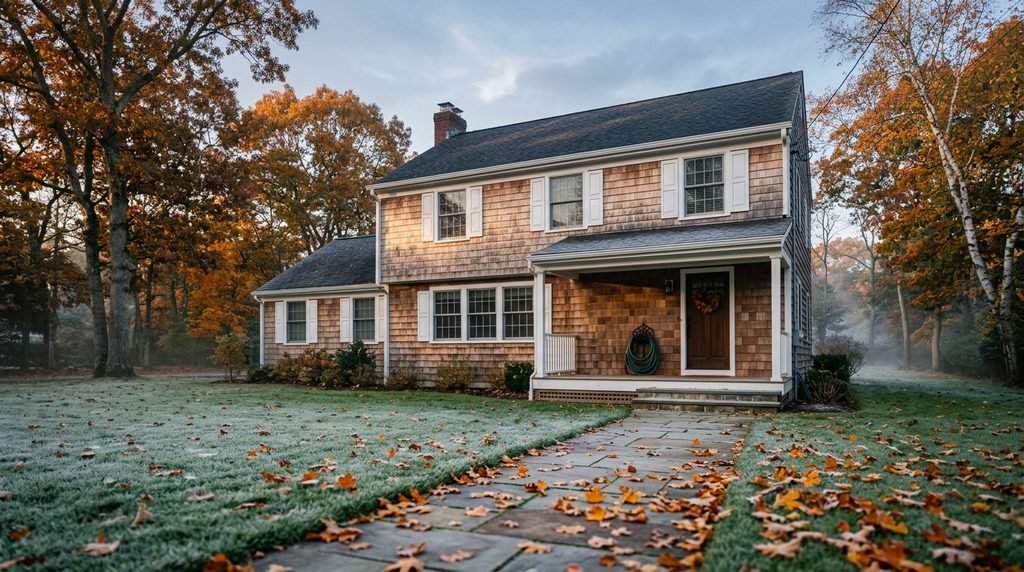
A short checklist on the Suffolk County Water Authority’s Protect Your Pipes page opens with something many homeowners could not do on demand: finding the main shutoff valve. After that come insulating any pipes that run through unheated crawl spaces, draining and shutting off exterior faucets, winterizing sprinkler systems, and shutting off lines that feed unheated structures. Broken windows and drafts in boiler rooms and basements also make the list.
Hose bibs deserve a step of their own. In a November 2014 release, SCWA urged residents to close the water supply to outdoor hose bibs and then open the faucet to drain whatever remains in the line before freezing weather arrives. A dozen years have passed since that release, yet it matches the exterior-faucet item on the current checklist.
For a visual walkthrough, HomeKey Inspections, a third-party channel with no connection to SCWA or Maison Pawli, publishes a four-step video on draining a hose bib.
On sprinklers, Daniel Dubois, SCWA’s director of communication and external affairs, told TBR News Media in February 2026 that homeowners should “clear out and shut off their sprinklers” in the fall. Pipes in unheated garages, which he named alongside other outdoor areas, call for the same attention.
Reporting that followed a cold weekend around February 8 put numbers on the problem. TBR News Media wrote that SCWA had logged eight breaks by February 10, in areas including Port Jefferson, Sound Beach, Setauket, Coram and Miller Place, and that oil supply lines froze in parts of the county during the same stretch. Those figures describe the utility’s own system and local heating lines rather than the plumbing inside any one house, though they show how a hard freeze registers across the North Shore.
What a homeowners policy would pay after a burst pipe is a question for the insurer and the policy language. For background on why premiums keep rising across the Island, see Why Long Island Homeowners Insurance Keeps Climbing.
Heating equipment, gas meters and oil lines
Second on the list of leading causes of home fires in 2021 was heating equipment, according to the U.S. Fire Administration, which estimated 32,200 such fires, 190 deaths, 625 injuries and $442 million in property damage for that year. Portable heaters account for a small share of those fires, about 3 percent, yet they were involved in 41 percent of the fatal heating fires between 2017 and 2019.
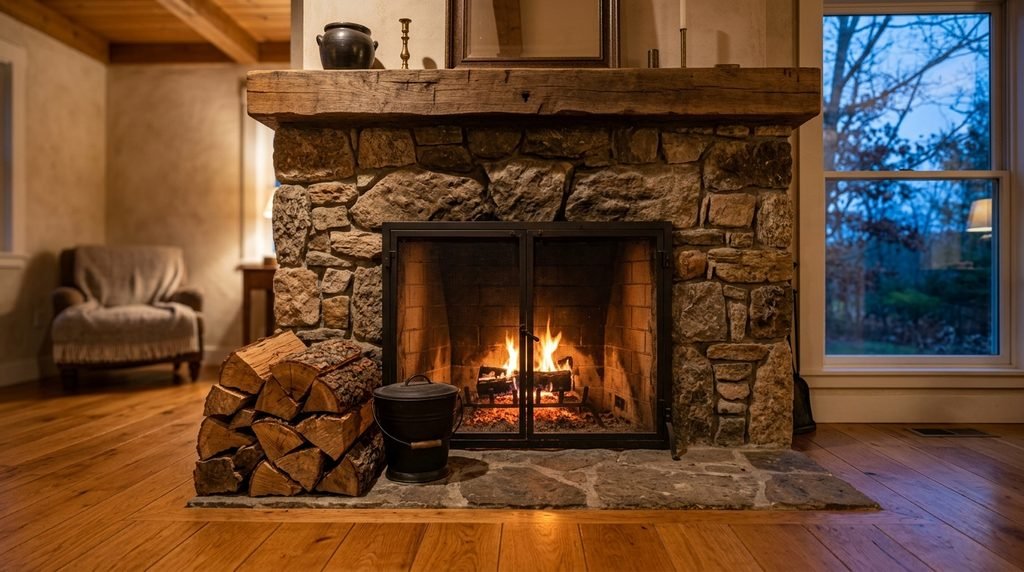
Prevention, on the agency’s account, comes down to a handful of habits. Anything that can burn should stay at least three feet from every heat source, including fireplaces, wood stoves, radiators, space heaters and candles. Heating equipment and chimneys should be cleaned and inspected by a professional each year. Space heaters should be switched off when the room is empty or everyone is asleep, and an oven should never serve as a heat source for the house.
For gas-heated homes, National Grid’s December 2025 gas safety newsletter for Long Island customers recommends annual heating system checkups and keeping meters and appliance vents clear. After snow, the newsletter says to brush it off the meter with a broom rather than chipping at ice, and to keep snow blowers and plows away from the meter. Natural gas is odorless until a rotten-egg scent is added, and anyone who smells it is directed to call 911 or National Grid’s emergency line, which is listed on the same page. The company also notes that carbon monoxide poisoning is more common in cold weather.
Oil-heated homes have a local reminder from the February 2026 cold snap, when TBR News Media reported frozen oil supply lines in Suffolk County. Booking the annual professional cleaning and inspection in early October rather than during a cold spell is an editorial timing suggestion, not a regulatory deadline.
Chimneys, fireplaces and wood stoves
Chimney inspections, in the Chimney Safety Institute of America’s advice as reported by Fire Engineering, should happen every year, with cleaning as needed by a qualified technician. That report also cites the National Fire Protection Association as recommending annual inspection of all chimneys. Creosote buildup and blockages are the hazards behind the advice, and they carry both fire and carbon monoxide risk.
Beyond the sweep, the institute’s fireplace guidance calls for properly seasoned firewood, a metal screen to catch sparks, 36 inches of clearance between combustibles and the hearth, and cooled ashes placed in a closed metal container kept away from the house.
Credentials matter when hiring. CSIA says its certified sweeps have passed an examination, and its website lists certification programs for both chimney sweeps and dryer exhaust technicians.
Smoke alarms, carbon monoxide alarms, generators and Amanda’s Law
Since February 22, 2010, New York’s Amanda’s Law has applied to carbon monoxide alarms in a broad range of housing. According to the state’s Homes and Community Renewal page, it covers new and existing one- and two-family dwellings, multifamily dwellings and rentals that have a fuel-burning appliance, a fuel-burning system or an attached garage. That scope widened an earlier rule limited to homes built or purchased after July 30, 2002. For a single-family home, the page calls for an alarm on the lowest level that has a sleeping area.
Federal guidance goes further than the state’s legal floor. The Consumer Product Safety Commission’s carbon monoxide guidance calls for alarms on every level of the home and outside sleeping areas, with batteries checked regularly, and it says interconnected alarms work best.
Smoke alarms come with their own schedule. The U.S. Fire Administration advises placing them inside and outside each bedroom and sleeping area and on every level of the home, basement included. Alarms should be tested monthly, 9-volt batteries replaced at least once a year, and the alarms themselves replaced 10 years after the manufacture date. Interconnected models, which sound together when one detects smoke, are the agency’s preference, and it points out that a household may have less than two minutes to get outside once an alarm sounds.
Outages tend to follow storms, which puts generators in the same conversation. CPSC reports more than 200 deaths a year in the United States from non-fire carbon monoxide poisoning tied to consumer products, with more than 100 of those linked to portable generators. Its instruction is to run a generator outside only, at least 20 feet from the house, with the exhaust pointed away. The agency adds that a single portable generator can produce as much carbon monoxide as hundreds of cars.
Compliance for a specific house is a question for the local building department or an attorney.
Dryer vents
Roughly 2,900 clothes dryer fires a year were reported to U.S. fire departments across 2008 through 2010, according to a U.S. Fire Administration report summarized by Fire Engineering. Annual losses averaged about 5 deaths, 100 injuries and $35 million in property damage. Failure to clean was the leading contributing factor, cited in 34 percent of cases, while dust, fiber and lint were the material first ignited in 28 percent of fires and clothing not being worn in 27 percent. January was the peak month, with 11 percent of the year’s incidents.
More than a decade old, that data may not match current figures. Its central finding, that uncleaned dryers account for a large share of dryer fires, is why the fall checklist includes the vent, the lint trap and the space behind the machine. Certified professionals exist for the job; CSIA runs a Certified Dryer Exhaust Technician program.
Roof line, gutters and attic
Five preparations before winter appear in an October 2025 roofing article on Long Island.com: clear debris from the roof, look for leaks, repair promptly rather than waiting, clean the gutters, and check the attic. Jeff Brett, CEO of King Quality Roofing & Siding, is quoted there saying, “Every spring we see the damage caused by the area’s harsh winter.”
Because the advice comes from a roofing contractor, a homeowner weighing a major repair may want a second opinion before committing to a replacement.
Lawn, leaves and the November 1 fertilizer cutoff
Fertilizer is off limits in Suffolk County from November 1 to April 1 under Local Law 41-2007, according to the county’s Healthy Lawns, Clean Water program. The same page lists April 2 through October 31 as the permitted window and fines of up to $1,000 for violations, and the county’s materials tie the winter ban to nitrogen leaching into groundwater.
October is therefore the last month for a fall feeding. Homes in Nassau County fall under different local rules, which this article has not verified, so owners there should confirm requirements with their county or village.
Leaves are the other fall yard task, and the rules differ by municipality. The Town of Brookhaven’s yard waste page says curbside leaves go out in bags, up to 50 items a week with each item under 50 pounds, set out the Sunday night before the collection week. Grass clippings are not accepted. Loose leaves, or leaves in paper bags, can be taken to the town’s compost or solid waste facilities at no cost. The page does not list fall collection dates, so the town’s calendar is the reference, and this article has not checked other towns or incorporated villages.
Air leaks, drafts and the PSEG Long Island assessment
PSEG Long Island’s residential efficiency page lists free whole-house energy assessments, partner contractors under a Home Performance with ENERGY STAR program, weatherization services, and rebates on ENERGY STAR improvements. Current rebate amounts, eligibility rules and deadlines change, so the page itself is the authority and the figures are not repeated here. For how rising PSEG rates factor into home energy decisions, see PSEG Rates Are Climbing.
Attics are where ENERGY STAR says some of the largest energy-saving opportunities usually sit. Its attic air sealing guide names the common leak points: behind and under kneewalls, attic hatches, wiring and plumbing holes, dropped soffits, recessed lights, and furnace flues or duct chases. It advises concentrating on the large gaps rather than chasing every small one. Near flues, building codes call for 1 inch of clearance from metal flues and 2 inches from masonry chimneys to anything combustible, insulation included, and the guide specifies heat-resistant caulk rather than spray foam around them. Air sealing comes before adding insulation. Work near flues and recessed lights is where hiring a professional, possibly through a utility program, is a reasonable editorial suggestion.
SCWA’s checklist also lists drafts and broken windows in boiler rooms and basements, which ties air sealing to pipe protection as well as comfort.
Second homes, seasonal properties and waterfront houses
North Shore houses that sit empty over the winter get specific guidance from SCWA: water shut off, and every faucet, inside and out, along with sprinkler systems drained. Properties near the water carry additional maintenance questions, from salt exposure to bulkheads, and an earlier post, Sound vs. Bay vs. Harbor, compares what each type of water means for the maintenance budget.
A working calendar for October and early November
Organizing the work is easier with a sequence, and the one below is an editorial suggestion. The underlying guidance, cited above, comes from SCWA, USFA, CSIA, CPSC, National Grid, ENERGY STAR, Suffolk County, the Town of Brookhaven and PSEG Long Island, and the first-frost dates it works back from are for Islip.
| Window | Task | Guidance cited above |
|---|---|---|
| First week of October | Book heating-equipment, chimney and dryer-vent service | USFA, CSIA, National Grid |
| By mid-October | Test smoke and carbon monoxide alarms and check batteries; locate the main water shutoff | USFA, CPSC, SCWA |
| Mid-October | Clean gutters, clear roof debris, check the attic for leaks | Long Island.com |
| Mid to late October | Drain and shut off hose bibs; winterize sprinklers; insulate pipes in unheated spaces; shut off lines to unheated structures | SCWA |
| Late October | Seal drafts and attic gaps; schedule a PSEG Long Island energy assessment | ENERGY STAR, PSEG Long Island, SCWA |
| By October 31 | Finish any lawn fertilizing; the Suffolk ban starts November 1 | Suffolk County |
| Through November | Bag leaves for curbside pickup per the town calendar | Town of Brookhaven |
| Early November | Confirm nothing is left outdoors that holds water; settle the generator plan | SCWA, CPSC |
What a fall checklist means for buyers and sellers
Deferred maintenance is one of the things a home inspection tends to surface, and two earlier posts cover how that plays out: The Home Inspection Red Flags That Matter Most on Long Island’s Older Housing Stock and The Inspection Report as a Negotiating Document.
Sellers who keep dated service records for the heating system, chimney and dryer vent have ready answers when a buyer’s agent asks. That is a general practice, not a sourced rule. Buyers touring houses in the fall can look at the same items, from hose bibs and gutters to chimney caps and alarm placement, and can read The Insurance Quote Comes Before the Offer for the insurance side of the decision.
Frequently asked questions
When does the first freeze usually arrive on Long Island?
The Old Farmer’s Almanac, using NOAA’s 1991–2020 normals, lists November 3 as a typical first fall frost for Islip, and Islip’s first freeze of 2023 came on November 2. Any given year can run earlier or later, and the figures describe one station.
When should outdoor faucets be shut off?
SCWA’s guidance is to shut off the supply to outdoor hose bibs and drain them before freezing weather arrives, which points to October for most North Shore homes. The month is an editorial suggestion; the drain-down steps come from SCWA.
Is lawn fertilizer allowed in Suffolk County in November?
No. Suffolk County Local Law 41-2007 prohibits fertilizer application from November 1 through April 1, with fines of up to $1,000 listed on the county’s program page.
How often should a chimney be inspected?
Every year. CSIA, the National Fire Protection Association and the U.S. Fire Administration all recommend annual inspection, with cleaning as needed.
Are carbon monoxide alarms required in Long Island homes?
New York’s Amanda’s Law requires them in one- and two-family dwellings, multifamily dwellings and rentals that have a fuel-burning appliance, a fuel-burning system or an attached garage. CPSC recommends alarms on every level and outside sleeping areas.
How often should smoke alarms be replaced?
USFA says 10 years from the manufacture date, with monthly testing and at least yearly battery changes for 9-volt models.
How far from the house should a generator run?
CPSC says outdoors only, at least 20 feet from the home, with the exhaust facing away.
What should be done about snow on a gas meter?
National Grid’s newsletter says to brush snow and ice off with a broom, avoid chipping at ice, and keep snow blowers and plows away from the meter.
Can grass clippings go out with Brookhaven’s yard waste?
No. The town’s yard waste page lists grass clippings among the items it does not accept.
How common are clothes dryer fires?
A USFA report covering 2008 to 2010 estimated about 2,900 a year in residential buildings. The data is dated, and newer figures may differ.
Does PSEG Long Island offer a home energy assessment?
The utility’s residential page lists free whole-house energy assessments. Eligibility and rebate amounts change, so the program page is the place to confirm current terms.
This is for informational purposes only — consult a licensed attorney or financial advisor for your specific situation.
You Might Also Like
- The Home Inspection Red Flags That Matter Most on Long Island’s Older Housing Stock
- The Iron Ghost in the Yard: Why Sellers Need to Hunt Their Own Oil Tanks
- Salt, Spray, and Staging: Beating Coastal Wear and Tear Before You List
- Sound vs. Bay vs. Harbor: What the Water Type Actually Means for Your Maintenance Budget and Resale Value
Sources
- Old Farmer’s Almanac: Frost Dates for Islip, NY (NOAA 1991–2020 normals)
- News 12 Long Island: This morning was Long Island’s first autumn freeze
- Suffolk County Water Authority: Protect Your Pipes
- Suffolk County Water Authority: Early freeze, SCWA urges residents to shut off hose bibs (November 20, 2014)
- TBR News Media: Cold puts pressure on water, oil pipes in Suffolk County (February 12, 2026)
- U.S. Fire Administration: Heating Fire Safety
- U.S. Fire Administration: Smoke Alarms
- National Grid: Gas Safety Newsletter, December 2025 (Long Island)
- Fire Engineering: Chimney Safety Institute of America Offers Advice for Fireplace Safety
- Chimney Safety Institute of America
- New York State Homes and Community Renewal: Amanda’s Law, Carbon Monoxide Detectors/Alarms
- U.S. Consumer Product Safety Commission: Carbon Monoxide Information Center
- Fire Engineering: USFA Releases New Report on Clothes Dryer Fires
- Long Island.com: Five ways Long Island homeowners can prepare their roofs for winter
- Suffolk County: Healthy Lawns, Clean Water, the Fertilizer Law (Local Law 41-2007)
- Town of Brookhaven: Yard Waste
- PSEG Long Island: Save Energy and Money
- ENERGY STAR: Attic Air Sealing Project
- YouTube, HomeKey Inspections: How to Winterize / drain Hose Bibs 4 Easy Steps!