PSEG Rates Are Climbing — Here’s What That Does to the Long Island Solar Math in 2026
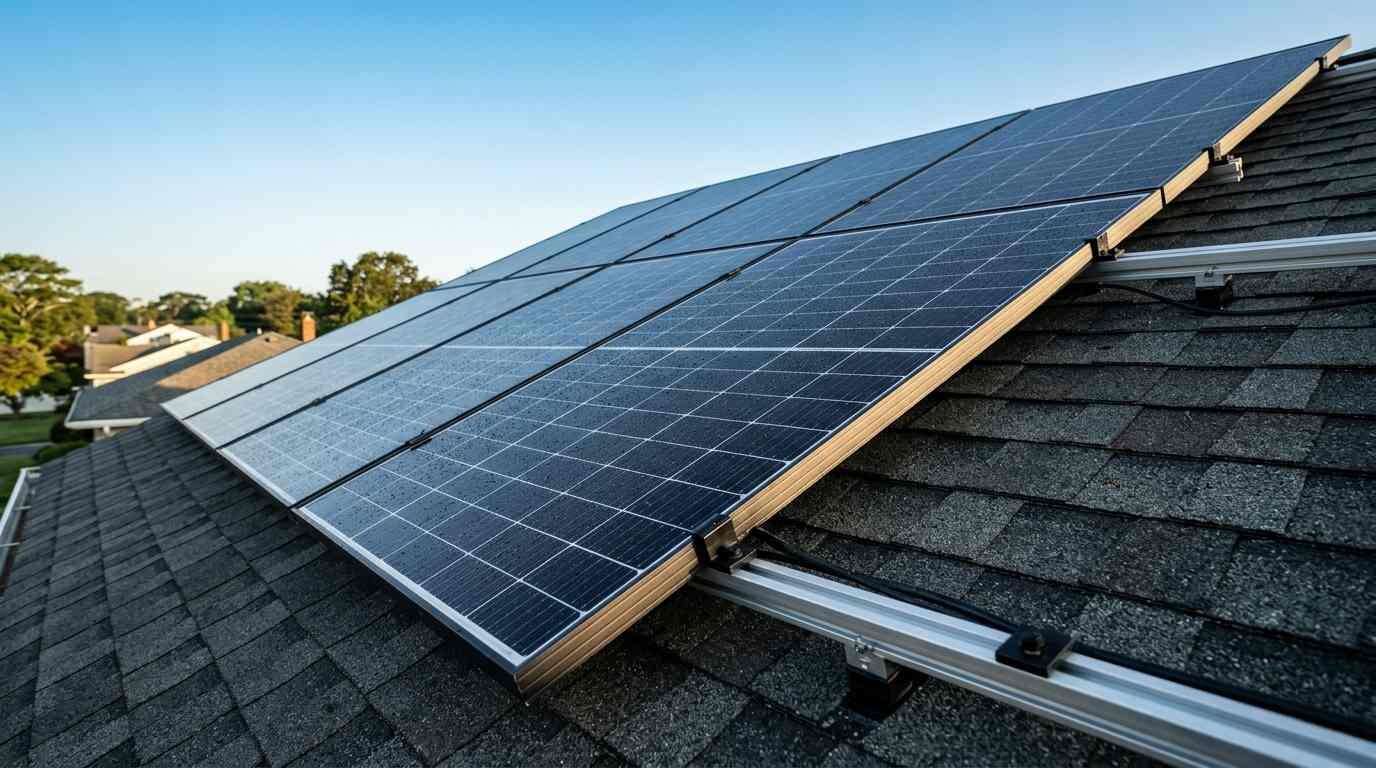
A power bill that used to sting now draws a second look. Long Island homeowners opening their PSEG LI statements this year have noticed the same thing: the number at the bottom moved, and not in their favor. According to SolarPro Lab, a Long Island solar installer, PSEG Long Island’s rates rose somewhere in the range of 12 to 13 percent in 2026 — a jump large enough to change the payback timeline on rooftop solar for anyone who ran the numbers a year or two ago and shelved the idea.
That shift arrives at an odd moment. The federal incentive that made solar affordable for a generation of homeowners is gone. The state incentive that filled some of the gap has run dry in places. What’s left is a narrower, more local calculation — one that rewards homeowners willing to read the fine print rather than the sales pitch.
The Federal Credit Homeowners Were Counting On Is Gone
For years, the residential federal solar tax credit — Section 25D — cut roughly 30 percent off the cost of a home solar installation. That credit expired for homeowners on December 31, 2025, eliminated under the tax legislation signed the previous year. Anyone comparing a solar quote today against a friend’s numbers from 2024 is not comparing like to like. The federal subsidy that shortened the payback period by years is simply no longer part of the equation.
This is the single most important fact for a Long Island homeowner to confirm before signing anything. A contractor’s proposal that still assumes a 30 percent federal write-down is either outdated or wrong.
What New York Still Offers
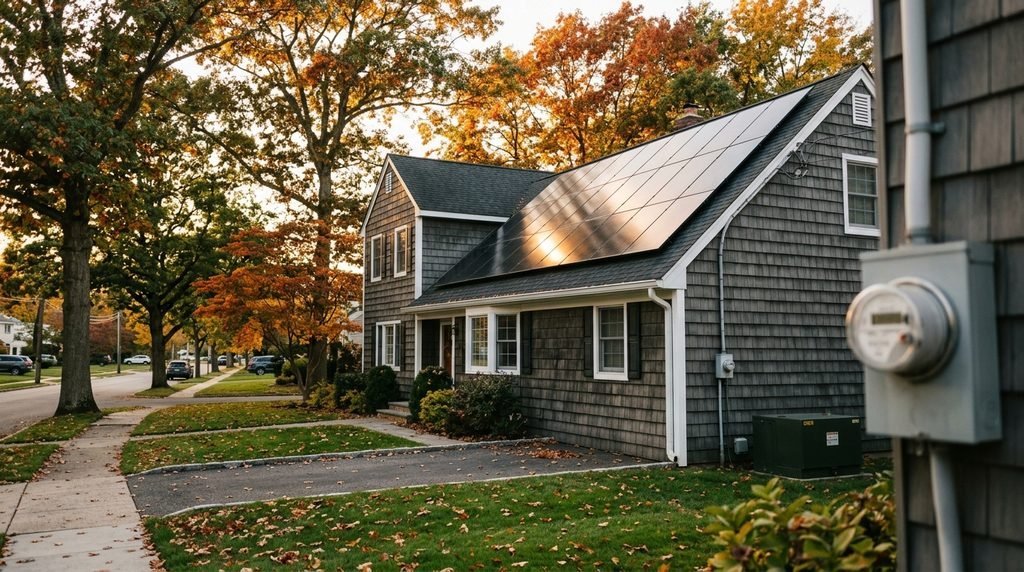
State-level support hasn’t disappeared, though it has thinned. New York’s Solar Energy System Equipment Credit remains available: 25 percent of the system cost, capped at $5,000, applied against state tax liability, with unused credit carrying forward for up to five years. Solar and battery equipment stay exempt from state sales tax, and installed systems are shielded from property tax reassessment for 15 years — though individual municipalities can opt out of that exemption, so a Suffolk or Nassau homeowner should confirm their specific town’s position before assuming the shield applies.
The rebate that used to sweeten the deal further, NY-Sun’s Residential Megawatt Block incentive, is a different story. As of September 2026, the program’s funding in this region has been exhausted. Homeowners still see it referenced in marketing materials; it’s worth confirming directly with NYSERDA whether any allocation remains before counting on it.
Net Metering, in Plain Terms
PSEG Long Island still credits solar customers for the power their systems send back to the grid, and the basic mechanics haven’t changed: excess generation offsets future usage. What has changed is the fee structure around it. Homeowners can lock in a net metering arrangement for 20 years, but doing so now carries a monthly Customer Benefit Contribution charge — reported to fall between roughly $0.97 and $1.67, depending on the account — layered on top of the base bill. An alternative structure, Value of Distributed Energy Resources (VDER) compensation, calculates credits differently and generally carries a lower monthly fee, at the cost of a more complicated rate calculation that most homeowners will want an installer or accountant to walk them through rather than estimate themselves.
None of this makes solar a bad idea on Long Island. It makes it a different idea than it was two years ago — one where the math has to be run fresh, not inherited from a neighbor’s install or a salesperson’s rounded-up numbers.
What Actually Moves the Needle on Long Island
Three factors tend to decide whether solar pencils out for a specific North Shore property, more than any single incentive does.
Roof orientation and shade cover come first. A south-facing roof with a clear sky view still outperforms every subsidy on the table; a heavily wooded lot in Setauket or St. James may not, whatever the incentives say. Second is the rate a household is actually paying PSEG today — with 2026’s increase, the break-even point for many systems has moved closer, not farther away, since a higher baseline rate means every kilowatt-hour offset by solar is worth more than it was. Third is how long the homeowner expects to stay in the house. A system with an eight-year payback period matters less to someone selling in three years than to someone settled in for the next two decades — though a growing number of Long Island buyers now ask about solar ownership status during showings, which is a separate value question worth raising with a real estate professional rather than a solar contractor.
Before Signing Anything
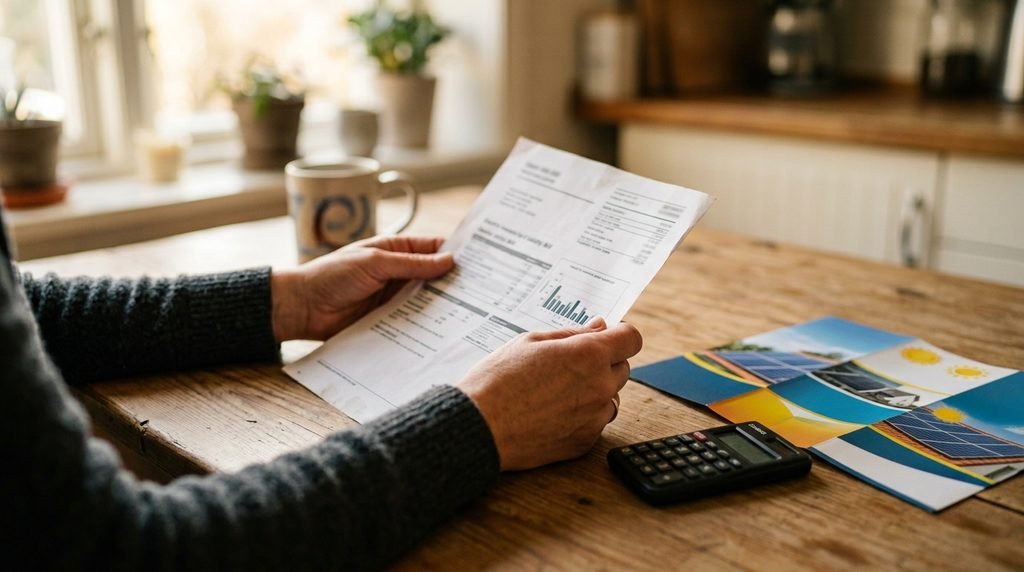
A homeowner comparing quotes should ask each installer, in writing, three things: whether the proposal assumes any expired federal credit, what the current net metering fee structure looks like for that specific utility account, and whether the NY-Sun rebate referenced in the proposal is confirmed available or assumed. A quote that can’t answer those three questions cleanly is a quote worth setting aside.
This article is for informational purposes only and does not constitute financial or tax advice. Incentive programs, rebate availability, and utility rate structures change; homeowners should confirm current terms directly with PSEG Long Island, NYSERDA, and a licensed tax professional before making a purchase decision.
Real estate markets change. For current listings and market data, contact Maison Pawli at maisonpawli.com/about/.
Sources
- PSEG Long Island Rates Just Jumped 12–13%. How Solar Can Help — SolarPro Lab
- PSEG Long Island Solar Energy Program
- New York Solar Incentives, Rebates & Tax Credits — EnergySage
- Federal Solar Tax Credit Ends Dec 31, 2025 — Daniel Ahart Tax Service
- Did the Federal Solar Tax Credit End in 2026? — Sunrise Electrical