Colonial, Cape, Tudor, Ranch: A North Shore Style Guide
Learn to recognize the house styles you will meet on the North Shore, from Cape Cods and Colonials to Tudors and ranches, and what each means for rooms, light and upkeep.

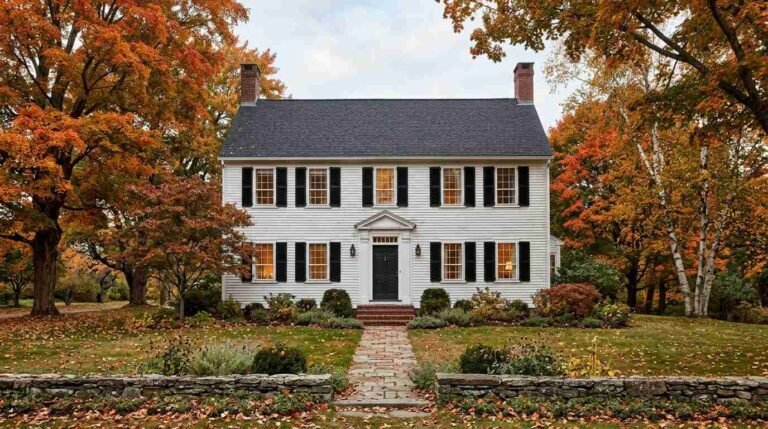
Learn to recognize the house styles you will meet on the North Shore, from Cape Cods and Colonials to Tudors and ranches, and what each means for rooms, light and upkeep.

Spot seven Long Island architectural styles from the curb, from post-and-beam colonials to ranches, and learn what each one can mean for inspections and costs.
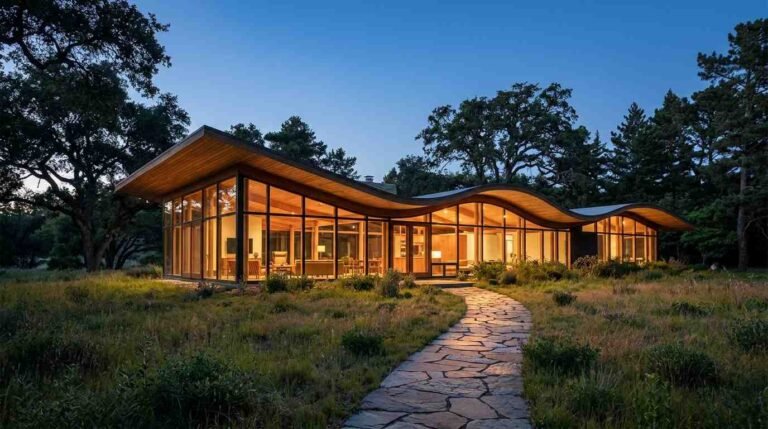
George Nemeny designed this 1968 Matinecock house, now listed at $3,875,000. Answers on the architect, its garden setting, taxes, and the tour video.
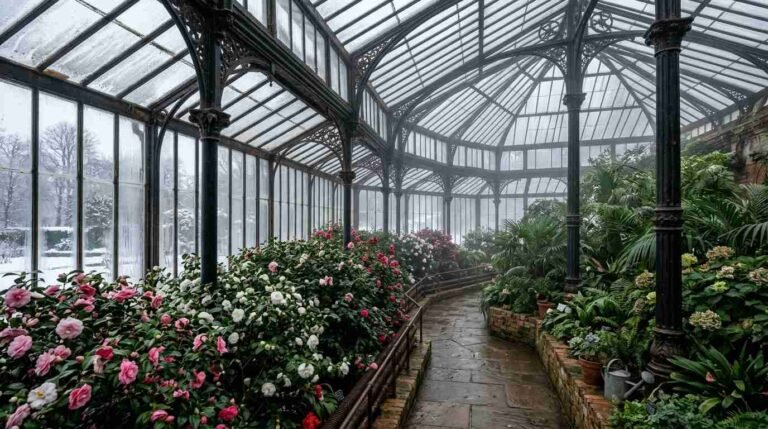
A greenhouse is not just a building — it is a declaration of dominance over geography, season, and nature itself. The ones at Planting Fields say it plainly.

Thousands visit Whitman’s Huntington birthplace every year as a literary landmark. Almost none realize it’s one of the most archaeologically intact examples of 17th-century Anglo-Dutch timber-frame construction in the northeast.

Eagle’s Nest wasn’t just a Long Island estate. It was W.K. Vanderbilt II’s deliberate rejection of Newport — a Spanish-Moroccan argument in stone and tile executed by the architects of Grand Central Terminal.
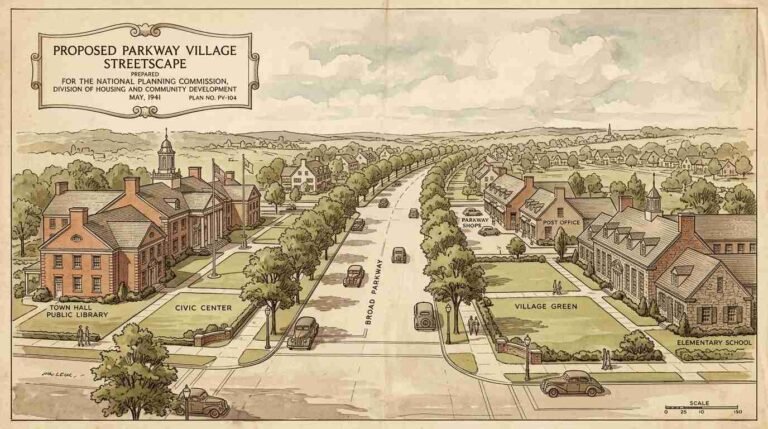
In 1944, Robert Moses proposed demolishing Black homeowners’ neighborhoods in western Babylon to build a model parkway village. The plan failed. Here’s what it reveals.
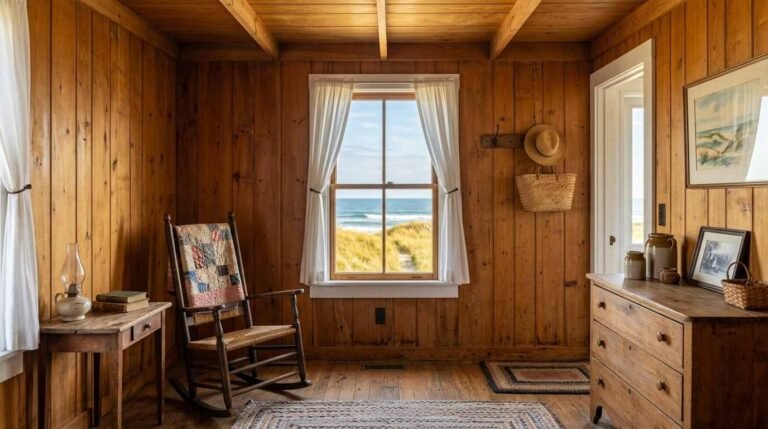
A colony of late-19th-century barrier island cottages at Oak Beach has outlasted storms, federal interventions, and a century of neglect. Here’s why they matter — and what they tell us about building to last.
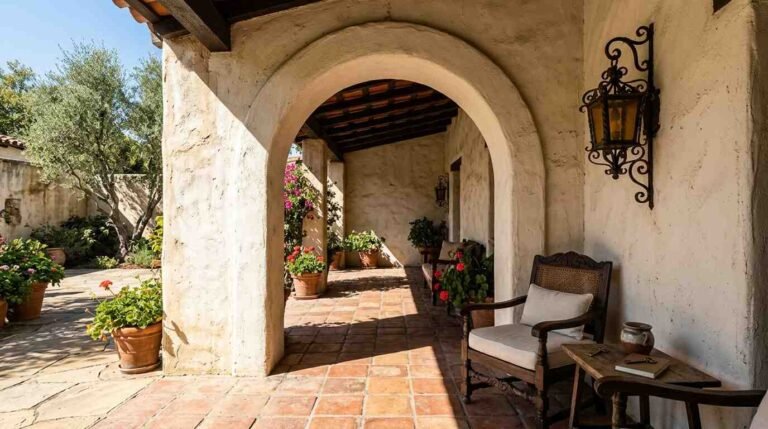
On one residential block in Bay Shore, eight houses built between 1925 and 1928 share clay tile roofs, arched loggias, and cream stucco — a forgotten chapter in Long Island’s architectural history.
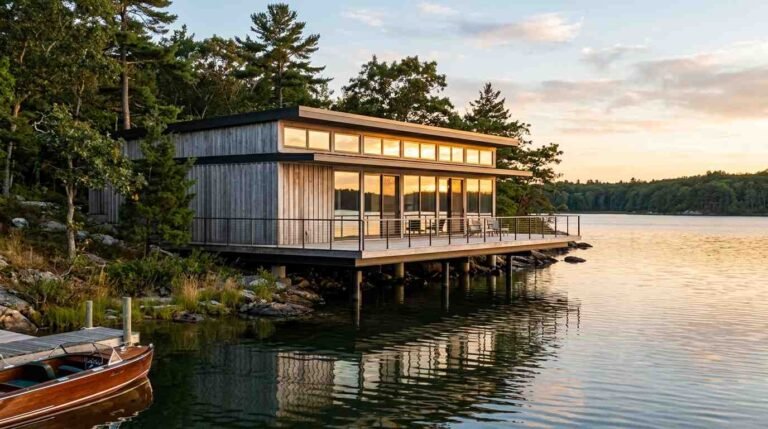
Frank Lloyd Wright’s apprentice Edgar Tafel built a small number of South Shore residences that absorbed Wright’s principles and reinvented them for water. Here’s the case for their significance.