New York Seller Disclosure: How to Read the Form, Gather the Answers, and Avoid Late Surprises

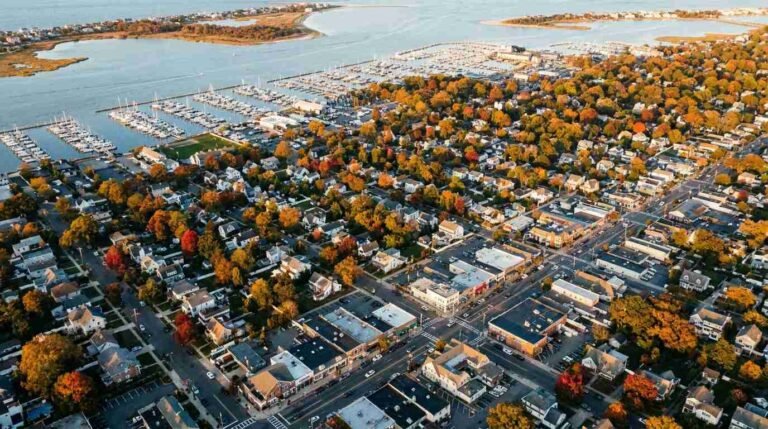
Water was the story of late September 2026. A nor’easter pushed rain and surge across Long Island’s coastline, and within days the questions that surfaced in sales conversations had little to do with kitchens or curb appeal. They were about basements, drainage, and what a seller is obliged to say about both. The fall 2026 selling picture on the North Shore covers the market side of that shift. This guide covers the paperwork side.
New York’s seller disclosure is formally the Property Condition Disclosure Statement, or PCDS. It is a questionnaire, and a long one. Sellers who treat it as a formality tend to answer it from memory, in a hurry, at the point of listing. Sellers who treat it as a records project tend to finish it faster and with fewer corrections later.
What the Form Actually Is
The PCDS comes from the Property Condition Disclosure Act, Article 14 of the Real Property Law. It asks the seller to report what is known about the property’s structure, systems, environmental conditions, and history. Residential sellers of one-to-four family homes are generally covered, though the statute carves out certain transfers, so confirmation with a licensed attorney is the right first step.
Two features matter most. First, answers are measured by actual knowledge: the seller reports what is genuinely known, not what an inspector might discover. Second, the statement is not a warranty and does not replace a buyer’s inspection. It is a record of what the seller said, and when.
What Changed on March 20, 2024
Amendments signed in September 2023 took effect on March 20, 2024. Two changes reshaped the process.
The first was the end of the $500 credit. For years, sellers in the downstate market could hand the buyer a credit at closing instead of completing the form. Per the New York State Bar Association, the amended law “removes this option.” The form now has to be completed and delivered.
The second was a block of new flood questions. These ask whether the property sits in a FEMA-designated floodplain, whether it falls in a special flood hazard area or a moderate flood hazard area, and whether flood insurance is carried. On a coastal peninsula, those answers carry real weight for buyers and their insurers.
Step-by-Step: Preparing the Form
The sequence below follows how the questions are grouped, but starts with the evidence rather than the form itself.
- Pull the paper trail. Gather permits, certificates of occupancy, contractor invoices, warranty documents, insurance claim records, and any prior inspection or survey reports.
- Confirm the flood facts. Look up the property’s FEMA flood map designation and locate the current insurance declarations page. These two documents answer most of the new questions.
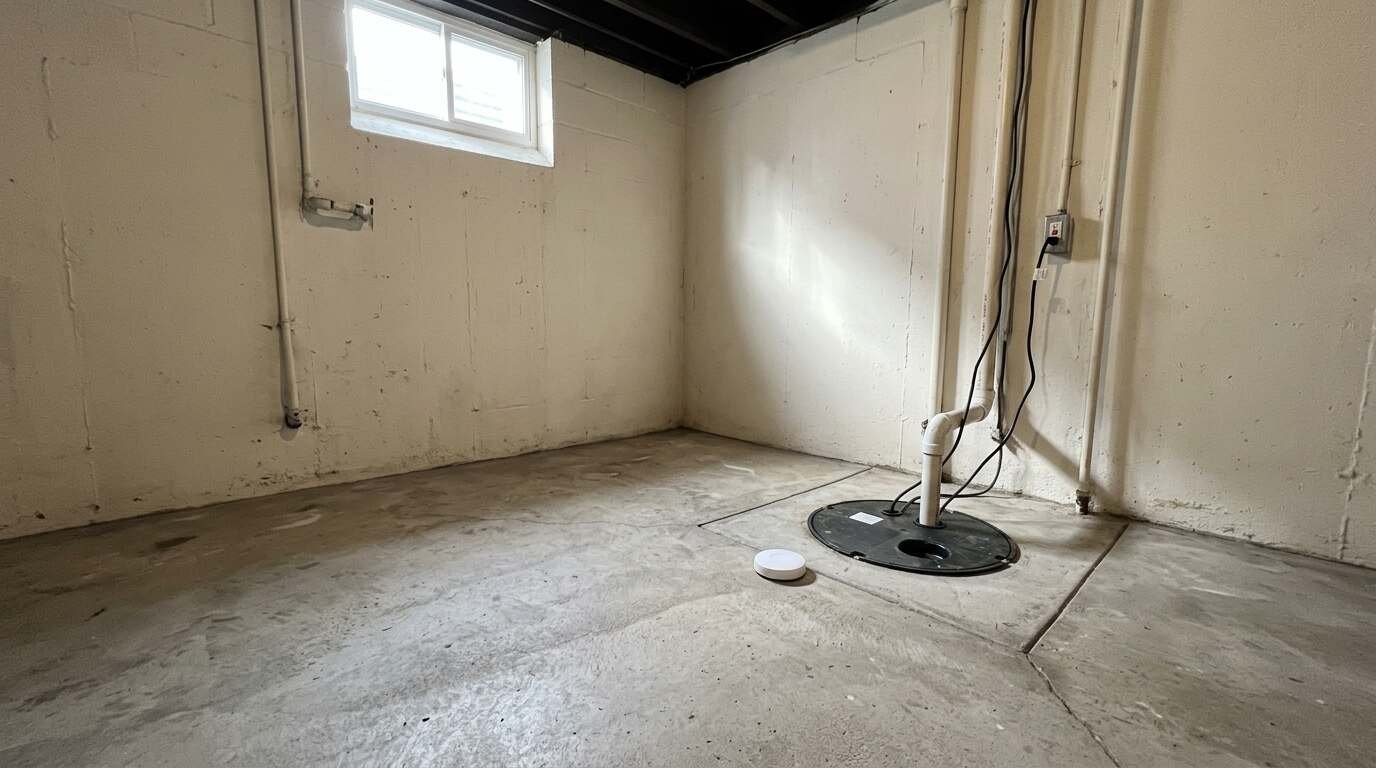
- Walk the property with the form in hand. Basement, crawl space, attic, roof, gutters, and grading are the places where the form and the house are most likely to disagree.
- Test what the form asks about. Radon, water intrusion, and smoke and carbon monoxide alarm function all appear in some form on the statement or in the closing process.
- Answer from knowledge, and say “unknown” when that is true. The form allows for lack of knowledge. It does not reward a guess in either direction.
- Have an attorney review before delivery. A seller’s attorney can flag where a vague answer could be read against the seller.
Matching the Questions to the Evidence
| Form Topic | What To Gather | Common Gap |
|---|---|---|
| Flood and water history | Insurance declarations, claim records, FEMA map designation | Past claims not remembered or not documented |
| Structure and basement | Repair invoices, engineer letters, permits | Work done without a permit |
| Systems (heating, electric, plumbing) | Service records, warranty cards, panel labels | Undated or unknown equipment age |
| Environmental (radon, oil tank, lead) | Test reports, tank decommissioning paperwork | No test on file |
| Alarms and safety | Alarm model and install dates | Expired or missing units |
| Additions and alterations | Certificates of occupancy, final sign-offs | Open permits |
When the Answers Change
Conditions move between listing and closing. A pipe fails, a storm finds a weak seam in the roof, or a test comes back with a result nobody expected. Under the statute, a seller who learns that a prior answer has become inaccurate must deliver a revised statement. Skipping that step is the more expensive path, because the original form remains the record.

Inexpensive Tools That Make the Answers Easier
Several low-cost items help turn “I think so” into a documented answer. None is required by law, and none replaces a licensed inspector.
- First Alert Radon Gas Test Kit, RD1: A short-term charcoal kit that gives a first reading before the radon question is answered. See it on Amazon (affiliate link)
- Kidde Smoke & Carbon Monoxide Detector, 10-Year Battery, 30CUD10: A combination alarm that simplifies the safety checklist and removes battery guesswork. See it on Amazon (affiliate link)
- GoveeLife Upgraded Smart Water Leak Detector 1s with High Alarm, 3 Pack: Sensors for basements and utility areas that flag water early, which helps keep the water-history answers current. See it on Amazon (affiliate link)
- General Tools MM1E Moisture Meter, Pin Type, LED Bar Graph: A handheld meter for spot-checking walls and wood around suspect areas before listing. See it on Amazon (affiliate link)
- FunOwlet Fireproof Waterproof Money Document Bag, 15″ x 11″ Gray: A place to keep permits, insurance papers, and test results together until closing. See it on Amazon (affiliate link)
As an Amazon Associate I earn from qualifying purchases. A commission may be earned if you buy through this link, at no extra cost to you.
Common Questions
Is the disclosure the same as an inspection? No. The PCDS records what the seller knows. A buyer’s inspection tests what a professional can observe.

Can a seller skip the form? Since March 20, 2024, the $500 credit is no longer an alternative. Exemptions exist for certain transfers, so an attorney should confirm whether one applies.
Does the form need updating after a storm? If a previously accurate answer is no longer accurate before closing, a revised statement is required.
For a deeper look at the legal framework, an earlier guide, the seller’s disclosure form guide, covers the doctrine, though its description of the credit predates the 2024 amendments.
This is for informational purposes only. Consult a licensed attorney or financial advisor.
Real estate markets change. For current listings and market data, contact Maison Pawli at maisonpawli.com/about/.
You Might Also Like
- Selling a Home on the North Shore: Fall 2026 Nor’easter and Rates Guide
- Seller’s Disclosure Form: Legal Obligations Guide