How to Prepare Your House for a Home Appraisal Under the New Form

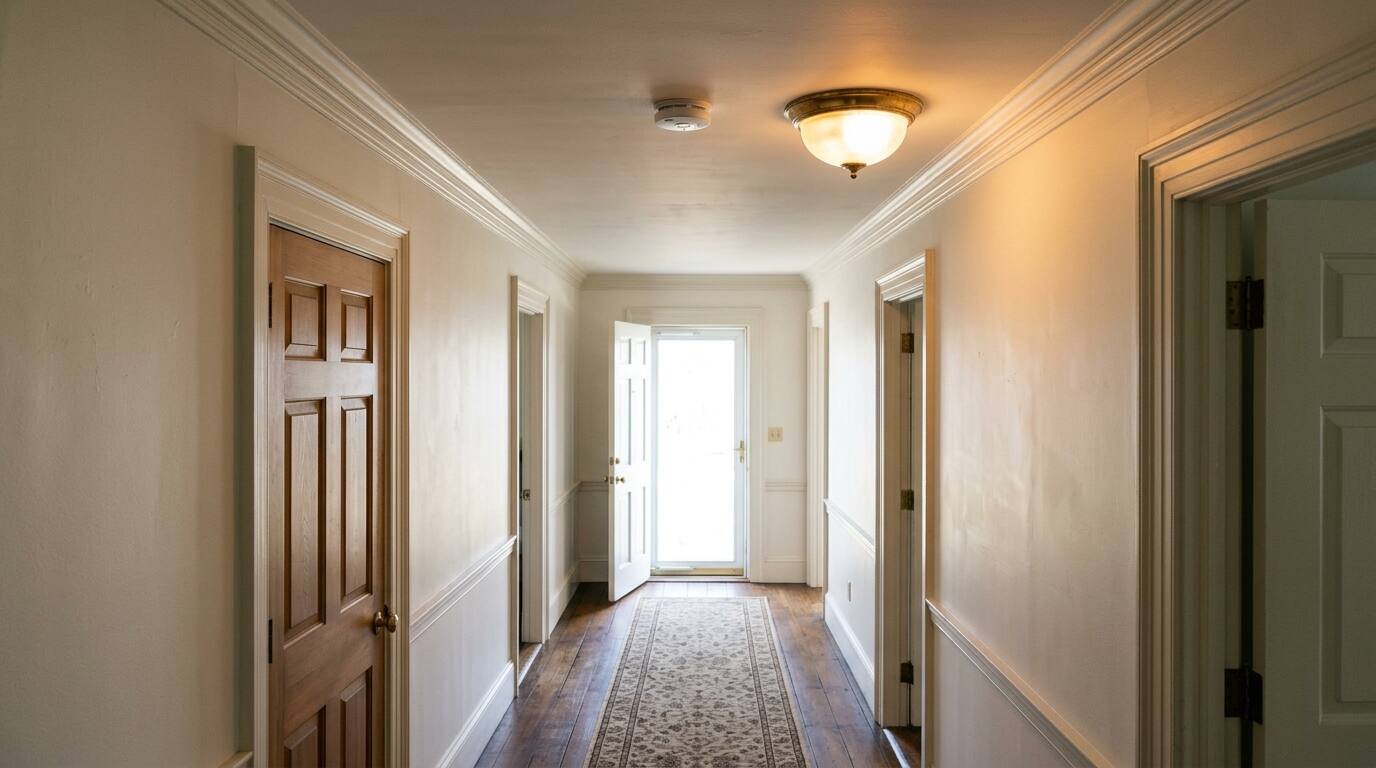
The November 2 deadline that was meant to retire the old appraisal report for conventional mortgages slipped on September 30, when Fannie Mae and Freddie Mac announced an effective delay. The National Association of REALTORS® reports that lenders who are not ready can apply for a policy exception and keep submitting legacy appraisals until May 19, 2027, though loans backed by legacy reports lose eligibility for collateral representation and warranty relief on value after February 28.
For a homeowner, the date matters less than the form behind it. Under the redesigned report, known as UAD 3.6, an appraiser rates the exterior and the interior separately, records a condition status for every kitchen and every bathroom, and then reaches an overall rating that has to agree with everything noted along the way. The appraiser-education firm McKissock summarizes the shift this way: “condition is no longer captured with a single rating for the entire property.” A dripping faucet in a second-floor bath now has a line of its own on the report.
That favors owners who deal with small defects before the visit instead of after it, and the schedule below is built around that idea.
Will an Appraiser Actually Visit?
Not every time. The Appraisal Institute, summarizing AEI Housing Center data, put the combined appraisal-waiver share at Fannie Mae and Freddie Mac at 28% in March 2026, with roughly 52% of Freddie Mac no-cash-out refinances using a waiver that month. A middle option called value acceptance plus property data sends a data collector instead, who records photos, an appraiser-grade floor plan and a questionnaire on materials and condition, according to Scotsman Guide.
Whoever walks through the door is documenting the same thing, so the preparation does not change. A loan officer can say whether a waiver is available on a particular loan.
What the Condition Ratings Mean
The scale itself is unchanged. C1 through C6 describe the physical state of a property’s components on the day of the visit, and McKissock notes that the rating is tied to observable condition, not to what is typical for the neighborhood.
| Rating | What the definition describes | Lender consequence |
|---|---|---|
| C1 | New or like-new, no wear, nothing needing repair | None |
| C2 | Extensively renovated, minimal wear, no deferred maintenance | None |
| C3 | Normal wear for the age, generally well maintained, all components functional | None |
| C4 | Livable, with modest deferred maintenance; repairs are typically cosmetic or limited | None |
| C5 | Noticeable deferred maintenance and significant repair needs; utility is diminished | Freddie Mac requires repair to at least C4 before delivery |
| C6 | Major damage or serious deferred maintenance; may affect safety or structure | Not eligible for sale to Fannie Mae until completed subject to repairs; one C6 component makes the whole dwelling C6 |
Sources for the table: McKissock’s UAD 3.6 overview and the Fannie Mae Selling Guide topic B4-1.3-06, both linked at the bottom of this post.
The line that matters for preparation sits between C3 and C4. The definitions separate normal wear from deferred maintenance, and deferred maintenance is the one part of the grade an owner can change in two weeks. That is the writer’s reading of the definitions, not a statement from either agency.
Seeing the scale applied helps. McKissock’s appraiser-training channel walks through how quality and condition ratings work under the new standard.
The Countdown
Two Weeks Out
A room-by-room walk-through with a notepad does most of the work. Freddie Mac names a few small items that can pull down the condition rating and the valuation: leaky faucets, flickering light bulbs and unsecure stair railings. None of them costs much to fix, and under room-level reporting each one lands somewhere specific.

Three jobs belong in this first week:
- Write a one-page list of improvements with the date each was finished, which Freddie Mac suggests handing to the appraiser.
- Gather permits, receipts and warranties for that work. Unpermitted work can complicate a sale later, as laid out in Certificates of Occupancy and Unpermitted Work Before a Sale.
- Test every smoke and carbon monoxide alarm. Some consumer guides, Angi’s among them, describe safety as a point of attention for appraisers, particularly on FHA and VA loans.
One Week Out
Paint and surface work come first. Freddie Mac lists fresh paint as a simple way to make a home feel more updated, and the list of candidates is short: scuffed walls and doors, gaps in the caulk along trim and tub edges, chipped paint at the front door.
Outside, a HELOC appraisal checklist from The Mortgage Reports covers the usual jobs: mowing, trimming, cleaning gutters and downspouts, power-washing walkways and clearing decks and patios.
Clutter and access get attention now too. Unison notes that appraisers inspect the attic, the basement and every room, so each of those spaces needs a clear path.
The Day Before
Burnt-out and flickering bulbs are exactly the kind of minor item Freddie Mac flags, and replacing them takes minutes. Run each faucet, flip each switch, and arrange for pets to stay outdoors or in the garage during the visit, which Freddie Mac recommends so the appraiser can work without interruption.
The Morning Of
Turn on the lights throughout the house, a step the HELOC checklist includes. Unlock the attic, basement and any outbuilding, and set the improvements list, with permits and receipts, where the appraiser will see it.
During the Visit
Owners may be present. Freddie Mac explains that the rule against pressuring or threatening an appraiser to reach a certain value does not stop an owner from attending to answer questions, and it advises pointing out hidden features politely. Its shortest instruction is the one most often ignored.
Never hover over the appraiser.
Freddie Mac, My Home
After the Visit
The appraiser sends the report to the lender about one to two weeks after the visit, possibly longer where appraisal activity is heavy. A seller typically does not receive a copy but can ask the buyer for it, and appraisers cannot discuss results with anyone except the lender, so suspected errors go to the lender. When a value lands below the contract price, The Appraisal Gap Addendum Is a Negotiating Instrument covers the negotiating side.
Supplies for the Walk-Through
Three inexpensive items cover several of the small fixes above.
- DAP Alex Plus Acrylic Latex Caulk Plus Silicone (white, 10.1 oz) fills gaps along baseboards, window trim and tub edges, which are small deferred-maintenance details, and it is paintable. See it on Amazon (affiliate link)
- Mr. Clean Magic Eraser Original (9 count) targets scuffs on walls, doors and light switches, and the manufacturer describes the foam pad as cleaning with water alone. See it on Amazon (affiliate link)
- First Alert SMCO210 10-Year Battery Combination Smoke and Carbon Monoxide Alarm uses a sealed 10-year battery, which takes the low-battery chirp off the pre-visit checklist. See it on Amazon (affiliate link)
As an Amazon Associate I earn from qualifying purchases. A commission may be earned if you buy through this link, at no extra cost to you.
What Does Not Help
Large projects started days before a visit tend to disappoint. Unison advises that major renovations right before an appraisal rarely pay off, and that the goal is a home that looks well maintained and consistent with local market values. The same caution appears at Maximum Real Estate Exposure, a Massachusetts agent’s WordPress blog, whose author writes that “appraisers tend to measure a home’s value in increments of $500” and argues that each unrepaired minor item can cost about that much. That figure is the blogger’s rule of thumb, not a published standard.
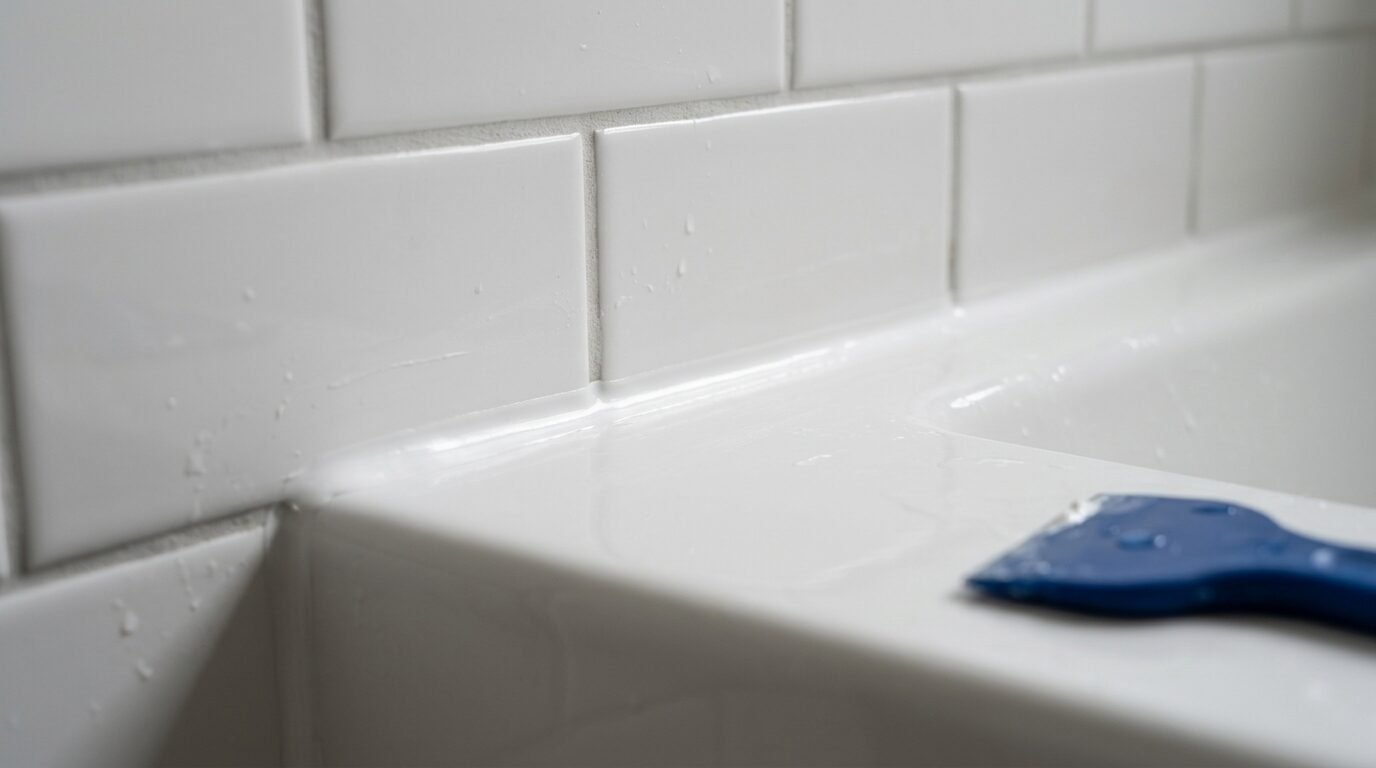
Cleaning has limits as well. The same blog states that a clean house will not hide significant problems, while Freddie Mac’s point is narrower: tidiness makes every area visible and accessible.
Common Questions
Does a clean house raise the appraised value? Cleanliness does not replace condition. It helps the appraiser see and reach every area, which is the part Freddie Mac emphasizes.
Can a homeowner be there during the appraisal? Yes, according to Freddie Mac, as long as the owner answers questions and stays out of the appraiser’s way.
Who pays for the appraisal? On a sale, the buyer’s lender orders it and the buyer will likely reimburse the lender; on a refinance, the owner will likely reimburse the lender as part of closing costs, per Freddie Mac.
This is for informational purposes only — consult a licensed attorney or financial advisor for your specific situation. Appraisal-form deadlines, waiver availability and lender requirements may have changed since this post was written; confirm current rules with the lender.
Real estate markets change. For current listings and market data, contact Maison Pawli at maisonpawli.com/about/.
You Might Also Like
- The Pre-Inspection Move: Why Long Island Sellers Who Inspect First Are Closing Faster and Cleaner
- The Seller’s Timeline: From Decision to Closing on the North Shore
- The Seller’s Disclosure Form Is a Legal Document: Why Most Sellers Treat It Like a Survey
- Staging Is a Material Representation: Where the Line Between Presentation and Misrepresentation Falls
Sources
- National Association of REALTORS®, “Effective Delay Announced for Appraisal Reporting Transition” (Sept. 30, 2026): https://www.nar.realtor/news/washington-report/effective-delay-announced-for-appraisal-reporting-transition
- McKissock Learning, “Understanding Appraisal Condition Ratings Under UAD 3.6 and the New URAR”: https://www.mckissock.com/blog/appraisal/understanding-appraisal-condition-ratings-c1-to-c6/
- McKissock Appraisal on YouTube, “Understanding UAD Quality and Condition Ratings (UAD 3.6)”: https://www.youtube.com/watch?v=BvXEfYU9Ae4
- Fannie Mae Selling Guide, B4-1.3-06, Property Condition and Quality of Construction of the Improvements: https://selling-guide.fanniemae.com/sel/b4-1.3-06/property-condition-and-quality-construction-improvements
- Freddie Mac, My Home, “What Homeowners Need to Know About Home Appraisals”: https://myhome.freddiemac.com/blog/selling/what-homeowners-need-know-about-home-appraisals
- Appraisal Institute, “Putting Fannie Mae’s $3 Billion Appraisal Savings Estimate in Context” (Aug. 3, 2026): https://www.appraisalinstitute.org/insights-and-resources/insights/newsroom/ai-news-releases/2026-08-04-putting-fannie-maes-3billion-appraisal-savings
- Scotsman Guide, “Fannie Mae adds another arrow to the appraisal quiver”: https://www.scotsmanguide.com/residential/fannie-mae-adds-another-arrow-to-the-appraisal-quiver/
- Unison, “How to Prepare for a Home Appraisal”: https://www.unison.com/blog/how-to-prepare-for-home-appraisal
- The Mortgage Reports, HELOC Appraisal Day Checklist (PDF): https://assets.themortgagereports.com/wp-content/uploads/2026/02/HELOC-Appraisal-Day-Checklist.pdf
- Angi, “How to Prepare for a Home Appraisal”: https://www.angi.com/articles/how-prepare-home-appraisal.htm
- Maximum Real Estate Exposure, “Prep For a Home Appraisal With These Tips”: https://www.maxrealestateexposure.com/prepare-real-estate-appraisal/