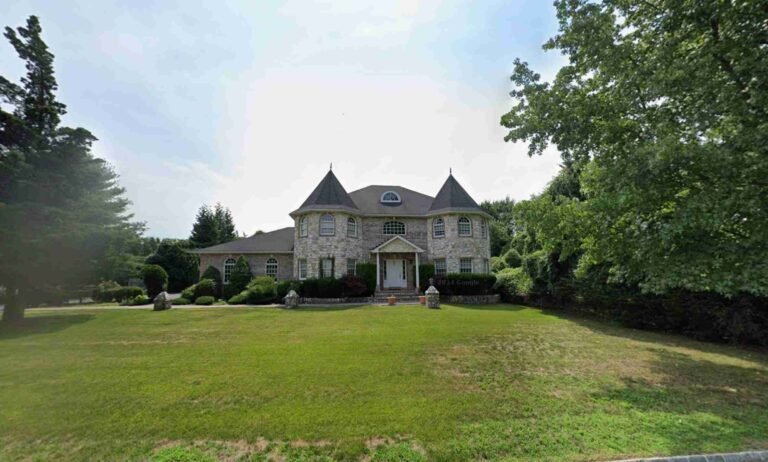
The Pre-Inspection Move: Why Long Island Sellers Who Inspect First Are Closing Faster and Cleaner

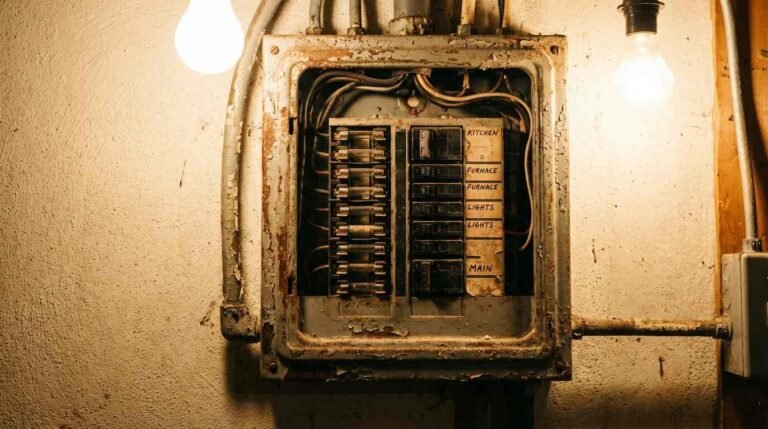
The first call I got about the property was from the listing agent — nervous, apologetic, and delivering news that neither of us wanted. The buyer’s inspector had found something under the stairs. A valve fitting on what turned out to be an old fuel line, abandoned but improperly capped when the oil system was converted to gas in 1994. The buyers wanted a $12,000 credit. The sellers — who had lived in the house for twenty-two years and genuinely had no idea — felt blindsided, and that feeling soured everything that followed. The deal closed, but it didn’t close well.
I’ve thought about that transaction a lot in the years since. Not because the outcome was catastrophic — it wasn’t — but because it was entirely preventable. If the sellers had ordered their own inspection four weeks before listing, they would have known about that fitting. They could have fixed it for $600 and listed with clean hands. Instead, the discovery landed mid-contract, when every dollar of credit feels like a loss and every negotiation happens under deadline pressure.
That’s the case for the pre-listing inspection. And I’m surprised more North Shore sellers don’t use it.
What a Pre-Listing Inspection Actually Does
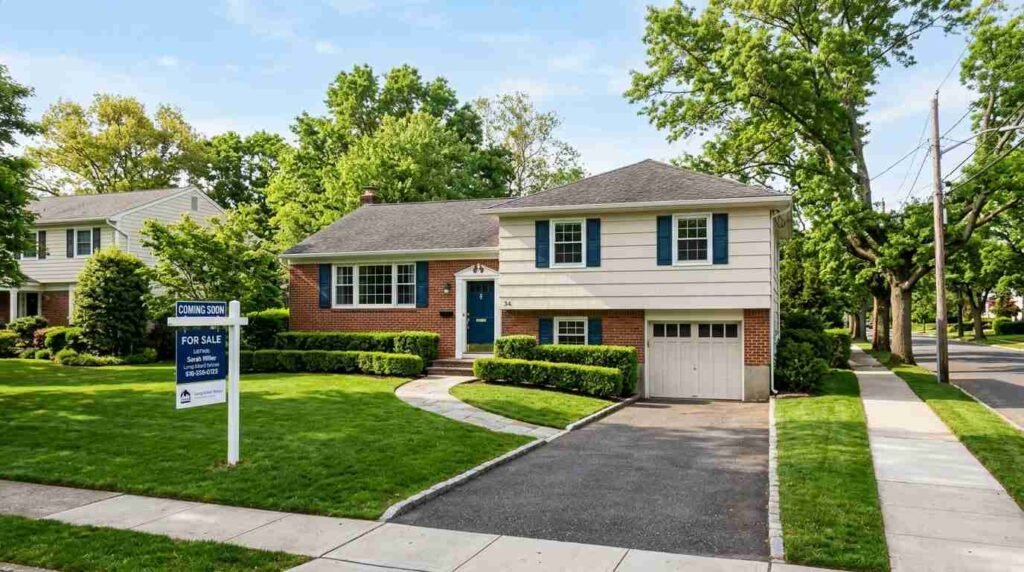
A pre-listing inspection is exactly what it sounds like: you hire a licensed home inspector — your inspector, not a buyer’s — before your property goes to market. They walk the house the same way a buyer’s inspector would. They look at the roof, the electrical, the plumbing, the foundation, the HVAC, the insulation, the visible structure. They produce a written report. And then you have a decision to make.
What you do with that information is where the strategy begins.
Some sellers choose to address everything on the list. Some address only the items that are likely to scare buyers or trigger credit demands — the things inspectors flag with language like “recommend immediate attention” or “safety concern.” Some sellers choose to disclose the issues they’re not repairing, simply noting them on the Property Condition Disclosure Statement and adjusting their pricing accordingly.
Each approach has a logic. The right one depends on your house, your timeline, and how competitive your market position needs to be.
The Disclosure Angle
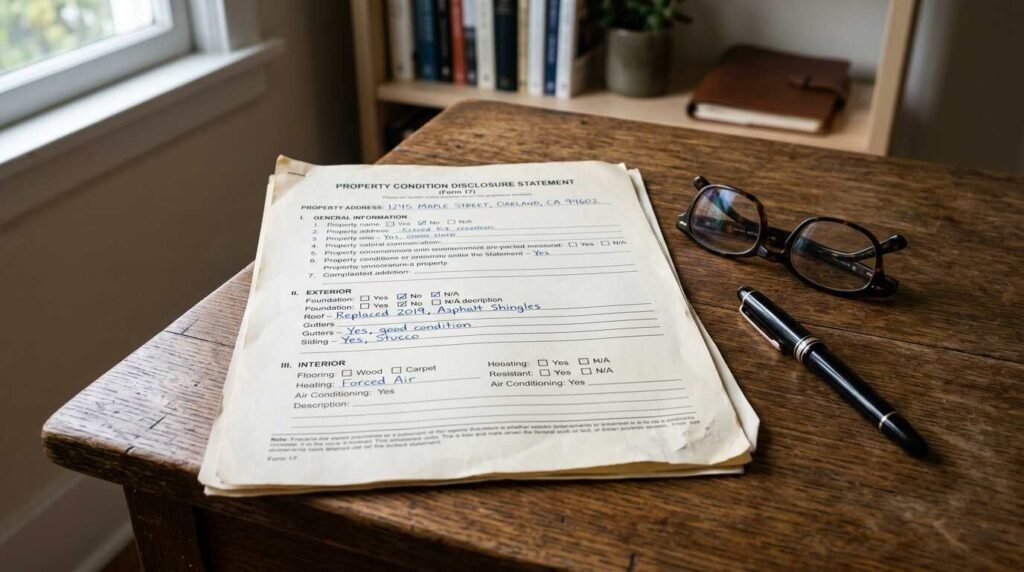
Something changed in March 2024 that every Long Island seller should understand. The New York Property Condition Disclosure Act was amended — significantly. The old $500 opt-out credit that let sellers skip the disclosure form entirely was eliminated. Sellers of 1–4 family residential properties now must complete and sign the Property Condition Disclosure Statement before a buyer signs a contract, with no buyout. The updated form covers 56 questions, including new questions about flood zone status, mold history, and structural systems.
The legal standard is actual knowledge: you must disclose what you know. You are not required to conduct an investigation or hire an inspector to discover things you don’t know. But — and this is the critical part — once you do order a pre-listing inspection, what’s in that report is now part of your actual knowledge. You cannot look at a written finding from a licensed inspector and then check “unknown” on the disclosure form.
This cuts both ways. The inspection creates knowledge. That knowledge creates disclosure obligations. Sellers who understand this go into their inspection with a clear plan for how they’ll address whatever it finds — because once the inspector hands over that report, the clock starts.
I’m not an attorney and this isn’t legal advice. Consult a licensed New York real estate attorney for guidance specific to your situation and your property. But I will say this plainly: the sellers I’ve seen get into trouble after closing are, almost without exception, the ones who knew something and didn’t say so.
The Negotiating Advantage
Here’s what the pre-listing inspection actually buys you as a seller, beyond disclosure management: it neutralizes the buyer’s inspector as a surprise generator.
In a typical North Shore transaction, the buyer orders their inspection seven to ten days after contract. Their inspector finds things — because they always do, in every house. If those findings are new information to you, you’re now negotiating under duress. The buyer has leverage because they’ve discovered something you didn’t disclose, and they know you need to either fix it, credit it, or risk them walking.
If your inspector has already flagged those same items — and you’ve either addressed them or disclosed them openly — the buyer’s inspector is confirming known conditions rather than discovering new ones. That’s a fundamentally different negotiation. You’re not scrambling. You’re responding from a prepared position.
I wrote about how the as-is clause is not the legal shield sellers think it is. The pre-listing inspection is part of what makes an as-is sale actually defensible: you’ve established your good faith, documented your knowledge at the time of listing, and priced accordingly. That’s a very different position than signing an as-is addendum while hoping no one finds the abandoned fuel line under the stairs.
What It Costs, and What It’s Worth
A standard home inspection for a 2,000-square-foot North Shore single-family runs roughly $400–$600, depending on the inspector, the home’s age, and whether they’re also testing for radon or doing a septic assessment. [VERIFY current pricing with local inspectors before publishing.] For an older home — say, a 1940s Colonial in Setauket or a postwar split-level in Smithtown — add another 25–30 minutes of inspection time and expect a longer report.
The question isn’t whether $500 is worth spending. It’s whether the $500 is worth spending compared to what it prevents. In my experience, a single unexpected inspection finding can cost a seller $5,000 to $20,000 in mid-contract credits, a deal falling apart entirely, or weeks of renegotiation that exhaust everyone and sometimes end in price reductions that exceed the cost of the original repair.
It is, as far as seller strategies go, one of the better returns on investment available before you list.
When a Pre-Listing Inspection Makes the Most Sense
Not every seller needs one. Here’s where I think it genuinely earns its place:
Older homes. Anything built before 1980 on Long Island has at least one system that’s had time to develop issues quietly — electrical, plumbing, the insulation above the boiler room. The older the house, the more likely the inspection will find something a buyer’s inspector would also find. Better to find it first.
Homes with deferred maintenance. If the sellers have been patching, workarounding, or simply ignoring a nagging issue for years, that issue will surface. The pre-listing inspection turns a potential ambush into a known variable.
Sellers pricing at the top of the range. A buyer paying $875,000 for a North Shore Colonial is going to have a thorough inspection. Their inspector will write a detailed report. If that report surfaces issues that weren’t disclosed, the premium price suddenly feels unjustified to the buyer. The pre-listing inspection lets you defend your price.
Estate sales. Heirs selling a property they haven’t lived in are in a particularly vulnerable disclosure position — they genuinely don’t know the home’s condition, and “unknown” on every question doesn’t inspire buyer confidence. A pre-listing inspection gives them actual knowledge to work from, and a report they can share with buyers as evidence of good faith.
How to Use the Report Once You Have It
The report is a working document, not a press release. Read it carefully with your agent before deciding what to share, what to repair, and what to price in.
Some agents advocate sharing the full pre-listing report with buyers before contract. There are arguments for this — transparency, confidence-building, reducing the likelihood of a surprise during the buyer’s own inspection. There are also arguments against it, primarily that it becomes a detailed roadmap for negotiation leverage. This is a conversation to have with a licensed agent who knows your specific market and situation. I’m happy to walk through it with anyone preparing to list in the Mount Sinai area — reach out directly through Maison Pawli.
What I’d say universally is this: the findings you choose not to repair must be disclosed, priced into the listing, or both. Choosing to ignore them is the one option that tends to create real problems.
—
One last thing worth noting. In the same conversation I had about the staging costs and what sellers spend before a Long Island listing goes live, someone asked me what the single best pre-listing investment was. I said the inspection. Not the paint, not the kitchen hardware, not the landscaping. The inspection — because everything else is cosmetic, and the inspection tells you what you’re actually selling.
This is for informational purposes only — consult a licensed attorney or financial advisor for your specific situation.
Real estate markets change. For current listings and market data, contact Pawli at Maison Pawli.
Sources
- New York State Senate — Property Condition Disclosure Act, Article 14: https://www.nysenate.gov/legislation/laws/RPP/462
- NYSBA — PCDA Amended, $500 Seller Credit Deleted and Additional Questions Added: https://nysba.org/pcda-amended-500-seller-credit-deleted-and-additional-questions-added-to-pcds/
- Meltzer Lippe — New York State Creates New Obligations for Sellers Under the Amended PCDA: https://meltzerlippe.com/alerts/new-york-state-creates-new-obligations-for-sellers-of-residential-real-property-under-the-amended-property-condition-disclosure-act/
- Forchelli Deegan Terrana Law — New York’s New Property Conditions Disclosure Law: https://www.forchellilaw.com/new-yorks-new-property-conditions-disclosure-law-to-take-effect/
- Nolo — Selling a New York Home: Disclosure Obligations: https://www.nolo.com/legal-encyclopedia/new-york-state-home-sellers-disclosures-required-under-state-law.html
You Might Also Like: For a complete overview of everything involved in selling on the North Shore — pricing, staging, legal obligations, and closing — see The North Shore Seller’s Guide.