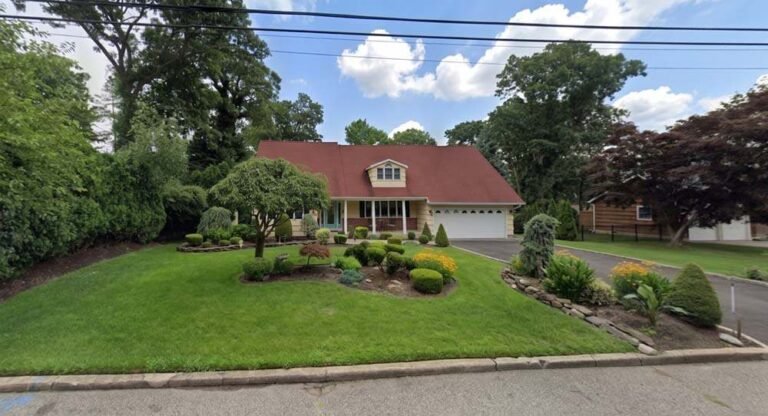
The As-Is Clause Is Not a Shield: What Sellers Remain Liable For After Closing
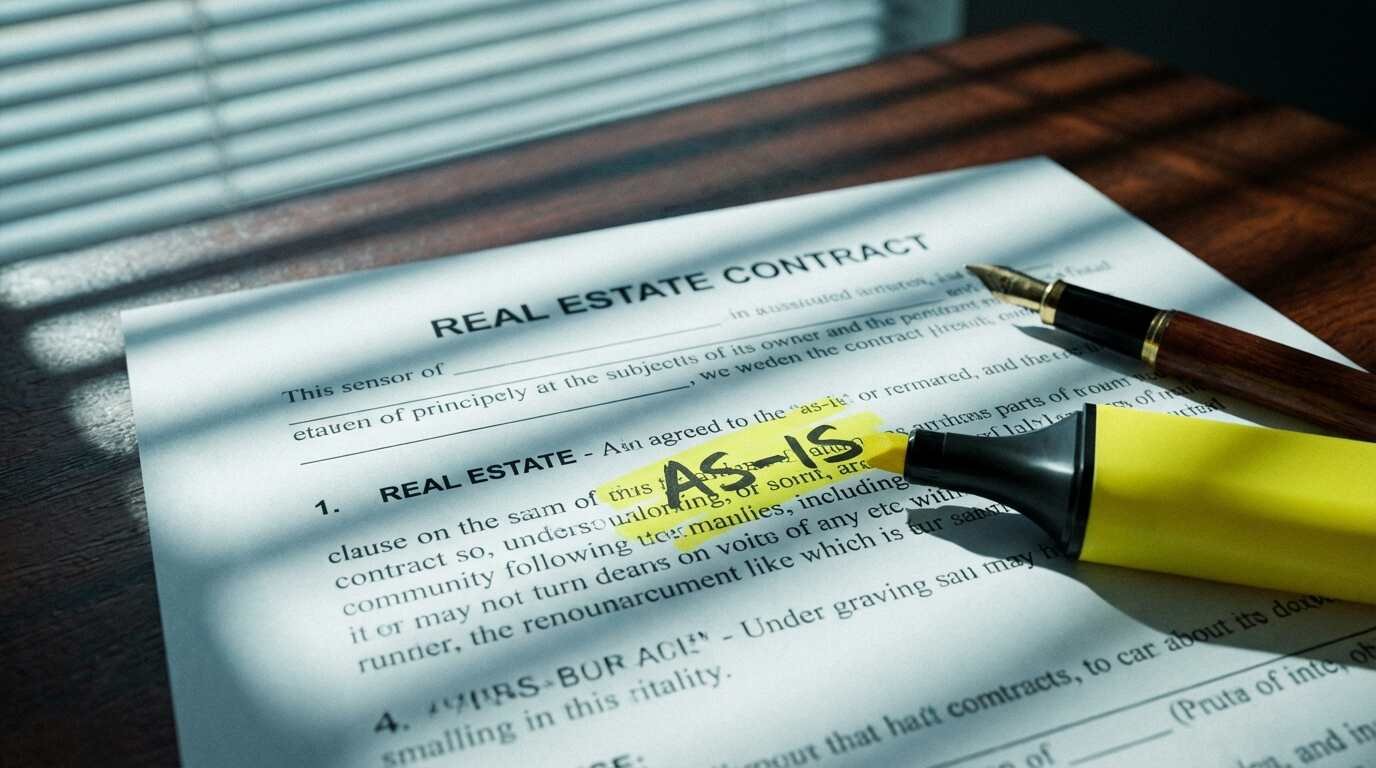
Every few months I sit across the table from a seller who says some version of the same thing: “We’re listing as-is, so whatever happens after closing is the buyer’s problem.” I understand the appeal of that logic. But it isn’t the law. And sellers who operate under that assumption are taking on liability they believe they’ve already extinguished.
The as-is clause is a legitimate and frequently useful contract provision. What it is not is a general release from fraud.
What “As-Is” Actually Conveys — and What It Doesn’t
An as-is clause in a purchase contract communicates one thing with legal precision: the buyer accepts the property in its present condition and waives any claim arising from defects the buyer could have discovered through reasonable inspection. That is the clause’s operative scope. It shifts the risk of unknown, observable, discoverable conditions to the buyer.
It does not — and this is the point sellers miss — shift the risk of conditions the seller already knew about and actively concealed.
The foundational case is Johnson v. Davis, 480 So.2d 625 (Fla. 1985). The Florida Supreme Court held that where a seller knows of facts materially affecting the value of property that are not readily observable and not known to the buyer, the seller is under a duty to disclose them. Crucially, the court made clear that this duty survives contractual as-is language. The as-is clause cannot immunize a seller from the legal consequences of knowingly withholding a material fact.
Johnson v. Davis is Florida precedent, but its reasoning has been adopted, in various formulations, across jurisdictions. It is the doctrinal anchor for the modern rule.

New York’s Framework: The Disclosure Obligation Is Statutory
In New York, sellers of one-to-four family residential properties are governed by Real Property Law § 462, which requires completion of a Property Condition Disclosure Statement covering 48 categories of known defects — from roof condition to the presence of underground storage tanks to flooding history. A seller who chooses not to complete the statement must credit the buyer $500 at closing. That credit does not, however, eliminate common law fraud liability for concealment.
Stambovsky v. Ackley, 169 A.D.2d 254 (N.Y. App. Div. 1991) — the case known to most New York real estate attorneys as the “haunted house” decision — established a related principle: where a condition is known to the seller and unknown and undiscoverable by the buyer, equity may rescind the contract even without traditional fraud elements. The court was explicit that caveat emptor does not shield sellers from the consequences of their own creation of a misleading transaction.
The as-is clause in a New York residential contract operates within this framework. A buyer who waives inspection and takes the property as-is waives claims arising from conditions they could have found. They do not waive claims arising from conditions the seller knew about and said nothing about.
The Latent Defect Distinction
Courts across jurisdictions draw a consistent line between two categories of defects:
Patent defects — visible, discoverable conditions that a reasonable inspection would reveal. Cracked drywall. A visibly aging roof. Evidence of prior water staining in a basement that has since dried. These are the conditions an as-is clause is designed to address. A buyer who proceeds without inspection assumes the risk of patent defects.
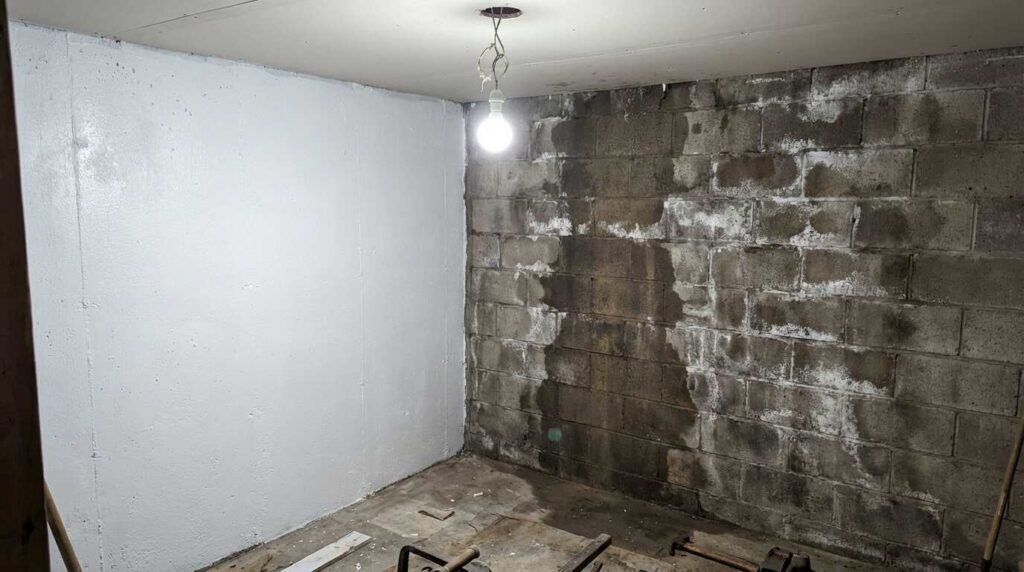
Latent defects — conditions that are not visible or discoverable through reasonable inspection. A foundation crack concealed behind finish work. A sewer line failure known to the seller and not disclosed. Evidence of water intrusion masked by fresh paint applied immediately before listing. These are precisely the conditions the as-is clause cannot reach.
The practical question — and the one that generates litigation — is which category applies to any given defect. Courts look at two things: whether the seller had actual knowledge of the condition, and whether reasonable inspection would have revealed it. If the seller knew and the buyer couldn’t reasonably have found it, the as-is clause provides no defense.
Where Sellers Actually Get Into Trouble
In my experience, the post-closing claims that survive as-is defenses share a common profile. The seller was aware of a material condition — typically water intrusion, mold, a failing septic system, or a structural defect. Fresh paint, new flooring, or staged furniture was placed in a manner that obscured the evidence. The Property Condition Disclosure Statement was either left blank on relevant lines or completed with affirmative “no” answers that were demonstrably false.
Reed v. King, 145 Cal.App.3d 261 (Cal. Ct. App. 1983) is instructive here. The California court held that a seller’s failure to disclose that multiple murders had occurred in the home — a fact that materially affected its market value — was actionable despite an as-is clause. The court’s logic reaches well beyond the specific facts: material information known to the seller that affects value belongs in the disclosure, and the as-is clause does not substitute for it.
State real estate commissions enforce parallel obligations. The Association of Real Estate License Law Officials (ARELLO) maintains disciplinary records documenting agents and sellers sanctioned for staging choices and disclosure omissions that courts later characterized as concealment. The pattern is consistent: the as-is designation was present; the concealment claim survived it anyway.
The Practical Standard
For any seller I work with, the operative question before listing is not “Can we sell as-is?” — of course you can. The question is “What do we know about this property that the buyer doesn’t?”
If the answer is nothing material — no known defects beyond what a competent inspection would find — then the as-is clause functions exactly as intended. It protects the seller from claims arising from the buyer’s own failure to investigate.
If the answer includes anything the seller is aware of that isn’t immediately visible, that information belongs in the disclosure. Not because disclosure is strategically required — though it often is — but because the alternative is a post-closing fraud claim that the as-is clause will not stop.
The clause is a risk-allocation tool. It is not a release from the duty to deal honestly.
This post is for informational purposes only and does not constitute legal advice. Real estate disclosure obligations vary by jurisdiction and by the specific facts of each transaction. Consult a licensed real estate attorney before listing.
Sources:
- Johnson v. Davis, 480 So.2d 625 (Fla. 1985)
- Stambovsky v. Ackley, 169 A.D.2d 254 (N.Y. App. Div. 1991)
- Reed v. King, 145 Cal.App.3d 261 (Cal. Ct. App. 1983)
- New York Real Property Law § 462
- ARELLO Disciplinary Database: https://www.arello.org
You Might Also Like: For a complete overview of everything involved in selling on the North Shore — pricing, staging, legal obligations, and closing — see The North Shore Seller’s Guide.