63 Dyke Road, Setauket — Waterfront Estate at Auction
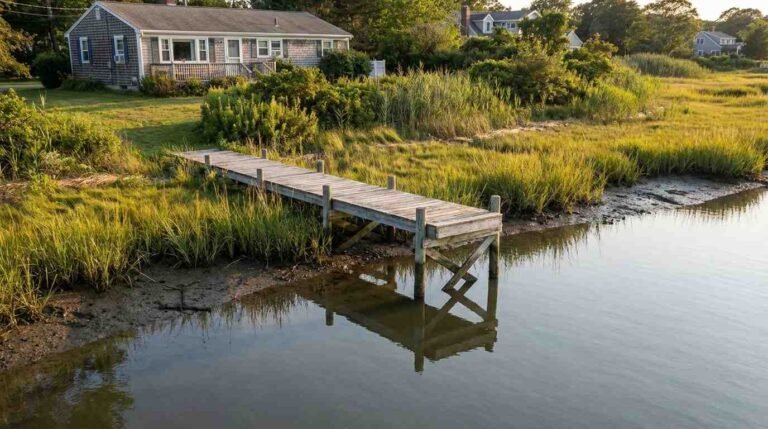
Six-bedroom waterfront estate on 2.76 acres in Strong’s Neck with 1,000 feet on Little Bay and a private dock. Reserve auction, $3.9M opening bid. Three Village schools.

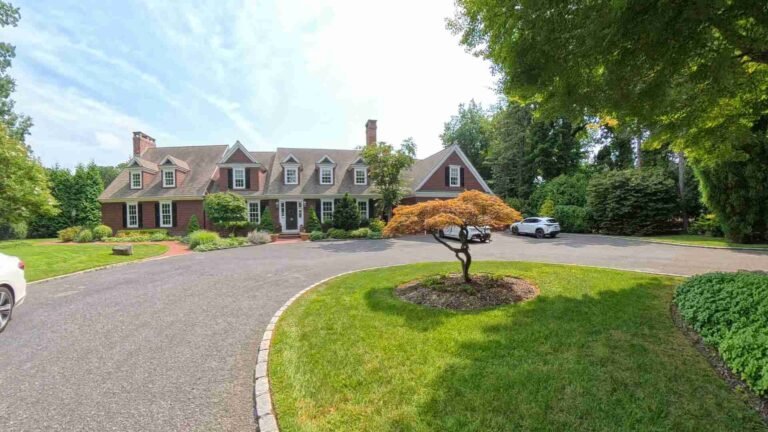
Six-bedroom waterfront estate on 2.76 acres in Strong’s Neck with 1,000 feet on Little Bay and a private dock. Reserve auction, $3.9M opening bid. Three Village schools.
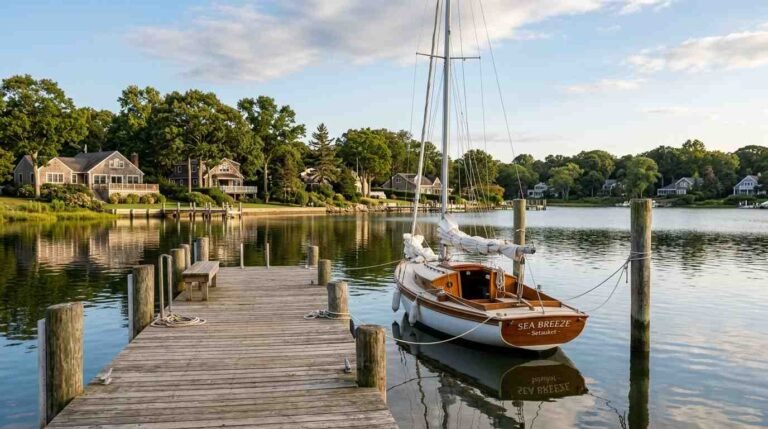
Brookhaven Town and the Setauket Harbor Task Force have been studying water quality and regulating dock use in the harbor complex for years. Waterfront property owners are often the last to hear about it.
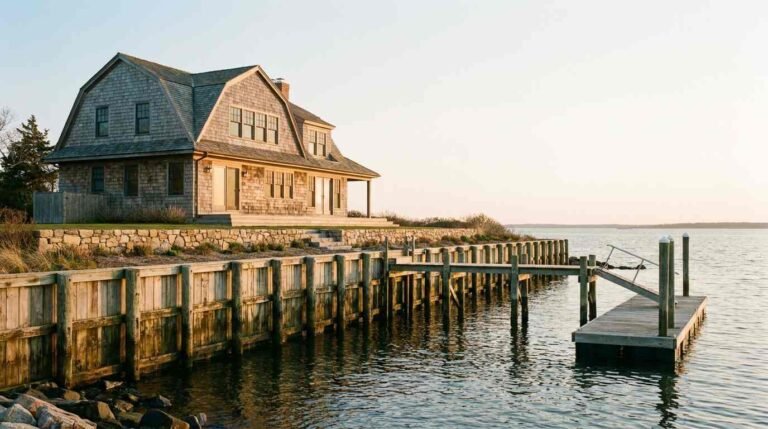
Not all Long Island waterfront listings justify their price. Here’s how to evaluate access, bulkheads, dock rights, and flood exposure before you offer.
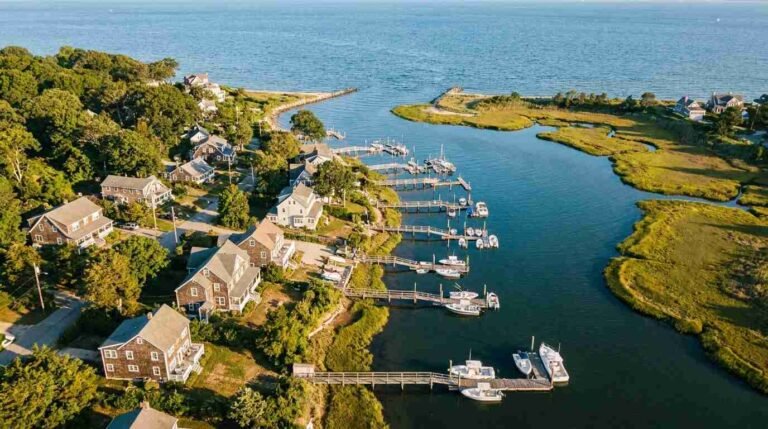
FEMA flood zone changes are affecting Long Island homeowners’ insurance costs in 2026. Find out if your property’s risk designation has shifted — and what to do about it.
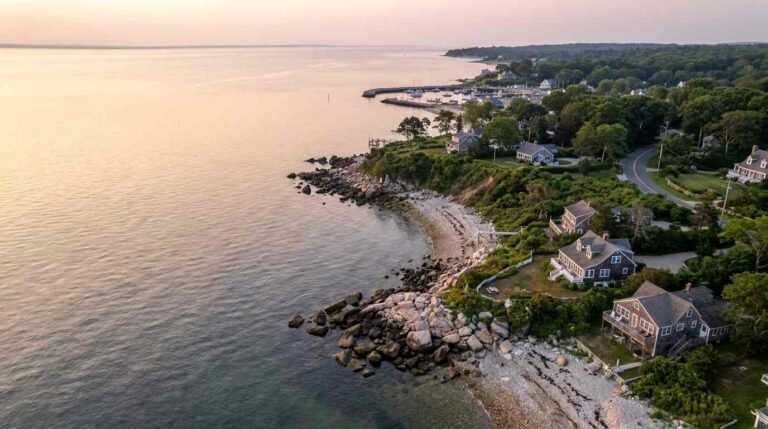
New research in Nature upends what we knew about Atlantic circulation. Here’s what shifting ocean currents mean for coastal real estate risk and flood insurance.
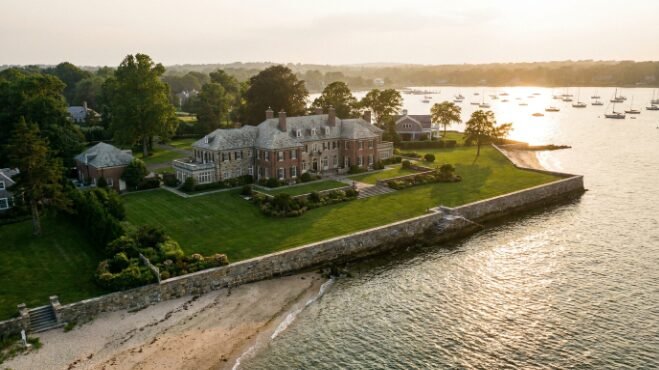
Gold Coast Long Island waterfront homes are commanding record premiums. Here’s the data behind the demand — and what buyers need to know before bidding.

Before you buy that waterfront home, understand dock rights and riparian claims on Long Island Sound. What you see isn’t always what you own. Here’s the truth.
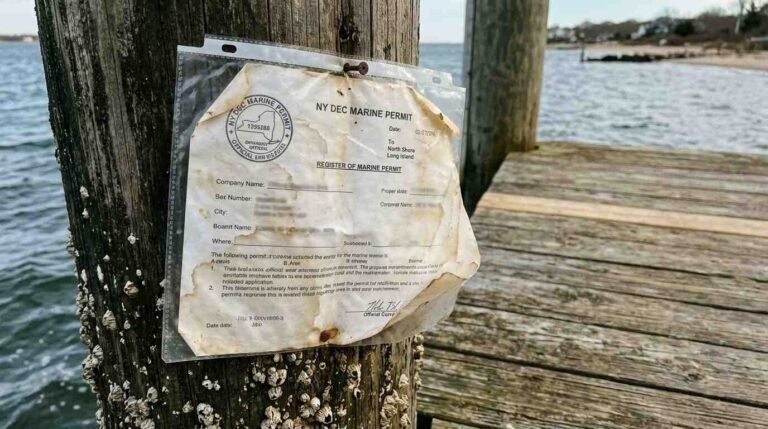
Dock rights and mooring rights are not the same thing, and neither is guaranteed by a waterfront deed. Here’s what Long Island North Shore buyers need to know before closing.
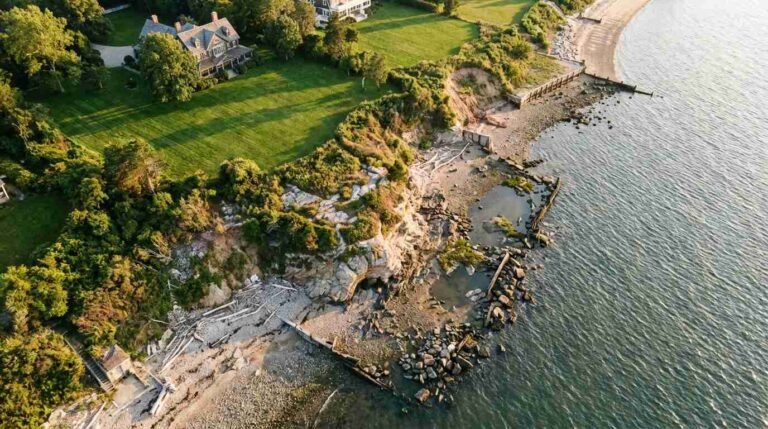
Waterfront lot surveys on Long Island’s North Shore are far more complex than standard residential surveys. Here’s what to read, what to question, and what to verify before you make an offer.
If your North Shore property sits within 300 feet of a tidal wetland, the DEC controls what you can build. What buyers and renovators need to know before they break ground.