Nassau County’s New Short-Term Rental Crackdown: What Airbnb Hosts and Investors Need to Know Now
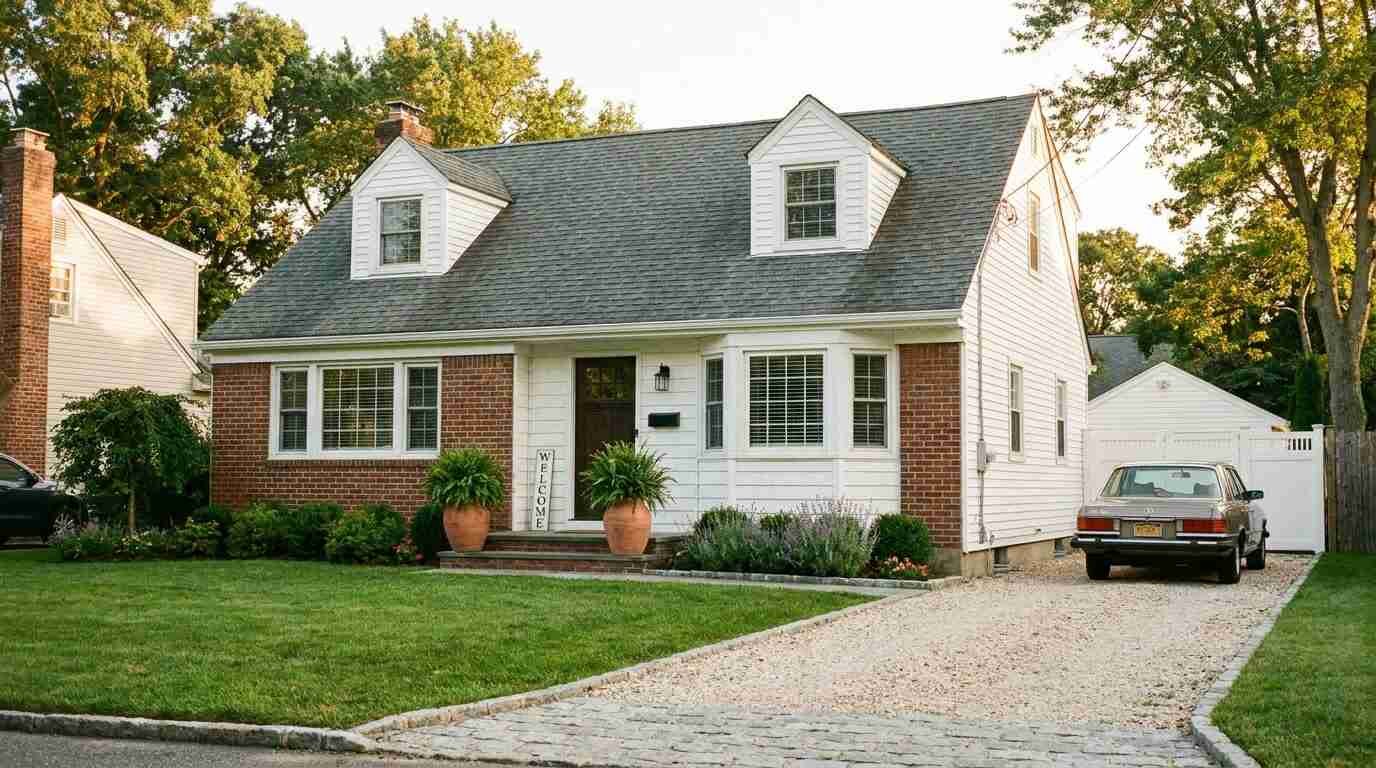
A client came to me last year with a straightforward thesis: buy a three-bedroom colonial in an unincorporated Nassau County neighborhood, carry it as a short-term rental, and use the Airbnb income to offset most of the mortgage. It was a reasonable plan on paper. By the time we finished the diligence on both the property and the regulatory environment surrounding it, the plan looked meaningfully different.
That conversation has become a recurring one. The short-term rental landscape on Long Island — particularly in Nassau County — has shifted under the feet of investors who purchased with a specific income model in mind. Some of those models still work. Others don’t. And the investors who haven’t updated their analysis recently are the ones most likely to be caught off guard.
What Nassau County’s New Short-Term Rental Rules Actually Say
The first thing to understand is that Nassau County doesn’t operate as a single regulatory unit when it comes to short-term rentals. The county contains multiple towns, and each town contains multiple incorporated villages — each of which can have its own distinct rules. The patchwork nature of Long Island’s municipal structure, which visitors sometimes find charming and landowners often find exhausting, applies here with full force.
At the state level, the picture changed significantly in late 2024. Governor Hochul signed a new short-term rental law in December 2024, with a chapter amendment finalized in February 2025, that took effect on March 25, 2025. The law does two things that matter to investors: it requires platforms like Airbnb and VRBO to collect and remit New York State’s 4% sales tax directly — eliminating the host’s obligation to file independently for platform bookings — and it requires those platforms to report detailed rental location and transaction data to the state on a quarterly basis.
The reporting requirement is the piece with the longest tail. Counties and towns that previously had no clear picture of the STR inventory within their borders now have access to that data. That’s not a threat in itself — but it gives local enforcement offices a mechanism to identify unlicensed operators that they didn’t have before.
At the town level within Nassau County, the Town of Hempstead — which covers a large swath of the county’s south and central geography — effectively banned short-term rentals in residential zones back in 2017. That position has held. The town requires a rental occupancy permit for any rental property, with initial two-year permits costing $500 and annual inspections required. Fines for unlicensed rentals begin at $1,000 and can reach $10,000 for continuing violations. The town’s enforcement posture is aggressive by Long Island standards.
The North Hempstead and Oyster Bay town boards have been less absolute — permits are available in some configurations — but both require registration, and both have moved toward tighter compliance in recent years as the state data pipeline has given them more visibility into what’s actually operating in their jurisdictions.
Which Municipalities Are Enforcing Most Aggressively
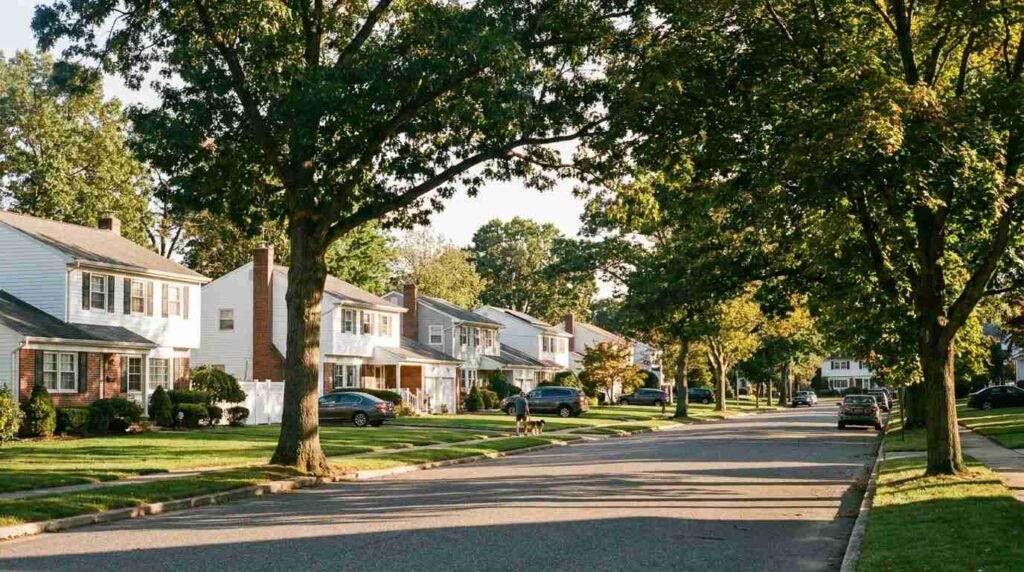
Hempstead is the clearest case. The practical effect of the permit and inspection regime is that short-term rentals in non-owner-occupied residential properties in Hempstead Town’s unincorporated areas are effectively non-viable as an investment thesis. The compliance burden and penalty exposure are too high relative to the achievable income.
The situation in incorporated villages within Nassau County is more variable. Villages have independent zoning authority, and some have enacted their own STR permit systems, occupancy caps, or outright prohibitions that operate separately from the town framework. A property in an incorporated village should be checked against both the village code and the town code — they’re not duplicative.
The enforcement mechanism that has emerged from the new state reporting requirement is worth noting: Airbnb and VRBO are now delivering quarterly reports to New York State that include the physical address of every active listing and the taxes collected. Counties can opt to receive this data. Nassau County officials have indicated interest in using this registry capability. For unlicensed hosts, this creates a trail that didn’t exist in the honor-system era.
How This Affects Your Investment Property’s Cash Flow Math
The simple version: if your return model assumed short-term rental income based on Airbnb market rates in Nassau County without accounting for permit costs, mandatory inspection fees, hotel/motel occupancy tax obligations, and the risk of fine or revocation, that model needs to be rebuilt.
The occupancy tax layer alone is worth understanding. Nassau County’s baseline county occupancy tax sits at roughly 3-5% depending on the town, stacked on top of the 4% state sales tax and 4.25% Nassau County sales tax. For listings on Airbnb or VRBO, the platform handles the state sales tax remittance as of March 2025. Local occupancy taxes remain the host’s responsibility in most cases — or the platform’s, if the county establishes a formal registry and tax agreement with the platform.
The Town of Hempstead imposes a 3% hotel/motel tax on all short-term rentals, in addition to state and county sales tax. That’s meaningful compression on gross rental yield.
For properties that can legally operate — owner-occupied, permitted, and in compliance — the math can still work, particularly in coastal areas near Jones Beach or Long Island Sound access where seasonal demand is genuine and persistent. The calculus is just more precise than it was five years ago.
The Difference Between Renting in an Incorporated Village vs. Unincorporated Nassau
This distinction trips up buyers constantly, and it has real consequences in Nassau County.
An incorporated village in Nassau County is a separate municipal entity with its own mayor, its own village board, and its own local law authority. Some of the county’s best-known communities — Garden City, Great Neck, Rockville Centre, Port Washington — are incorporated villages. When you buy a property within village boundaries, you are subject to village zoning and local laws in addition to town code.
An unincorporated area of a town — sometimes called a hamlet — is governed directly by the town board without a separate village government layer. Zoning is set by the town.
Why this matters for short-term rentals: a village may permit STRs with a registration process while the town prohibits them in equivalent residential zones, or vice versa. The only way to know which framework applies to a specific property is to identify whether it sits within an incorporated village, then research both jurisdictions. Relying on a general statement about “Nassau County rules” or even “Hempstead Town rules” without checking the specific village layer is a significant due diligence gap.
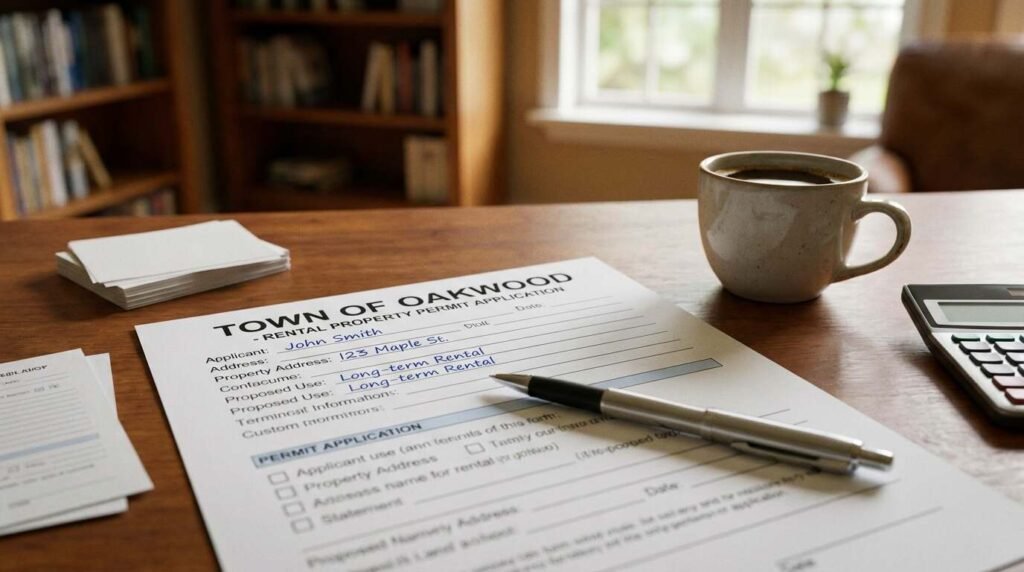
For anyone acquiring investment property with STR intent in Nassau County, I recommend getting a written opinion from the relevant village and town building departments on whether the specific property at its specific address can be operated as a short-term rental under current code — before signing a contract.
Is Now Still a Good Time to Buy an Income Property on Long Island?
It depends on which income model you’re buying into.
Short-term rental as a primary return driver in Nassau County carries meaningful regulatory risk, particularly in Hempstead Town’s territory, and requires careful permit diligence in any municipality. That’s not a dealbreaker for every buyer — owner-occupied rentals in compliant configurations still work — but it requires more specificity than the Airbnb boom years demanded.
The picture is somewhat different in Suffolk County, where STR regulation varies by town and several coastal communities still offer workable frameworks for seasonal rental income — though Southold, East Hampton, and others have moved toward tight caps and mandatory registration as well.
Long Island as a whole remains a market where rental demand — both short-term and long-term — is underpinned by real factors: proximity to New York City, limited new housing supply, persistent summer demand from the beach trade, and a permanent population base that generates steady conventional rental interest.
For investors who want income from Long Island property, the more resilient model right now is conventional long-term rental — 12-month leases, tenant-screened, operating within the normal landlord framework. That market is strong and doesn’t carry the regulatory exposure that STR does. It’s a different yield profile, but it’s a more defensible one in the current regulatory environment.
If you’re exploring investment property on the North Shore specifically, the commission structure and cost of ownership are things I cover in plain numbers here, and the tax implications for Long Island sellers are worth understanding early if you’re thinking about this as a medium-term hold.
Real estate markets change. This post reflects conditions as of May 2026. For current listings and market data, contact Pawli at Maison Pawli.
This is for informational purposes only — consult a licensed attorney or financial advisor for your specific situation. Short-term rental regulations vary by municipality and are subject to change; verify current local code before operating.
Sources
– New York State Short-Term Rental Registry Law — NYSAC Summary – How New York’s New Law Will Change Short-Term Rentals — North Country Public Radio – New York Airbnb and Short-Term Rental Regulations 2026 — Awning – Long Island Short-Term Rental Regulation Guide — BnbCalc – Town of Hempstead Short-Term Rental Regulation — BnbCalc – Nassau County Laws, Regulations & Codes — nassaucountyny.gov
You Might Also Like
– How Much Commission Do You Pay to Sell Your House on Long Island? The Honest Answer in 2026 – Capital Gains and the Long Island Home Sale: What Sellers Need to Understand Before They Price – Nassau County vs. Suffolk County: Which Should NYC Transplants Choose?