Why Long Island Homeowners Insurance Keeps Climbing — Even Away From the Flood Zone
Ask a North Shore homeowner what’s driving their insurance bill higher, and most will point to the water. FEMA’s remapped flood zones have made that connection unavoidable in recent coverage. But a homeowner sitting well above any flood line, miles from Long Island Sound, has watched their premium climb too — and flood risk has almost nothing to do with it.
The forces behind that increase are structural, not local, and understanding them changes what a homeowner can actually do about the bill.
The Numbers, Plainly
Industry data compiled by insurance agency Vanderbeck reports that Long Island home insurance rates have risen between 12 and 30 percent for typical policies in recent years, with some coastal renewals doubling outright. Property analytics firm Cotality projects roughly another 8 percent increase in 2026, followed by a similar increase in 2027. Those are projections, not guarantees — rate filings vary by carrier and county, and a homeowner’s actual renewal depends on their specific policy, claims history, and insurer. But the direction has been consistent for several years running, and nothing in the data suggests it reverses soon.

Reinsurance Is the Hidden Line Item
Few homeowners have heard of reinsurance, yet it may be the single biggest reason their premium keeps rising. Insurance companies buy their own coverage — reinsurance — to protect themselves against catastrophic losses. When reinsurance gets more expensive, that cost flows downhill to every policyholder, whether or not their own house has ever filed a claim. Long Island’s coastal exposure puts it among the most expensive reinsurance markets in the country, and pricing in that market has surged in recent years. A homeowner never sees this charge itemized on their bill. It’s baked into the number at the bottom regardless.
Rebuilding Costs More Than It Used To
Construction costs have climbed roughly 33 percent since 2020, and tariffs on imported building materials have added further pressure since. Insurers price a policy against what it would cost to rebuild the structure from scratch, not against its sale price — so as lumber, copper wiring, and roofing materials get more expensive, so does the coverage required to replace them. A house whose market value hasn’t moved much can still see its insurance premium climb, because the insurer is pricing a hypothetical full rebuild, not a sale.
The Housing Stock Itself Is a Factor
Long Island’s inventory skews older. Large swaths of housing stock date to the 1950s and 1960s, and older construction generally costs more to insure than comparable new construction — outdated wiring, aging roofs, and plumbing systems built to a different code all read as risk to an underwriter. One widely cited analysis from MoneyGeek found that a home built in 1980 costs roughly 26 percent more to insure than an equivalent home built in 2020. For North Shore buyers weighing a mid-century colonial against new construction, that gap belongs in the budget conversation alongside the purchase price.
Some Carriers Are Simply Leaving
A quieter trend compounds all of the above: several national insurers have pulled back from specific Long Island ZIP codes, either declining new business outright or tightening underwriting standards sharply enough to have the same effect. Fewer carriers competing for a policy generally means less pricing pressure working in the homeowner’s favor. This mirrors a pattern seen in other high-risk coastal states, where insurers have exited markets entirely rather than absorb mounting claims costs — Long Island hasn’t reached that extreme, but the early signs of carrier caution are visible in specific towns.
Weather Severity Adds Its Own Pressure
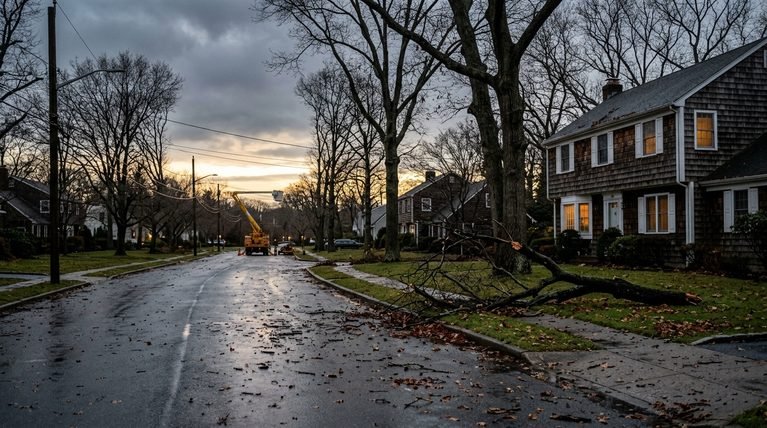
None of this discounts the water. Nor’easters, wind events, ice and snow loading, hail, and inland flooding — as distinct from coastal flood-zone risk — have grown more frequent and more expensive to adjust. Data from Verisk shows claim severity has increased more than 35 percent since 2019. That’s a measure of how much each claim costs once filed, not how often claims happen, and it applies to inland properties dealing with wind and ice damage just as much as it applies to homes near the shoreline. This is a distinct issue from FEMA’s flood zone remapping, covered in a previous post on the Suffolk County remap and what it means specifically for flood coverage — that map affects a separate policy (flood insurance, usually through the NFIP) from the standard homeowners policy discussed here.
What a Homeowner Can Actually Do
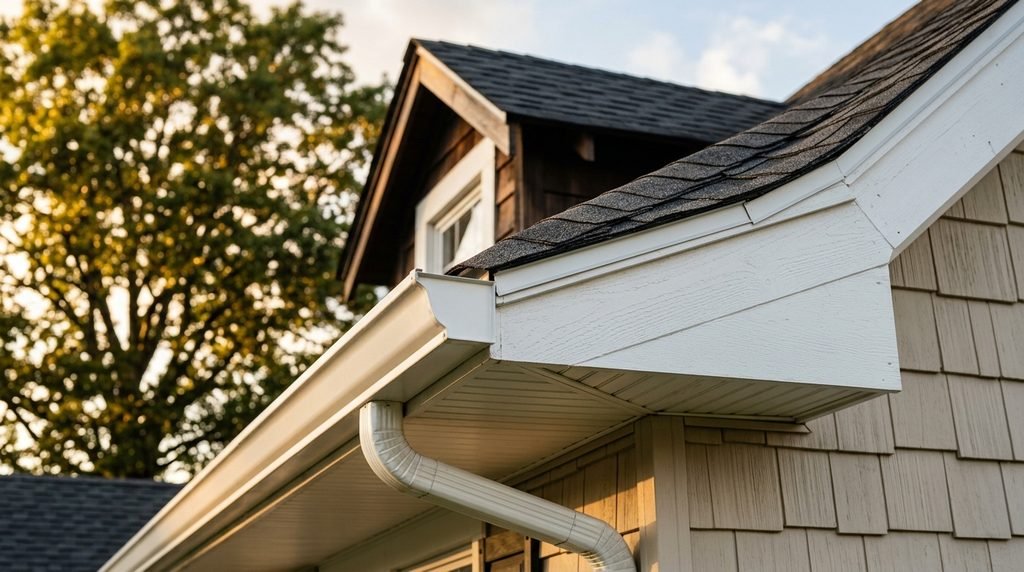
Little of the above is within an individual homeowner’s control. A few things are. Bundling homeowners and auto coverage with a single carrier still typically earns a discount. Raising a deductible lowers the annual premium in exchange for more out-of-pocket exposure at claim time — a trade worth running the numbers on rather than assuming. Home hardening — impact-resistant roofing, updated electrical panels, sump pumps with battery backup — can move the needle with some carriers, though not all insurers price these upgrades the same way, so it’s worth asking a specific carrier directly rather than assuming a universal discount. And shopping the policy every renewal cycle, rather than auto-renewing, remains one of the few defenses against a market moving in one direction.
For anyone currently weighing whether to sell rather than absorb rising costs, that’s a financial decision with real trade-offs on both sides, not a straightforward call either way.
This article is for informational purposes only and does not constitute financial or insurance advice. Insurance rates, underwriting criteria, and carrier availability vary by property and change frequently; homeowners should consult a licensed insurance agent for a quote specific to their property.
Real estate markets change. For current listings and market data, contact Maison Pawli at maisonpawli.com/about/.
Sources
- Why Long Island Home Insurance Rates Keep Going Up (2026 Guide) — Vanderbeck Agency
- The Complete Long Island Home Insurance Guide for 2026 — Vanderbeck Agency
- Best Long Island Homeowners Insurance Quotes (2026) — Insurify
- The Best Home Insurance in New York in 2026 — NerdWallet