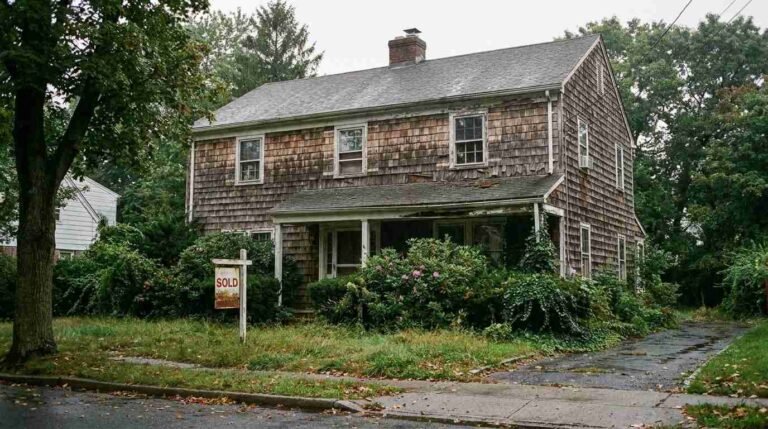
Home Inspection Day in New York: How Buyers Should Prepare

A home inspection runs two to four hours, involves a stranger with a flashlight and a ladder, and produces a report that can move a purchase price by thousands of dollars. Buyers who treat it as a formality waste most of its value. Buyers who arrive prepared come away with a clear repair list, a sharper negotiating position, and fewer surprises after closing.
In New York, the inspection is not automatic. It exists because the buyer’s attorney wrote it into the contract of sale, and it lasts only as long as the contract says it does.
What Albany Is Considering
The legal footing under buyer inspections has been in the news. The Right to Home Inspection Act, filed in the New York State Senate as S8729 and in the Assembly as A9629, was still sitting in the Judiciary committees as of October 10, 2026, according to the bill pages on nysenate.gov. WAMC reported on the push for change under the headline buyers lack protection for home inspections in New York.
For a buyer today, the practical meaning is simple. Until a bill becomes law, the right to inspect, the number of days allowed, and what happens when the report turns up problems all come from the contract itself. Bills in committee can change or stall, so the current status is worth rechecking on the nysenate.gov pages before relying on any of it.
Choosing the Inspector
Home inspectors in New York are licensed by the Department of State under the state’s home inspection professional licensing law, which the department publishes as a PDF. Confirm the license through the Department of State’s public license search before booking, and ask for a sample report. A report that runs 60 pages with photographs and plain-language summaries tells a different story than a six-page checklist.
Independence matters too. Agents often hand buyers a short list of inspectors they know, and many of those inspectors are excellent. A 2024 TikTok from a home inspector, covered by the Daily Dot under the headline inspector warns buyers against realtors, argues that buyers should choose their own inspector instead of defaulting to a referral. Whether or not every point in it applies, the habit of interviewing two or three candidates is sound.
@lpernas1995
The video above is from 2024 and reflects one inspector’s view. It is included for context, not as a statement about any agent or inspector in New York.
A Timeline That Works Backward From the Deadline
| When | What to do |
|---|---|
| Before the offer | Ask the agent for the seller’s property condition disclosure or credit statement and read it line by line. |
| Contract stage | Have the attorney confirm an inspection contingency exists, how many days it lasts, and what the buyer may demand if problems surface. |
| Within 48 hours of signing | Book the inspector and any specialists. Good ones fill their calendars quickly, and the contingency clock is already running. |
| Two days before | Confirm that water, electricity, and heating fuel or gas will be on, and that every area will be reachable. |
| Inspection day | Arrive on time, walk the exterior first, and stay for the full inspection. |
| Within a few days | Read the full report, not just the summary page. Gather contractor estimates for anything significant. |
| Before the contingency ends | The attorney negotiates repairs, credits, or a price change, or the buyer walks away, all inside the deadline. |
Missing that last date can erase leverage entirely, a point covered in what happens when buyers miss the contingency removal deadline.

The Day-Of Checklist
Most of the preparation is logistical, and most of the logistics belong to the seller’s side of the deal. The buyer’s agent or attorney can ask the listing side to handle these items ahead of time:
- Utilities on, including water, electricity, and any gas or oil service, with pilot lights lit.
- Clear access to the attic hatch, crawlspace, electrical panel, water heater, garage, and any outbuildings.
- Stored items moved away from the panel, furnace, and basement walls.
- Keys or codes for sheds, gates, and locked rooms.
On the buyer’s side, a short kit keeps the day productive: a notebook or phone for notes, a camera, a tape measure, a copy of the listing and disclosure, and a bright flashlight of your own. Arrive for the start, not the final hour. The most useful part of the day is the walkthrough at the end, when the inspector points at things and explains them out loud.
Long Island Add-Ons Worth Pricing Early
A standard inspection covers the visible, accessible systems of a house. Several Long Island issues sit outside that scope and usually require separate specialists, each with its own scheduling time and fee:
- Radon. The EPA’s action level is 4 pCi/L, and the CDC’s radon testing page explains how testing works. Local data and costs are covered in radon testing on Long Island.
- Oil tanks. Older homes may have buried or abandoned tanks, and the stakes are high enough that the topic has its own guide: oil tank discovery protocol.
- Septic systems and cesspools. A pumping and inspection by a specialist reveals tank condition, leach field health, and whether upgrades may be needed.
- Wood-destroying insects. Termite and carpenter ant inspections are separate from the general inspection.
- Sewer line camera scan. Useful for older properties with mature trees.
- Chimney and fireplace. A level two chimney inspection is more thorough than a visual check.
- Permits and certificate of occupancy. Inspectors do not verify permits, so unpermitted work is a question for the attorney, as covered in certificate of occupancy and unpermitted work.
Houses built before the 1950s deserve extra attention. The patterns that tend to show up in them are laid out in home inspection red flags in older Long Island housing stock.
Questions Worth Asking the Inspector
Which findings are safety issues, and which are maintenance? Safety items, such as electrical hazards, gas leaks, or missing handrails, belong at the top of any repair request. Maintenance items generally do not.
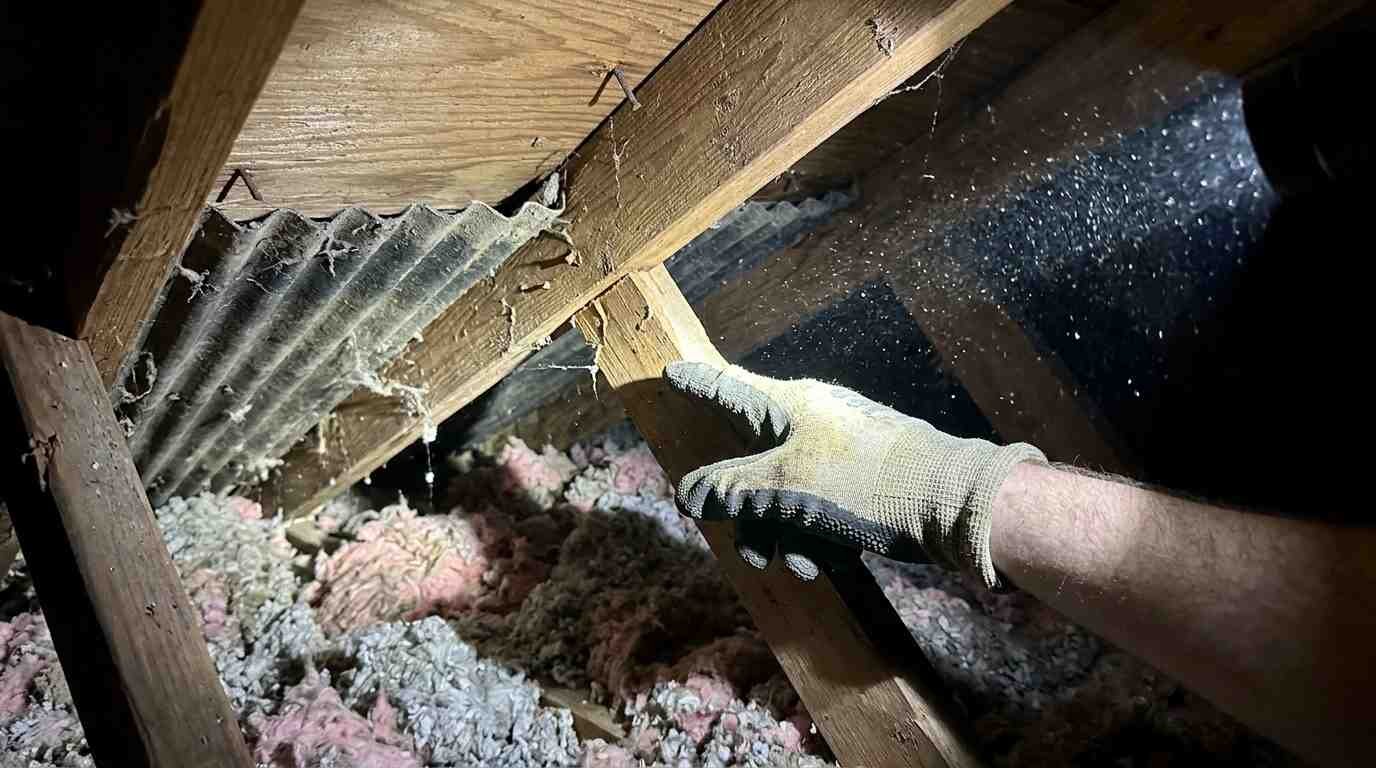
How much life is left in the roof, furnace, and water heater? Remaining service life is often more useful than a pass-or-fail rating, because it tells a buyer what to budget for after closing.
Is anything here a reason for a specialist? Inspectors flag foundation cracks, active moisture, and electrical panel concerns for further evaluation. A specialist’s written opinion carries more weight at the negotiating table.
What would you want fixed before moving in? The answer shapes the repair request and sets a realistic priority order.
What was not inspected, and why? Snow cover, locked areas, and blocked access all appear in the report as limitations. Each one is an open question.
Small Tools That Help Buyers Read a House
A buyer’s tools do not replace a licensed inspector. They give a buyer a second set of data points for showings and for the days after the inspection, and a way to follow the inspector’s explanations more closely. Ask permission before testing anything at a seller’s property, and treat every reading as a screening result rather than a finding.
- Klein Tools RT210 Outlet Tester — a plug-in receptacle tester that checks standard and GFCI outlets for common wiring problems. See it on Amazon (affiliate link)
- General Tools MMD4E Digital Moisture Meter — a pinless meter for scanning wood and drywall around windows, under sinks, and along basement walls for elevated moisture. See it on Amazon (affiliate link)
- Airthings Corentium Home Radon Detector 223 — a battery-operated digital detector that reports in pCi/L, suited to ongoing monitoring after a professional test establishes a baseline. See it on Amazon (affiliate link)
As an Amazon Associate I earn from qualifying purchases. A commission may be earned if you buy through this link, at no extra cost to you.
After the Report Arrives
Reports are long and alarming by design. A 40-item list on a 1960s Cape is normal, and most of it is minor. Sorting the findings into groups makes them manageable: safety, structural and water, major systems, and cosmetic. Contractor estimates for the first three groups turn vague worry into numbers an attorney can use.

From there, the attorney or agent negotiates, usually for a price reduction, a credit at closing, or repairs completed before closing. How to frame that request is covered in using the inspection report as a negotiating document. Buyers also sometimes feel pressure to drop the inspection entirely in competitive situations, and the risks of that are covered in what buyers risk by waiving the inspection contingency.
This is for informational purposes only — consult a licensed attorney or financial advisor. Contract terms, disclosure rules, and pending legislation all change, and the buyer’s attorney is the right person to confirm what applies to a specific purchase. The affiliate links above have been flagged for broker and attorney review.
You Might Also Like
- Historic Homes on Long Island: What Buyers Should Know
- Closing Costs on Long Island: A Buyer’s Breakdown
- Homeowners Insurance on Long Island: What Buyers Should Check Before an Offer
- The Appraisal Gap Addendum: A Negotiating Instrument for Buyers
Sources
- New York State Senate: S8729 (2025)
- New York State Assembly bill A9629 (2025), via nysenate.gov
- WAMC: Buyers lack protection for home inspections in New York
- NY Department of State: Home Inspection Professional Licensing Law (PDF)
- CDC: Radon testing
- The Daily Dot: Inspector warns buyers against realtors
- TikTok video referenced above