New York Home Inspections: What the State Standards Cover and Skip
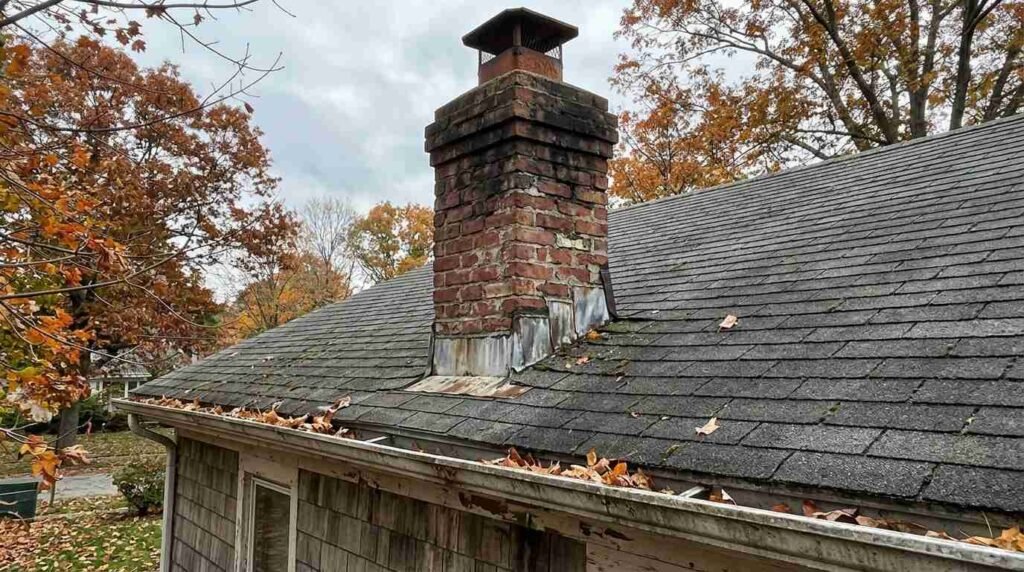
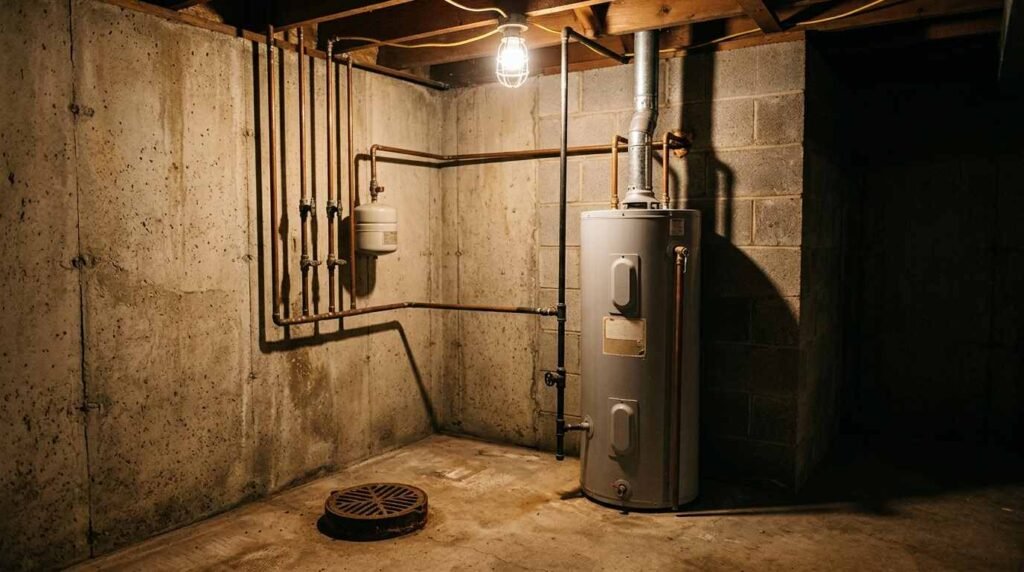
An inspector’s TikTok from December 2024 showed a house with a chimney that leans and curves, a shower pan finished improperly, and a water heater he judged too small for the whole home. The Daily Dot reported that the clip had passed 4 million views.
@inspector_preston · Watch on TikTok
The house is not on Long Island, and the video says nothing about New York law. What carries over is the pattern. A trained eye and a flashlight turn up problems that a buyer walking through at a showing never sees, and the buyer then decides what to do about them. In New York, the state sets how that inspection is performed and what it is allowed to leave out. The second list deserves as much attention as the first.
Who Can Inspect, and What the Buyer Gets in Writing
Anyone who inspects homes for pay in New York needs a license under Article 12-B of the Real Property Law, with exemptions for architects, engineers, and code officials working within their own professions. Getting that license takes a high school diploma, an exam, and either a 140-hour approved course (40 of those hours in supervised field work) or 100 supervised inspections, per Real Property Law § 444-e.
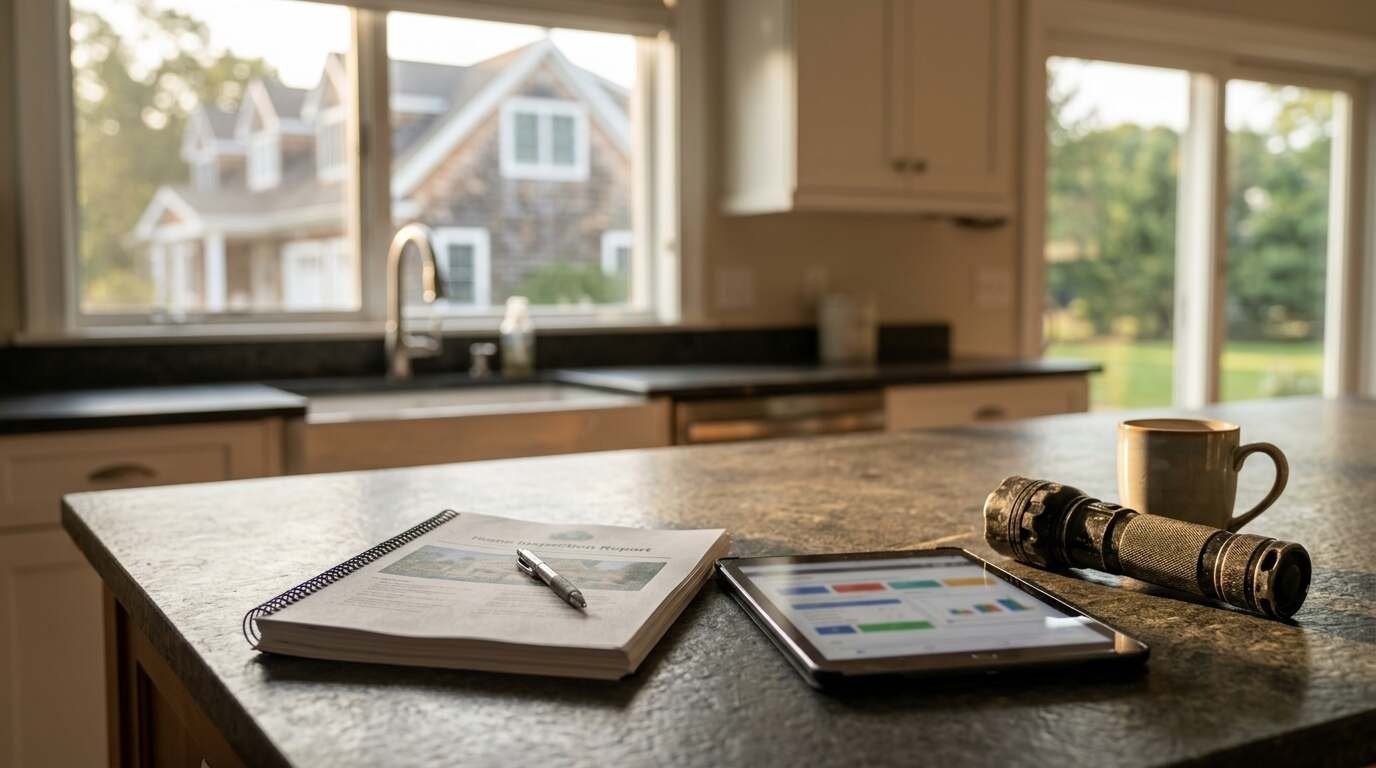
The paperwork has a set sequence. Before the inspection, the inspector must hand over a written agreement describing the scope of service and its cost. Afterward, a written report is due within five business days, carrying the inspector’s license number. Under the Department of State’s licensing law compilation, that report is confidential to the client, so what happens next with it is the buyer’s call. (How to use it at the negotiating table is covered in The Inspection Report as a Negotiating Document.)
What the State Standards Say Gets Inspected
The Standards of Practice in 19 NYCRR Part 197-5 set a floor, not a ceiling. Under section 197-5.3, inspectors report on “readily accessible, visually observable installed systems and components.” Any system or major component that was not observed has to be listed in the report, along with the reason.
| System | What the inspector must do | What the standards leave out |
|---|---|---|
| Structure | Observe and report deteriorated or damaged foundation, framing, floor, wall, ceiling, and roof structure | Concealed framing; the cause of any defect |
| Roof | Observe coverings, flashing, gutters, skylights, chimneys, and penetrations; state how the roof was observed | Walking the roof when unsafe; remaining life; number of layers |
| Plumbing | Observe supply and drain-waste-vent piping, fixtures, water heater, sump and ejector pumps, and active leaks; run fixtures | Septic systems and cesspools; underground drainage; water quality; shower-pan leak tests |
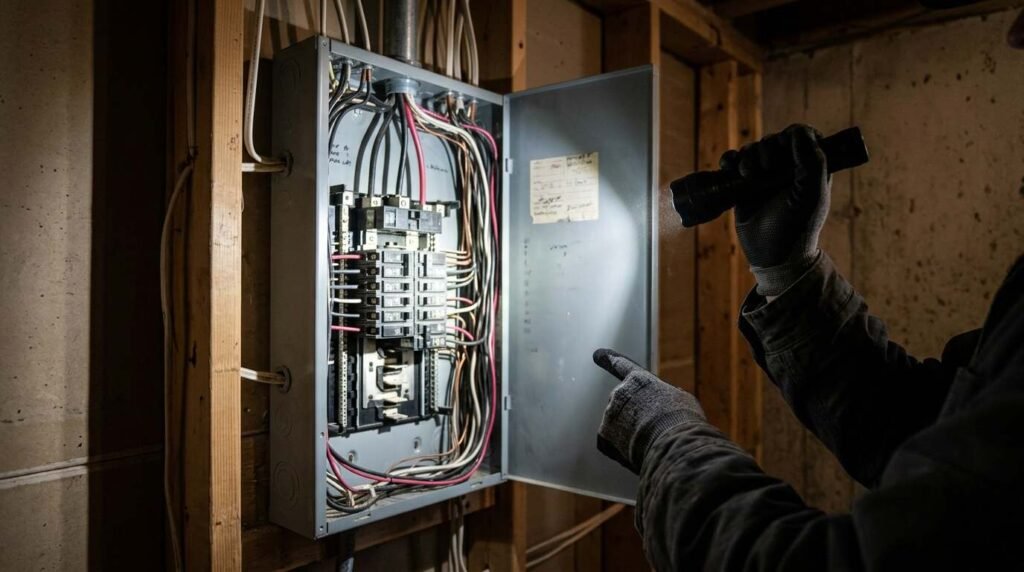
| Electrical | Observe service entrance, panel interiors, and a representative sample of outlets, switches, and GFCIs; note aluminum branch wiring and smoke and CO detectors | Testing every outlet; low-voltage wiring; solar equipment; standby generators |
| Heating | Run the system from the thermostat; observe visible flues, vents, and chimneys | Heat exchangers; the inside of chimney flues; equipment behind panels |
Separate sections of the same subpart cover air conditioning, interior, insulation and ventilation, fireplaces, and attics. Each follows the same visible-and-accessible rule.
What No Inspection Is Required to Find
Section 197-5.16 is the shortest route to a realistic expectation. The inspector is not required to:
- look behind walls, under floor coverings, or into concealed spaces
- enter underground items, including underground storage tanks
- identify asbestos, lead paint, mold, or wood-destroying organisms
- estimate how long a system has left
- determine why a condition exists or what a repair would cost
- report on past or present code violations
- advise whether to buy the property
The same section adds that the inspection is not “technically exhaustive.” Concealed conditions and latent defects fall outside it by design.
On Long Island, a few of those gaps recur. Buried heating-oil tanks are one, covered in Buried Oil Tanks on Long Island. Septic systems get their own specialist, and the rules and costs appear in Suffolk County Septic Systems in 2026. Radon is tested separately, with state data in Radon in Long Island Homes. Wood-destroying insects and mold each call for their own assessment as well.
How to Read the Report
Findings in a report tend to arrive in the same flat tone, whether the issue is a loose handrail or a failing panel. A sorting method keeps the weight where it belongs.
- Start with the scope pages. The list of items not observed, and the reasons given, shows where the inspection stopped. A locked crawl space or a shut-down system is a question still open, not a clean result.
- Sort every finding into four bins. Safety hazards come first, then major defects in structure, roof, electrical, heating, and water systems. Routine maintenance and cosmetic items form the third bin, and “further evaluation” the fourth.
- Treat a referral as a task. When the report recommends a specialist, such as a licensed electrician or chimney sweep, that visit still has to happen, and its findings may change the picture.
- Read the photos against the room. Each image has a location note. Matching those to the house shows whether a problem is isolated or repeated.
- Get quotes before conversations. The inspector is not required to estimate repair costs, so figures have to come from contractors.
The Disclosure Statement Is a Different Document
Buyers also receive a Property Condition Disclosure Statement from the seller, and the two documents answer different questions. Since March 20, 2024, the statement has been mandatory. According to the Long Island Land Use and Zoning blog, the amendment ended the old option of giving the buyer a $500 credit instead, and added questions about floodplain status, flood insurance, past flood claims, and elevation certificates.
Sellers answer from actual knowledge and may mark items unknown. The form itself says it is not a warranty and does not replace an inspection under Real Property Law § 462, and a seller is liable only for a willful failure to comply under § 465. Larry Ames of the New York State Association of Home Inspectors told public radio that sellers can mark many items unknown, which in his words means “you don’t have much protection.”
The Waiver Question in Albany
Market conditions have also pushed some buyers to give up the inspection entirely. Buffalo Toronto Public Media, citing National Association of Realtors figures, reported that nearly a quarter of buyers waived inspections in 2024. Ames described insurers sending their own inspectors after closing and demanding major repairs on short deadlines.
A bill to bar waiver requirements, Senate Bill S5772, carries a “stricken” status as of April 15, 2026, per the state Senate’s page. Its Assembly counterpart, A4883, was referred to the Assembly Judiciary Committee on January 7, 2026. Both statuses were checked October 9, 2026 and can change.
Common Questions
Does a New York home inspection cover the septic system? No. The standards do not require inspectors to evaluate septic tanks, cesspools, drain fields, or the underground piping connected to them.
Does the inspector have to climb onto the roof? No. Roof access is not required when it could damage the roofing or endanger the inspector, so the report must state how the roof was observed.
Who can see the inspection report? The client decides. State law makes the report confidential and bars disclosure without the client’s consent.
Can an inspector say whether to buy the house? The standards say inspectors are not required to advise on that. The decision rests with the buyer and their advisors.
This is for informational purposes only — consult a licensed attorney or financial advisor for your specific situation. Regulations and bill statuses change; confirm current text before relying on it.
Real estate markets change. For current listings and market data, contact Maison Pawli at maisonpawli.com/about/.
You Might Also Like
- Home Inspection Red Flags on Long Island’s Older Housing Stock
- The Inspection Contingency Is Not a Formality
- The Insurance Quote Comes Before the Offer
- Certificate of Occupancy on Long Island
Sources
- Daily Dot, inspector TikTok coverage (December 10, 2024)
- Original TikTok by @inspector_preston
- WSHU/BTPM, “Buyers lack protection for home inspections in New York” (September 24, 2025)
- 19 NYCRR § 197-5.3, Minimum requirements
- 19 NYCRR § 197-5.5, Structural systems
- 19 NYCRR § 197-5.7, Roof systems
- 19 NYCRR § 197-5.8, Plumbing system
- 19 NYCRR § 197-5.9, Electrical system
- 19 NYCRR § 197-5.10, Heating system
- 19 NYCRR § 197-5.16, Limitations and exclusions
- NY Department of State, Home Inspection Professional Licensing Law (March 2026)
- NY Real Property Law § 444-e
- NY Real Property Law § 462
- NY Real Property Law § 465
- NY Senate, Bill S5772 (2025-2026)
- NY Assembly, Bill A4883 (2025-2026)
- Long Island Land Use and Zoning, mandatory property condition disclosure (February 2024)