How to Prepare Your Home for an Open House on Long Island

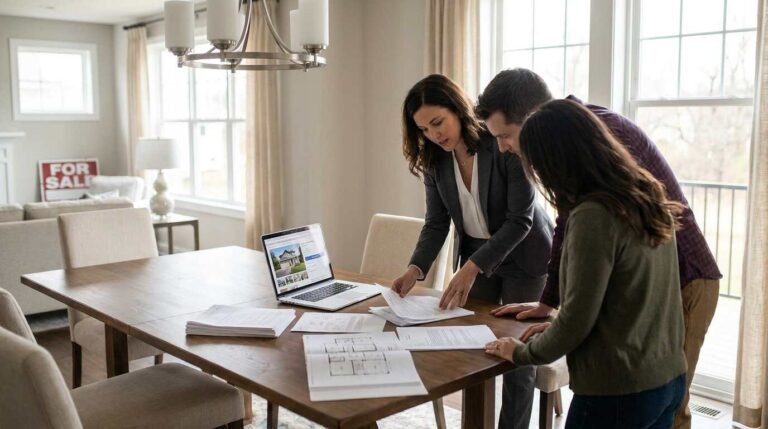
Open houses are not where most buyers begin. Figures that HomeLight reports from NAR’s 2026 Home Buyers and Sellers Generational Trends put the share of buyers who started at an open house at 3 percent, and the share who found their eventual home through an open house sign at about 5 percent. Numbers that small argue for treating the event as one carefully run afternoon, because the people who do walk in are the ones the preparation is for.
What follows is a countdown from a week out to the minute after the last visitor leaves, adjusted for Long Island in October: leaves on the walkway, a sun that sets earlier every week, clocks that change on Sunday, November 1, village streets with room for two or three cars, and basements that visitors open whether or not the owner expects it. Whether to hold a public event at all, or start with an agent-only preview, is a separate question covered in the broker open versus public open house comparison.
- Seven days out: edit the house down and fix the small things.
- Five days out: the exterior, the walkway and the parking.
- Three days out: light, closets, basements and bathrooms.
- The day before: deep cleaning, odors and a hands-off rule.
- Two hours before: lights, air, pets, trash and the doorway check.
- During the event: where the owner goes and what the agent handles.
- Afterward: locking up and checking that everything is where it was left.
Seven days out: edit the house
The National Association of Realtors’ 2025 Profile of Home Staging, published in May 2025, gives a fair picture of what agents ask sellers to do first. Among sellers’ agents who responded, 91 percent recommended decluttering, 88 percent a full-house clean and 77 percent better curb appeal. The same report asked which rooms matter most to buyers: the living room led at 37 percent, the primary bedroom followed at 34 percent and the kitchen at 23 percent. Effort belongs in that order, with the guest bedroom last. The survey drew 1,266 usable responses from Realtors, a 2.5 percent response rate, so it reflects agent opinion rather than a count of closed sales.
Decorators tend to put the target for clearing surfaces higher than owners expect. HGTV’s staging coverage, written by designer Sabrina Soto, suggests removing about half of a home’s belongings before showings, and HomeLight quotes interior decorator Julie Dana with a similar figure. Photos of the family, children’s art, collections and the pile of mail by the door all go. Boxes belong in a storage unit or a garage corner that is itself tidy, since garages get opened too.
This is also the week for repairs a visitor would notice in under a minute: a dripping faucet, a door that sticks, a cracked outlet cover, a loose railing. Anything known about the property that a buyer would want disclosed is a different matter from cosmetic work, and the legal side of presentation is laid out in posts on the disclosure doctrine at the open house and on where staging crosses into misrepresentation. The three-weekend version of the editing process, room by room, is in the declutter sprint.
Five days out: the outside
Visitors form an opinion in the driveway. October adds work that a spring listing would not have: leaves on the walkway, in the gutters and packed against the foundation plantings, plus the first dead growth on borders and containers. The fall maintenance checklist covers gutters and drainage in detail. For the open house itself, the visible list is short and specific.

- Rake and bag leaves, then sweep the front walk and steps down to bare surface.
- Wash siding, walkways and windows. HGTV’s guidance includes cleaning exterior windows and screens, and near the Sound a salt film on glass is common; the salt spray staging post explains what to look for.
- Repaint a tired front door and replace outdated or broken exterior light fixtures.
- Check that house numbers are legible from the street, a point HGTV’s list raises directly.
- Swap a worn welcome mat for a clean one.
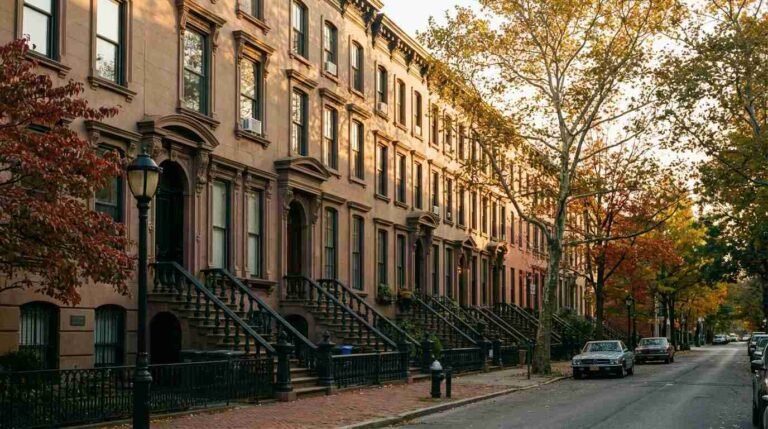
Parking deserves a decision rather than an assumption. On narrow village streets, the owners’ own cars can take the spaces visitors need, so moving them to a driveway, a garage or a friend’s house frees curb room. A heads-up to neighbors that traffic will be heavier for a few hours is a courtesy.
Three days out: light, closets and the rooms nobody plans for
Lighting is the cheapest improvement in the house. Every lamp and fixture should work, bulbs within a room should match in color temperature, and a burned-out bulb in a closet or hallway reads as neglect. Blinds and curtains that stay open all day keep rooms from looking smaller than they are. Early sunsets make this more important each week through the fall, which is why the scheduling decision matters: an afternoon event ends in daylight only for a short window once the clocks go back.
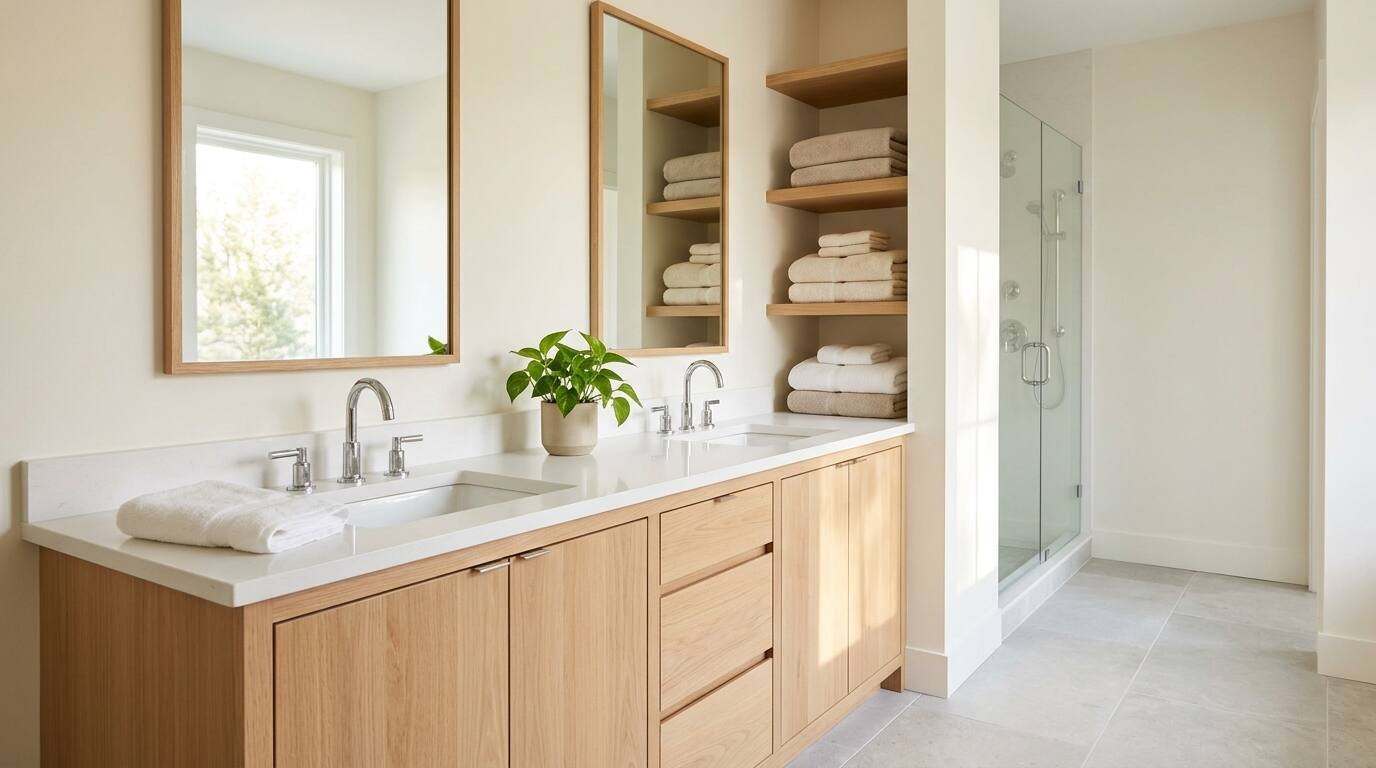
Closets, cabinets and drawers get opened. Half-empty is the goal for closets, and a pantry or bathroom vanity with visible gaps shows storage better than a full one. In the kitchen, a few items on the counter are enough. In bathrooms, fresh neutral towels and a bare tub edge matter more than any decorative object.
Basements and crawl spaces get opened at most showings. A dehumidifier started a few days ahead helps if the space smells damp, and stored items belong on shelves rather than on the floor. If an older furnace, a sump pump or a utility area is visible, it should be clean and accessible.
The day before: clean, then leave it alone
The deep clean covers what a quick tidy misses: ceiling fans, baseboards, interior window glass, mirrors and floors, all of which appear on HGTV’s list, plus the oven and refrigerator interiors. Odors are the other task, and they come from the trash, the litter box, the dishwasher filter, damp towels and the previous night’s dinner. Strong cooking smells from the day before are better skipped. A neutral scent is plausible; a heavy one is a mistake HomeLight specifically lists, since buyers may suspect it is covering something. More on how sound, smell and the first impression work together is in the sensory staging post.
After the cleaning is finished, the house should stay that way. Everyone who lives there uses the back door, the powder room and one coffee mug until morning.
Two hours before the doors open
- Turn on every interior light and the exterior lights, including porch and walkway fixtures.
- Open windows for a few minutes if the weather allows, then close them so the temperature settles.
- Move pets out of the house. NAR’s seller safety guidance notes that owners can be held liable if a visitor is hurt by a pet, and animals also affect how rooms feel.
- Empty trash and recycling and put bins out of sight.
- Lock away bills, mail and anything with personal information on it.
- Stand in each doorway and look at the room the way a visitor will. Whatever draws the eye first and doesn’t belong gets moved.
- Confirm with the listing agent who is placing signs and where. Temporary sign rules differ by town and village, and the agent should check them before the day.
During the event: the owner is elsewhere
The owner leaves. NAR’s seller safety page advises that sellers should not show the home alone and should refer questions from agents or buyers to the listing agent, and HomeLight’s list of common mistakes includes staying home. Visitors can look closely and talk openly without the owner in earshot, and the agent can answer questions directly.
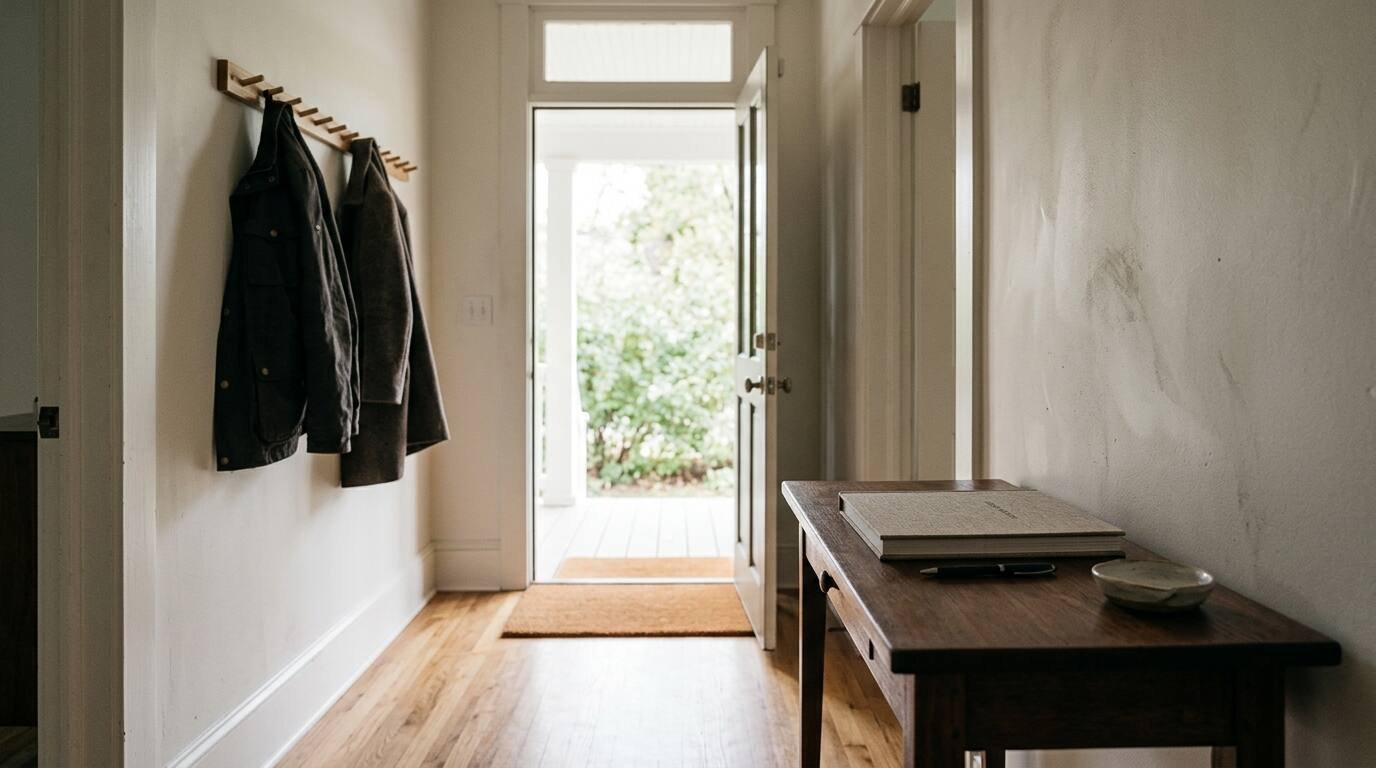
In New York, the agent’s side of the event includes a legal piece. The Department of State’s fair housing guidance for licensees says the Fair Housing and Anti-Discrimination Notice must be displayed at each open house under 19 NYCRR § 175.29. Owners do not run this, but they should expect to see it and should not be surprised by it. Fair housing also governs conversation: the agent describes the house, the lot, the costs and the commute, and treats every visitor the same way. Comments about who lives nearby or who the neighborhood is “for” have no place in a showing, and an owner who volunteers them can create problems for the agent and the sale.
Safety planning is the agent’s job as well, but owners can prepare for it. A second person at the door, a sign-in sheet, and a rule that no one stays alone in a bedroom, basement or other small space are standard recommendations in AAA Northeast’s open house safety piece. NAR’s seller page, which is an archived 2012 document that says its information may no longer be current, warns about groups arriving near the end of an event: “a group of thieves will show up together,” with one person distracting the agent. That advice is old, and it still describes a pattern worth knowing about.
Valuables, medications and paperwork
Both NAR and AAA recommend removing small, easily pocketed valuables before an open house: jewelry, cash, collectibles, spare keys and small electronics. Prescription medications come out of bathroom cabinets, because NAR notes they can attract theft. Bills, bank statements, checkbooks and passports should be put away, and laptops and tablets should be locked up or taken along. AAA also suggests recording valuables with photos, receipts or appraisals so that an insurance claim can be supported if something goes missing. Homeowners can ask their insurer how a policy treats theft during a showing.
A few simple supplies make this part easier:
- Vaultz Medicine Box. A steel box with a three-digit combination lock, sized for prescription bottles and small valuables that need to be locked away before visitors arrive. See it on Amazon (affiliate link)
- Vaultz Medicine Case. A smaller portable locking case with a three-digit combination, useful for papers, keys or a few bottles when a full box is more than the situation needs. See it on Amazon (affiliate link)
- Febreze Plug Linen and Sky oil refills. Refills for a plug-in unit that can run a few days before the event for a light background scent, applied sparingly given the heavy-scent warning above. See it on Amazon (affiliate link)
As an Amazon Associate I earn from qualifying purchases. A commission may be earned if you buy through this link, at no extra cost to you.
After the last visitor leaves
Doors and windows get locked before anything else, including the garage, the cellar door and any shed, since thieves can scout a property during an event and return later. Then comes a room-by-room check against the valuables inventory, followed by the garage and the yard. Anything out of place, a window found unlatched or a missing item is reported to the agent right away, and to the police and insurer if something is gone.
Feedback comes through the listing agent, who will have a sign-in list and notes on what visitors said. Comments that repeat across several visitors are the ones worth acting on before the next showing. The seller’s timeline from listing to closing is mapped out in the North Shore seller’s timeline.
Common questions
Should the owner stay home? Not according to NAR’s seller safety guidance or HomeLight’s list of common mistakes. A homeowner who stays also becomes one more person for the agent to manage during the event, and NAR’s guidance is that questions go to the agent.
What time of day works best? HomeLight describes weekends as the common choice, with afternoons working well and weekday events sometimes drawing more serious buyers. On Long Island in the fall, daylight at the end of the event is the practical constraint.
Does every room need staging? NAR’s survey points to the living room, the primary bedroom and the kitchen as the spaces buyers say matter most, so effort is best spent there first.
Does holding an open house change what must be disclosed? No. Disclosure duties depend on the property and the transaction, not on the type of showing. A licensed New York attorney can answer questions about a specific house.
Local television has also covered the topic. News 12 Long Island ran a segment in October 2025 on staging a home for a quick sale, featuring a broker from Daniel Gale Sotheby’s International Realty.
This is for informational purposes only — consult a licensed attorney or financial advisor for your specific situation.
You Might Also Like
- What Buyers Should Actually Be Looking For at an Open House on Long Island
- Staged to Deceive: When Open House Presentation Crosses the Line From Strategy Into Fraudulent Concealment
- Selling This Fall After the September Nor’easter, With Mortgage Rates Above 7%
- The Hidden Costs of Selling Your Home That No One Tells You About
Real estate markets change. For current listings and market data, contact Maison Pawli at maisonpawli.com/about/.
Sources
- National Association of Realtors, NAR Report Reveals Home Staging Boosts Sale Prices and Reduces Time on Market (2025 Profile of Home Staging, May 2025)
- National Association of Realtors, Safety Tips to Share With Sellers (archived page, 2012; may not reflect current guidance)
- AAA Northeast, Open House Safety (undated)
- HomeLight, How to Prepare for Your Open House: 23 Simple Steps to Success (July 14, 2026), including figures HomeLight attributes to NAR’s 2026 Home Buyers and Sellers Generational Trends
- HGTV, How To Prepare for an Open House (undated)
- New York Department of State, Fair Housing Guidance for Real Estate License Holders
- News 12 Long Island, How to Stage Your Home for a Quick Sale (October 7, 2025)