Navigating Boerum Hill, Brooklyn: A Resident’s Ledger of Property Rights, Neighbor Disputes, and What the Zoning Map Actually Says
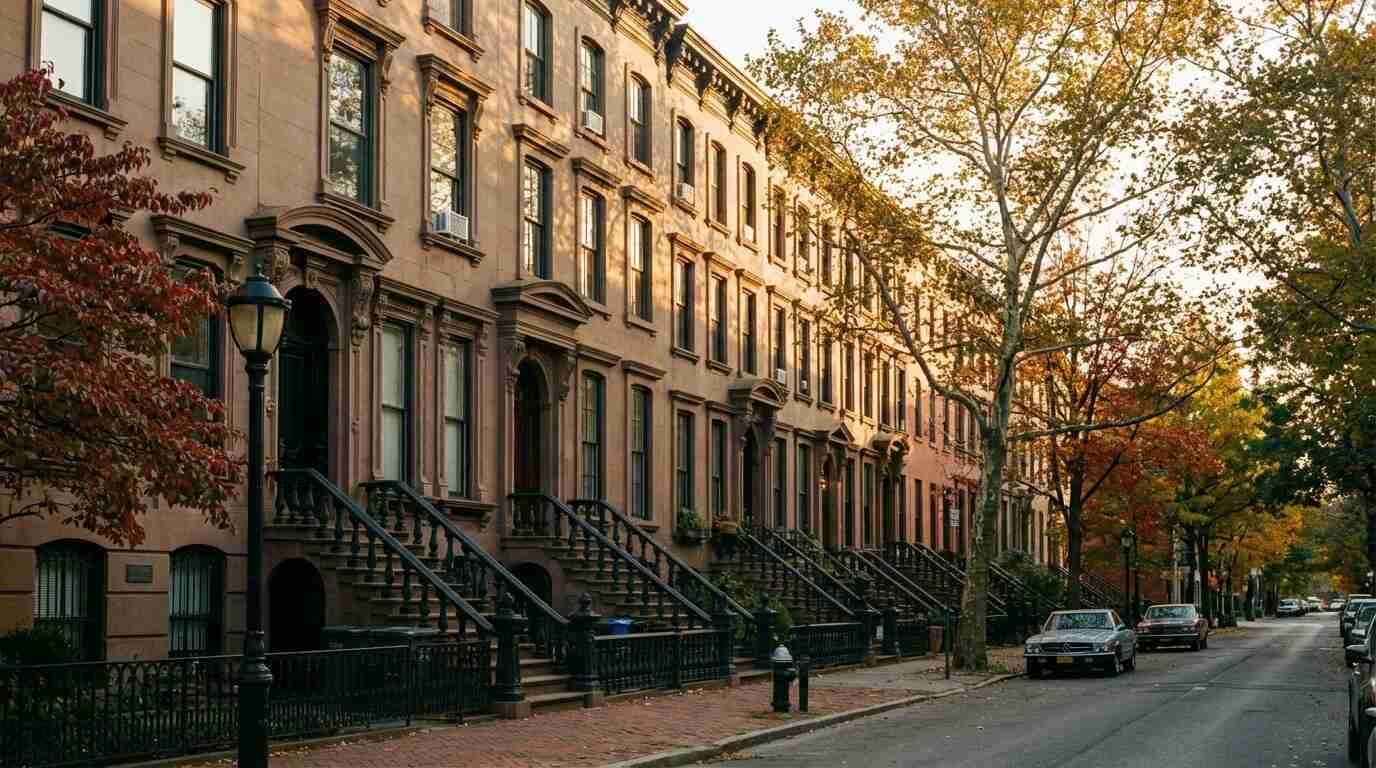
Boerum Hill announces itself in increments. You come south on Smith Street from Atlantic Avenue, the brownstones thicken, the blocks quiet, and somewhere between Pacific and Dean you realize you’ve entered one of Brooklyn’s most precisely governed residential enclaves — a neighborhood where the legal framework governing what you can build, renovate, and even paint is as much a part of the address as the zip code.
I’ve worked with buyers across markets, and what consistently strikes me about Boerum Hill is how few of them understand what they’re buying into before they close. The property is beautiful. The block is extraordinary. The documents that govern it are rarely discussed until something goes wrong.
The Historic District and What It Governs
The Boerum Hill Historic District was designated by the New York City Landmarks Preservation Commission in 1973. The designation report — a public document available through the LPC — defines the district’s geographic boundaries, characterizes the contributing architectural resources, and establishes the basis for the Commission’s jurisdiction over exterior alterations.
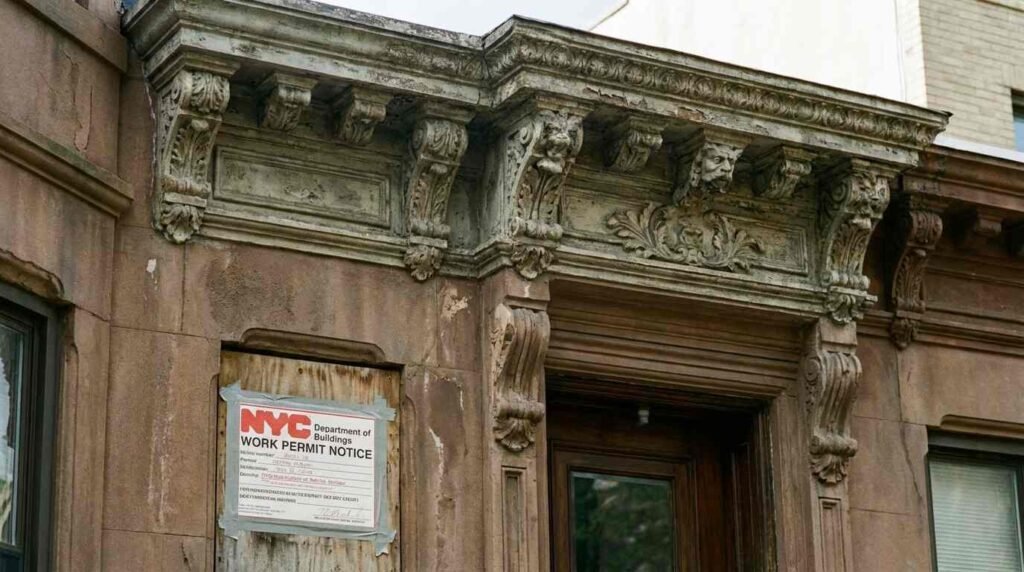
Within the district, any alteration to a landmark building’s exterior that is visible from a public thoroughfare requires a Certificate of Appropriateness from the LPC before a Department of Buildings permit can issue. This is not a courtesy review. It is a jurisdictional prerequisite. Owners who pull permits without LPC approval — or who undertake work without any permit — face stop-work orders, mandatory restoration requirements, and civil penalties.
The Certificate of Appropriateness process involves LPC staff review, and for significant alterations, public hearing before the full commission. Approval timelines range from weeks to months depending on complexity and the commission’s calendar. Buyers planning renovations — particularly window replacements, door alterations, facade repointing, or rooftop additions — should budget both the time and the professional fees required by this process.
R6B Zoning: What the Resolution Actually Permits
The R6B zoning designation that covers much of Boerum Hill is governed by the NYC Zoning Resolution, Article II, Chapter 3. R6B is a contextual residence district — meaning its regulations are designed to preserve the scale and massing of the existing built environment rather than permit development that would disrupt the streetwall.
The practical effect for buyers and owners: maximum base height of 40 feet with a maximum building height of 50 feet, a sky exposure plane that limits upper-story massing, and floor area ratio (FAR) regulations that govern how much of a lot’s area can be built upon. For buyers purchasing a three- or four-story brownstone with visions of a rooftop addition, R6B’s height limits and sky exposure plane requirements are the first documents to consult.
Permitted uses in R6B are residential only, with limited community facility uses. Home occupation provisions govern the parameters of working from home — a consideration that has become significantly more relevant since 2020. The NYC Department of Buildings’ Building Information System (BIS), searchable by address, shows the recorded use, any open violations, and the history of permitted work on any parcel.
The Lot Line and the BIS Record
Boerum Hill’s rowhouse stock was built in the 1840s through 1880s on lots that have been subdivided, combined, and altered over nearly two centuries. NYC ACRIS — the city’s automated city register information system — allows any buyer or attorney to pull the complete chain of title for any parcel, including recorded easements, restrictions, and party wall agreements.
Party wall agreements are particularly relevant on rowhouse blocks. The shared wall between attached brownstones is typically governed by recorded agreements that specify each owner’s maintenance obligations and rights. In the absence of a recorded party wall agreement, New York property law applies default rules — but the default rules are not always what either neighbor expects. Buyers should confirm the party wall arrangement before closing on any attached rowhouse.
The BIS record will also disclose open violations — including landmark violations, zoning violations, and building code violations. An open violation that the seller has not disclosed is both a disclosure failure and a potential obstacle to financing, since some lenders require violation clearance as a condition of commitment.

Certificate of Appropriateness in Practice
For buyers who intend to renovate — and in Boerum Hill, most buyers intend to renovate — understanding the COA process before closing is not optional, it is diligence. The LPC’s published guidelines identify preferred and discouraged materials and configurations for the district’s predominant architectural styles. Replacement windows in aluminum or vinyl, for example, are typically not approved in wood window openings — wood-clad or true wood replacement units are required. Rooftop additions must be set back from the primary facade and typically must not be visible from the street level.
The LPC does not approve work retroactively. Work undertaken without a COA that required one will face an enforcement proceeding, potentially requiring restoration to prior condition at the owner’s expense. For buyers purchasing a property with unpermitted work — visible or otherwise — the BIS record and a conversation with a landmarks attorney before closing is essential.
What This Means for the Buyer
Boerum Hill is one of Brooklyn’s most stable and consistently appreciated residential markets, and the regulatory framework is part of why. The LPC designation limits the supply of new construction and prevents the scale disruptions that have transformed other Brooklyn neighborhoods. Owners who understand and work within the regulatory environment find that the process, while occasionally slow, produces results that are aesthetically consistent with the neighborhood’s exceptional character.
Buyers who close without understanding what the R6B resolution permits, what the LPC designation requires, and what the ACRIS record contains will discover these things eventually — usually at a moment that costs more than due diligence would have.
This post is for informational purposes only and does not constitute legal advice. NYC Landmarks Preservation Commission requirements, zoning regulations, and Department of Buildings rules are subject to change. Consult a licensed real estate attorney and landmarks consultant for guidance specific to any property.
Sources:
- NYC Landmarks Preservation Commission, Boerum Hill Historic District Designation Report (1973): https://www.nyc.gov/site/lpc/designations/designation-reports.page
- NYC Zoning Resolution Article II, Chapter 3: https://zr.planning.nyc.gov/article-ii/chapter-3
- NYC Department of Buildings Building Information System: https://www.nyc.gov/site/buildings/index.page
- NYC ACRIS: https://a836-acris.nyc.gov/CP/