The Broker Open vs. the Public Open House: What Sellers Should Know About Each

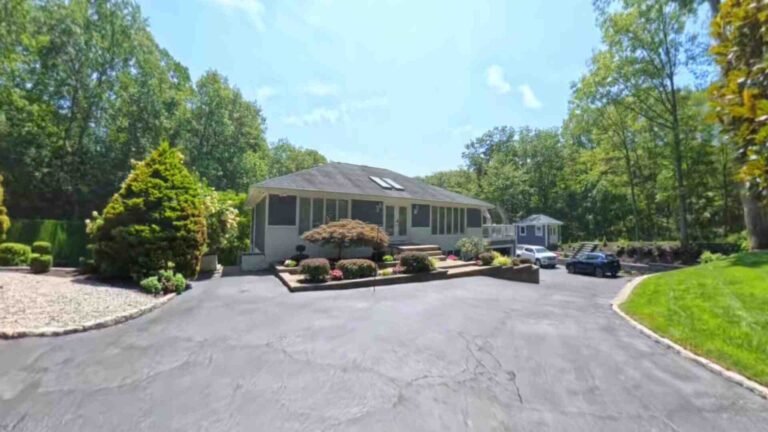
A few months ago I listed a colonial in Port Jefferson that had been sitting — not on the market, just sitting in the owner’s mind — for almost a year before she called me. She had done everything right on paper. The kitchen was updated, the landscaping was sharp, and the price was fair for the comps. Her previous agent had scheduled three consecutive Sunday open houses, posted them on Zillow and Realtor.com, and waited. Sixty-three people signed in over those three weekends. Zero offers.
When I took the listing, I did one thing differently before we did anything else. I held a broker open on a Tuesday afternoon. Twelve agents walked through in ninety minutes. Within a week, three of them brought clients for private showings. We were under contract in eighteen days.
The difference was not the house. The difference was the audience.
Most sellers I work with on the North Shore understand that an open house is part of the marketing plan. But most of them think there is only one kind — the Saturday or Sunday afternoon event where anyone can walk in. There are actually two distinct tools in the open house arsenal, and understanding the difference between them is one of the most underrated strategic decisions a seller can make.
What a Broker Open Actually Is
A broker open — sometimes called a broker’s open house, a broker preview, or a caravan — is a private event held exclusively for licensed real estate agents. No members of the public attend. No curious neighbors. No lookers who saw your sign on the way to brunch.
It is typically scheduled on a weekday, often midweek, usually within the first few days of a listing going live. The duration is shorter than a public open house — often sixty to ninety minutes. Your listing agent invites buyer’s agents from across the area, sometimes with coffee and light refreshments, sometimes with nothing more than the MLS listing and a well-staged house.
The purpose is not to find a buyer directly. The purpose is to put your home in front of the professionals who already have buyers looking.
Think of it this way: a public open house casts a wide net. A broker open puts the bait directly in front of the fish that are already hungry.
What a Public Open House Actually Does
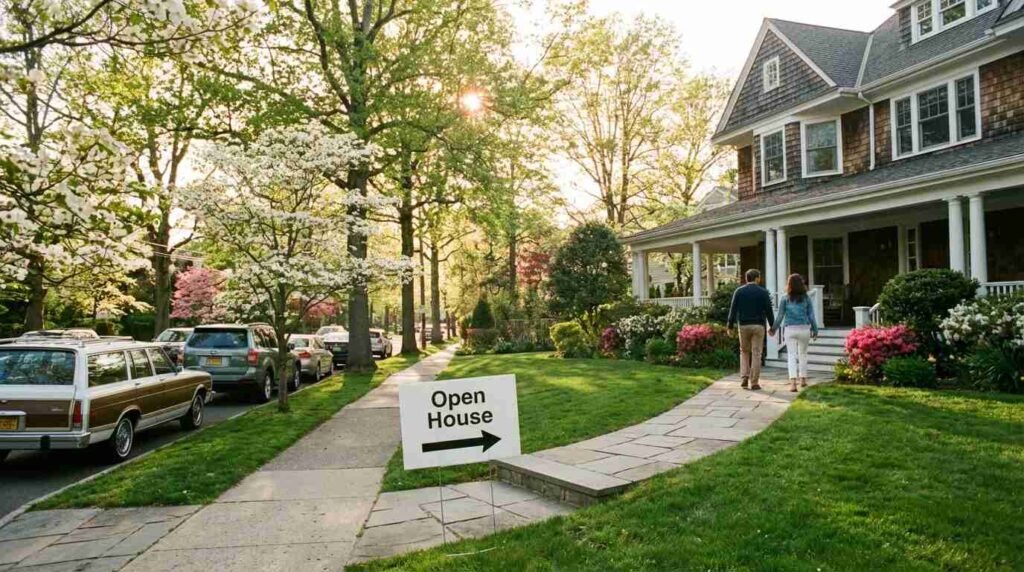
A public open house is the event most sellers picture — an afternoon window, usually on a weekend, when anyone can walk in and tour the property. Your agent hosts, answers questions, gathers contact information, and presents the home in its best light.
Public open houses attract a range of visitors. Some are pre-approved buyers actively searching in your price range. Some are neighbors satisfying their curiosity. Some are buyers who are not yet working with an agent and are using open houses as their primary search method — and these, incidentally, are often some of the most motivated visitors in the room.
The value of a public open house is volume and visibility. It creates foot traffic, generates social media content, and puts your listing in front of people who might not have found it otherwise. It also creates a sense of marketplace activity — when multiple buyers tour the same home on the same afternoon, the psychological effect is real.
I have written about how sensory staging works in those first eight seconds — and everything in that piece applies here. The public open house is where staging earns its money.
The Strategic Sequence: Broker Open First, Public Open Second
This is where most listing agents either get it right or leave money on the table.
The broker open should come first — ideally within the first three to five days of listing. Here is why.
When buyer’s agents preview your home at a broker open, they are evaluating it with professional eyes. They know the market. They know what is overpriced and what is underpriced. They know which of their active clients this home might suit. And — critically — they will tell your listing agent what they think.
That feedback loop is one of the most valuable things a seller can get in the first week of a listing. If three agents independently mention that the master bath feels dated, you know what is landing and what is not. If five agents say the price is sharp and the condition is excellent, you know you are positioned correctly. This intelligence arrives before the public ever sees the house, which means you can adjust — staging, price perception, marketing language — before the wider market forms an opinion.
I covered the stakes of pricing psychology and what the appraisal record shows about charm pricing — the broker open is where that pricing hypothesis gets its first real-world test.
After the broker open, the public open house follows — usually the first weekend after listing. By this point, your agent has already generated agent-to-agent interest, potentially lined up private showings, and received professional feedback that sharpens the presentation.
What Each Event Requires From You
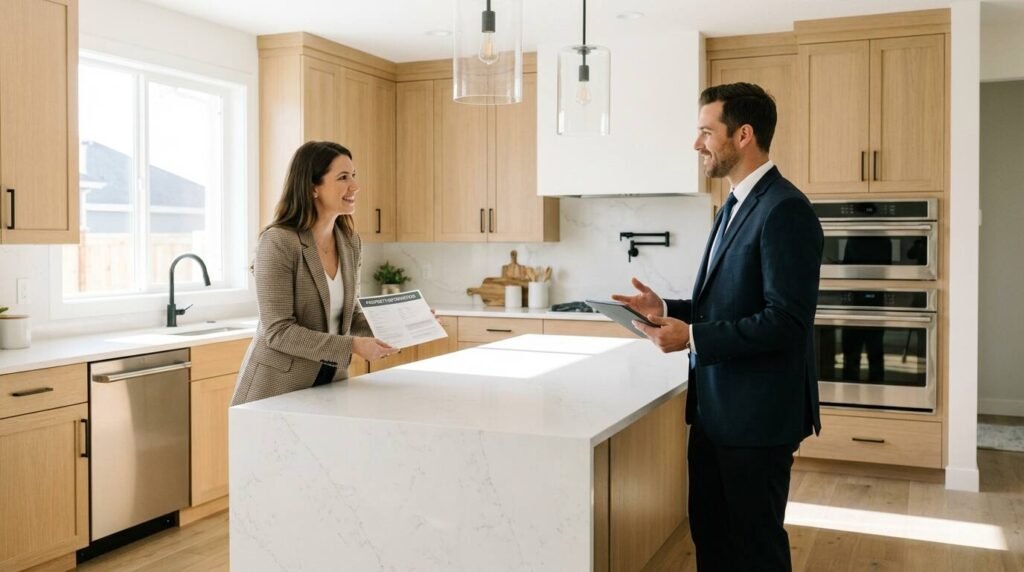
For a broker open, the preparation is the same as for any showing: the home should be clean, decluttered, and staged. You and your family (and your pets) should be out of the house. But you do not need to worry about curb-appeal theatrics the way you would for a public event. Agents are not there for the cookies. They are there to evaluate the property, the condition, and the price.
For a public open house, the stakes of presentation are higher. This is where decluttering like you mean it pays dividends. The house should be immaculate, well-lit, and free of personal artifacts that distract from the space itself. Your listing agent should have professional photography, a property sheet, and the ability to answer every question a buyer might ask — from the age of the HVAC system to the school district boundaries.
A point I make to every seller I work with: the agent at the open house represents you. Everything they say, everything they fail to say, and everything the presentation communicates is a reflection of your listing strategy. Since New York’s amended PCDA took effect in March 2024, sellers of one-to-four-family residences must complete a Property Condition Disclosure Statement before a buyer signs a contract. That disclosure obligation is not something to manage reactively — it is something your agent should have prepared for well before the first open house, broker or public.
I wrote about the legal dimensions of this in more detail — what the disclosure doctrine means at the open house and where staging crosses the line into misrepresentation. Every seller listing on Long Island should read both before their first event.
When to Skip One or the Other
Not every listing needs both. Here is how I think about it.
Skip the broker open if the property is in a hyper-local market where the buyer pool is extremely narrow — a condo in a small complex, for example, where agent previews are less useful than direct-to-buyer marketing. Also skip it if the listing hits the MLS during a holiday week when agent attendance will be thin.
Skip the public open house if you are in a luxury or estate segment where privacy matters more than volume. Some sellers on the Gold Coast and in Nissequogue do not want forty strangers walking through their homes on a Sunday. Private showings by appointment, preceded by a strong broker open, can achieve the same result with less exposure.
Do both — and do both well — when you are listing a property in a competitive price point on the North Shore, where multiple buyers and their agents are actively searching. The broker open generates professional interest. The public open house generates buyer urgency. Together, they create the market pressure that leads to strong offers.
The Metric Nobody Tracks But Should
Here is something I watch that most sellers never think to ask about: the conversion rate from open house attendee to private showing request.
A public open house that draws forty visitors but produces zero follow-up showings is not a success — it is a warning sign. Either the price is wrong, the condition disappointed in person, or the marketing attracted the wrong audience.
A broker open that draws eight agents and produces three private showings within the following week is an outstanding result. That is a 37% conversion rate among professionals who know exactly what they are looking for.
When your agent reports on an open house, do not ask how many people came. Ask how many came back — or sent their clients back. That is the number that predicts an offer.
If a listing has sat on the market and the open house traffic has dried up, I have written about what a home that sits ninety days has already communicated to the market — and how the strategy needs to change before the numbers get worse.
The broker open and the public open house are not interchangeable events. They serve different audiences, generate different intelligence, and contribute to different parts of the selling process. Used in sequence, with intention, they are two of the most effective tools a seller has. Used casually or out of order, they are just afternoons you spent cleaning your house for strangers who were never going to make an offer.
I would rather have twelve agents on a Tuesday than sixty browsers on a Sunday. But I would rather have both.
This is for informational purposes only — consult a licensed attorney or financial advisor for your specific situation.
Real estate markets change. This post reflects conditions as of April 2026. For current listings and market data, contact Pawli at Maison Pawli.
You Might Also Like
- Virtual Tour Fatigue Is Real — and the Listing That Cracks It in Port Jeff Will Win the Out-of-State Buyer
- The Staging Mistake That Costs Long Island Sellers $15,000 at the Table
- Days on Market Is a Calculated Figure, Not a Raw Fact
Sources
- New York State Bar Association — “Property Condition Disclosure Act Amended” (2024): https://nysba.org/pcda-amended-500-seller-credit-deleted-and-additional-questions-added-to-pcds/
- Long Island Board of Realtors — “Amended PCDS FAQ”: https://www.lirealtor.com/docs/default-source/default-document-library/PCDS-FAQ.pdf
- Redfin — “What Is a Broker’s Open House?” (2025): https://www.redfin.com/blog/what-is-a-brokers-open-house/
- Redfin — “How a Broker’s Open Impacts Negotiations” (2025): https://www.redfin.com/blog/what-is-a-broker-open-house/
This post is part of our comprehensive guide: The Long Island Open House: What Sellers Must Disclose, What Buyers Should Ask, and What the Law Actually Says.