Ice Dams on Long Island Roofs: Prevention Before the Snow
Ice dams form when heat escapes into the attic and melts snow that refreezes at the eaves. Fall is the time to seal, insulate and ventilate so winter does the least damage.

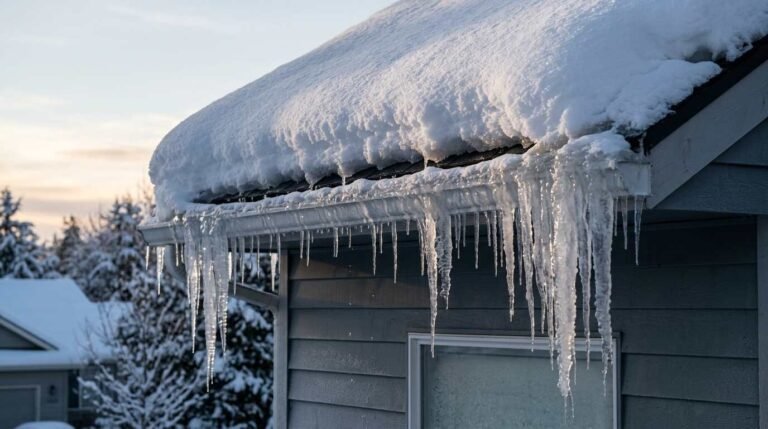
Ice dams form when heat escapes into the attic and melts snow that refreezes at the eaves. Fall is the time to seal, insulate and ventilate so winter does the least damage.
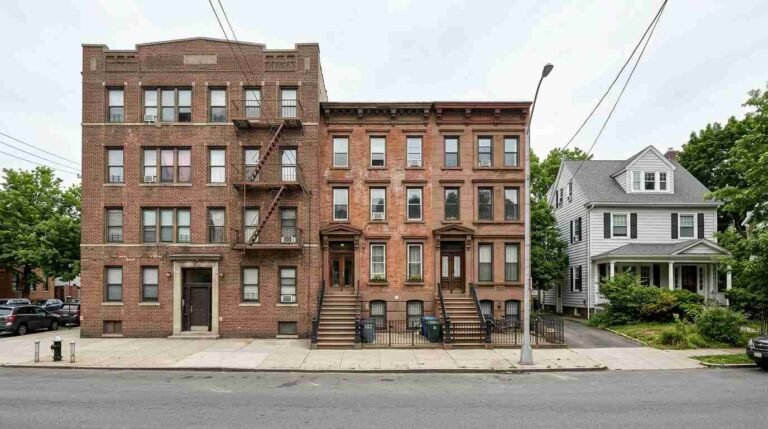
Ownership structure shapes monthly costs, approval steps, control and resale. Compare co-ops, condos and single-family houses before you decide which fits your plans.

Staging is mostly subtraction. Walk through each room with this checklist to clear surfaces, fix small flaws and let buyers see the space instead of your belongings.
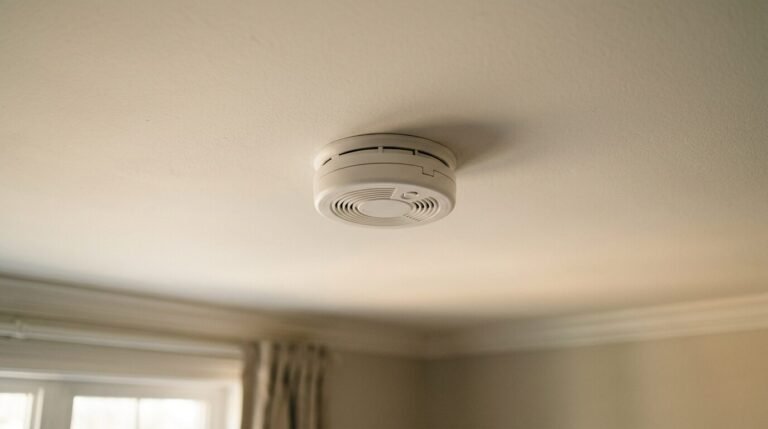
Alarms only help if they work. This guide covers monthly testing, battery changes, the ten-year replacement rule for smoke alarms, and what New York’s Amanda’s Law says about carbon monoxide alarms.

Running a business from home under a name other than your own? Here is what the Suffolk County Clerk says about assumed-name certificates, plus the IRS EIN and New York sales tax questions to settle before your first sale.

Lumens, color temperature and dimmer compatibility sound technical, but picking the right LED bulb comes down to three checks. Here is a room-by-room approach.

In a New York home purchase the deposit usually goes to the seller’s attorney after the contract is signed, held in escrow. Here is how that works, what puts it at risk, and how to protect it.
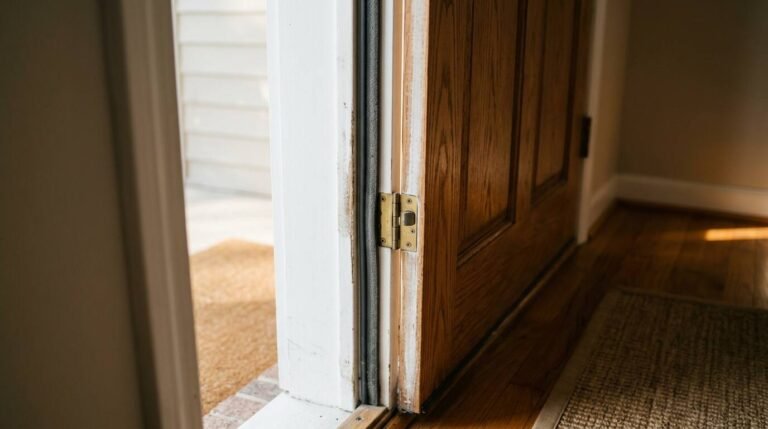
Drafty doors cost comfort every winter. Learn which weatherstripping suits which gap, how to measure, and how to install it so the door still closes.

A mortgage rate lock holds your rate until closing if nothing in your application changes. Here is how it works, what can still move your rate, and the questions the CFPB suggests you ask.
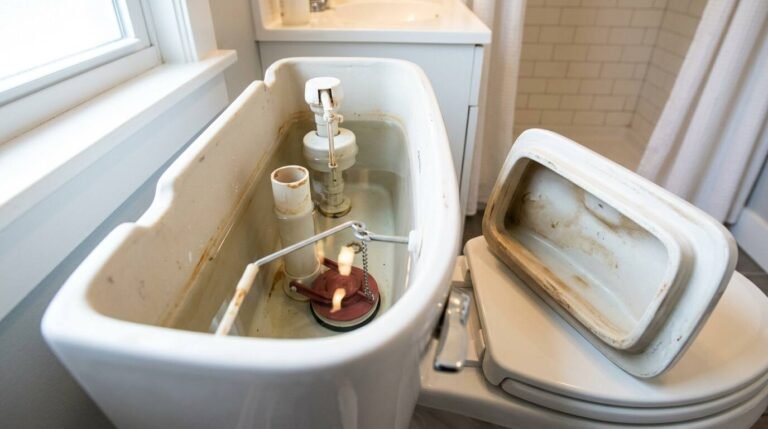
A toilet that hisses or refills on its own is wasting water. A food-coloring test finds the culprit in ten minutes, and the usual fix, a new flapper, costs very little.