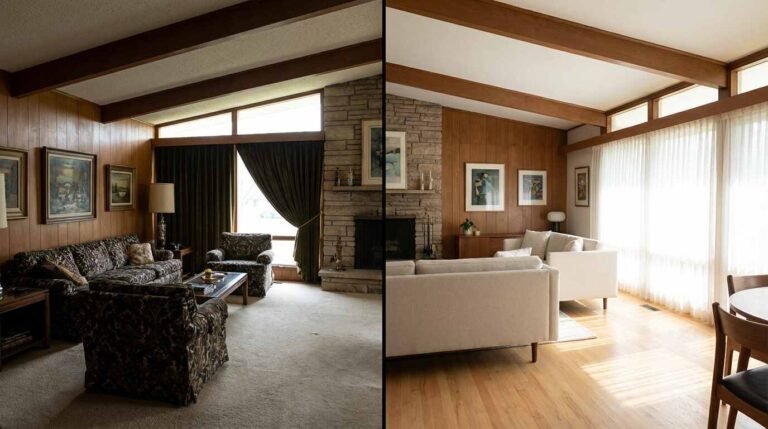
A Room-by-Room Staging Checklist Before You List

Some links in this guide are Amazon affiliate links. As an Amazon Associate, Maison Pawli earns from qualifying purchases at no extra cost to you. This guide is general information, not professional advice; confirm specifics with the appropriate licensed professional.
Buyers do not walk through a house the way owners live in it. They scan. In the first few seconds of a showing, or a photo, they decide whether a room feels large or cramped, bright or dim, cared for or neglected. Staging is the work of making that first read easy.
You do not need to hire anyone or buy a truckload of furniture to do a decent version of it. What you need is a clear head, a roll of boxes and a free weekend or two. The checklist below goes room by room, starting at the curb, because that is where the buyer starts too.
Walk it with a timer and a box
One useful trick is to give yourself fifteen minutes per room, a timer on your phone and one empty box. Whatever does not belong goes into the box, and the box goes to the garage or a storage unit. When the timer ends, move on, even if you are not finished. Perfectionism is how a one-weekend project becomes a two-month one.
Most sellers need two passes. The first removes the obvious clutter. The second, a week later, is when you see what you missed: the extra chair in the corner, the bin of toys behind the sofa, the stack of magazines you stopped seeing.
Start outside and at the front door
The first photograph in most listings is the front of the house. Trim shrubs back from windows and walkways, edge the lawn, sweep the steps and pull any dead plants. If the front door is scuffed, a fresh coat of paint is one of the cheaper fixes around.
Check the hardware. A loose knob, a flickering porch light or a doorbell that does not ring all tell a buyer, quietly, that small things get ignored. Replace bulbs, tighten screws, and wash the storm door glass.
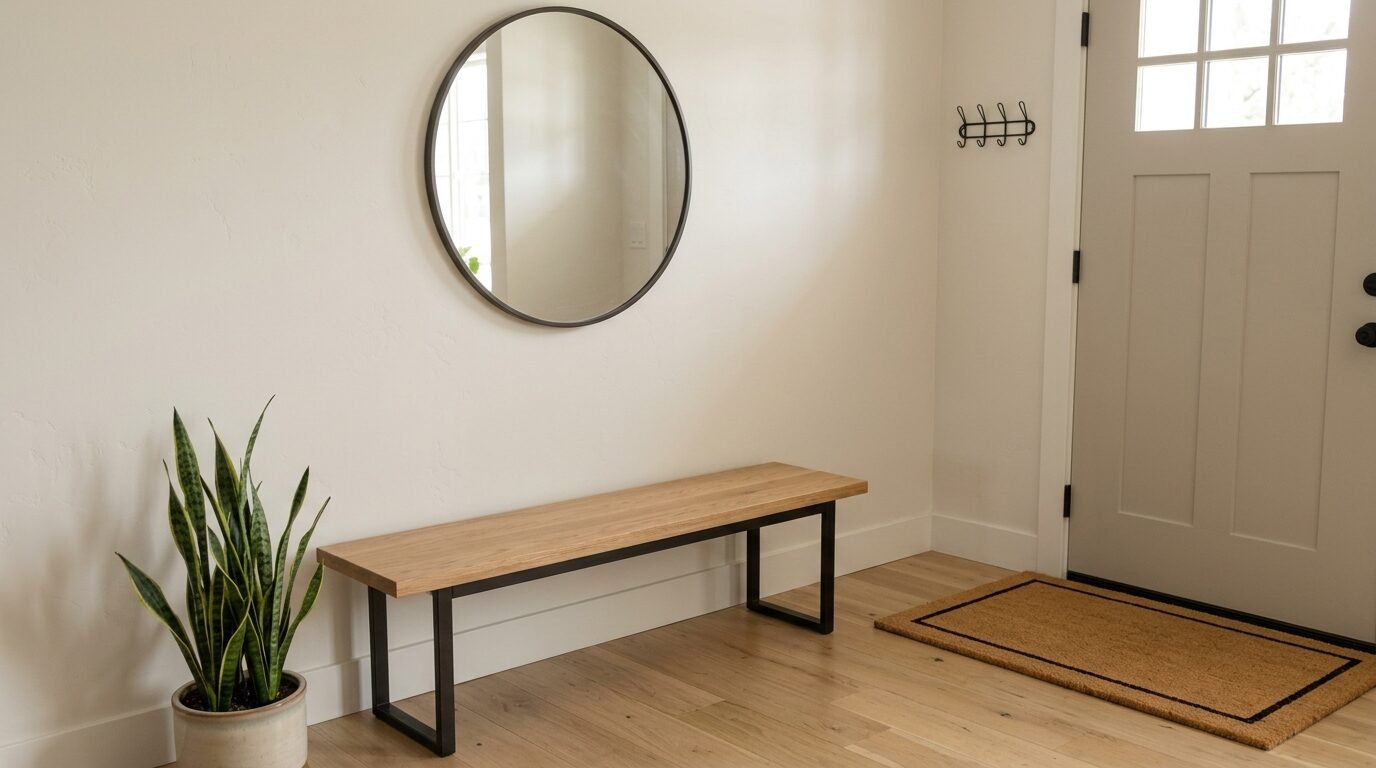
Inside the entry, clear the floor. Shoes, umbrellas and the pile of mail belong somewhere else for the duration. Leave a clean mat, a mirror if you have one, and nothing more.
Living room and family spaces
Here the goal is flow. Stand in the doorway and look for the path a person would take across the room. If you have to step around a table or an ottoman, move it, or take it out.
- Remove about a third of the furniture, starting with extra chairs and oversized pieces
- Pull bookshelves back to a few intentional objects instead of every volume
- Coil cords, hide remotes, and clear the tops of media units
- Lift curtains off the floor and open them fully so windows read as large
- Swap heavy lamps for the brightest bulbs the fixtures allow, then check the label for the maximum wattage
Family photos deserve a mention. Buyers are meant to picture their own lives in the house, and a wall of someone else’s makes that harder. Pack them up. You will enjoy hanging them again in the next place.
Kitchen
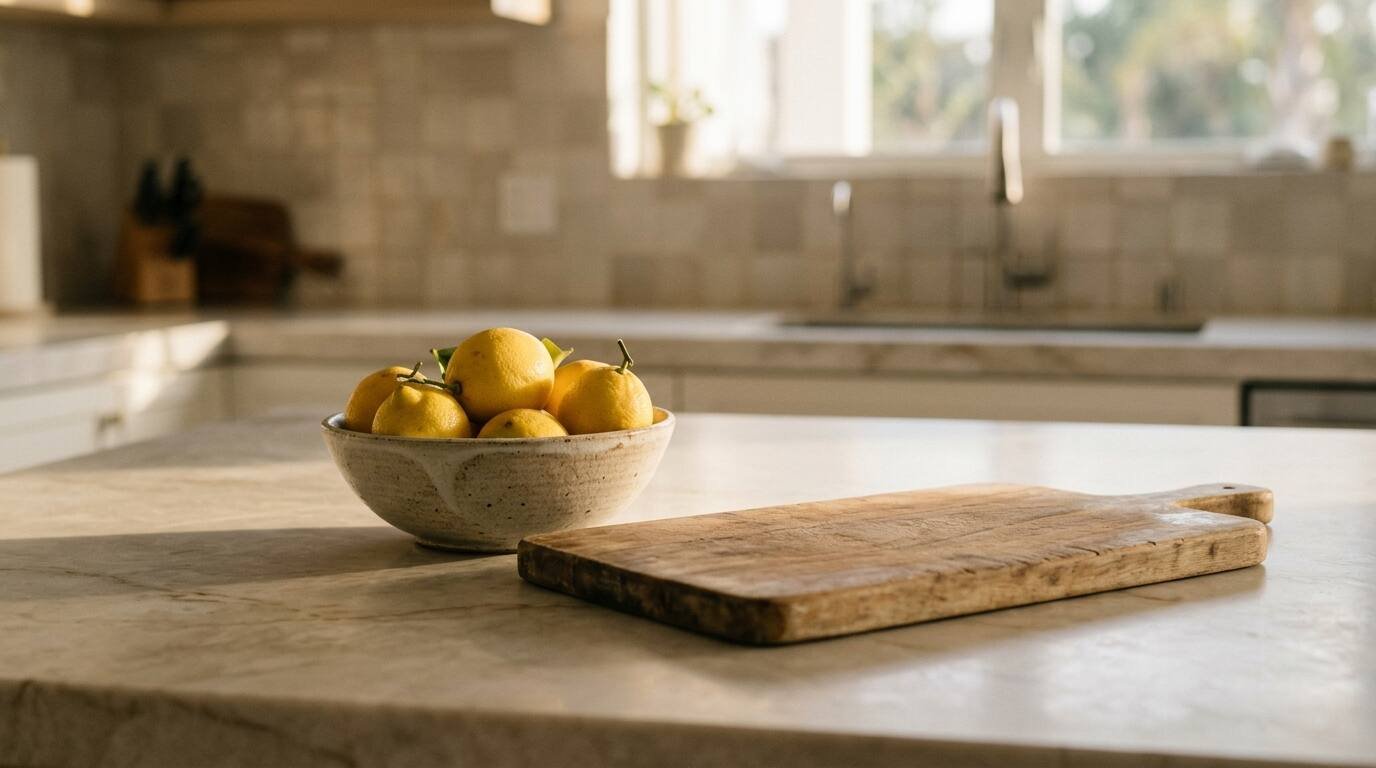
Kitchens are where buyers open every door. Plan for that. Empty the counters nearly to bare, leaving perhaps a bowl of fruit and a cutting board, and give the inside of cabinets and the pantry a tidy that could survive a look.
Clean the things people forget: the front of the range hood, the seals on the refrigerator, the tracks under the sink, the grout behind the faucet. A magic eraser, a toothbrush and an hour will take years off the appearance of a room. A good microfiber cloth set and a bottle of stainless steel cleaner finish the job.
If a cabinet pull is missing or a drawer sticks, fix it now. Those are five-minute repairs that otherwise become a line in a buyer’s notes.
Bedrooms and bathrooms
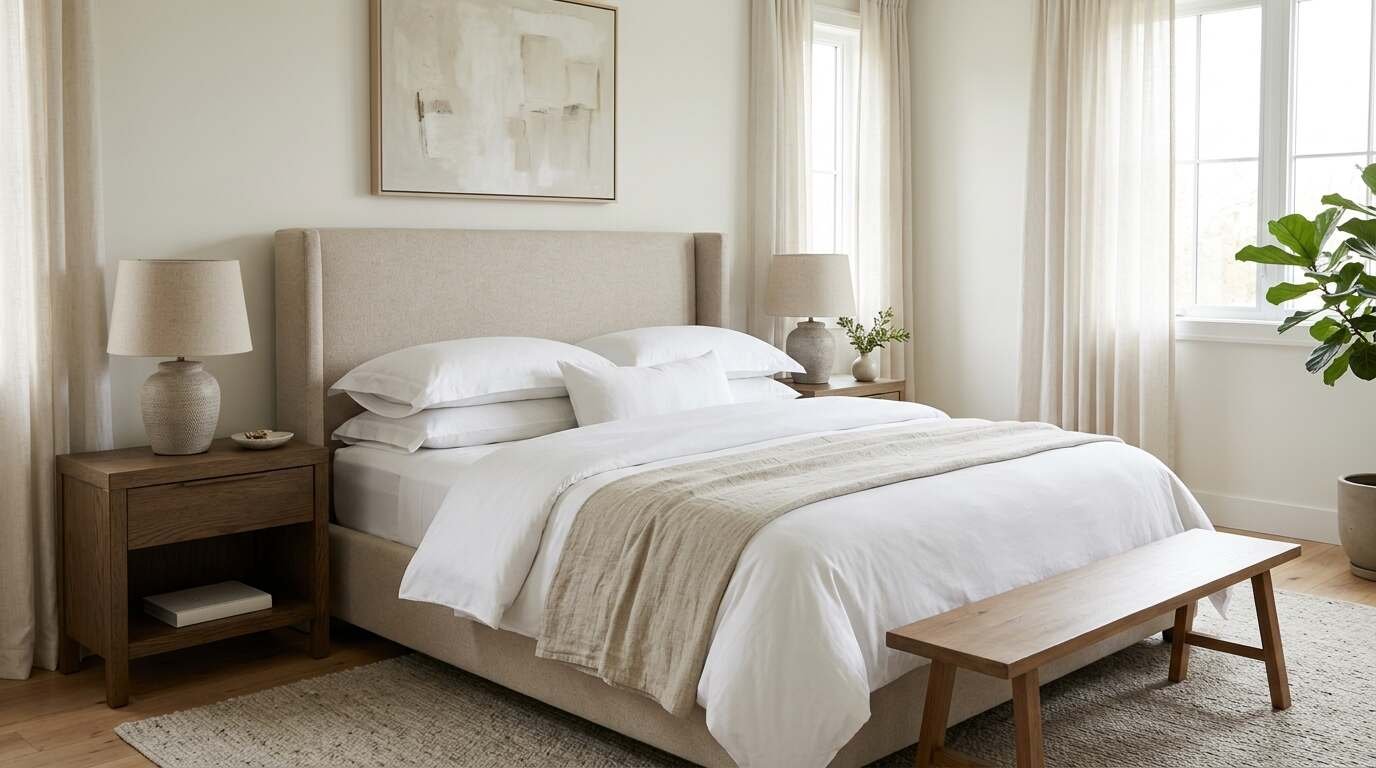
Bedrooms should look restful and spacious. Make the beds with crisp, plain linens, clear the nightstands to a lamp and perhaps one book, and thin out closets until clothing hangs with room between hangers. Buyers judge storage by how full it looks, and a packed closet reads as a small one.
Bathrooms, meanwhile, are about clean and fresh. Scrub grout, descale the shower glass, replace a tired shower curtain, and put out fresh white towels. Clear every product off the tub edge and the vanity. A grout cleaning brush and a squeegee for glass shower doors are inexpensive and earn their keep.
Skip strong air fresheners. Many people react badly to them, and some buyers will wonder what the scent is covering up. Open windows beforehand instead.
Basement, garage and storage
Buyers do open the doors to the basement, the garage and the attic. Those spaces are also where owners park everything they cannot place. Rent a storage unit or ask a friend for garage space if you must, and stack what stays in neat, labeled boxes with aisles between them.
Sweep floors, wipe down shelving, and make sure a light works in every room. Check for any dampness or odor, because a musty basement is a worry even when the cause is minor. If something looks unusual, such as a stain on a wall, get a licensed professional to look at it before the first showing rather than after a buyer asks.
Lighting, smell and the details between rooms
Light does more than most furniture ever will. Open every blind and curtain, then walk the house at the hour a buyer is most likely to visit, and notice which rooms go gloomy. Where a corner is dark, add a lamp. Where a fixture has three bulbs and one is a different color, replace all three with matching ones.
Smell matters too, though it is harder to judge in your own home, since you stopped noticing it years ago. Ask a friend who does not live with you to stand inside the front door and tell you honestly what they smell. Pets, cooking, a damp basement and a full trash can are the usual suspects. Clean the source; do not mask it.
Then look at the seams: the threshold where flooring changes, the cracked switch plate, the paint line around a door frame. Buyers rarely name these things, yet they register as a general sense that the house has been looked after, or has not.
The final walk-through before photos
Do one full pass the morning of the photographer’s visit. Turn on every light, open every blind, put toilet lids down, clear the refrigerator door, and take pets and their bowls and beds elsewhere. Park cars off the driveway if possible.
Then stand at the doorway of each room and ask a plain question: where does my eye go? If it lands on a pile, a cord or a bin, move it. If it lands on a window or a fireplace, you are done.
A word on pets, kids and daily life
Selling while living in the house is the hard version of this job. A few habits help. Keep a laundry basket in the closet for a quick sweep before showings, wipe the bathroom sink every morning, and run the dishwasher at night so the kitchen starts clean. Decide in advance where the dog goes and where the litter box lives, and make that spot as discreet as it can be.
Short notice happens. An agent may call with an hour to spare. If your house has a ten-minute reset routine, you will say yes more often, and every yes is another chance for a buyer to see the place at its best.
Common mistakes
The most frequent one is half-doing the job: painting one room while leaving a cluttered garage that gets photographed anyway. Next comes bold personal taste. A purple accent wall may be wonderful to you and a repainting chore to someone else; neutral, light colors are safer.
People also over-decorate, buying new throw pillows and rugs they will never use again. Stage with what you own wherever possible. Where it makes sense to spend, spend on cleaning, lighting and small repairs.
Last, listen to your agent. A second pair of eyes catches what you stopped seeing years ago. A brief conversation before the photographer arrives can save an awkward moment later.