How to Choose LED Bulbs for Every Room
Some links in this guide are Amazon affiliate links. As an Amazon Associate, Maison Pawli earns from qualifying purchases at no extra cost to you. This guide is general information, not professional advice. When a job touches electrical, gas, structural or permit questions, hire a licensed professional.
The lighting aisle used to be simple. You bought a sixty-watt bulb and moved on. Now the shelf is wall-to-wall boxes covered in lumens, kelvins and acronyms, and the old habit of shopping by watts no longer tells you much.
Three checks cut through it: how bright, what color, and whether it works with your dimmer.
Why switch at all
The US Department of Energy says ENERGY STAR-rated residential LEDs use at least 75 percent less energy than incandescent lighting. It also reports that a good-quality LED lasts three to five times longer than a CFL and about thirty times longer than an incandescent, and that LED lamps can stand in for 40-to-100-watt incandescent bulbs.
Those are the department’s figures; actual savings depend on how many hours you run the lights and what you pay for electricity.
Check one: brightness in lumens
Lumens measure brightness, and watts only measure the energy a bulb consumes. The DOE points shoppers to the Lighting Facts label on the package to confirm that a product’s brightness and color suit its use. As a common rule of thumb, rather than a DOE figure, a classic 60-watt incandescent gives off around 800 lumens, so look for roughly that number when you replace one.
Match brightness to the job. A reading lamp wants more punch than a hallway nightlight, and a kitchen wants more total light than a bedroom.
Check two: color temperature in kelvins
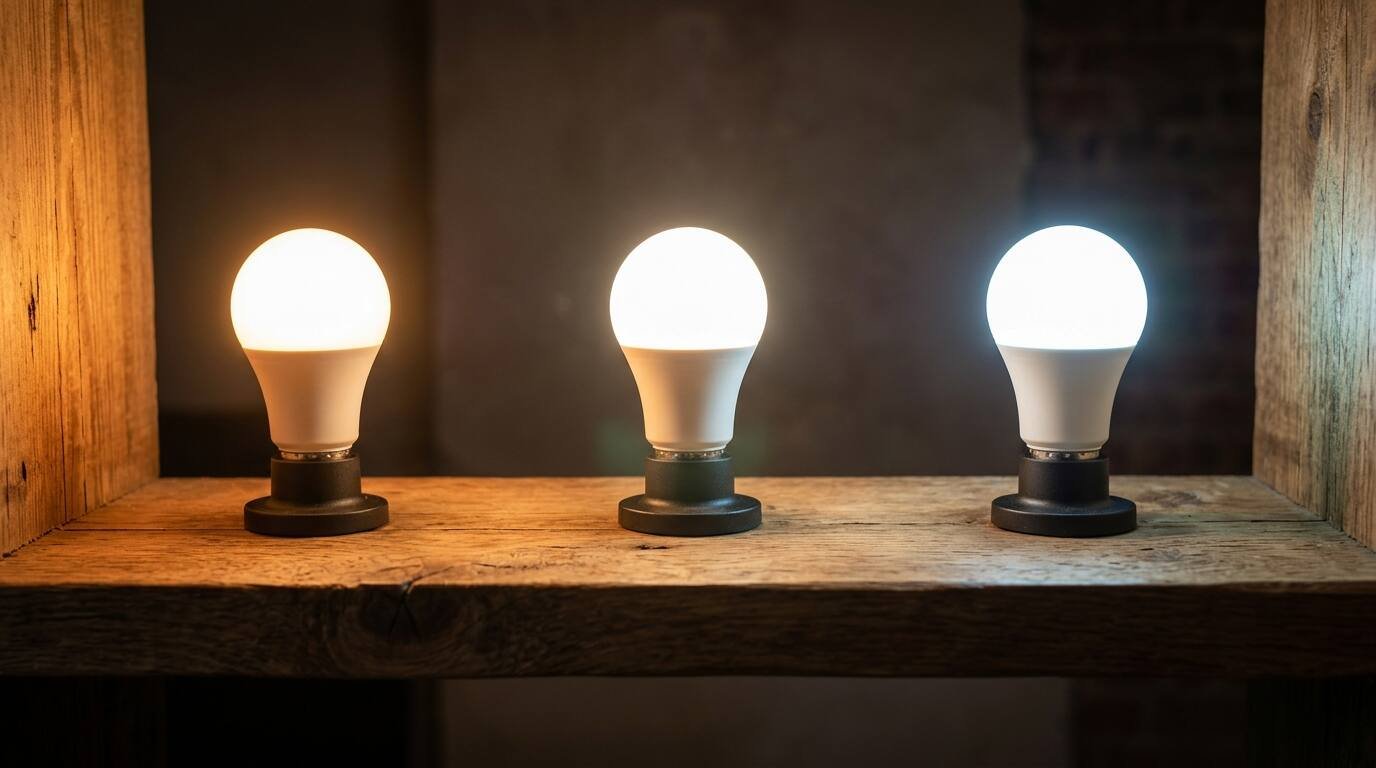
Kelvin numbers describe how warm or cool the light appears. The DOE notes only that light color varies between products and that you should compare them to find the best fit for your space. These ranges are common shopping guidance, not official rules:
- 2700K: warm and golden, the closest match to the old incandescent glow; a good fit for living rooms and bedrooms
- 3000K: slightly crisper, but still friendly; popular in kitchens and bathrooms
- 4000K: neutral white, often used in workspaces and garages
- 5000K and above: bluish daylight tones, which many people find harsh indoors
Buy one bulb of each candidate and live with it for an evening before you commit to a whole house. Mixing temperatures within one room tends to look uneven, so keep fixtures in a room on the same number.
Check three: shape, base and dimmer match
Look at the base and shape before you buy. The common household screw-in is the A19 shape, but fixtures vary, and enclosed fixtures may need bulbs rated for enclosed use. Read the package for those details.
If the bulb sits on a dimmer, confirm both the bulb and the dimmer are made to work together. A dimmable label on the box matters, and some older dimmers cause flicker with LEDs. A few good starting points: a dimmable 2700K A19 LED bulb, a 3000K LED bulb, or a pair of LED recessed downlight retrofits for ceiling cans.
A room-by-room cheat sheet
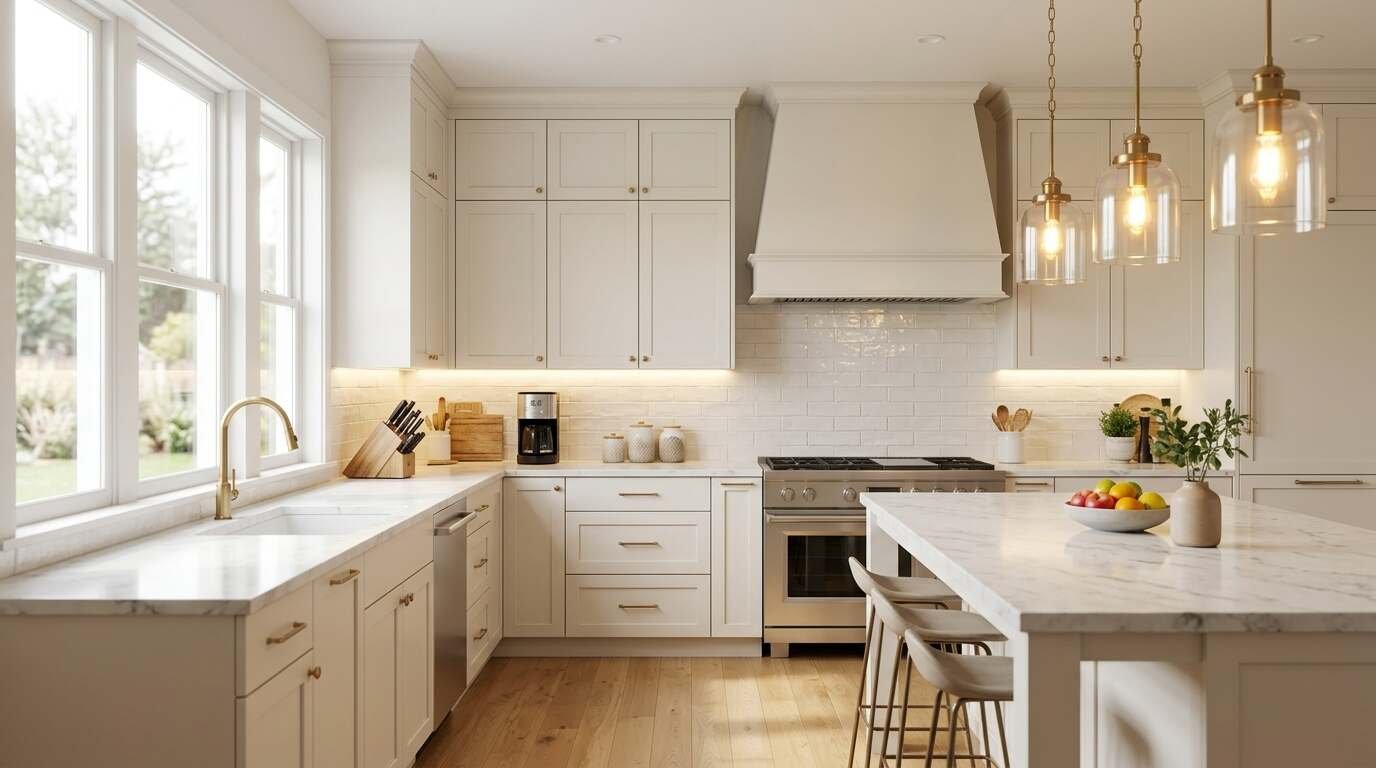
- Living room: warm 2700K, dimmable, layered with floor and table lamps
- Kitchen: brighter, 3000K to 4000K, with task lighting under cabinets
- Bathroom: 3000K near the mirror, placed where it lights your face evenly
- Bedroom: warm 2700K, or lower for the lamp you read by
- Home office: neutral 4000K at the desk, reducing glare on screens
- Entry and porch: bulbs rated for the fixture, and for outdoor use if exposed to weather
This is design guidance, not a code requirement. Taste matters, and your own eyes are the final authority.
Safety and the fine print
Never exceed a fixture’s maximum wattage rating, and swapping bulbs is the limit of what this guide covers. If a fixture hums, flickers or feels hot, or if you need to change wiring or a dimmer switch, hire a licensed electrician.