How to Find Out If Your Home Project Needs a Permit in the Town of Brookhaven
Some links in this guide are Amazon affiliate links. As an Amazon Associate, Maison Pawli earns from qualifying purchases at no extra cost to you. This guide is general information, not professional advice. When a job touches electrical, gas, structural or permit questions, hire a licensed professional.
This is general information about permit processes, not legal advice. Rules differ by property, zoning and village, and they change. Confirm with the Building Division before you start.
The contractor says it is a two-day job. The neighbor says nobody checks. Then a stop-work order shows up, or a buyer’s attorney asks for a certificate of occupancy on the addition you built three years ago.
Permits feel like paperwork. In practice they are a record that someone qualified looked at the work, and finding out early costs far less than finding out late.
Know who makes the call
In the Town of Brookhaven, which includes hamlets such as Setauket, St. James and Mount Sinai, the Building Division enforces the New York State Uniform Fire Prevention and Building Code and Brookhaven Town Code Section 16-3, according to the Town’s building FAQ.
One thing to confirm up front: some incorporated villages inside the Town run their own building departments, and their rules can differ. Check which jurisdiction your address falls under before you assume Town rules apply.
Understand what usually needs a permit
The Town states that building permits are required for new homes, additions, alterations, manufactured homes and accessory structures. The FAQ page lists examples of accessory structures, but the list was cut off in the version available to me, so I cannot confirm which items it names.
Equally important, the page does not give size or cost thresholds, such as how large a shed can be before it needs a permit. Do not fill that gap with a guess from a neighbor or a website about another town. Ask the Building Division directly, and ask in writing if the answer matters.
Gather what you will need before you call
- Your property address and tax map number from your tax bill
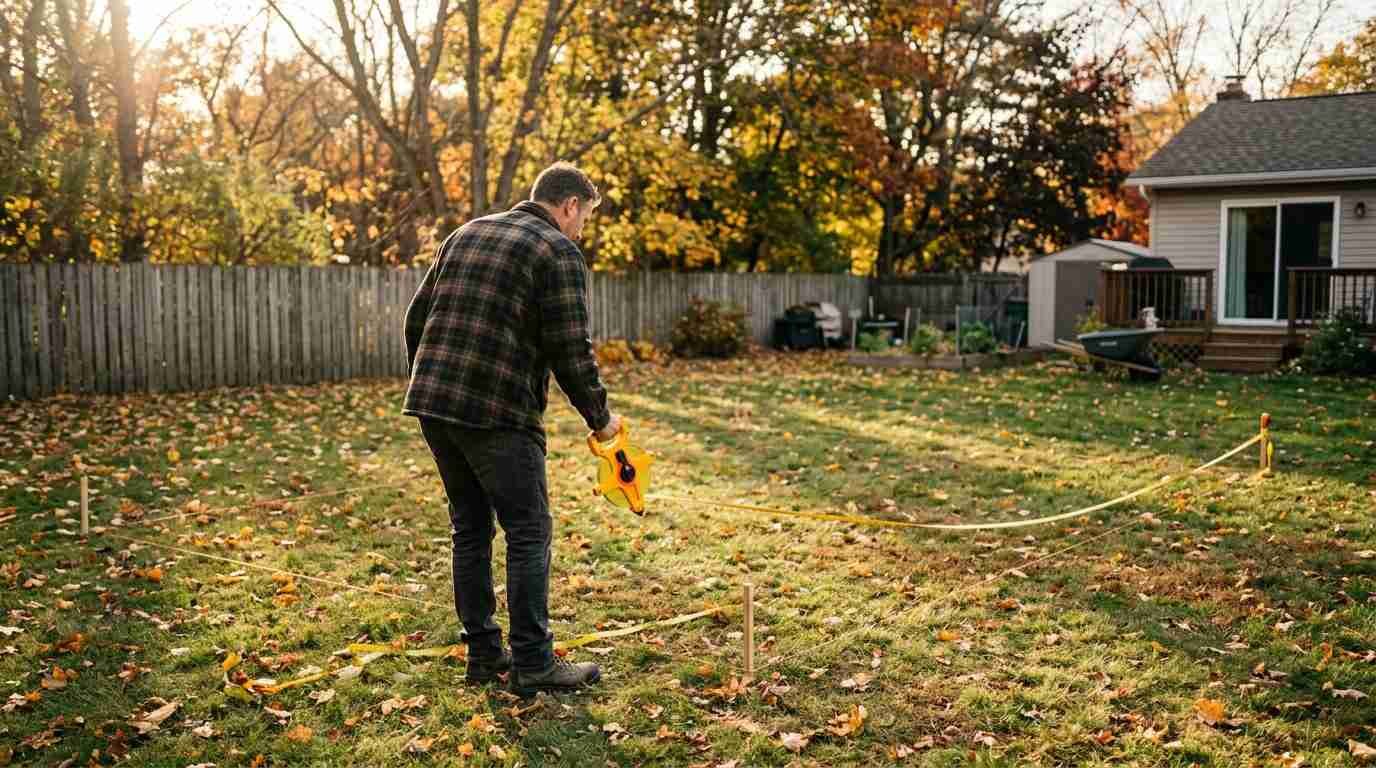
- A short description of the project: what it is, how big, where on the lot
- Your survey, if you have one, since location and setbacks usually matter
- Any contractor names and license information, if you are hiring out the work
- A notepad for the name of the person you speak with and the date
A laser distance measure and a 25-foot tape measure help you give accurate dimensions, and a simple accordion file folder keeps plans, receipts and approvals together.
Ask the right questions
Start with the plain one: does this project need a building permit? Then follow with the ones people forget. Does it need approval from any other agency? Does the work trigger an electrical or plumbing inspection? Will it need a new survey? What inspections happen, and when?
The Town notes that after a final inspection, the Building Division mails a list of certificate of occupancy requirements, and you may need a lead solder test, a new survey, an electrical inspection, or approvals from other agencies depending on the project. Knowing that at the start avoids surprises at the end.

Call 811 before you dig
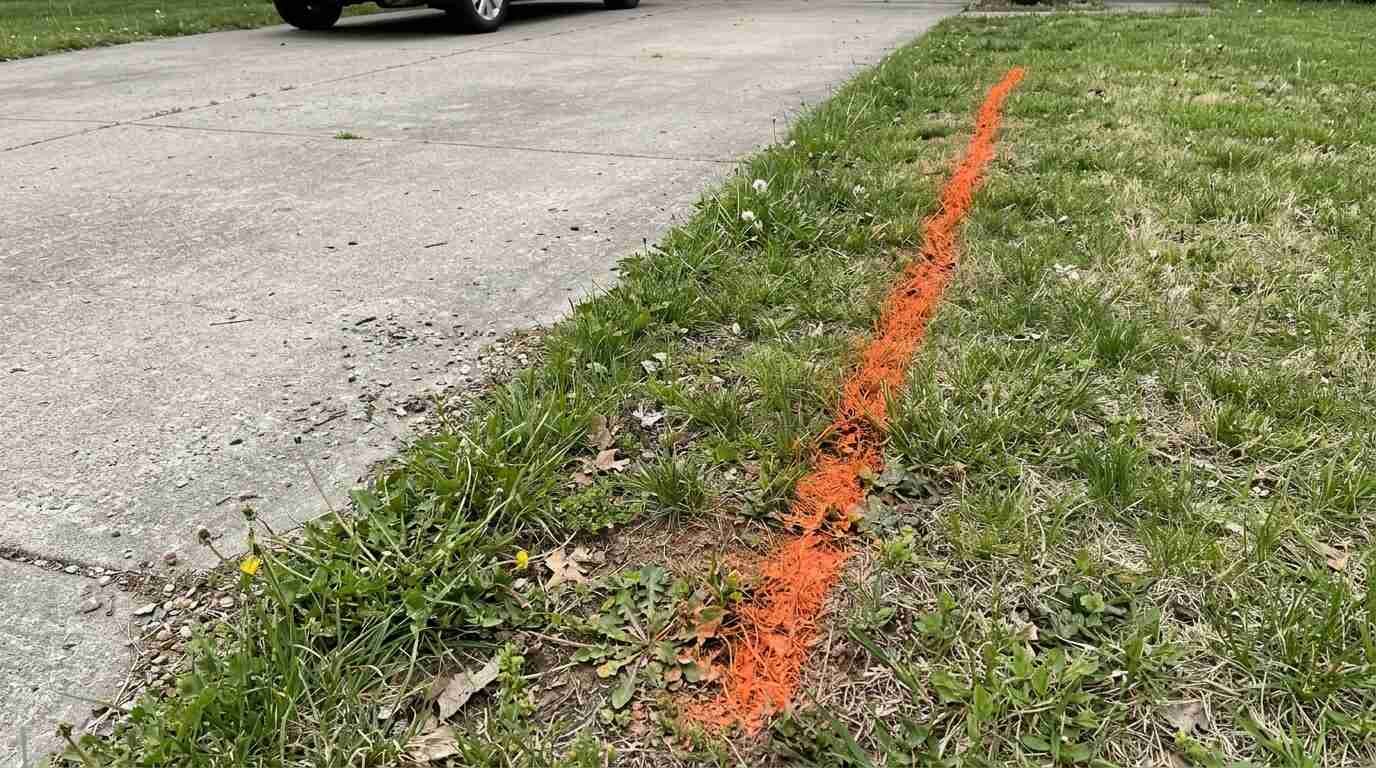
Whether or not a permit applies, digging a post hole or a trench for a fence can strike a buried line. The Town directs people to New York 811 before they dig: dial 811 or 1-800-272-4480, or use newyork-811.com. The service is built for exactly this question.
Keep the paper trail
If a permit is issued, remember that the Town says it is valid for one year from issuance. Mark the date on a calendar. Keep the approved plans, inspection sign-offs and final approval in one place.
Those records matter later. If you ever sell, your attorney and the buyer’s attorney may ask for them, and an unpermitted past project can slow a closing. Talk to a real estate attorney if you are unsure about work that was done before you bought.
Where this guide stops
This is a way to approach the question, not a ruling on your project. Zoning, wetlands, coastal rules and historic overlays can all apply on top of building rules. When in doubt, the Building Division and your attorney are the right people to ask.