Co-op, Condo, or House: Choosing a Structure on Long Island
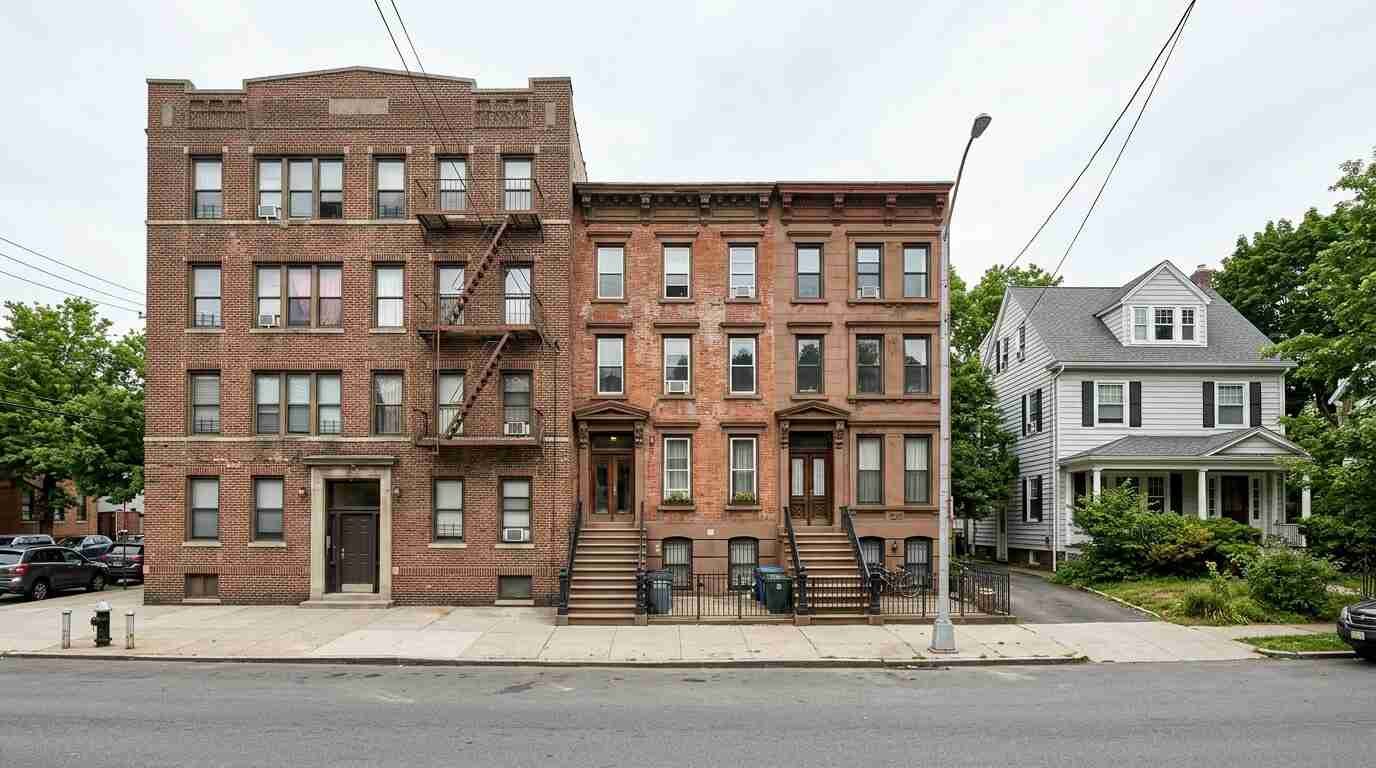
The first decision in a home search is rarely the neighborhood or the price. It is the kind of ownership. On Long Island you will meet three main structures, and they differ in what you actually own, who approves you, how bills are paid and what happens when you sell.
Each can be the right choice for the right person. None is automatically cheaper, safer or better. The point is to understand the trade-offs before you fall in love with a floor plan. This is general information, not legal, tax, financial or insurance advice. Confirm the details of your own situation with your attorney or another licensed professional.
What you own in each
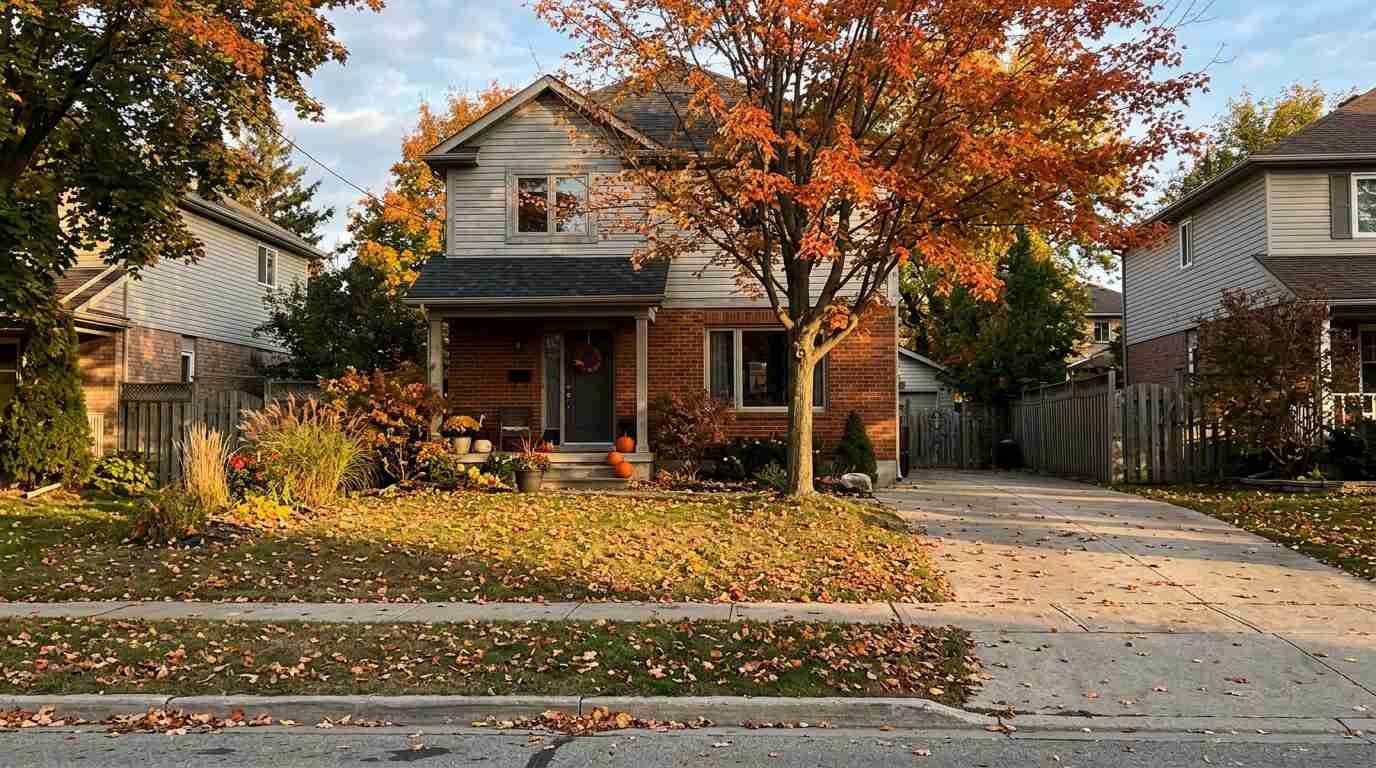
In a single-family house, you own the land and the building. You are responsible for the roof, the systems, the exterior and the lawn, subject to local zoning and any deed restrictions. The freedom is real, and so is the maintenance list.
In a condominium, you own your unit, a defined space inside a building, plus a share of the common elements such as hallways, grounds and amenities. An association run by elected owners manages the common areas and collects monthly charges. Details differ from one condo to the next, including who maintains windows and exteriors, so read the documents.
In a cooperative, you do not own real property in the usual sense. You buy shares in a corporation that owns the building, and a proprietary lease gives you the right to occupy a particular unit. The building’s board has a strong say in who may buy in, and its rules govern much of daily life.
Monthly costs and what they cover
A house has no association fee in most cases, but you pay property taxes, insurance and every repair. A condo adds common charges, which cover shared services and reserves, and the unit owner usually pays real estate taxes on the unit separately. A co-op typically charges a monthly maintenance that rolls in the building’s property taxes, underlying mortgage payments and operating costs, though the specifics vary by building.
Do not just compare the mortgage payment. Ask for the actual monthly charge, what it includes, whether special assessments have been levied or are planned, and how much the association holds in reserves. A low monthly figure is sometimes low because the building has deferred its repairs. A building with healthy reserves and a clear capital plan is reassuring.
Approval and the buying process
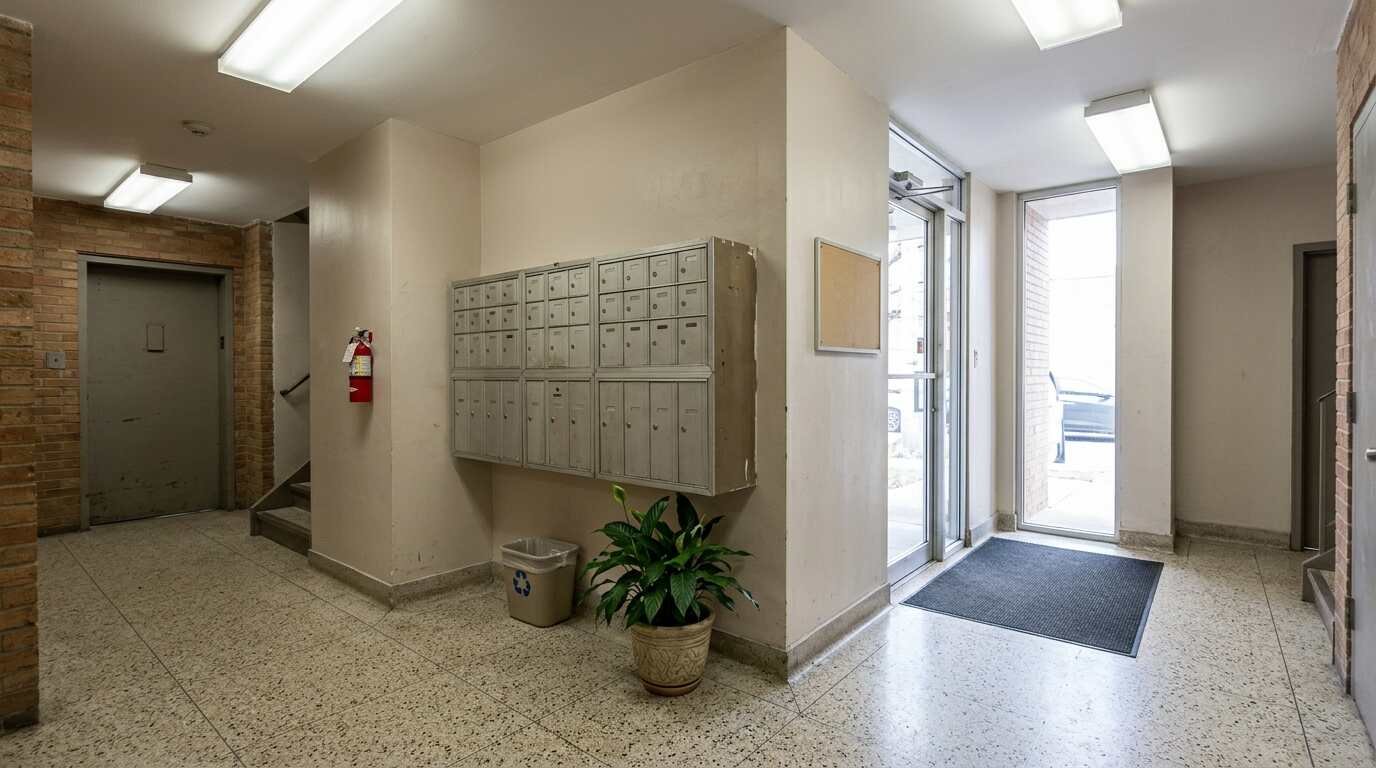
A house sale is mostly a negotiation between buyer and seller. A condo may give the association a right of first refusal in some cases, and the buyer may need to supply documents to the managing agent. A co-op board commonly requires an application package, financial disclosure and an interview, and it can decline a buyer for reasons it is not always obliged to explain, subject to law, including fair housing and anti-discrimination rules.
The practical effect is time. Co-op deals usually need extra weeks for board review. Ask your agent and your attorney about the timeline early, and plan your financing deadlines accordingly.
Financing differences
Lenders treat the three differently. Mortgages on condos often depend on the building meeting the lender’s standards, which can include owner-occupancy levels and the financial health of the association. Co-op loans are share loans rather than conventional mortgages, and some buildings set their own limits on how much of the price can be financed. Ask a lender early about the building you are considering, because not every building qualifies for every program.
Taxes, assessments and the fine print
Tax treatment differs by structure, and so do the surprises. A house owner receives a tax bill directly. A condo owner is billed for the unit, usually, and pays common charges separately. In a co-op, a share of the building’s taxes is folded into the monthly maintenance. How these amounts are deductible, if at all, depends on your circumstances, so ask your accountant instead of assuming.
Assessments deserve a close read. A special assessment is an extra charge levied on owners for a major repair, such as a roof, a boiler or a façade. Ask whether any are in place or discussed in the board minutes, and how they are paid. The offering plan or building financial statements will also reveal the amount of any underlying mortgage on a co-op, which affects the building’s long-term health.
Flexibility, rules and resale
A house offers the widest freedom to renovate, subject to permits, to add space and to rent in accordance with local code. Condos and co-ops come with bylaws, house rules and sometimes limits on subletting, renovations, pets or noise. Some buyers like the clarity of rules; others find them confining.
Resale depends on the market and the building. A condo or a co-op with strong finances and clean records tends to sell more smoothly, while one with pending litigation, deferred maintenance or special assessments may not. For a house, the lot, the condition and the neighborhood do much of the work.

A short note on the middle path
Plenty of buyers land on a townhouse or an attached home in a planned community, which blends features of each: your own entrance and some yard, shared walls and a homeowners association. The documents differ again. Whatever the structure, the questions stay the same: what do I own, what do I owe each month, who decides what, and how will I get out when it is time to sell?
Questions to ask yourself
- How much maintenance do I want to do, and how much do I want to hand off?
- How long will I stay, and do I need flexibility to rent the home out?
- What do I want to control: the exterior, the renovations, the schedule?
- Am I comfortable with a board or association having a voice in my home?
- What is my full monthly budget, including taxes, charges, insurance and repairs?
Then talk through your answers with your agent, who can show you examples of each kind, and with your attorney, who can review building documents and the contract. Read financial statements, meeting minutes and the offering documents where they apply; they tell you what the brochure does not.