The Iron Ghost in the Yard: Why Sellers Need to Hunt Their Own Oil Tanks
Old steel heating tanks from the postwar era are quietly killing North Shore real estate deals. Here’s how to find yours — and what to do before your buyer does.


Old steel heating tanks from the postwar era are quietly killing North Shore real estate deals. Here’s how to find yours — and what to do before your buyer does.

Fewer homes are coming to market on Long Island’s North Shore — and the reason has everything to do with mortgage rates. Here’s the plainspoken explanation.

Salt air destroys hardware, siding, and caulk. A practical ROI-focused guide to addressing coastal wear before listing your North Shore or waterfront Long Island home.

Original 1920s architectural details can command a verified premium — if marketed correctly. A seller’s guide to leveraging Gold Coast provenance on Long Island’s North Shore.

New York’s Property Condition Disclosure Act creates legal obligations that activate before your first visitor arrives. Here’s what sellers must disclose — and what they can’t hide behind a $500 credit.

A Matterport scan is a legal representation, not a neutral document. Here’s what New York sellers and brokers need to know about virtual tour liability in residential real estate.

Long Island’s vacant strip centers contain structural gifts — flat-plate concrete slabs and open column grids — that architects are now using for housing, medical, and mixed-use conversions. Here’s what’s working and why.

Professional staging is legal — until it isn’t. Here’s where New York courts have drawn the line between permissible presentation and fraudulent concealment in residential real estate.
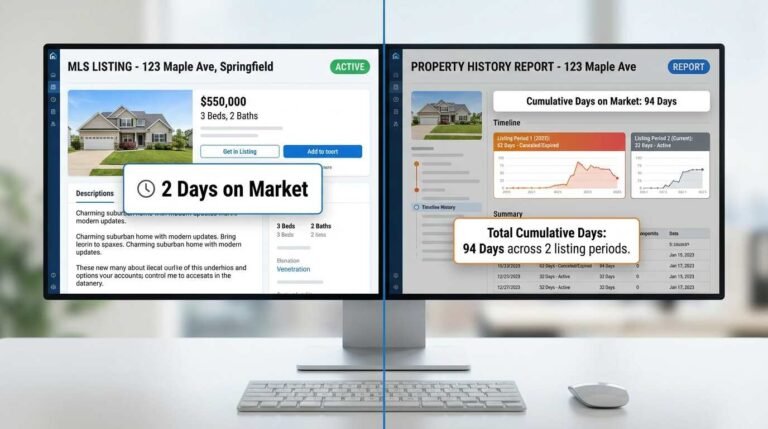
The MLS days-on-market counter can be reset. Sophisticated buyers know how to find the cumulative number. Here’s what that means for your pricing strategy.

Before you sign a listing agreement on Long Island, read the clauses that matter most — exclusivity, commission timing, duration, cancellation, and what happens if you fire your broker.