The As-Is Clause Is Not a Shield: What Sellers Remain Liable For After Closing
An as-is sale does not extinguish seller liability for known defects. Here’s what the case law — and New York disclosure law — actually says.

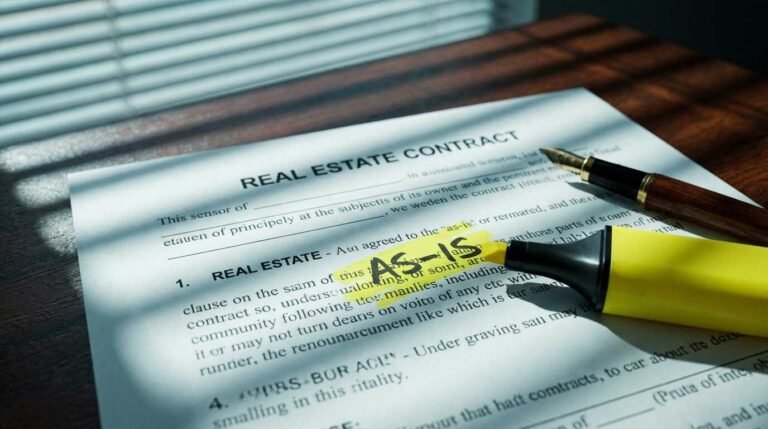
An as-is sale does not extinguish seller liability for known defects. Here’s what the case law — and New York disclosure law — actually says.

Three weekends, every room, maximum ROI. Here’s the exact decluttering and staging sprint that turns a lived-in Long Island home into a listing that stops the scroll.

In the Hamptons, buyers arrive by helicopter and expect perfection. Here’s the exact renovation sequence top agents use — and why most sellers invest in the wrong rooms first.

Post-2020, every North Shore listing has a virtual tour. Most are creating buyer paralysis. Here’s what separates a tour that converts the Connecticut and NYC relocator from one that loses them at the scroll.

In markets where every home has a story, the most dangerous word in real estate is ‘comparable.’ Here’s how luxury sellers price for desire — and why it works.

In some Fire Island communities, only 3–5 homes sell per year. Here’s how experienced agents and sellers build a defensible price when traditional comparables fall apart.
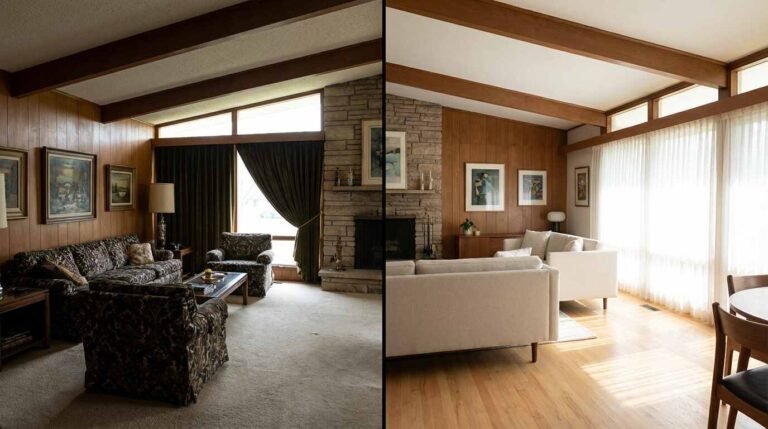
Environmental psychology research has quantified what happens in a buyer’s first eight seconds inside your home. Most Long Island sellers are getting this wrong — and it’s costing them at the table.

Long Island’s appreciation curve means many sellers face capital gains exposure they didn’t plan for. Pawli explains the Section 121 exclusion, 1031 basics, and when to call a CPA before you list.
Nassau and Suffolk County’s assessed values often bear no relation to market value. Here’s how a successful tax grievance becomes a concrete selling tool on Long Island.

The 1993 Pine Barrens Protection Act drew a permanent line across Long Island. If your property sits near it, your selling strategy needs to account for it.