
When the Buyer Blinks: How to Read and Respond to a Lowball Offer Without Losing the Deal
A lowball offer is data, not an insult. Here’s how Long Island sellers can read what it actually says — and counter in a way that keeps the deal alive.
Long Island sellers who order their own inspection before listing are closing faster, cleaner, and with fewer surprises. Here’s why — and how to use it as a negotiating tool.
Listing at $499,900 instead of $500,000 is a retail strategy applied to an asset class where appraisers work in brackets. The data shows what it actually costs you.
An as-is sale does not extinguish seller liability for known defects. Here’s what the case law — and New York disclosure law — actually says.
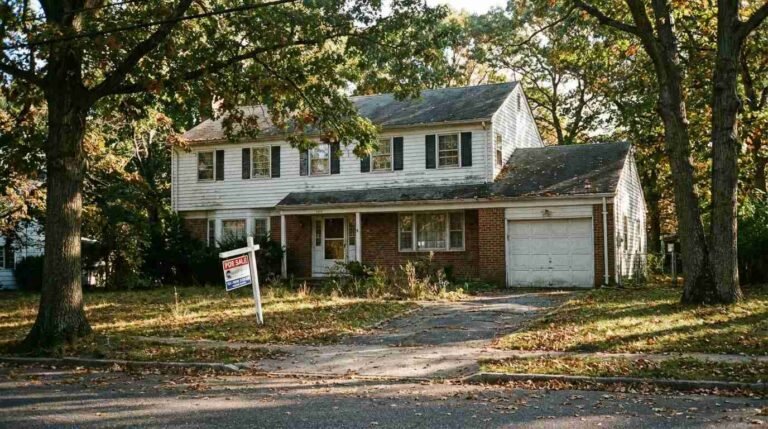
Some North Shore fixer-uppers will never appraise at full renovation value, no matter how good the work. Here’s what buyers need to know before they buy.
Three weekends, every room, maximum ROI. Here’s the exact decluttering and staging sprint that turns a lived-in Long Island home into a listing that stops the scroll.
In the Hamptons, buyers arrive by helicopter and expect perfection. Here’s the exact renovation sequence top agents use — and why most sellers invest in the wrong rooms first.
Post-2020, every North Shore listing has a virtual tour. Most are creating buyer paralysis. Here’s what separates a tour that converts the Connecticut and NYC relocator from one that loses them at the scroll.
In markets where every home has a story, the most dangerous word in real estate is ‘comparable.’ Here’s how luxury sellers price for desire — and why it works.
In some Fire Island communities, only 3–5 homes sell per year. Here’s how experienced agents and sellers build a defensible price when traditional comparables fall apart.