The As-Is Clause Is Not a Shield: What Sellers Remain Liable For After Closing
An as-is sale does not extinguish seller liability for known defects. Here’s what the case law — and New York disclosure law — actually says.

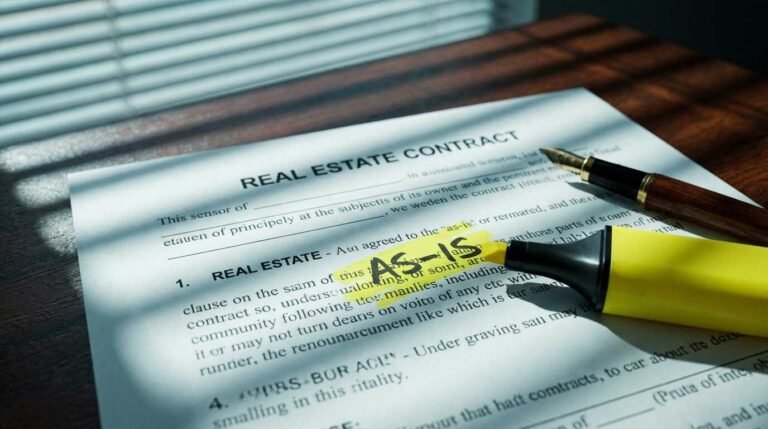
An as-is sale does not extinguish seller liability for known defects. Here’s what the case law — and New York disclosure law — actually says.

Shelter Island property chains reach back to a 1666 royal patent. For buyers, understanding this history isn’t romantic — it’s due diligence.

Before Bedell poured its first vintage, that land was a potato farm. Tracing the deed histories of the North Fork’s most celebrated wine estates.
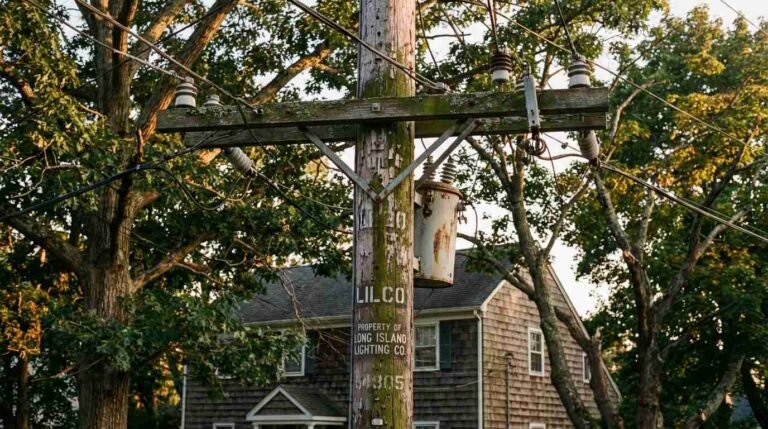
Pre-war easements — utility corridors, right-of-way grants, drainage strips — follow a property forever. Here’s how to find them before you make an offer.

Most buyers never read their title commitment. But buried in Schedule A and Schedule B are details that reveal your property’s full legal biography — and can change your offer.
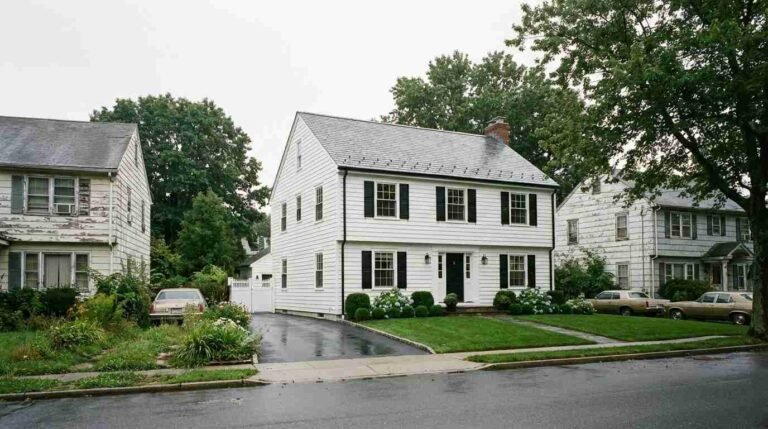
Some North Shore fixer-uppers will never appraise at full renovation value, no matter how good the work. Here’s what buyers need to know before they buy.

Three weekends, every room, maximum ROI. Here’s the exact decluttering and staging sprint that turns a lived-in Long Island home into a listing that stops the scroll.

In the Hamptons, buyers arrive by helicopter and expect perfection. Here’s the exact renovation sequence top agents use — and why most sellers invest in the wrong rooms first.

Post-2020, every North Shore listing has a virtual tour. Most are creating buyer paralysis. Here’s what separates a tour that converts the Connecticut and NYC relocator from one that loses them at the scroll.

In markets where every home has a story, the most dangerous word in real estate is ‘comparable.’ Here’s how luxury sellers price for desire — and why it works.