The TikTok ‘Soft Life’ Aesthetic Is Reshaping What Buyers Want in a Home Right Now
Something changed in the way my buyers talk to me. A year ago, the conversation went like this: square footage, school district, garage, commute. All the reliable coordinates. Now I‘m hearing something different — a texture to the wish list that didn’t used to have language attached to it. “I want it to feel calm.” “I need a space that‘s mine.” “I don’t want to walk in after work and feel like I’m still at the office.”
What they‘re describing, whether they use the word or not, is the soft life. And if you’ve spent any time on TikTok in the past two years, you know exactly what that means.
What the ‘Soft Life’ Trend Actually Means on TikTok Right Now
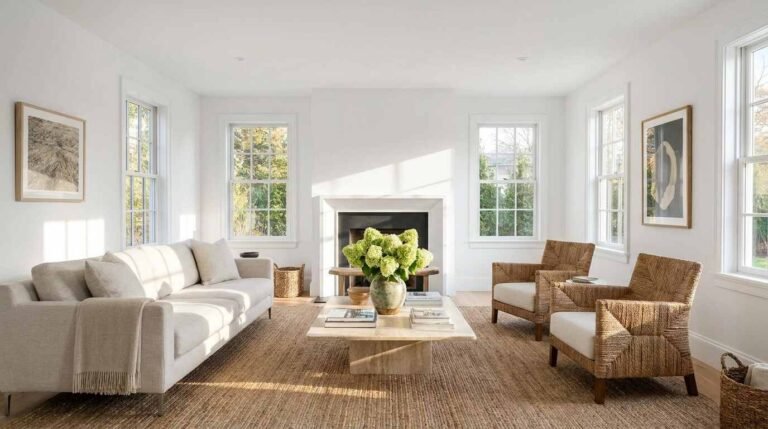
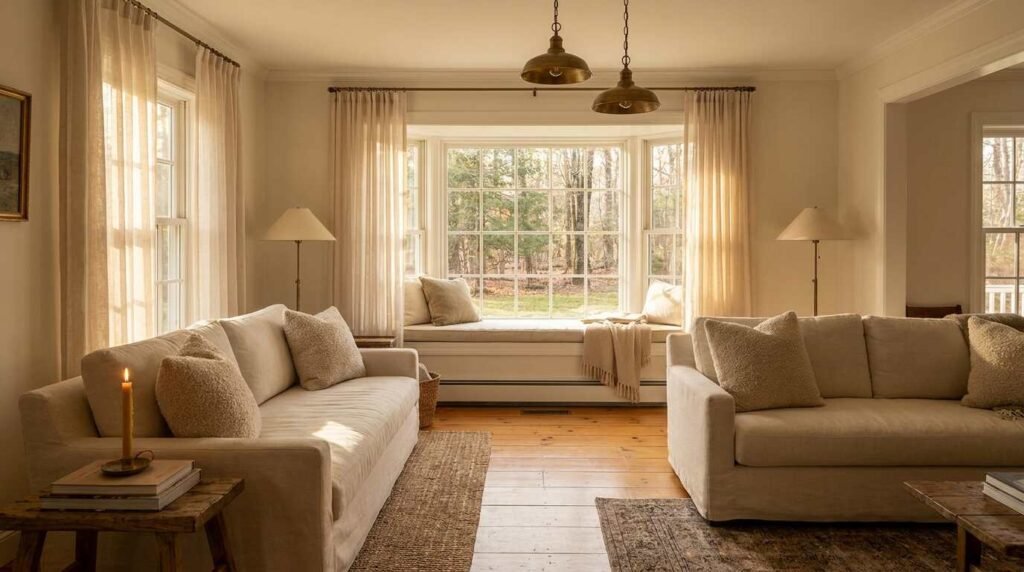
The soft life aesthetic — #softlife and #softlifehome have accumulated hundreds of millions of views across TikTok — isn’t new, but it has evolved. What started as a broader lifestyle philosophy (prioritize ease, comfort, and pleasure; release the unnecessary friction) has migrated firmly into interior design territory. The content category now centers on warm neutrals and linen textures, spa-quality bathrooms, cloud-like bedding, boucle furniture in soft curves, candlelight and scent, and the deliberate removal of anything sharp, harsh, or demanding.
It’s low-stimulation living presented as aspiration. And the appeal is not hard to understand. After years of minimalism that valued the appearance of calm over the feeling of it, people are building spaces that actually deliver on the promise.
What makes this durable rather than cyclical is that the soft life aesthetic is rooted in feeling, not just furniture. The “vanilla girl” extension of this trend, widely documented across design outlets, prioritizes a warm neutral palette — creamy tones, fluffy textures, minimal clutter — and a general sense that the space is working for you rather than demanding performance. A parallel Tuscan Mom wave documented recently by Fortune confirms the same underlying current: buyers want warmth and textural richness, with the TikTok version serving as a kind of filtered nostalgia rather than a direct attempt to replicate any one era.
How Viral Aesthetics Are Translating Into Real Buyer Must-Haves
Here’s what I want sellers — and buyers — to understand: when a design language sustains multi-year traction and starts appearing not just in aesthetics content but in home search behavior, it has become a market signal worth taking seriously.
A 2026 survey by Better Homes and Gardens Real Estate found that nearly 40% of prospective buyers identified paint color as among the strongest influences on their first impression of a home, with another third saying it catches their attention significantly — with earth-toned palettes and calming neutrals driving the preference. An Engel & Völkers 2026 Home Design Trends report confirmed that today’s high-end homes are being shaped as much by feeling as by form, with wellness-centered layouts, natural light, and materials that feel good to the touch moving from luxury to expectation.
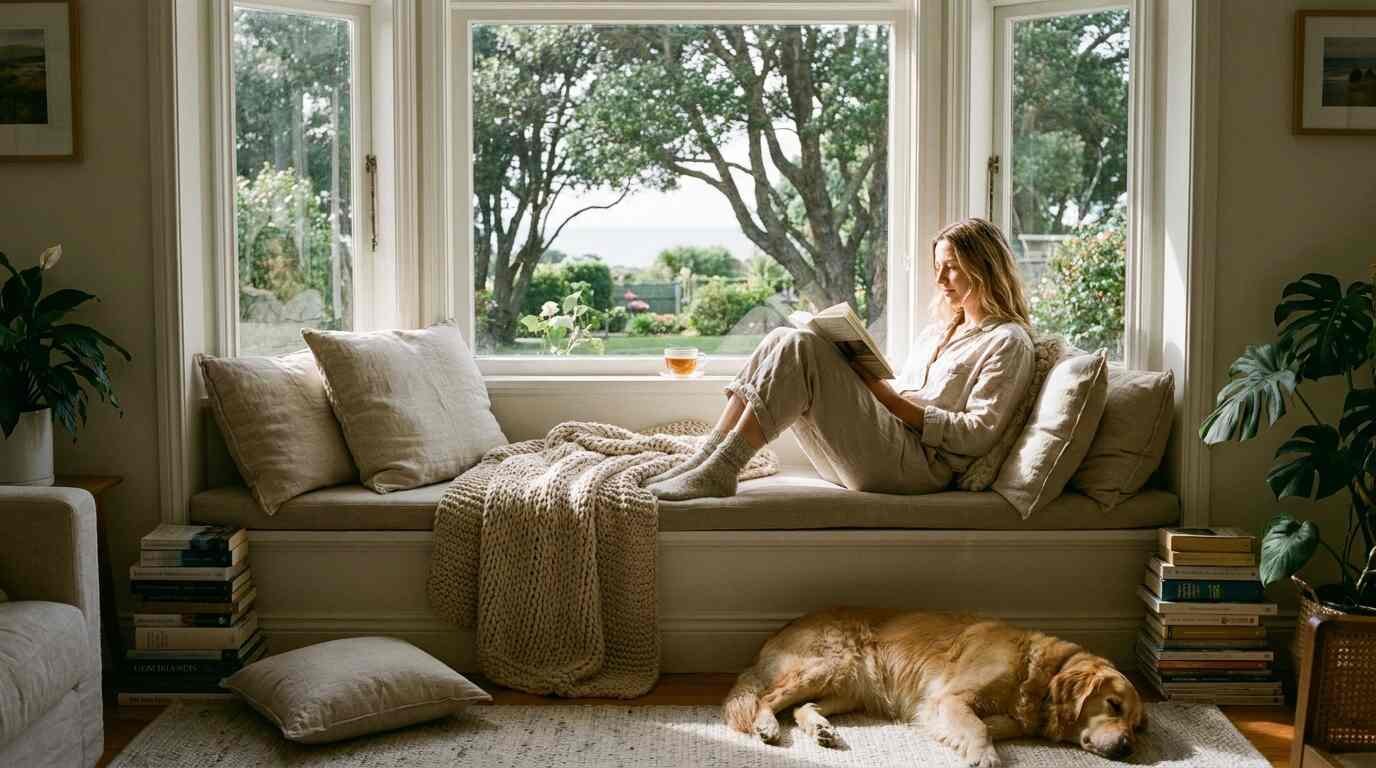
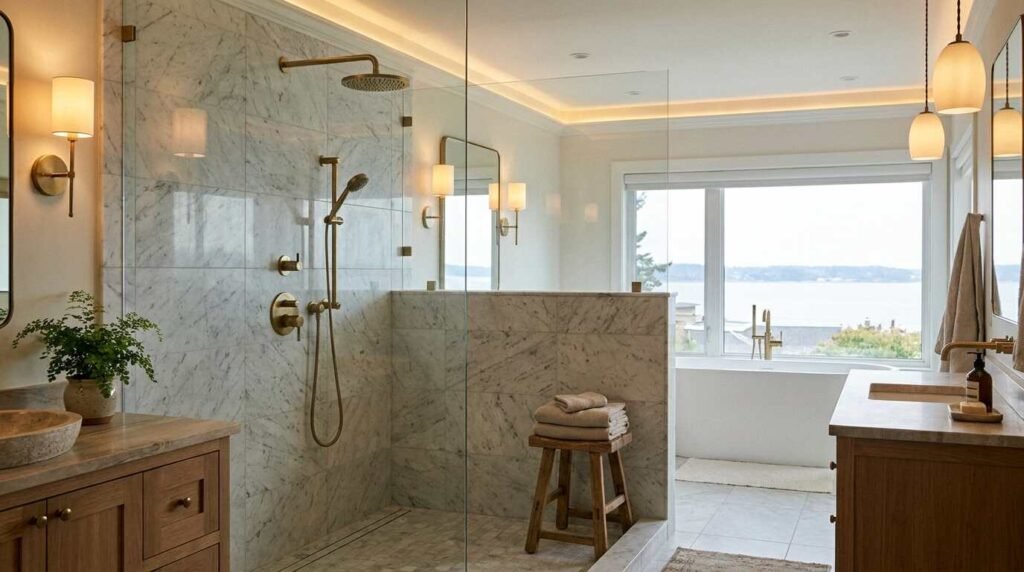
On a showing, in practical terms, this translates to: primary bathrooms that read as spa retreats rather than functional boxes — walk-in showers, warm tile, layered lighting — and buyers pausing in these rooms in a way they didn’t used to. Reading nooks and window seats that give the impression of intentional refuge. Kitchens with larger islands, warm cabinetry tones, and the clay, latte brown, and soft sage palette that has replaced builder-white. Flexible rooms that signal optionality: home office, yoga space, guest room, depending on the day.
NAR data from early 2026 shows searches for homes with arched cabinets tripling in the past year. Arch details, rounded edges, aged brass fixtures — all soft life vocabulary, all appearing in purchasing data before the TikTok conversation peaked. The content didn’t create the desire; it named what was already there.
Which Long Island Homes Already Fit the Soft Life Mold
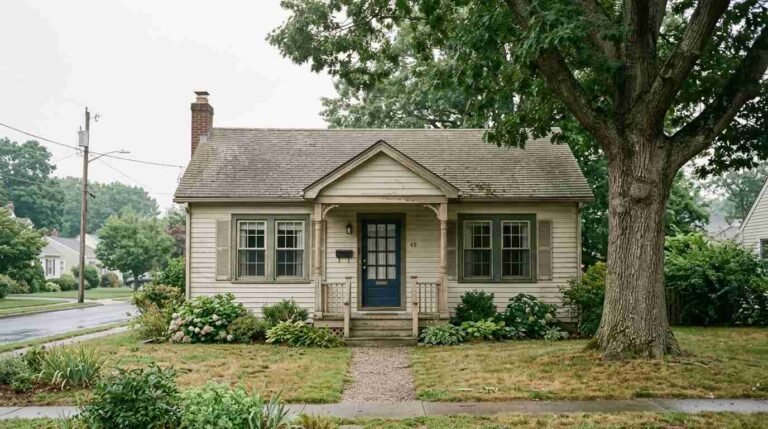
The North Shore, it turns out, is well-positioned for this moment — and not by accident. The older housing stock here has inherent warmth: original hardwood floors that patina in a way no engineered product replicates, plaster walls that absorb light rather than reflect it flatly, original millwork that gives rooms a sense of having been lived in with intention. The Craftsman and Colonial homes throughout Mount Sinai, Miller Place, and Setauket carry this quality naturally.
Waterfront properties — anything with a water view, really — already offer the soft life‘s most essential ingredient: the sense that you’ve arrived somewhere quieter than where you came from. Standing in a kitchen in Mount Sinai with the harbor visible through the window is exactly the low-stimulation environment the aesthetic is chasing on TikTok. We‘ve had it for years. We just didn’t have the content category to name it.
Older renovated homes that have added spa bathrooms while preserving original detail are performing particularly well right now. Buyers are responding to the combination of warmth-with-history in a way that new construction is struggling to replicate. I‘ve written about Mount Sinai’s character in depth and Miller Place‘s historic quietness — and what I describe in both is precisely what this aesthetic is naming. For related home design perspectives, the posts on aged brass’s return and wabi-sabi ceramics in the kitchen connect directly to what buyers are building their inspiration boards around right now.
What Sellers Should Stage (and Say) to Speak This Language
If your staging strategy is still “clean, neutral, and decluttered,” you’re thinking about the right things but stopping one step short. Clean and neutral are table stakes. What converts the soft life buyer is the addition of warmth — and warmth is achievable for a few hundred dollars and a Saturday afternoon.
Swap cold white bedding for something textured: linen, boucle, anything that reads as tactile. Add a scented candle to the primary bathroom — not as a gimmick but because scent is the fastest way to make a room feel like a retreat rather than a prop. Layer throw pillows and blankets on reading chairs and window seats. Replace cool-toned bulbs with warm ones, especially in bedrooms and bathrooms. If you have original hardwood floors, make sure they’re clean and waxed, not just swept.
In listing copy, stop leading with square footage and start with feeling. “The primary suite faces east, and in the morning the light does something particular.” That sentence sells faster than a spec sheet in this market. The first-impression work matters more than most sellers realize, and the soft life buyer gives you almost no runway at the door before they’ve already decided.
The Bottom Line: Is This a Fleeting Trend or a Lasting Shift?
The question isn‘t whether TikTok invented it. The question is whether it’s tracking something true about how people want to live. And this one is.
The Engel & Völkers report notes that 2026 design prioritizes individuality — homeowners are choosing spaces that feel layered, personal, and lived-in over the showroom-perfect staging that defined the previous decade. The Better Homes and Gardens survey confirms that finding a home that feels personal and truly like home is now the top priority for nearly half of buyers. These are buyers shopping for a feeling before they’re shopping for a feature list. Sellers who understand that are going to price out of rooms, not specs.
The soft life isn‘t going anywhere. The cultural appetite it’s feeding — for rest, for warmth, for spaces that feel deliberately un-demanding — predates TikTok and will outlast it. The algorithm named something that was already happening. My job, and the job of every listing on the North Shore, is to make sure buyers can feel it the moment they walk through the door.
Real estate markets change. This post reflects conditions as of May 2026. For current listings and market data, contact Pawli at Maison Pawli.