Basement Mold: Testing, Cleanup, and When to Call a Pro
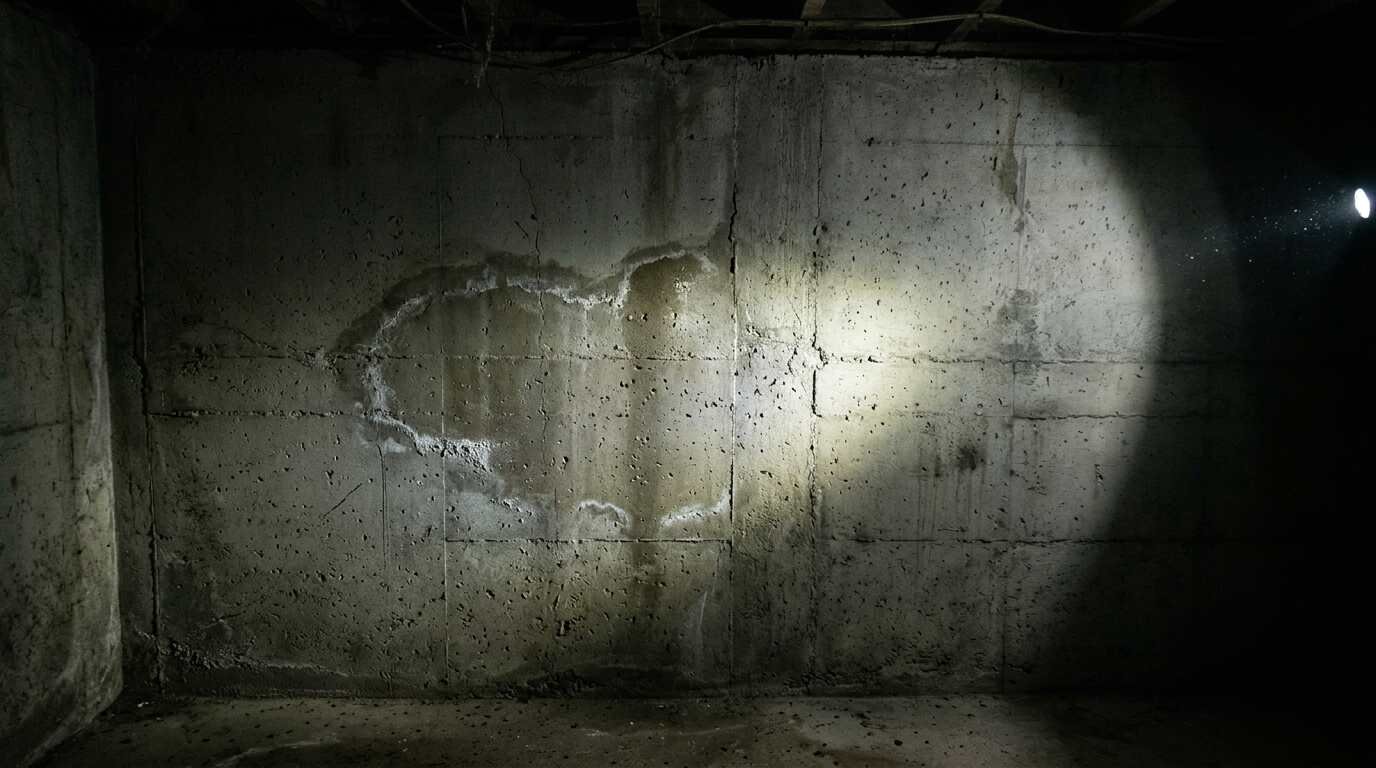
Basements in the Setauket area and across Suffolk County sit below grade, where soil moisture, seasonal humidity and the occasional heavy rain all press against the foundation. When a musty smell or a dark patch on a wall shows up, the practical questions come quickly: whether a test is worthwhile, how much can be cleaned without help, and at what point New York law expects a licensed professional. Government guidance answers most of them in plain terms, and the answers are less dramatic than much of the commercial advice online.
Why basements grow mold
Mold needs moisture. That single fact organizes almost every recommendation from public agencies. The EPA’s brief guide to mold, moisture and your home states that moisture control is the key to preventing mold, and that wet materials dried within 24 to 48 hours of a leak or spill generally will not support growth.
Basements collect moisture from several directions. The New York State Department of Health lists common sources in its New York State Department of Health mold fact sheet: roof and plumbing leaks, outdoor drainage problems, damp basements or crawl spaces, bathroom and kitchen steam, condensation on cool surfaces, humidifiers, clothes drying indoors, dryers vented indoors, and poorly ventilated heating or cooking appliances. Cold water pipes and uninsulated foundation walls in summer can sweat in the same way a glass of iced water does, and that condensation can sustain growth on stored cardboard, fabric or paper without any leak at all.
Stored belongings deserve a mention of their own. The EPA guide includes a photo of mold on a suitcase kept in a humid basement, a reminder that porous items can host growth long before a wall shows anything.
Measuring humidity before anything else
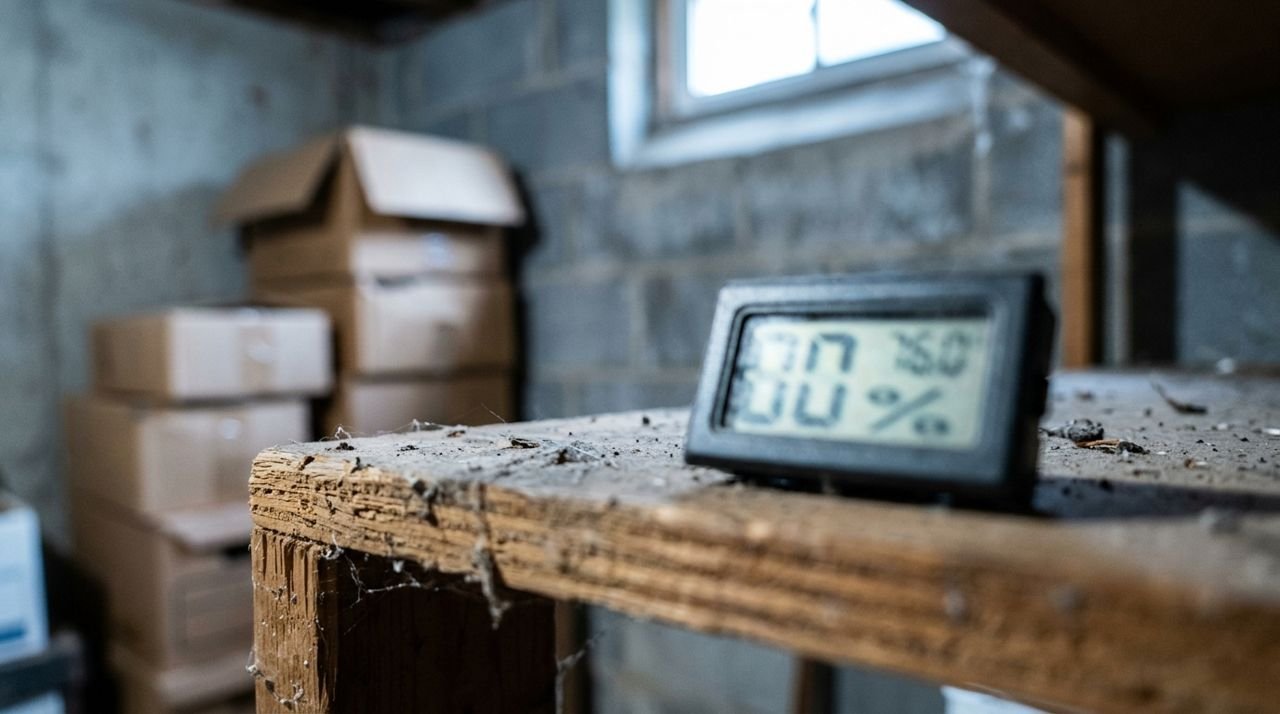
The EPA recommends keeping indoor relative humidity below 60 percent, ideally between 30 and 50 percent. A hygrometer, the instrument that reads relative humidity, is sold at many hardware stores and, according to the agency, costs roughly $10 to $50 (figures as stated in the EPA guide, which does not show a date on the page).
A reading left in the basement for a few days, including a rainy stretch, says more than a single glance. Readings that stay above 60 percent point toward ventilation, a dehumidifier or a moisture source that needs repair. The EPA also advises drying any surface where condensation appears and reducing whatever is producing the moisture, and it suggests venting clothes dryers, stoves and similar appliances outdoors where possible.
Dryer exhaust is a particular concern in basement laundry rooms, where a disconnected or crushed duct dumps warm, wet air into the space. Readers interested in the airflow side can see the related note on cleaning a dryer vent.
Does mold need to be tested?
Testing is the first thing many people consider, and the official position is consistently skeptical. The state health department’s fact sheet says mold testing is not recommended and is not required by any regulatory agency, and that no state or federal mold standard exists for homes. It adds that knowing the type of mold does not change the advice: the water problem gets fixed and the mold gets cleaned.
The EPA reaches the same place by a slightly different route. It has set no federal limits for mold or mold spores, so a lab result cannot show whether a home meets a federal standard. If mold is visible, the agency says, sampling is usually unnecessary. Where sampling does have a use is after cleanup, since surface sampling can help confirm that an area was adequately cleaned, and the EPA says it should be done by professionals experienced in mold sampling.
The New York State Department of Labor, which licenses mold professionals, makes a related point in its Department of Labor’s mold FAQ: air sampling and mold testing are usually unnecessary, and finding mold does not by itself trigger a requirement to hire an assessor or remediator.
A home inspection can still surface moisture findings, and a buyer reviewing a report may see notes about staining or elevated moisture readings. The article on walking a home inspection describes what that process looks like.
Cleaning a small area
For a limited patch, public agencies describe a do-it-yourself approach with firm conditions. The EPA says a moldy area of less than about 10 square feet, roughly a 3-foot by 3-foot patch, can usually be handled by the occupant if there has not been extensive water damage. The Department of Labor FAQ frames the same threshold as total affected area under 10 square feet, for a person with no mold sensitivity.
The sequence the agencies describe runs as follows:
- Find and correct the water or dampness source first. Cleaning without repair, the EPA notes, usually means the mold returns.
- Discard porous materials with extensive growth, such as drywall, carpet, paper and ceiling tiles, along with wet materials that cannot be fully dried.
- Scrub hard, non-rotten surfaces with detergent and water, then dry them completely. The EPA warns against painting or caulking moldy surfaces before they are cleaned and dried.
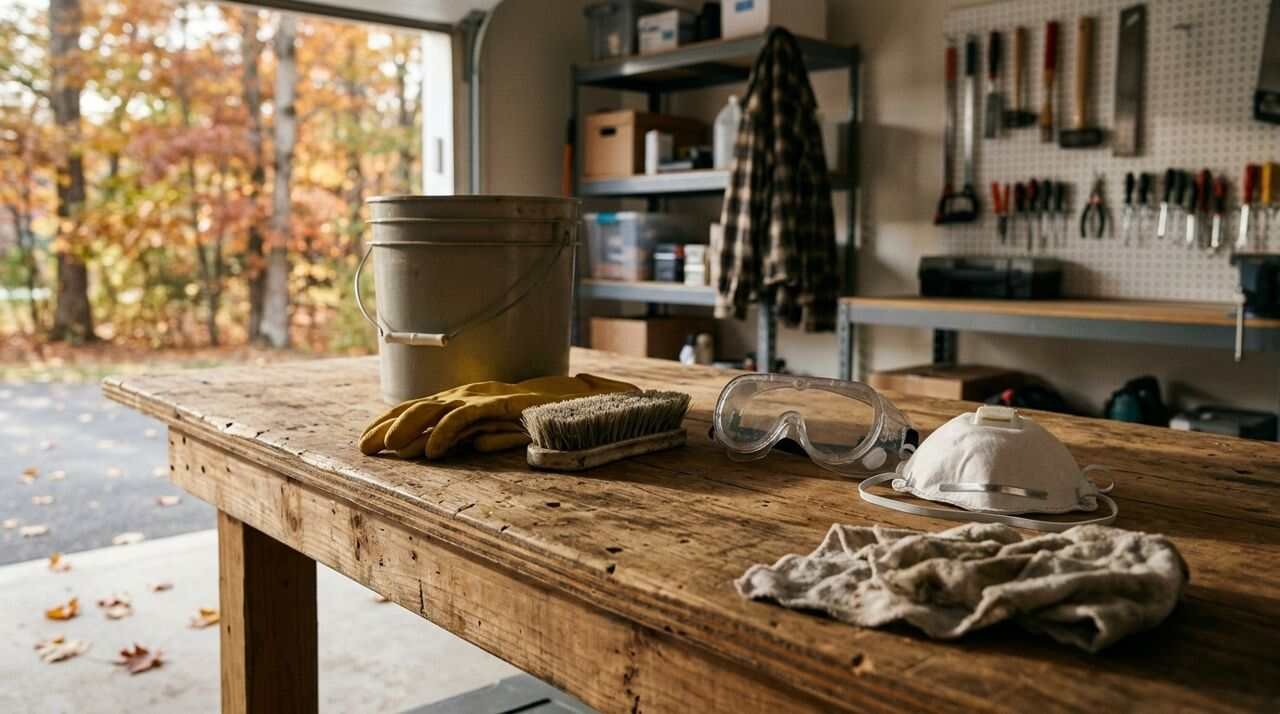
- Wear protective gear. The EPA lists an N-95 respirator that fits properly, gloves, and goggles without ventilation holes.
- Recheck for moisture and new growth afterward. The health department notes that recurrence can signal the need for further repairs or removal.
On bleach, the guidance is more nuanced than many labels suggest. The EPA does not recommend routine use of biocides such as chlorine bleach, though professionals may use them in some situations, and it cautions that bleach must never be mixed with ammonia-containing cleaners because the combination can produce toxic fumes. The state health department describes diluted bleach, one cup per five gallons of water, as an option where the moisture source cannot be removed, with fresh air and label instructions followed. Dead mold can still provoke allergic reactions, the EPA adds, which is why removal rather than killing is the goal.
According to the EPA, cleanup counts as finished when the water problem is fixed, visible mold and musty odors are gone, and a follow-up visit shows no mold or water damage.
When a professional is warranted
The EPA recommends professional help when mold covers more than about 10 square feet, when there has been significant water damage, or when the water was sewage or another contaminated source. The state health department adds a further trigger, high sensitivity to mold, and notes that people with asthma, allergies, emphysema or weakened immune systems are more sensitive, with serious infections rare and mostly affecting people with severely suppressed immune systems. Symptoms such as congestion, eye irritation, wheezing, cough and headache can have other causes, so concerns about health belong with a doctor.
The EPA also advises against running the HVAC system if it may be contaminated with mold. Where ductwork is involved, the agency’s EPA guidance on air duct cleaning suggests considering cleaning only when there is substantial visible mold growth inside hard-surface ducts or on other components, and says wet or moldy duct insulation cannot be effectively cleaned and should be replaced.
How licensing works in New York
New York regulates mold work more tightly than most states. Under Labor Law Article 32, the Department of Labor licenses mold assessors, assessment contractors, remediation contractors, abatement worker supervisors and abatement workers. Since January 1, 2016, performing, advertising or holding out to perform this work without a license is unlawful, according to the department’s FAQ.
The FAQ defines a mold project as assessment, remediation or abatement of an area greater than 10 square feet, excluding routine cleaning and unrelated construction or repair. Residential owners who inspect, assess, remediate or abate mold on their own property are exempt from licensing, and an owner may hire a licensed assessor and still perform the remediation personally. The department’s fact sheet states plainly that owners are not required to clean up mold, though a licensed professional must do the work when the affected area is larger than 10 square feet.
The process the Department of Labor describes for larger jobs has a deliberate separation of roles:
- A licensed assessor performs the initial visual inspection, which may involve a moisture meter and, in rare cases, sampling, and tries to identify the underlying moisture source.
- The assessor writes a Mold Remediation Plan before cleanup begins. According to the department, the plan covers the affected areas, estimated material to be cleaned or removed, containment and abatement methods, protective equipment, clearance criteria, estimated cost and completion time, and the type of contractor who should fix the moisture source.
- A separate licensed remediation contractor carries out the work and provides its own Mold Remediation Work Plan to the owner before starting.
- The assessor then performs a post-remediation assessment and issues either a passed clearance report or a final status report listing what remains. Contractors may not remove materials or dismantle containment until a passed clearance report is issued.
The fact sheet notes that remediation contractors are not required to repair the moisture source if they lack the expertise, which makes a plumber, drainage contractor or waterproofing specialist a separate hire in many cases. If an owner skips the post-remediation assessment, the department says the owner should sign documentation accepting the work before the professionals leave.
Licenses can be checked through the Department of Labor’s Licensed Mold Contractors Search Tool and Mold Individual Licenses Search Tool, both named in the department’s materials. Licenses are valid for two years, per the FAQ.
Condos, co-ops and rentals
Ownership structure changes who acts. The state health department notes that co-op and condo owners may need to coordinate through building management or the owners’ association, and that renters should ask the landlord or superintendent to repair persistent mold or leaks, then contact the local building department or code enforcement office if that fails. The EPA similarly suggests that renters report plumbing leaks and moisture problems right away and, when problems persist, contact local, state or federal health or housing authorities.
Preventing a repeat
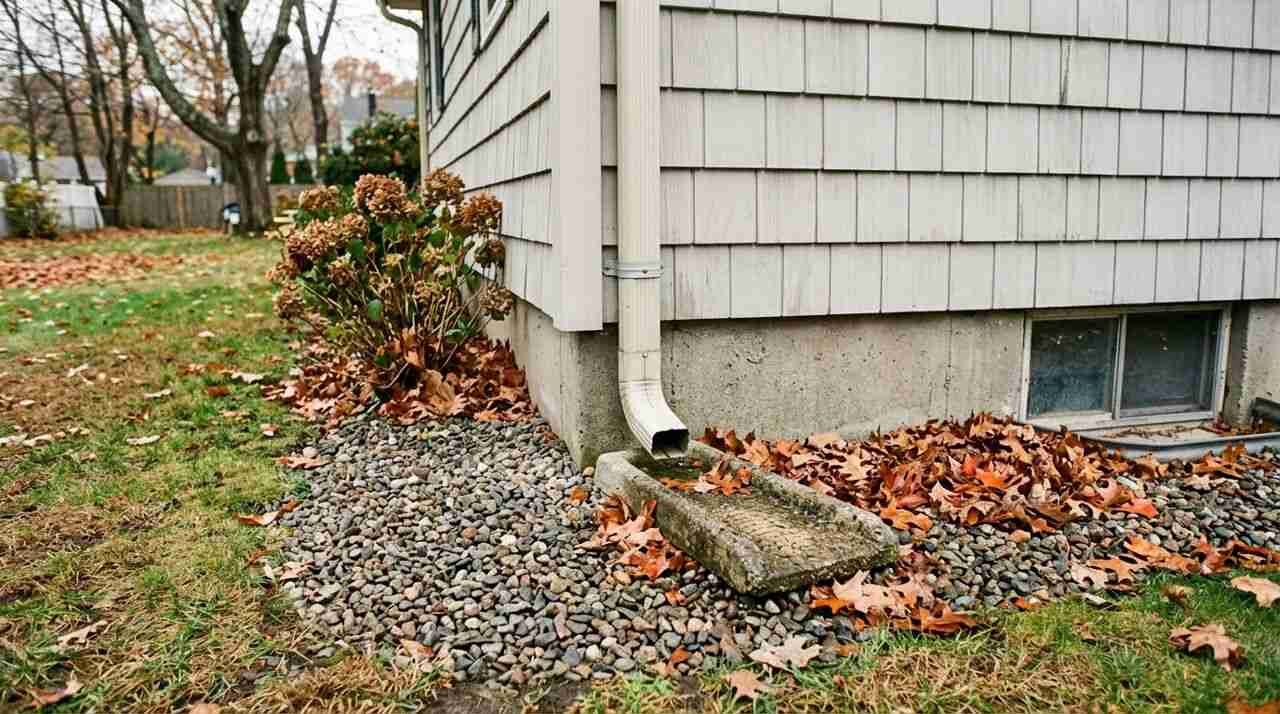
Because water is the engine, prevention is mostly drainage and humidity. The EPA advises keeping gutters clean and repaired and making sure the ground slopes away from the foundation so water does not collect there. Air conditioner drip pans and drain lines need to stay clear, and a dehumidifier can hold humidity in range through the muggy months.
After a flood or heavy storm, speed matters because of the 24 to 48 hour window noted above. Ready.gov advises decluttering drains and gutters, installing check valves to help block backflow, and considering a sump pump with battery backup. Standard homeowners policies generally do not cover flood damage, and Ready.gov notes it typically takes up to 30 days for a flood policy to take effect, so coverage questions are better settled before the water arrives.
Related reading
- radon testing: another below-grade air quality question with its own testing guidance.
- fall maintenance checklist: seasonal tasks for Long Island homes before the first freeze.
- flood zone questions: how flood zone status affects Long Island buyers.
This article offers general information and is not legal, medical or financial advice.
Useful gear
- Digital hygrometer for tracking basement humidity: a practical item related to this topic. See it on Amazon (affiliate link)
As an Amazon Associate I earn from qualifying purchases. A commission may be earned if you buy through this link, at no extra cost to you.
Rules, rates, fees and procedures change; confirm current details with the official sources linked above and with a licensed attorney or other qualified professional before making decisions.
Sources
- EPA: A Brief Guide to Mold, Moisture, and Your Home
- NYS Department of Health: Mold fact sheet (publication 7287)
- NYS Department of Labor: Mold Frequently Asked Questions
- NYS Department of Labor: What to Expect When You Hire a Mold Assessor or Mold Remediation Contractor
- EPA: Should You Have the Air Ducts in Your Home Cleaned?
- Ready.gov: Floods