Recruit Washington’s Spies Here, Then Go Home for Dinner
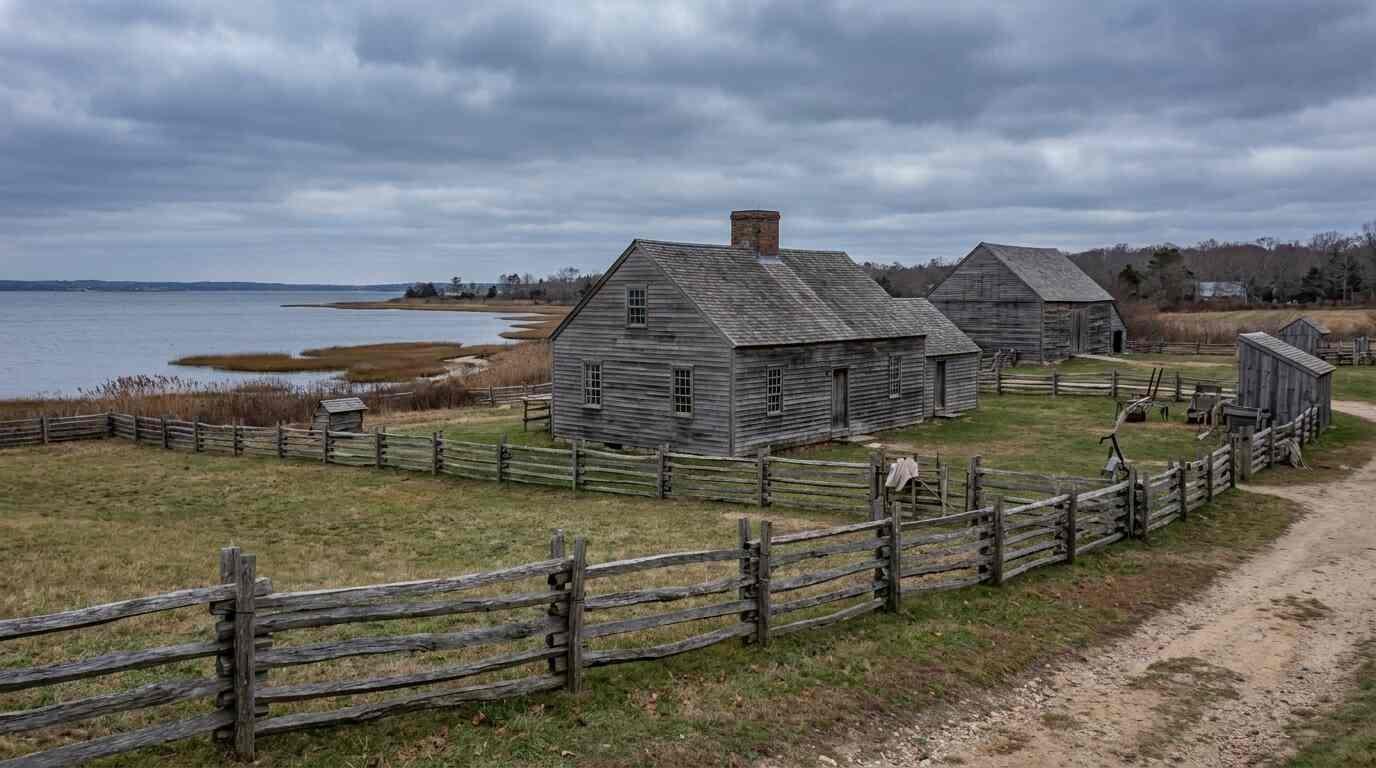
Abraham Woodhull ran one of the most consequential intelligence networks in American history. He did it from a farm in Setauket. He was not a soldier, not a professional spy, not a diplomat. He was a farmer who walked to a neighbor’s house and passed coded letters, then went back to his fields.
That is the documented record. The AMC series TURN expanded it considerably — Woodhull as a conflicted antihero, his father as a devoted Tory, his personal life as dramatic scaffolding for the espionage. Some of that is fair inference from the historical record. Some of it is television. The actual Woodhull is more interesting than either version suggests, because the actual Woodhull never stopped being ordinary. That was precisely what made him effective.
The Farmer Who Became Culper Senior
Abraham Woodhull was born on October 7, 1750, in Setauket, New York, to a family with deep roots in Suffolk County. His father, Judge Richard Woodhull, was a magistrate — as Abraham himself would later become. He grew up knowing Benjamin Tallmadge, Caleb Brewster, and Austin Roe as neighbors and childhood friends. The British occupation of Long Island began in 1776. By 1778, Woodhull had been caught smuggling goods across Long Island Sound and was jailed. Tallmadge, by then a Continental Army major stationed in Connecticut, got him released.
The arrangement that followed was straightforward in its outline and terrifying in its practice: Woodhull would travel to Manhattan, ostensibly to visit his sister Mary and her husband Amos Underhill, who ran a boarding house where British officers stayed. He would collect what intelligence he could — troop numbers, naval movements, fortification plans — write it in code or invisible ink, and carry it back to Setauket. There, Austin Roe would retrieve it, and Caleb Brewster would row it across Long Island Sound to Connecticut, where Tallmadge’s dragoons would carry it to Washington’s headquarters.
Woodhull sent his first letter under the alias “Samuel Culper” on October 29, 1778. He had taken an oath of loyalty to the Crown as cover. The alias itself was Washington’s suggestion — a play on Culpeper County, Virginia.
What the Code Book Shows
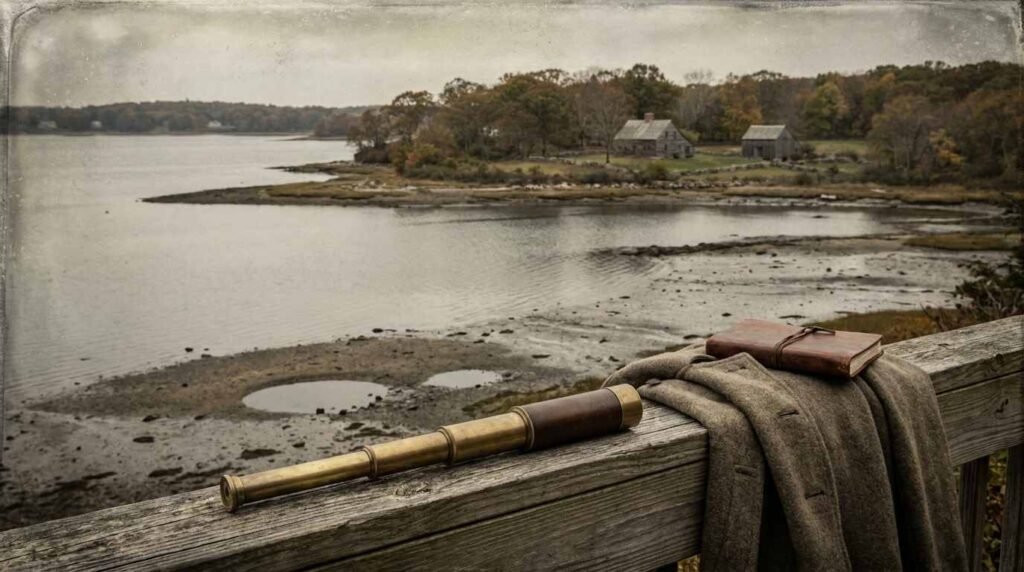
Tallmadge constructed a numerical substitution system of 763 entries. “George Washington” was code 711. “New York” was 634. “Setauket” was 729. “Long Island” was 728. Every significant noun in the operation had a number, so that an intercepted letter read as a column of figures rather than a sentence. Individual letters could also be swapped — the word “silk” became “umco” in the cipher. Invisible ink, referred to by the ring as “the stain” or “sympathetic stain,” allowed messages to be written between the lines of an ordinary business letter.
The Long Island Museum acquired a letter in 2021 that had not previously been known to scholarship: a November 8, 1779 letter from Tallmadge to Robert Townsend, the ring’s Manhattan agent, written in this numerical cipher. It is the only surviving letter from Tallmadge to Townsend. The Stony Brook University library holds additional primary documents from the ring’s operation, including the September 24, 1779 letter from Washington to Tallmadge in which Washington himself articulated the intelligence directives and methods he expected his agents to follow. More on these primary sources at the Stony Brook University Culper Spy Ring research guide.
The British captured a letter addressed to “Culper” during the war’s operation but never determined who Culper was. Woodhull’s identity remained unknown until the 20th century, when Long Island historian Morton Pennypacker matched handwriting in the coded letters to Woodhull’s documents in Setauket.
The Geography Woodhull Walked
The distances in this operation are walkable today. Woodhull’s farm sat between Conscience Bay and Little Bay, in the area now known as Setauket. Anna Strong’s farm on Strong’s Neck — the Minasseroke peninsula, as it was then called — sat across the water with a direct sightline to Woodhull’s barn. The clothesline mechanism worked because those two properties faced each other across a tidal bay narrow enough to read a signal through a spyglass.
Caleb Brewster’s departure points — the six possible coves he might use to launch across the Sound — were scattered along the Setauket and Old Field waterfront, reachable on foot. Austin Roe’s tavern, where messages were retrieved and goods were moved as legitimate commerce cover, was in Setauket. Tallmadge himself had been born in a house at the end of Runs Road, still standing. The operation’s physical infrastructure was a neighborhood — the same cluster of farms, inlets, and roads that constitute Setauket real estate today.
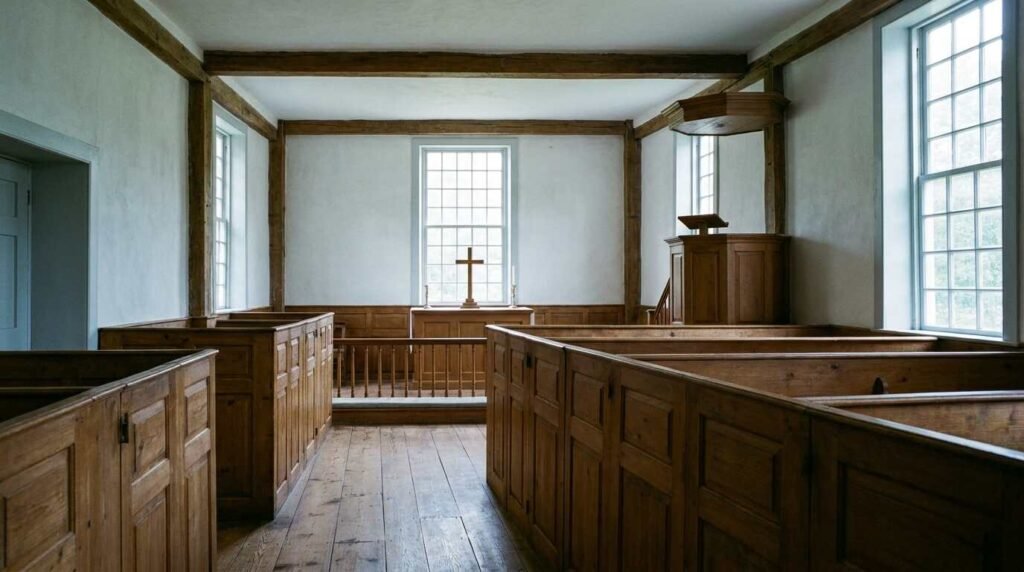
The Caroline Episcopal Church, built in 1729, still stands at 1 Dyke Road. The Setauket Presbyterian Church and its burial ground, where Woodhull is buried, still stands on Main Street. Woodhull died in Setauket on January 23, 1826, having served as a magistrate and county judge after the war, his double life a secret for the rest of his lifetime and for decades beyond.
What the Ground Remembers
The argument that Setauket is different from a town that was a potato field in 1955 is not sentimental. It is structural. The lot lines in Setauket often trace back to the original colonial land grants. The roads follow the paths that connected farms to landings. The names on the oldest gravestones in the Presbyterian churchyard are still family names on mailboxes in the Three Villages.
As Stony Brook University’s Culper Spy Ring research guide notes, this was a neighborhood espionage operation — assembled from childhood friendships, family connections, and the ordinary cover of farm commerce. Washington needed it to work precisely because it looked like nothing. The British occupied Woodhull’s farm at various points during the war. He ran messages past them. Then he went back to his fields.
The Setauket Three and the Streets They Left Behind traces the specific geography of the ring’s operation and what it means for modern street layouts. Setauket and East Setauket, NY — The North Shore Neighborhood Guide covers the full community in context. The physical evidence is still there for anyone willing to walk it. Woodhull’s farmland is residential now. The Caroline Church holds Sunday services on the same ground where Benjamin Tallmadge grew up attending school.
That is a long continuity for real estate. Most of what is sold on Long Island doesn’t have one.
You Might Also Like
- The Setauket Three and the Streets They Left Behind: What the American Revolutionary Spy Ring Still Does to Port Jefferson Area Property Values
- Setauket and East Setauket, NY — The North Shore Neighborhood Guide
- The Raynham Hall Brief: How Oyster Bay’s 18th-Century Spy House Became the Evidentiary Centerpiece of Culper Ring Historical Scholarship