Septic Systems in Suffolk: A Buyer’s Primer
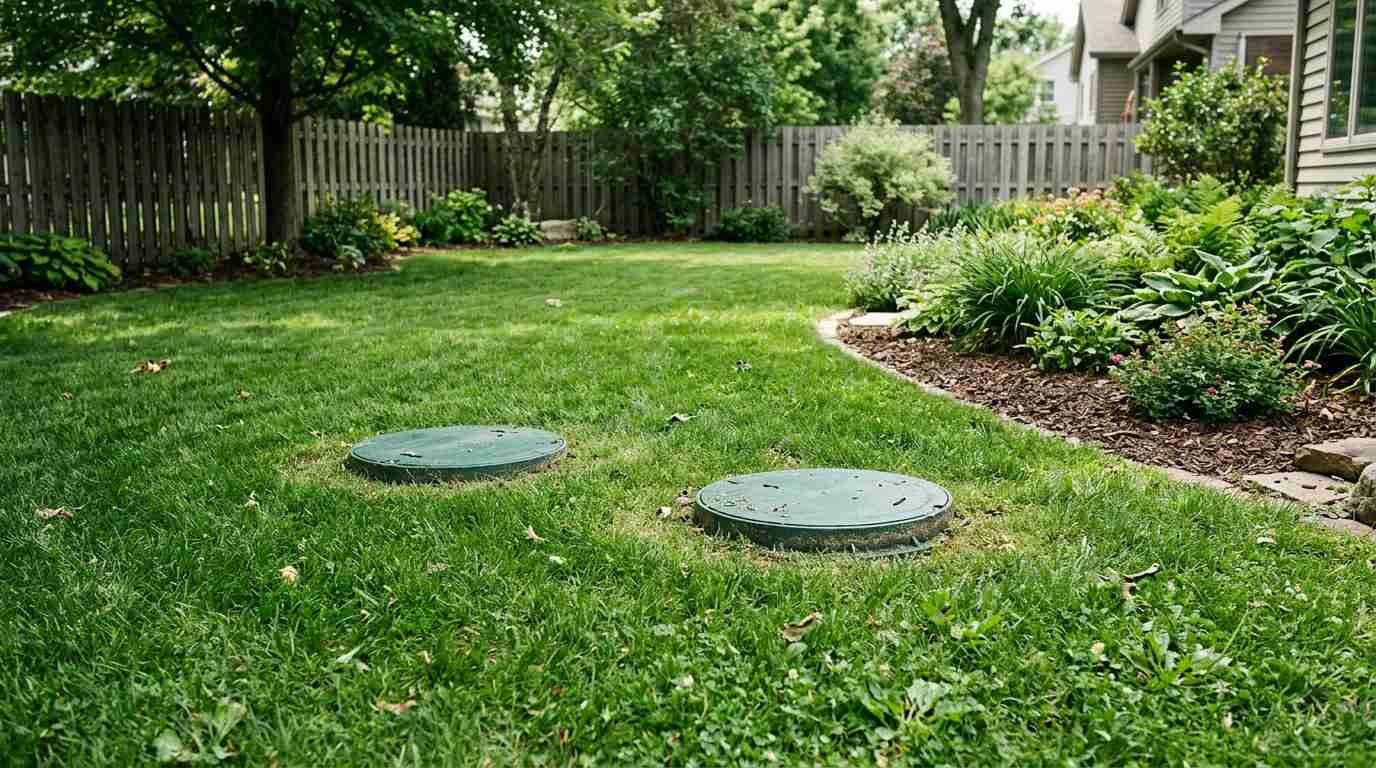
Much of Suffolk County is not connected to a public sewer, which means a large share of homes on Long Island rely on a cesspool or septic system on the property. For a buyer, that system is part of the house in a practical sense: it affects what can be added, what must be replaced and what a closing budget may need to absorb. This primer summarizes what Suffolk County Department of Health Services, New York State and other documented sources say about those systems, and the questions that follow from them.
Why the county focuses on septic systems
The county’s Reclaim Our Water page identifies nitrogen from cesspools and septic systems as the largest single cause of degraded water quality, linked to beach closures, shellfishing restrictions, toxic algae blooms and fish kills. It states that “A conventional onsite septic system was never designed to remove nitrogen,” and puts the average residential system’s discharge at about 40 pounds of nitrogen per year. Thousands of parcels, the page adds, will never connect to a sewer and need a different kind of system.
That different kind is called an innovative and alternative onsite wastewater treatment system, usually shortened to I/A OWTS or I/A system. It is built to remove more nitrogen than the older design.
A Suffolk Times Q&A with a county Department of Health Services spokesperson reports that the Suffolk County Wastewater Plan, adopted in July 2020, estimated 365,000 residential onsite systems in the county, of which about 252,530 are cesspools only. The article carries a 2024 web address but no publication date in its text, so the figures are best read as the plan’s estimate, not a current count.

Cesspool, septic tank or I/A system
The sources treat these as separate categories. The county’s wastewater plan figures count cesspool-only systems apart from the rest of the onsite total, and the county describes I/A systems as the class built to remove nitrogen. A buyer benefits from knowing which category a given house falls into, because the answer shapes both the maintenance picture and the options if a replacement is ever needed.
The records tell the story, and Cornell Cooperative Extension’s fact sheet on buying or selling a home with a septic system explains where to look. The construction permit and the certificate of occupancy show when the system was installed, and the actual layout on the lot can be compared with the sketch on the permit. A significant mismatch, the fact sheet says, may indicate a replacement installed without a permit. If records are missing, the local health department should have copies. With no records at all, the system may be very old, may not exist, or may have been installed without approval.
The Extension material was developed for New York and notes that local codes may be stricter than its general guidance, so it is a checklist for questions and not a statement of Suffolk County rules.
When an I/A system is required
According to the same Suffolk Times Q&A, Article 6 of the county code has required I/A systems for new residential construction since July 1, 2021. The article lists a new dwelling on a vacant parcel, a replacement dwelling, added bedrooms, and expansion of a dwelling that needs a larger disposal system as the covered cases. It adds that remodeling classified as new construction needs a county permit application and that the code contains exceptions homeowners and contractors should review.
Two practical points follow for a buyer. First, a house whose plans include a bedroom addition or a teardown and rebuild may trigger the requirement, and that can change the project budget before the first nail is driven. Second, the county code applies countywide, but towns and villages can add their own requirements; the article gives the example of Southold, where local boards decide when systems are required near wetlands, within the limits of the county code.
The county lists its Office of Wastewater Management at the H. Lee Dennison Building, 100 Veterans Memorial Highway in Hauppauge, with a phone number of (631) 852-5700, on its wastewater permits page. That page, which concentrates on commercial and non-single-family projects, also names Article 6 of the Suffolk County Sanitary Code as the governing document and lists an application form and fee schedule for the office. Single-family permit specifics should be confirmed with the office itself.
What replacement can cost
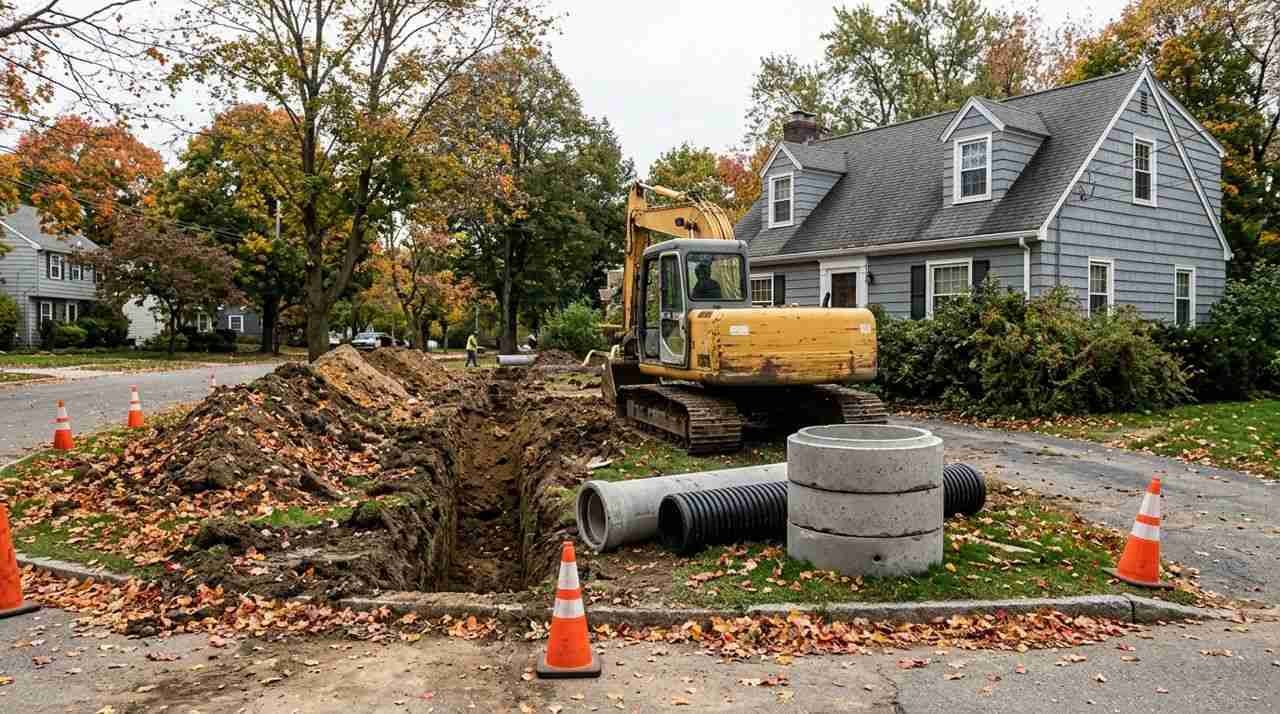
The Suffolk Times Q&A reports that speakers at a Cutchogue meeting cited installation costs above $30,000, and that one homeowner received estimates from three contractors, the highest over $50,000. Attendees also said they had not anticipated added expenses such as moving a well or hiring an engineer. These are reported figures from one local meeting and not a county price list. Costs vary with soil, lot constraints, distance to a well and the design chosen, and a written estimate for the specific property is the only reliable number.

Grants and financing
Funding information appears on several county and state pages, and the figures do not line up exactly, so each is attributed below.
- The county stormwater page says the Septic Improvement Program is open to qualified owners of residential property in the county. It describes grants of up to $10,000 for a county-approved I/A system and leaching structure, plus related engineering and design, and an additional $1,000 for pressurized shallow drainfields, for a maximum of $11,000. The owner pays the other costs.
- The New York State Department of Environmental Conservation’s page on the State Septic System Replacement Fund Program describes the Suffolk program differently: a base grant of up to $10,000, up to $10,000 more for a pressurized shallow drainfield system ($5,000) and for installation by eligible low-to-moderate income applicants ($5,000), and low-interest loans of up to $10,000 through the Community Development Corporation of Long Island.
- The Town of Huntington’s Septic Improvement Program page mentions financing of the remaining cost over 15 years at a “low 3% fixed interest rate” for eligible residents.
None of these pages carries a clear as-of date for the dollar amounts, and the DEC page states that eligibility is determined by the county’s local program contact. The county page lists the Department of Health Services at (631) 852-5811, Monday through Friday from 9 a.m. to 5 p.m., and refers readers to the Reclaim Our Water website for program details. A buyer who plans to replace a system after closing may want to confirm that a grant application can be started before work begins, since that sequencing is a question for the program office and not something the pages above settle.
The state program has its own background. The DEC page says the Clean Water Infrastructure Act of 2017 established the fund, which flows to participating counties to help homeowners and small business owners replace cesspools and failing or likely-to-fail septic systems in designated priority areas. For Long Island, those priority areas are the ones identified in each county’s Nine Element Plan. The page does not say whether Suffolk is currently participating, and it lists no application dates, so the state fund is a lead to follow up with the county and not a confirmed source of money.
Inspection and timing
The Cornell fact sheet recommends having the system evaluated by a professional engineer or building inspector as soon as a property is listed and before the sale closes, so repairs can be made. Its minimum scope includes the location, age, size and design of the system, the tank type, the accuracy of the permit and certificate of occupancy, soil and drainage conditions, the date of the last pumping, the condition of the absorption field, and any additions that could push flow above capacity.
It also raises two timing issues. A vacant house or a small household can hide problems, so the sheet suggests evaluating after 30 to 60 days of normal use where possible. And winter inspections, with snow or frozen soil over the field, can produce serious errors.
Warning signs the sheet lists include standing water or soggy ground near the absorption field, slow drains or gurgling plumbing, unusually green grass over the field in dry weather, and major additions to the house since the system was installed. Septic components within 100 feet of a well or of a lake, stream or pond are flagged as well, with the caution that local codes may be stricter. The worksheet is described as a preliminary judgment only.
Age alone does not settle the matter. The fact sheet says a properly functioning system can last 20 to 30 years, that a system more than 10 years old does not necessarily need near-term replacement if the tank is pumped regularly and the field is maintained, and that setting aside a replacement fund is prudent. For a buyer, that framing turns the inspection report into a budgeting document as much as a pass-or-fail verdict.
Questions a buyer can ask
- Is the system a cesspool, a conventional septic system or an I/A system, and what permit documents describe it?
- Does the permit sketch match what is on the lot, and does the bedroom count match the permitted design?
- When was the tank last pumped, and are pumping records available?
- Do any planned additions or rebuilds fall under the Article 6 requirements described by the county spokesperson?
- What is the setback to the nearest well, and does the property sit in an area where the town or village adds its own rules?
- Has a grant or loan application been submitted for this property, and is it transferable or restarted for a new owner?
Related reading
Other articles cover Suffolk County septic rules, costs and grants in more detail, walking a home inspection, and certificates of occupancy and unpermitted work, which relates to the permit-versus-lot comparison described above.
This article is general information and is not legal, financial or engineering advice.
Rules, rates, fees and procedures change; confirm current details with the official sources linked above and with a licensed attorney or other qualified professional before making decisions.
Sources
- Suffolk County: Reclaim Our Water Initiative
- Suffolk County: Stormwater and Reclaim Our Waters
- Suffolk County Health Services: Wastewater permits
- NYS DEC: State Septic System Replacement Fund Program
- Suffolk Times: Q&A, County official shares I/A system insights
- Cornell Cooperative Extension: What to know when buying or selling a home with a septic system
- Town of Huntington: Septic Improvement Program