The 2% Tax Cap That Wasn’t: Long Island’s 2026 School Budget Votes
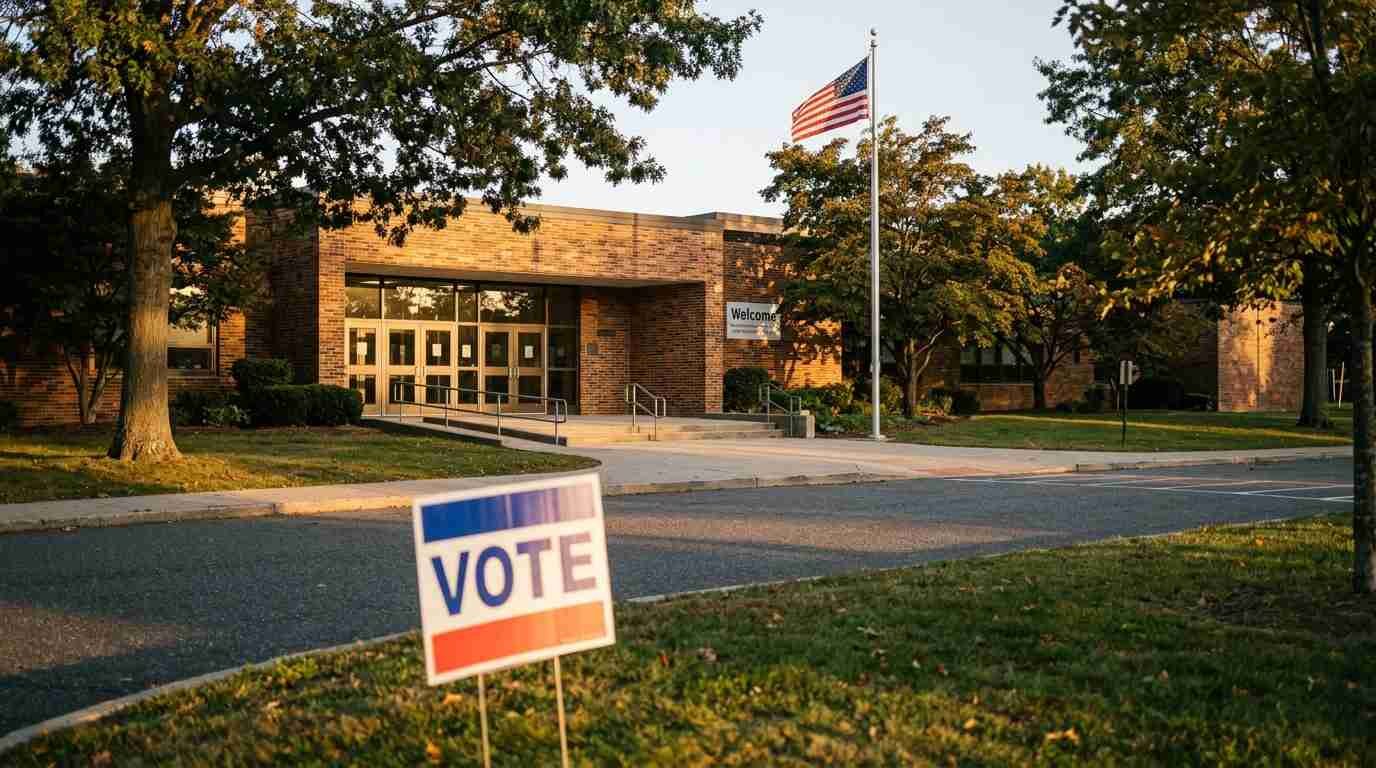
Two percent. The figure headlines every January story about school taxes in New York, and for the fifth consecutive year it is the state’s official ceiling. Then a Suffolk County district puts a budget on the ballot with a 4.54% levy increase, and the number on the page stops matching the number in the headline.
That is not an error. The cap was never a flat 2%.
What the State Actually Capped
The Office of the State Comptroller describes the rule as limiting annual tax levy increases to “the lesser of the rate of inflation or 2% with certain exceptions.” For districts with a June 30, 2027 fiscal year-end, the inflation factor is 2.63%, so the lower figure, 2%, is the one that governs. Comptroller Thomas DiNapoli put it this way in announcing the limit: “For the fifth consecutive year, the property tax levy for school districts and 10 cities will be capped at 2%.” The limit covers 675 school districts and 10 cities.
Two details decide how that headline translates into a local number. First, the cap applies to the levy, the total dollars a district raises from property owners, and not to any single bill or to the tax rate. Second, the state formula is adjusted district by district. Growth in the taxable property base can add room, and certain categories of spending are excluded from the calculation, which is what the Comptroller’s “certain exceptions” refers to. The result is a district-specific limit that can sit well above 2%.
Three Village Central School District is the 2026 example. After its second budget vote, the district reported a levy increase of 3.49% against a limit of 4.26%.
Crossing that limit is possible, but it takes a 60% supermajority. Miss it, or lose the vote outright, and a district without a successful revote must adopt a contingency budget, which carries a 0% levy increase.
The 2026 Budget Season, Dated
- January 2026: The Comptroller confirms the 2% levy limit for fiscal years beginning July 1, 2026.
- May 19: Voters statewide decide 674 school budgets. According to the state teachers’ union NYSUT, 645 pass (95.7%) and 29 fail. Fourteen of the 29 defeated districts had proposed levies above their limits and needed 60%.
- May 19, Three Village: A $244,980,092 budget carrying a 4.54% levy increase is rejected, 46.7% to 53.3%. Because 4.54% sits above the 4.26% limit cited at the revote, that version would have needed 60% to pass.
- May 28: The state budget passes. Locust Valley’s district later credits added state aid, along with cuts to administrative professional development, facilities equipment and business office contracts, for lowering its proposed levy increase from 2.10% to 1.78%.
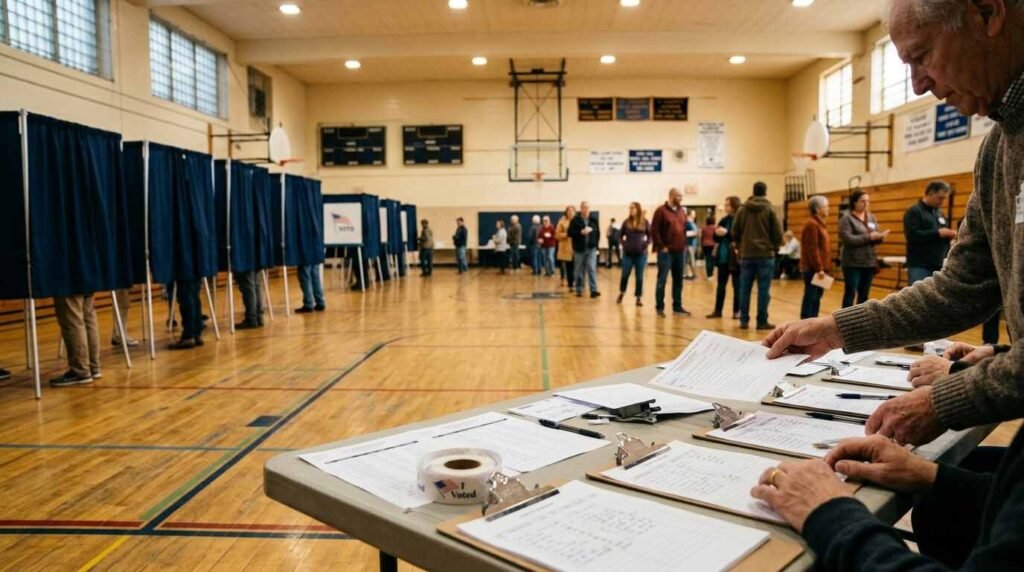
- June 16: Revotes take place. Three Village’s $243,390,092 budget passes, 2,096 to 1,817 (53.6%). Locust Valley holds its own revote the same day; the district warned that a failure would mean a contingency budget and roughly $1.6 million in additional reductions, including late buses, driver’s education and summer programs.
| Three Village | Failed (May 19) | Passed (June 16) |
|---|---|---|
| Proposed budget | $244,980,092 | $243,390,092 |
| Levy increase | 4.54% | 3.49% |
| Total levy | $187,097,362 | $185,217,549 |
| Vote | 46.7% yes | 53.6% yes |
The 2025-26 budget was $238,151,502, so the approved plan is $5,238,590 higher, about 2.2% on a budget-to-budget basis. That is a different measure from the levy increase, and the gap between the two is one more reason the “2%” label misleads. Cutting $1.59 million between votes, including five instructional positions and $500,000 in building repairs, was enough to move the result.
Board of Education President Susan Rosenzweig closed the night by thanking “everyone in the community who turned out to vote.” Turnout reached about 89% of the May total, and ran higher than any year from 2023 to 2025.
How a School Tax Bill Gets Built
A bill starts with the levy that voters approve. Divide that levy by the total taxable assessed value in the district and the result is a tax rate. Multiply the rate by a home’s assessed value and the result is that home’s school tax, before exemptions.
An illustration, using round numbers that do not belong to any real district: a $100 million levy spread across $10 billion of assessed value produces a rate of $10 per $1,000. A home assessed at $5,000 would owe $50 under that rate.
Because the rate depends on everyone’s assessments, a capped levy does not guarantee a capped bill. A home whose assessment rises faster than the district average takes on a larger share of the same levy. The same logic applies in reverse after a successful grievance. How assessment and market value differ is covered in Assessed Value vs. Market Value on Long Island, and deadlines for contesting an assessment are in the Suffolk County tax grievance guide.
Where STAR Comes In
STAR, the School Tax Relief program, reduces the school portion of the bill, and it arrives in two forms. The exemption lowers the taxable value on the bill itself. The credit is a payment from the state to the homeowner. According to the New York State Department of Taxation and Finance, Enhanced STAR, for homeowners 65 and older, carries an income limit of $110,750 for the 2026 benefit year, up from $107,300 for 2025. The Tax Department’s pages list limits by benefit year, so confirm how that maps to a specific school year before relying on it.
The full breakdown of eligibility, registration and the credit-versus-exemption split sits in the STAR exemption guide. Buyers weighing a first purchase can find the budgeting side in what Suffolk County buyers should plan for in property taxes.
Common Questions
Does a 2% cap mean a bill rises 2%? No. The cap applies to the district’s total levy, and the limit itself varies by district. Individual bills move with assessments, exemptions and the district’s rate.
What happens when a budget fails twice? Under the rules summarized by NYSUT, a district that skips a revote or loses one must adopt a contingency budget with a 0% levy increase, which usually means cutting non-contingent items.
Does moving to a new district reset the numbers? Each district sets its own levy and limit, so a bill in one school district says little about the next one. Boundaries matter; see the Three Village school district boundaries for one example.
This is for informational purposes only — consult a licensed attorney or financial advisor.
Real estate markets change. For current listings and market data, contact Maison Pawli at maisonpawli.com/about/.
You Might Also Like
- More Homes on the Market: What the New Act Means for Long Island Sellers
- Closing Costs for Long Island Buyers, Broken Down
- Suffolk County Tax Grievance Deadline 2026
Sources
- NYS Office of the State Comptroller: School district tax cap levy remains at 2 percent (Jan. 2026)
- NYSUT: 95.7 percent passage rate for school budgets
- NYSUT: Budget revotes
- TBR News Media: Three Village passes $243M budget
- TBR News Media: Three Village school budget and Long Island Museum proposition both fail
- Locust Valley Central School District: revised budget and June 16 revote
- NYS Tax Department: STAR types
- NYS Tax Department: Enhanced STAR income limits