Radon in Long Island Homes: What State Data Shows and What Testing Costs
A radon test kit from the New York State Department of Health costs $12.25, with the lab analysis and postage included, which puts it among the least expensive pieces of due diligence available to a homeowner or a buyer.
Radon is a radioactive gas that rises from the soil beneath a foundation and into the rooms above it, and the EPA ranks it as the leading cause of lung cancer among people who have never smoked. Long Island’s numbers in the state’s own survey run lower than the statewide figures, which is reassuring and also a little misleading, since the only reading that counts for a given house is the one taken inside it. What follows covers the data for Nassau and Suffolk, how a home test works, what a fix involves, and where radon enters a sale.
Why the EPA and the state treat it as a health issue
The EPA estimates that radon is responsible for about 21,000 lung cancer deaths in the United States each year, roughly 2,900 of them among people who never smoked. Both the EPA and the New York State Department of Health recommend fixing a home when a test comes back at 4 picocuries per liter of air (pCi/L) or higher. The EPA adds that results between 2 and 4 pCi/L are worth weighing, although getting a house below 2 is hard to achieve in practice.
How radon gets into a house
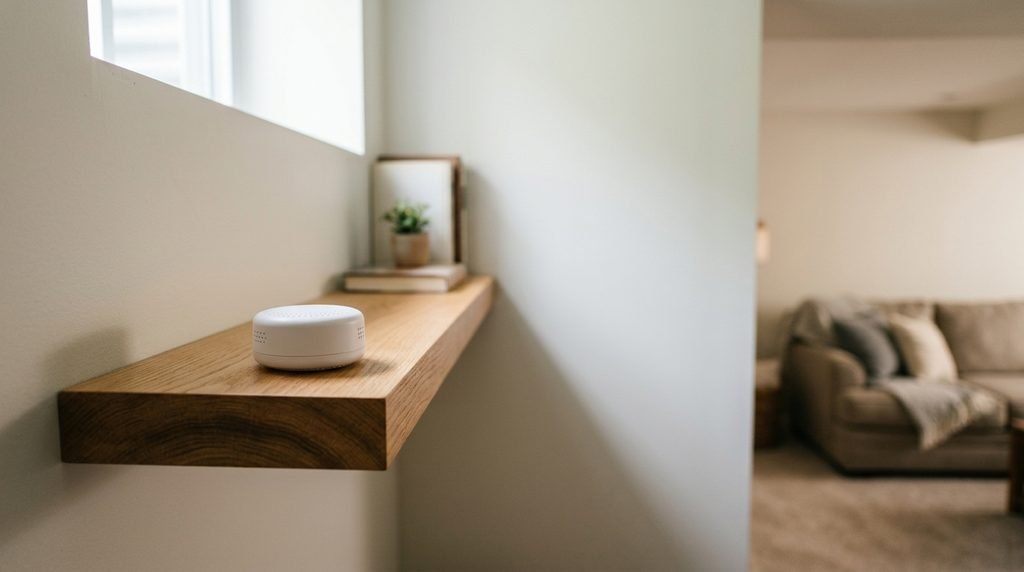
Soil gas under the foundation is the main source, and it finds its way in through the ordinary imperfections of a building. The EPA’s Citizen’s Guide to Radon lists these entry points:
- Cracks in solid floors
- Construction joints
- Cracks in walls
- Gaps in suspended floors
- Gaps around service pipes
- Cavities inside walls
- The water supply
Location within the house matters too. The state’s Wadsworth Center notes that basement concentrations typically run two to three times those on the first floor, which is one reason the EPA directs a detector to the lowest lived-in level of the home.
What the numbers show for Nassau and Suffolk
The EPA’s map of radon zones places both Nassau and Suffolk in Zone 3, the category for counties where the predicted average indoor level is below 2 pCi/L. The agency also states that the map should not be used to decide whether an individual home gets tested, and it recommends testing every home regardless of zone.
The state ran its own screening program from 1986 to 2007, gathering more than 45,000 basement measurements and more than 11,000 long-term living-area measurements across New York. County summaries dated February 2007 show lower rates on Long Island than for the state as a whole:
| Area | Homes measured | Living area above 4 pCi/L (long-term) | Basement above 4 pCi/L (short-term) |
|---|---|---|---|
| Nassau County | 590 | 0.3% | 4% |
| Suffolk County | 358 | 0.5% | 6% |
| New York State | 11,000+ living-area readings; 45,000+ basement readings | about 5% | about 18% |
Three cautions apply to that table. The county data is close to twenty years old, and no more recent county-level survey turned up while researching this post. The living-area figures come from measurements lasting 90 days to a year, while the basement figures come from short-term tests that typically run two to seven days, so the two columns are not directly comparable. And a low county rate describes a pool of houses, not any one of them; the EPA points out that levels vary significantly even within a county.
How a home test works
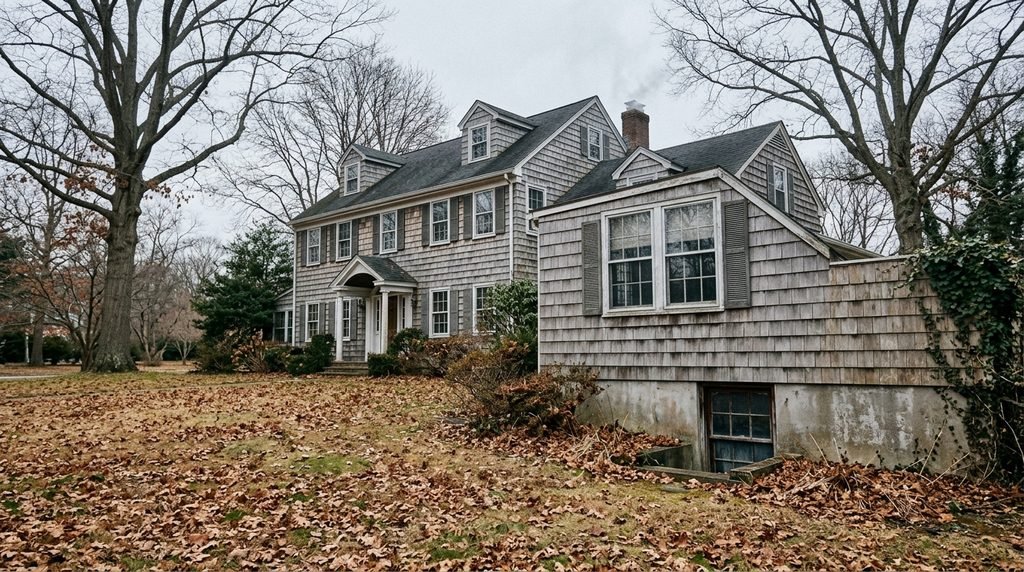
Short-term tests run from two days up to 90 days, and long-term tests run longer than 90 days. For most homeowners the entry point is a mail-in kit. The state sells them for $12.25 each, covering the device, lab analysis, and postage, and requests go through radon@health.ny.gov.
Closed-house conditions are part of the method. The state’s guidance asks for the house to stay sealed for 24 hours before and during the test, while the EPA’s guide specifies at least 12 hours for the shortest tests, so following the instructions packed with the kit is the safer course. Placement follows the EPA’s guide: the lowest lived-in level, in a regularly used room such as a bedroom or living room rather than a kitchen or bathroom, at least 20 inches off the floor and away from drafts, heat, humidity, and exterior walls.
Timing favors the cold months. The state recommends testing in winter, when windows and doors stay shut, and January is designated National Radon Action Month, so the start of the heating season is a sensible time to order a kit.
The state’s retest schedule is straightforward: every five years for an established home, every two years once a mitigation system is in place, within 30 days of installing one, and again after remodeling or weatherizing. Heating upgrades are a common reason for the last one; the costs of oil, gas, and heat pump options are laid out in Heating a Long Island Home in 2026, and any weatherizing that comes with such a project falls under the retest rule.
If the result is 4 or higher
A first reading at or above 4 pCi/L calls for follow-up testing, and the EPA says a result above 8 pCi/L warrants a second short-term test right away.
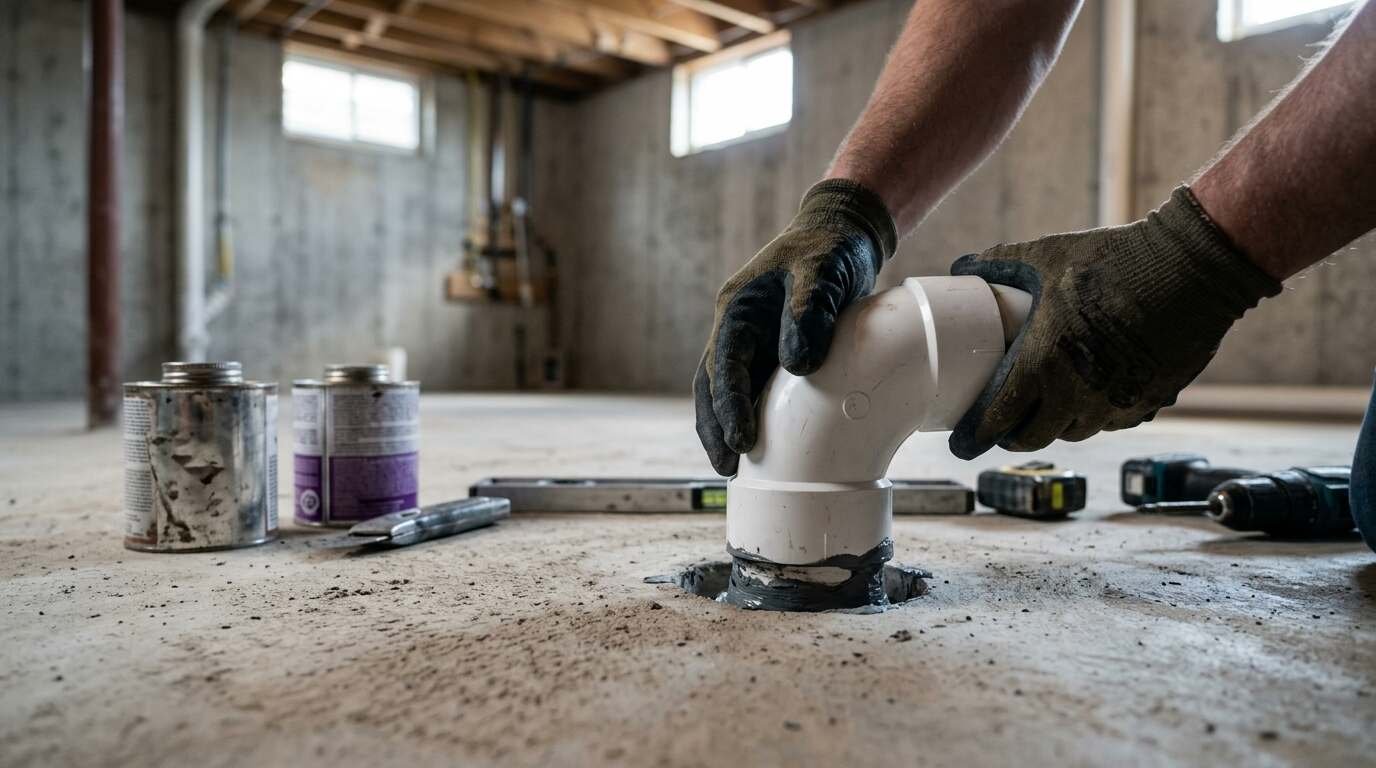
Confirmed high levels are fixed with a radon reduction system, which the state says can lower levels by as much as 99 percent and which must be installed by a certified radon mitigation contractor. The health department’s radon page puts the average cost at about $1,500. That figure comes from the state’s own page and may not match current contractor pricing, so the practical check is the one the EPA suggests: ask for references and more than one estimate. The EPA describes the typical cost as comparable to other common home repairs. A follow-up test within 30 days of installation confirms the system is working.
Questions about testing or mitigation can go to the state’s radon hotline at (518) 402-7556.
Radon in a home sale
Buyers are told to test before purchase. The state recommends hiring a certified radon measurement professional during a transaction, with the lab analysis performed by a company approved under the State Environmental Laboratory Approval Program, and the EPA notes that buyers often request independent testing. A result that comes back high is then handled like any other inspection finding, a process covered in The Inspection Report as a Negotiating Document and in The Inspection Contingency Is Not a Formality.
Sellers have their own reasons to act early. The EPA advises testing before listing and saving the results, and fixing any problem beforehand so it does not complicate the sale; the sequencing argument for inspecting first is made in The Pre-Inspection Move.
New York’s statewide Property Condition Disclosure Statement also touches the subject. The June 2023 revision of the form asks whether a radon test has been done and, if so, for a copy of the report. Sellers must deliver the completed form before the buyer signs a binding contract. As of March 20, 2024, the long-standing option of giving the buyer a $500 credit in place of the form was removed, and the State Bar Association has noted that the law leaves the consequence of skipping the form less clear. The obligations that come with the form are covered in The Seller’s Disclosure Form Is a Legal Document.
This is for informational purposes only — consult a licensed attorney or financial advisor for your specific situation.

New construction
Homes built with radon-resistant features have a head start. The EPA describes the techniques as simple and inexpensive, and the state notes that a passive system installed during construction costs less than adding one afterward. Neither replaces testing: the EPA recommends testing a new home once it is occupied, and if the result is 4 pCi/L or higher, a qualified mitigator can activate the passive system by installing a vent fan. Other contract terms worth reading before signing are covered in The Builder Fine Print.
Questions homeowners ask
Does Long Island have radon?
The EPA places Nassau and Suffolk in its low-potential zone, and the state’s 2007 county surveys found lower rates than the statewide average. Neither finding rules out a high reading in a particular house, which is why both agencies recommend testing every home.
How often should a house be tested?
Every five years for an established home, every two years with a mitigation system installed, and after remodeling or weatherizing, according to the state health department.
What does fixing radon cost?
The state health department lists an average of about $1,500, though that number may lag current pricing. Written estimates from more than one certified contractor are the reliable way to find out.
Where can someone get a test kit?
The state health department sells kits for $12.25 each, including lab analysis and postage, through radon@health.ny.gov.
Real estate markets change. For current listings and market data, contact Maison Pawli at maisonpawli.com/about/.
You Might Also Like
- The Home Inspection Red Flags That Matter Most on Long Island’s Older Housing Stock
- The Iron Ghost in the Yard: Why Sellers Need to Hunt Their Own Oil Tanks
- Suffolk County Septic Systems in 2026: Rules, Real Costs, and Up to $45,000 in Grants
- The Insurance Quote Comes Before the Offer: What Long Island Buyers Should Check
Sources
- U.S. EPA, Health Risk of Radon
- U.S. EPA, A Citizen’s Guide to Radon (PDF)
- U.S. EPA, EPA Map of Radon Zones: New York (PDF)
- U.S. EPA, Radon Publications, Webinars, and Videos
- New York State Department of Health, Radon
- New York State Department of Health, Recognizes January as Radon Action Month (January 31, 2025)
- Wadsworth Center, New York State Department of Health Radon Monitoring Program
- Wadsworth Center, Suffolk County Indoor Radon Estimates, February 2007 (PDF)
- Wadsworth Center, Nassau County Indoor Radon Estimates, February 2007 (PDF)
- New York State Bar Association, Property Condition Disclosure Act Amended; New Requirements Go Into Effect in March
- New York State Department of State, Property Condition Disclosure Statement, Rev. 06/23 (PDF, hosted by Abstracts Inc.)