A Home Warranty Is Not Homeowners Insurance: What Long Island Buyers Confuse Every Closing Season
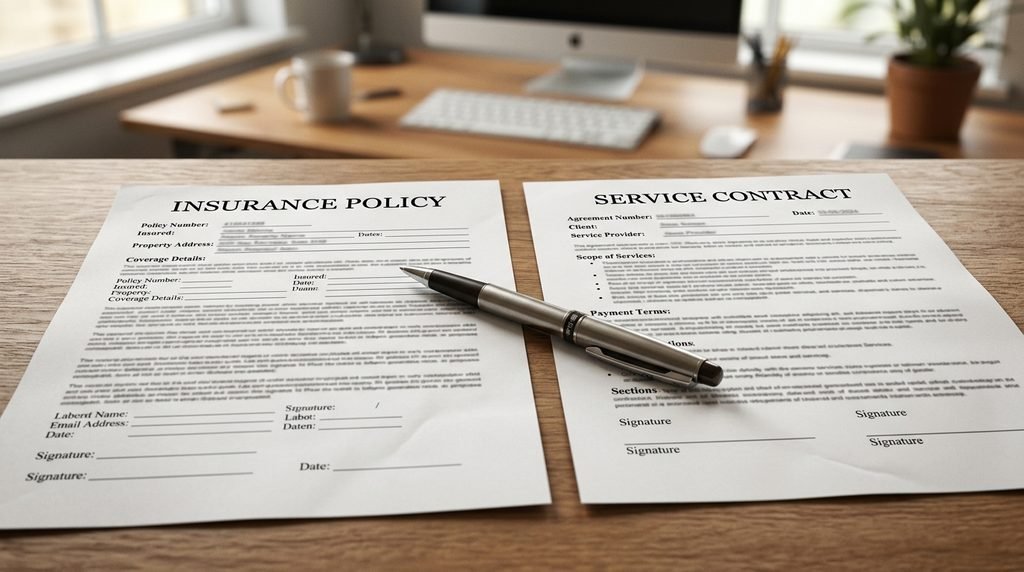
Two documents show up at nearly every Long Island closing table, and buyers routinely assume they do the same job. They do not. One is required by nearly every mortgage lender before the loan will fund. The other is optional, sold by a third-party company, and frequently offered as a closing gift from the seller’s agent. Confusing the two leaves a homeowner either underinsured against a real disaster or paying twice for coverage they already have.
What Homeowners Insurance Actually Covers
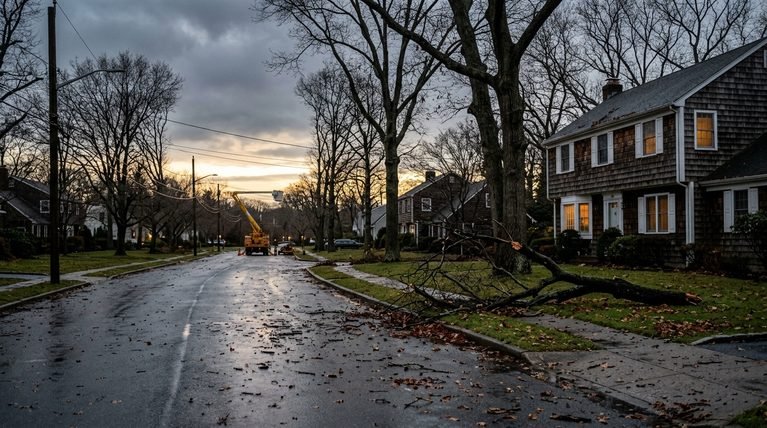
Homeowners insurance protects the structure of the house, the belongings inside it, liability if someone is injured on the property, and additional living expenses if the home becomes temporarily uninhabitable. It responds to specific, named perils — fire, theft, windstorm, lightning — and on Long Island, it typically excludes flood damage entirely, which requires a separate policy through the National Flood Insurance Program or a private flood carrier. Nearly every mortgage lender requires proof of an active homeowners insurance policy as a condition of the loan, and it stays in force for as long as the homeowner keeps the house, renewing annually.
Average annual premiums run well over a thousand dollars nationally, and Long Island homeowners — particularly those closer to the Sound or the Great South Bay — have watched that number climb in recent years as carriers reprice coastal risk. Maison Pawli covered that trend in detail, and buyers shopping for coverage before an offer is even accepted should read what an insurance quote can reveal before the contract is signed.

What a Home Warranty Actually Covers
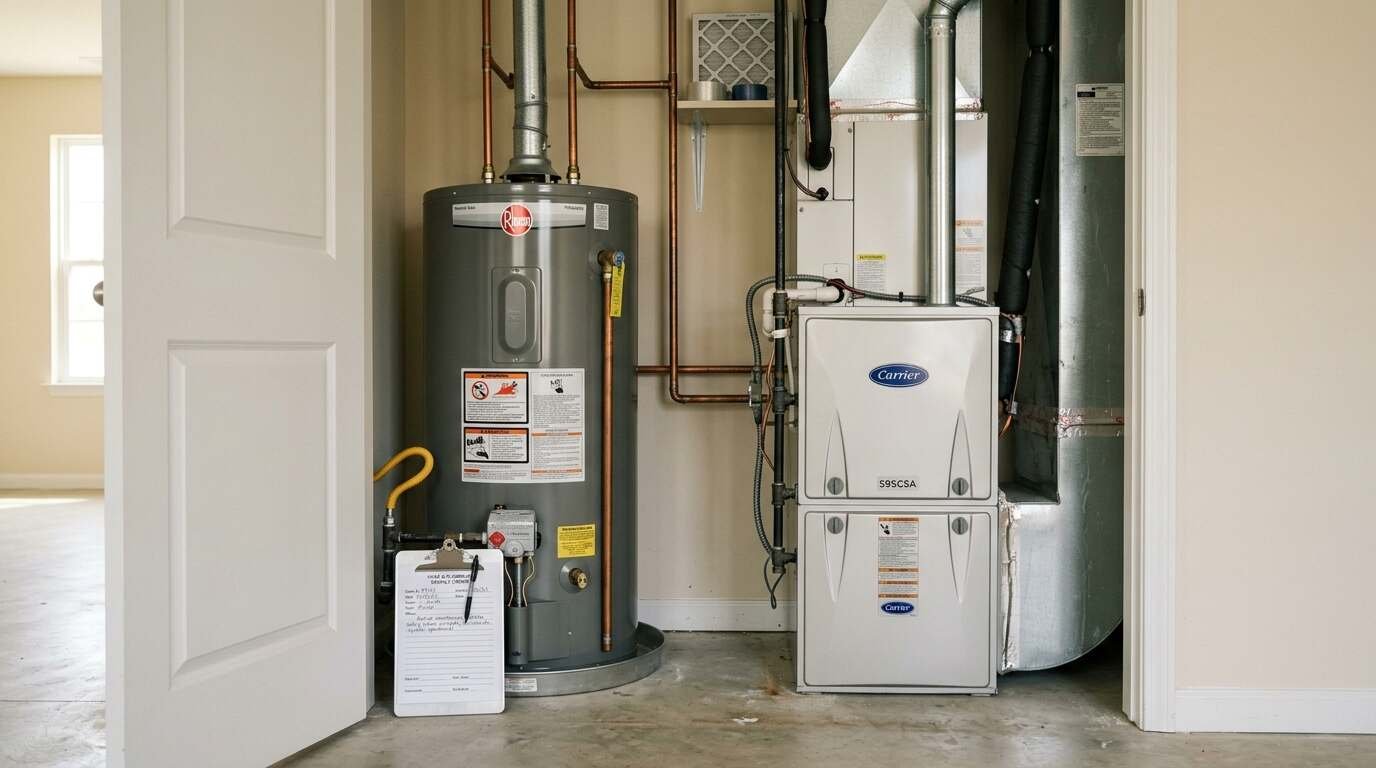
A home warranty is a service contract, not an insurance policy, and it covers something entirely different: the repair or replacement of major home systems and built-in appliances when they fail from ordinary wear and tear. HVAC systems, water heaters, plumbing, electrical systems, and kitchen appliances are the typical inclusions. When something covered breaks, the homeowner calls the warranty company rather than a contractor of their own choosing, pays a service call fee — generally $75 to $125 — and the company dispatches a technician from its own network.
Home warranties run considerably cheaper on an annual basis than homeowners insurance, typically $540 to $865 per year depending on plan tier and add-ons. The tradeoff is scope. A home warranty will not rebuild a house after a fire and will not cover a burst pipe’s water damage to flooring — that is homeowners insurance territory. It exists for the mundane, near-certain failures: the water heater that finally gives out in year twelve, the dishwasher motor that seizes on a Tuesday.
Where the Two Overlap — and Where the Confusion Starts
The overlap is narrow but real. Both can, in some circumstances, touch a home’s plumbing or electrical systems, and homeowners occasionally file the same claim with both providers before realizing only one will pay. Insurers generally decline claims tied to ordinary mechanical failure rather than a sudden, covered peril, which is precisely the gap a home warranty is built to fill. Reading both policies’ exclusions before a system fails, rather than after, saves the frustration of a denied claim at the worst possible moment.
Who a Home Warranty Actually Helps
Buyers of older homes with original mechanical systems are the clearest beneficiaries — a lot of Long Island’s housing stock, particularly on the North Shore, predates today’s HVAC and water heater standards by decades, and a warranty converts an unpredictable repair bill into a flat, budgeted cost. First-time buyers stretched thin after a down payment often appreciate the predictability as well. Sellers, for their part, sometimes offer a one-year home warranty as a closing incentive precisely because it reassures a nervous buyer without touching the sale price.
Homeowners with newer systems still under manufacturer warranty, or those with enough cash reserve to self-insure against a single appliance failure, often find the annual premium is not worth it. The math is specific to the house and the buyer’s own risk tolerance, not a rule that applies evenly across every closing.
The Bottom Line for Long Island Buyers
Homeowners insurance is not optional — a lender will not close a loan without it, and the exposure it covers (fire, storm, liability) is financially catastrophic without it. A home warranty is a separate, optional decision about whether a homeowner wants to trade a modest annual fee for predictability on repairs that are likely, but not certain, to happen. Neither replaces the other, and a buyer who assumes a seller’s home warranty means the insurance requirement is satisfied will find that out the hard way at the mortgage closing table.
This article is for informational purposes only and does not constitute insurance, legal, or financial advice. Coverage terms, exclusions, and pricing vary by provider and policy; consult a licensed insurance professional before purchasing either product.
You Might Also Like
- Why Long Island Homeowners Insurance Keeps Climbing — Even Away From the Flood Zone
- The Insurance Quote Comes Before the Offer: What Long Island Buyers Should Check
- The Inspection Report as a Negotiating Document
Real estate markets change. For current listings and market data, contact Maison Pawli at maisonpawli.com/about/.