North Fork Wine Country Has a Secret Season. It’s Not Summer.
Fall is when North Fork wine country gets serious. Harvest season, fewer crowds, and bottles you can’t get in summer. Here’s why autumn is the real move.
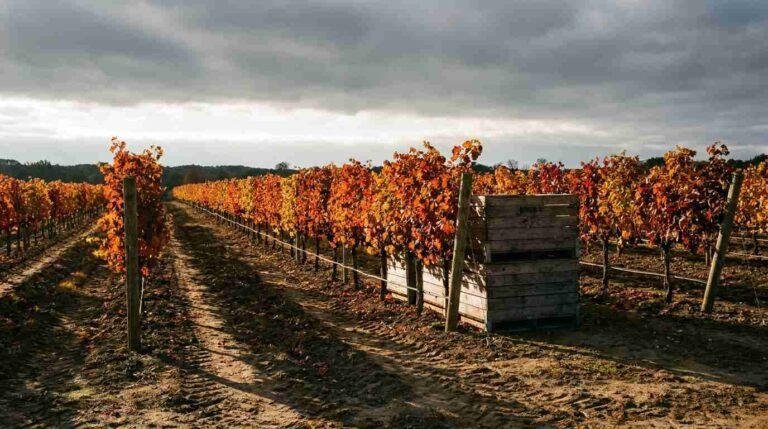
Fall is when North Fork wine country gets serious. Harvest season, fewer crowds, and bottles you can’t get in summer. Here’s why autumn is the real move.
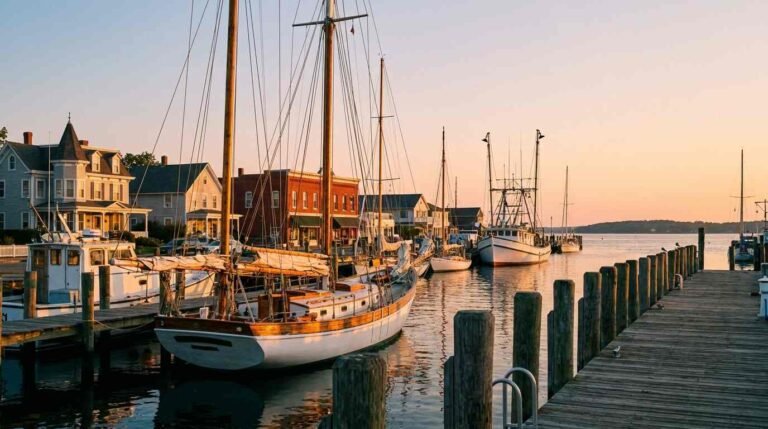
Greenport packs more into a few walkable blocks than most towns manage across miles. Oysters, art, maritime history, and wine — here’s how to spend a day right.
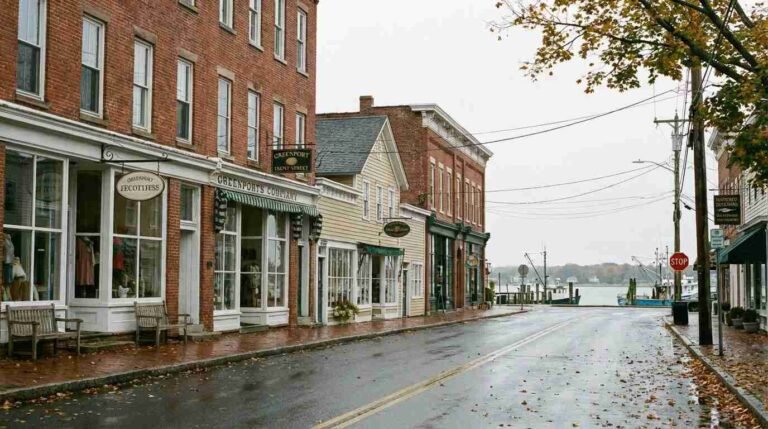
The boutique on Front Street was once a chandlery. The wine bar was a sail loft. How to read Greenport’s commercial block architecture as economic history.
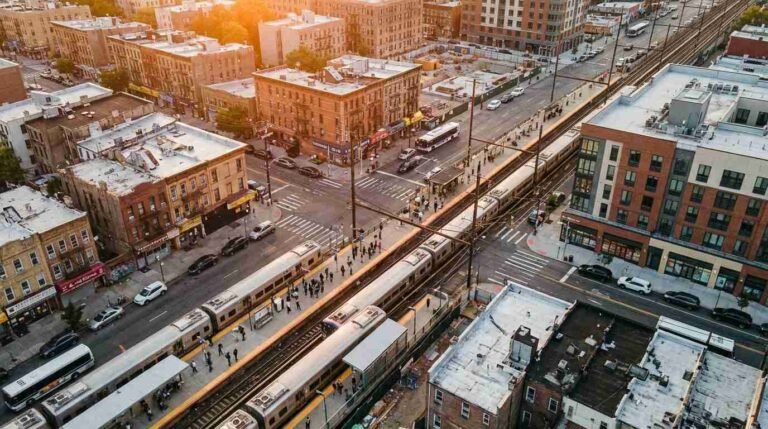
Huntington Station has been on the edge of revitalization for two decades. Here’s what the before-and-after actually looks like — and what it means for buyers who’ve been watching.
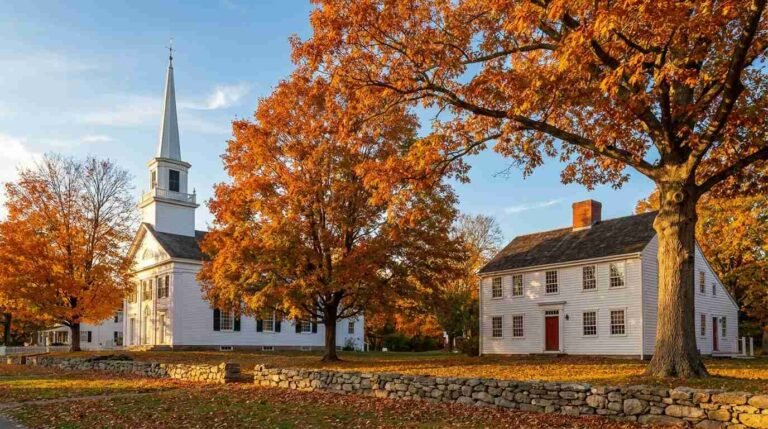
Setauket and East Setauket offer colonial history, Three Village schools, and a North Shore character that has resisted every trend toward sameness. Here's what buyers need to know.
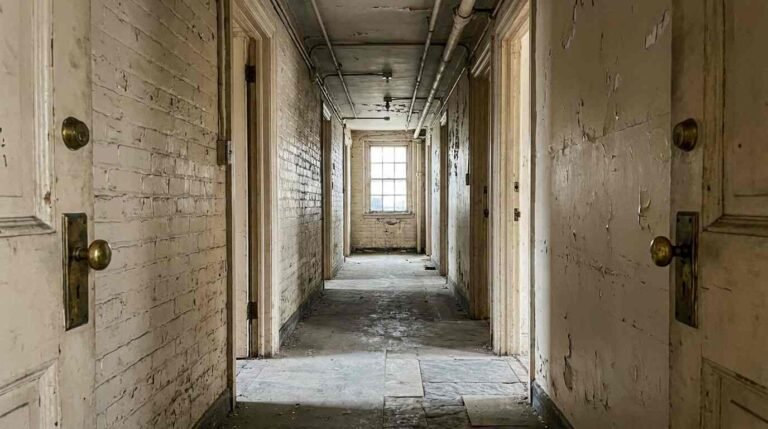
The craftsmen who built Long Island’s Gold Coast estates brought rare trades from Europe and America’s workshops. Here’s what they built, how they built it, and what survives.
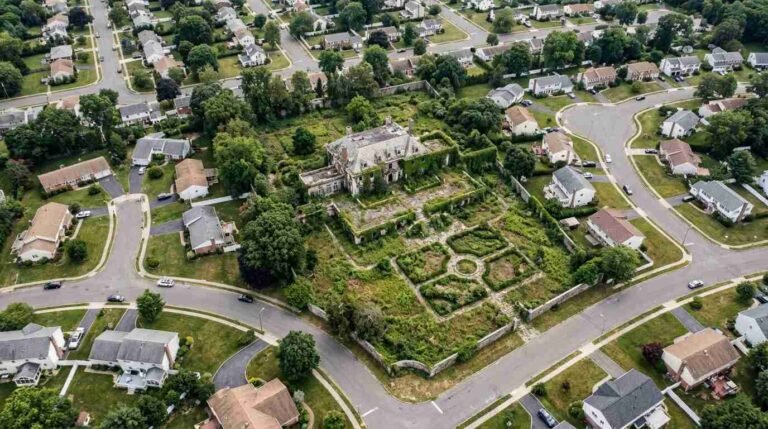
Inheritance taxes, carrying costs, and postwar subdivision pressure dismantled the Gold Coast. Here’s what happened to the estates that survived demolition — and what it means for North Shore real estate today.
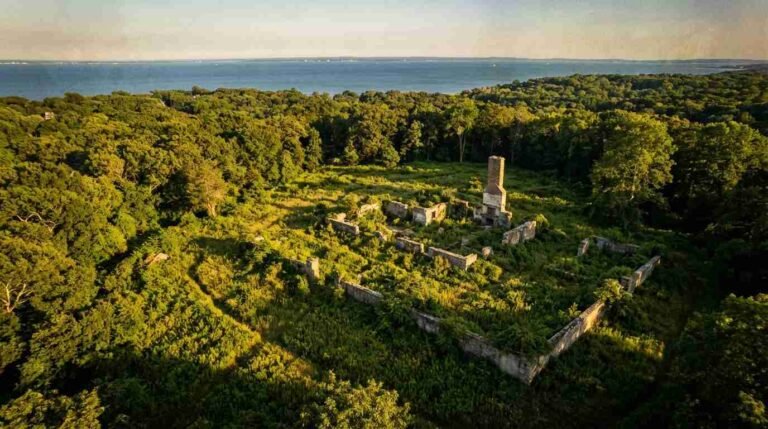
Harbor Hill was demolished in 1947. More than two-thirds of Long Island’s Gold Coast estates are gone. What their loss tells us about wealth, maintenance costs, and what preservation actually requires.
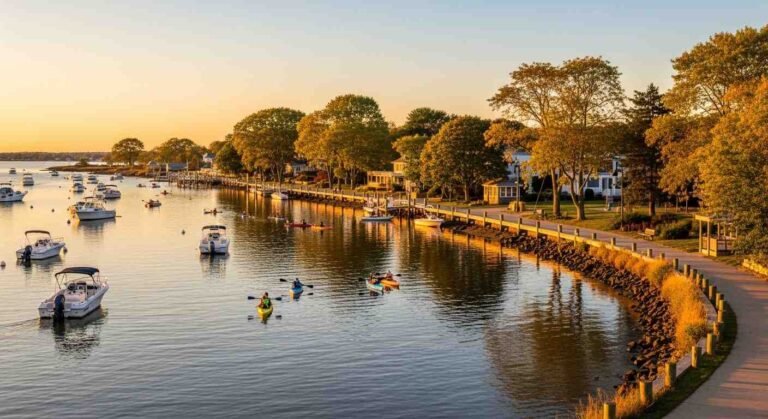
Riverhead sits at the junction of two forks and has spent years being overlooked. In 2026, the market — and the town — look different. Broker Paola Pawli breaks it down.
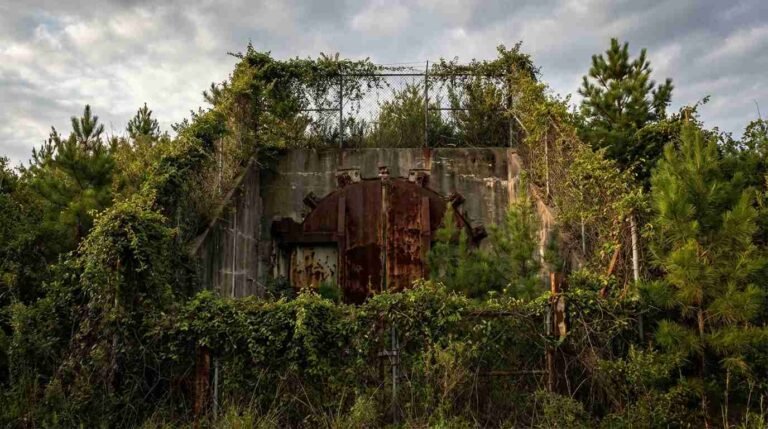
The Cold War defense apparatus that ringed Long Island shaped how its ranch homes were built. Here’s what Commack buyers and sellers should understand about this postwar housing stock.