Sewer vs. Septic in Suffolk County: What Buyers Should Know About Wastewater Systems
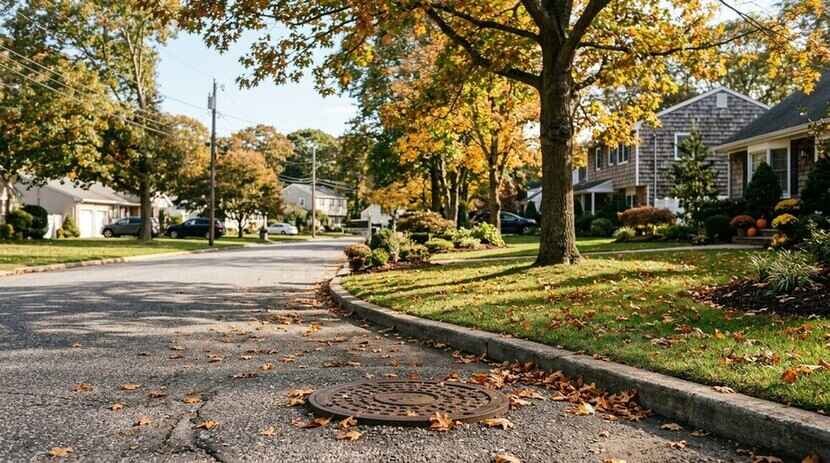
Roughly three out of four properties in Suffolk County are not connected to a public sewer, a fact that shapes inspection, renovation, and ownership costs on a scale most buyers arriving from New York City or Nassau County do not anticipate. The wastewater system sitting underneath the lawn is part of the house, and the rules that govern it have changed twice in the past several years.
How Many Homes Rely on Septic
The Suffolk County Department of Health Services has stated that approximately 74 percent of the county remains unsewered, meaning residences and businesses rely on onsite wastewater disposal rather than a public sewer. A November 2024 county presentation put the figure at 74 percent of parcels and estimated about 380,000 onsite systems without treatment, while earlier county materials used a figure of roughly 360,000, a difference that reflects the date of the count more than any disagreement.
The county’s concern is nitrogen. Health officials have said that about 70 percent of the nitrogen entering local bays comes from cesspools and septic systems, a finding that drove the 2019 Subwatersheds Wastewater Plan, which set a goal of eliminating 253,000 cesspools and septic systems over 50 years by replacing them with nitrogen-reducing systems or connecting properties to sewers.

Cesspool, Septic, and I/A System
Three technologies appear in listings and inspection reports, and they are not interchangeable. A cesspool is the oldest: a pit that lets wastewater leach into the surrounding soil. A conventional septic system adds a tank ahead of the leaching structure, and the county presentation notes that conventional systems have been required on new construction since 1973.
The third category is the innovative and alternative onsite wastewater treatment system, abbreviated I/A OWTS. The same county materials describe these as advanced systems that remove up to 70 percent of total nitrogen before discharge, and the county health department has since cited reductions of greater than 85 percent for current systems. The November 2024 presentation counted roughly 110,000 conventional systems and more than 5,000 I/A systems across the county, which shows how new the technology still is on most blocks.
The same November 2024 presentation compares effluent directly, listing conventional cesspool and septic effluent at 65 or more milligrams of nitrogen per liter against a county standard of 19 milligrams per liter.
The 2019 and 2021 Rule Changes
Article 6 of the Suffolk County Sanitary Code is where the buyer-facing rules sit. According to the November 2024 presentation, grandfathering of cesspools ended in 2019, and a replacement or retrofit that began July 1, 2019 required at minimum a conventional septic system, since replacing a cesspool with another cesspool no longer qualified.
In 2021 the county went further. An I/A system became mandatory for new construction homes, major renovations of single-family residences, and certain other construction projects. A Suffolk Times interview with a county official describes the trigger as new construction as the code defines it, including a new dwelling on a vacant parcel, a replacement dwelling, the addition of bedrooms, and expansions of an existing home, with exceptions that homeowners and contractors are told to check against the code itself.
The practical effect for a buyer is that a renovation plan can set off a wastewater requirement that was not part of the original budget. An addition that adds a bedroom, for example, falls within the definition quoted above.
What Replacement Costs and Who Helps Pay
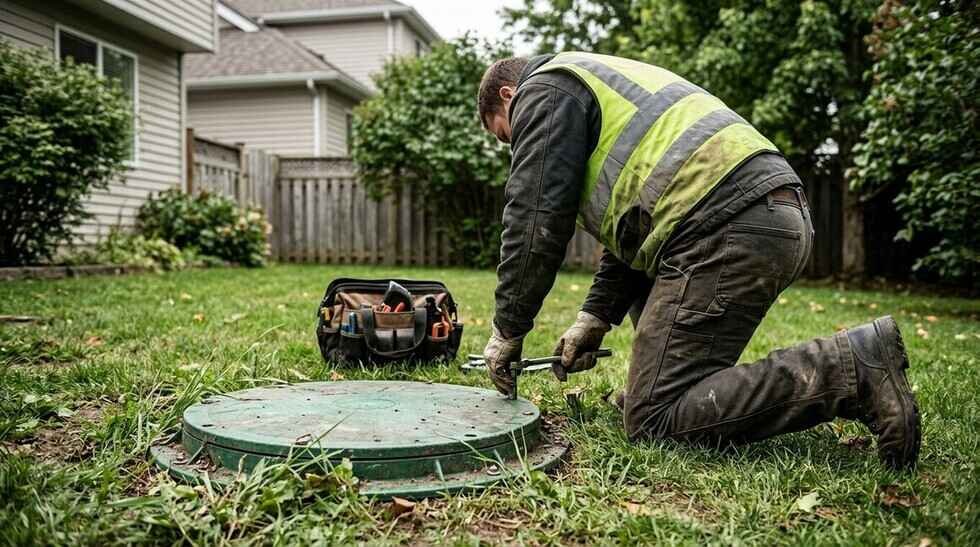
The county launched the Septic Improvement Program in 2017 to ease the expense of installing I/A systems. A 2017 county presentation described a County base grant of up to $10,000 with additional amounts possible, a State Septic System Replacement Program grant of up to $10,000, and a separate loan administered by the Community Development Corporation of Long Island of up to $10,000. A June 2019 county presentation put typical conventional system installations at $6,000 to $8,000.
Both documents are several years old, and grant amounts, eligibility maps, and funding availability may have been revised since. Current figures should be confirmed with the Suffolk County Department of Health Services before any purchase decision depends on them.
Sewer Districts and What Connection Means
Properties inside a sewer district connect to a public collection system, and the county plan treats sewer expansion as one of two routes, alongside I/A replacement, for retiring cesspools. Health department materials describe the plan as recommending a limited number of new sewer connections and the broader use of individual nitrogen-reducing systems, particularly in developed areas with little room for a conventional leaching field, such as downtown business districts.
Whether a given address sits inside an existing district, and what charges apply to it, is a parcel-level question that no regional summary can settle. Town offices and the county health department are the places to ask about district boundaries and the permit history of an individual septic system.
Flood exposure intersects with wastewater in coastal parcels, since high groundwater and storm surge both affect how an onsite system performs; the Maison Pawli guide to the Suffolk County flood zone remap and insurance covers the insurance side of that picture.
Questions to Raise Before Closing
For a purchase, the useful questions are factual and specific: what type of system serves the house, when it was installed, what permits and approvals exist on file, and whether the planned use of the property, such as adding a bedroom, would trigger the I/A requirement. A licensed home inspector, a licensed septic professional, and the county health department are the people who can answer them for a particular property.
The same questions apply on the sale side, where an older cesspool can surface during a buyer’s inspection and affect negotiations. Anyone working through those issues should consult a licensed New York attorney and a licensed real estate professional, since disclosure obligations and contract terms are matters of state law. For wider context on how Suffolk and Nassau compare for newcomers, see the Maison Pawli piece on Nassau County versus Suffolk County for NYC transplants.

Sources
- Suffolk County: Subwatersheds Wastewater Plan release
- Suffolk County Department of Health Services presentation, November 19, 2024
- Suffolk County Health Services: Sanitary Code changes
- Suffolk Times: Q&A with a county official on I/A systems
- Suffolk County Septic Improvement Program presentation, 2017
- Suffolk County Septic Improvement Program presentation, June 2019
This article is for general informational purposes only and is not legal, tax, or financial advice, a valuation, or an offer. Rules, grant amounts, and eligibility change; confirm current requirements with the Suffolk County Department of Health Services. For informational purposes only — consult a licensed attorney or financial advisor.