Oil-to-Gas Heat Conversion on Long Island: What to Ask
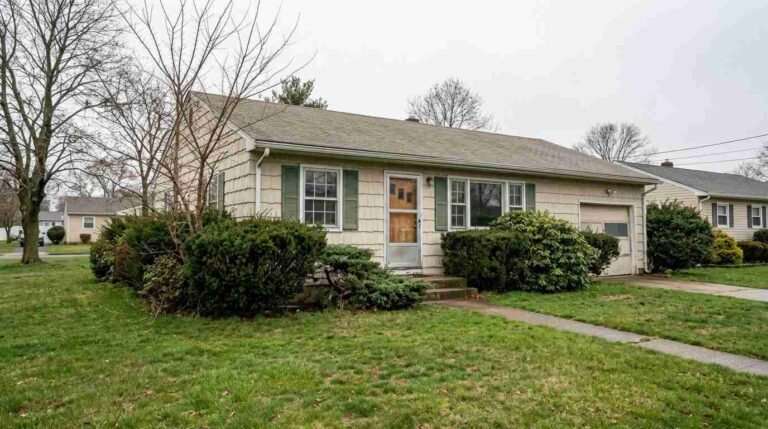
Houses on Long Island’s North Shore, including those around Setauket, are sometimes heated with oil, and switching to natural gas can come up when such a house changes hands. The change is not a single purchase, though: the process the process involves a utility, a licensed installer, a municipality and sometimes the county health department, each with its own role. The questions below follow what the published utility forms and county and village documents say, and they flag where the available documents are undated.
Is gas actually available at the address?
Availability comes first, because conversion depends on a gas main being close enough to serve the property. National Grid’s Gas Connect FAQ says callers can reach its gas availability option at 1-877-696-4743 and that Long Island residential applications are directed to a dedicated email address listed on that page. The page also describes the company’s effort to resume connecting new customers in Brooklyn, Queens and Long Island after a period when it had stopped taking new connections.
That history matters for context. A 2019 CBS New York report described a moratorium on new gas hookups that affected about 40 business districts across Nassau and Suffolk counties. The Gas Connect page itself belongs to that period; it refers to a customer assistance program for applicants denied service between May 15 and October 11, 2019, which it says would expire on March 31, 2021 or when funds ran out. Nothing on the page establishes today’s status, so current availability is best confirmed directly with National Grid for the specific address.
What the utility process looks like
Where no main passes the property, the utility’s Long Island FAQ describes a sign-up model built around neighborhood interest. The steps are to submit a completed, signed Residential Gas Service Agreement; National Grid then holds applications until enough neighbors participate, verifies details, confirms each customer’s decision, and schedules the main and service installations. The FAQ carries a 2016 copyright and no revision date, so its details are best treated as background.
The same FAQ divides the work. National Grid collects applications, verifies them, schedules installation and applies to the town or village for permits. The homeowner submits the agreement, chooses and hires a plumber or heating installer, and converts the equipment. A customer is not required to convert right away, since the FAQ allows 90 days after installation to have the meter set.
The agreement form is more specific about obligations. A Residential Gas Service Agreement published by National Grid for Long Island lists these points, among others:
- An acknowledgment that clean-energy heating options have been reviewed must be completed before the application is processed.
- A customer account must exist first; the form gives 1-800-930-5003 for setting one up.
- Existing heating equipment should not be removed, new equipment bought or installed, or an oil contract cancelled until municipal road-excavation approvals are obtained and the gas line is installed.
- Applicants must disclose buried oil tanks, cesspools and other private underground facilities.
- New York 811 must be contacted at least two full business days before digging.
Timing and cost items on the agreement
The form estimates the project at roughly 10 to 14 weeks, with state or county roads adding about 4 to 6 weeks, and disclaims responsibility for delays from weather, permits or unforeseen conditions. If permits cannot be obtained, the agreement becomes void. It also lets the applicant cancel without obligation at any time before the service line and main are installed.
A Contribution in Aid of Construction applies when the service line or main exceeds tariff allowances, according to the form. It is billed separately and must be paid before work is scheduled. Frost charges can apply to winter installations. The agreement lists no deposit, and it does not give a typical dollar figure for any of these items, so an estimate has to come from the utility.
For conversions specifically, the form refers to New York Public Service Commission efficiency standards: at least 6 inches of roof or ceiling insulation (R-19 or greater), storm or multi-glazed windows, and storm or thermal entry doors.
Who installs the new equipment
Under the utility’s own division of labor, converting equipment inside the home falls to the homeowner. Its FAQ advises contacting a licensed plumber for an estimate, notes that costs vary with the work required in the home, and mentions a Value Plus Installers program reachable at 877-696-4743. The same document is explicit that a customer is not obligated to use a Value Plus Installer. Getting estimates from several contractors is described as helpful rather than mandatory.
The FAQ also mentions an equipment discount program and efficiency rebates, without amounts. A National Grid rebate form for Long Island covered equipment installed between January 1 and December 31, 2019, including a $600 rebate for a condensing hot water boiler with efficiency above 90 percent and a $400 rebate for a furnace above 94 percent with an ECM motor. The form says those deadlines have passed and that the program might have ended. Rebate availability today requires a fresh check with the utility.

What happens to the oil tank
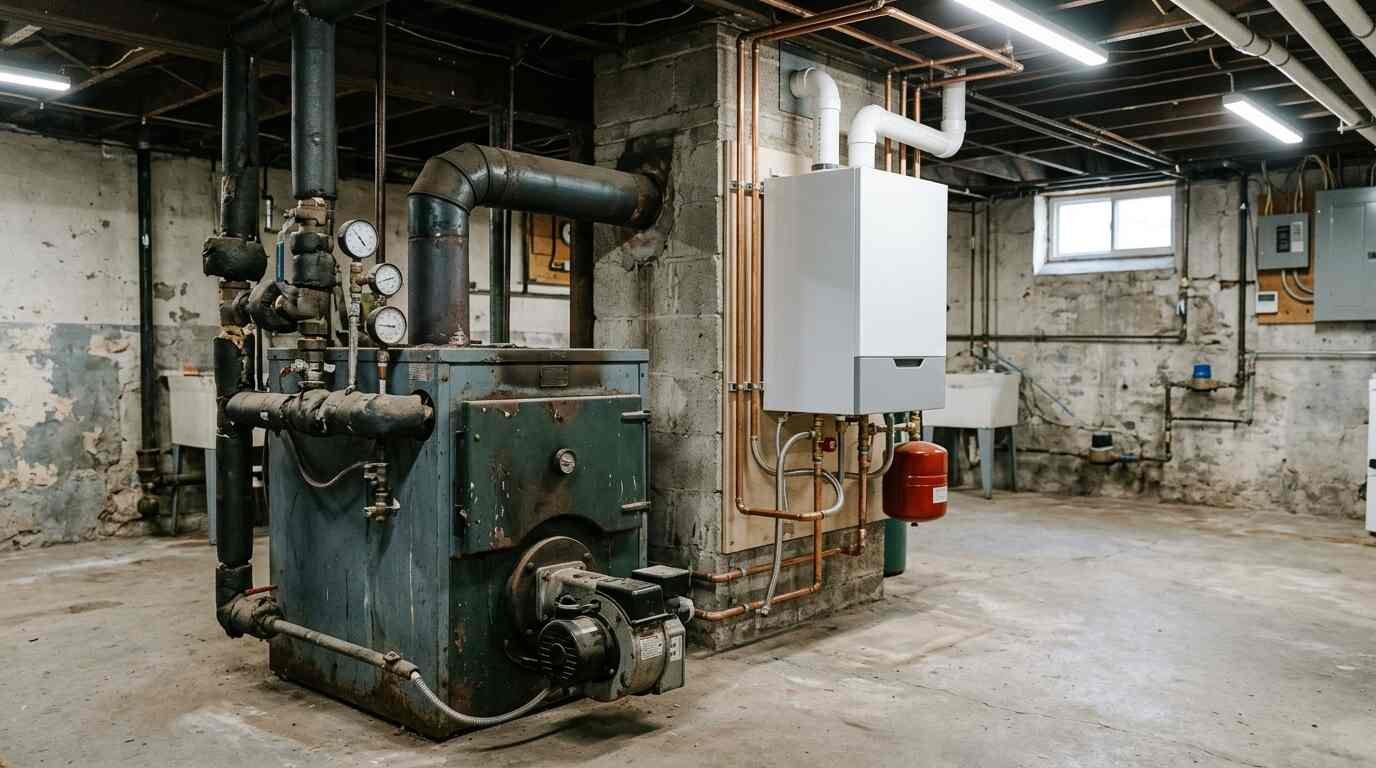
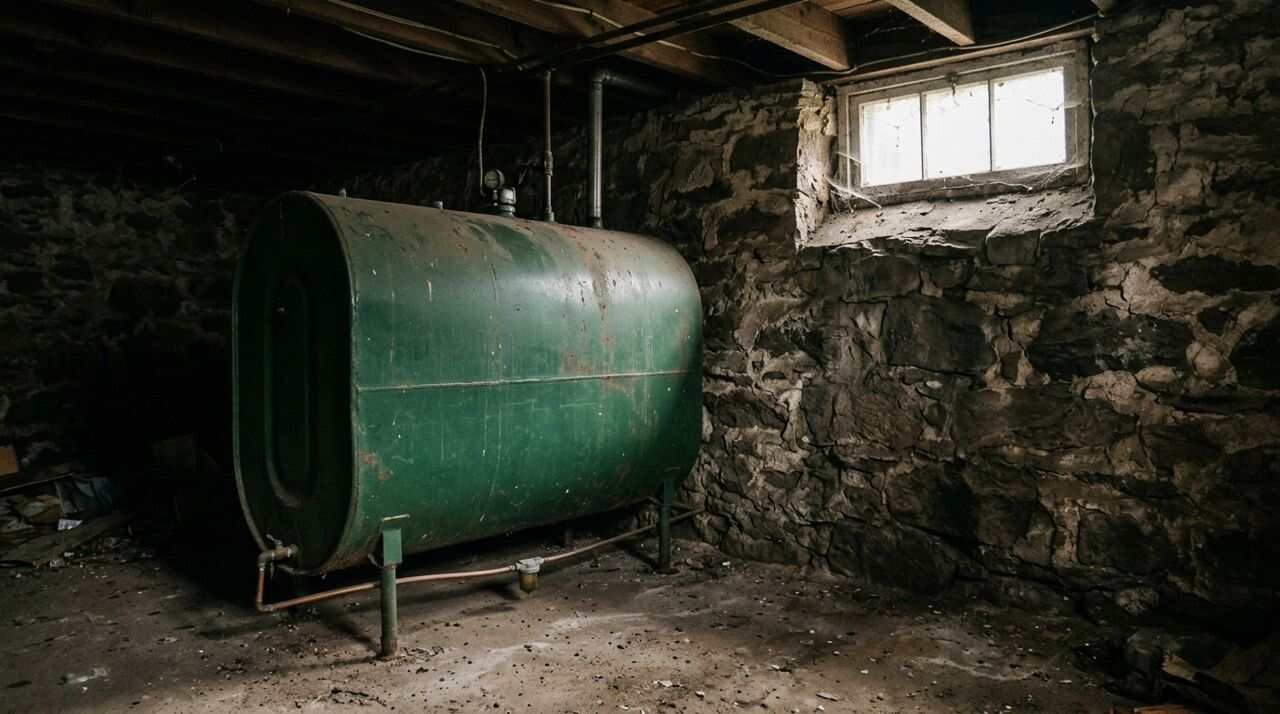
Tank handling is a separate question from the gas line. Suffolk County’s Department of Health Services publishes guidance under Article 12 of the Suffolk County Sanitary Code. Per that page, heating oil tanks under 1,100 gallons used for on-site heating are exempt from registration in most settings, and fuel oil tanks do not have to be removed unless they are leaking. Abandoned or out-of-service tanks must be registered, and the page says no fee applies to properly abandoned tanks, without defining that term. It directs further questions to the Bureau of Environmental Engineering at (631) 854-2528 and suggests confirming exact requirements in Article 12 itself, because the page’s exemptions differ slightly between sections.
Local rules can add requirements. A gas conversion packet published by the Village of Poquott in Suffolk County calls for certified oil tank removal documentation, a notarized permit application, and inspections for pressure testing and the final stage. It lists a $150 permit fee plus a one-time $50 certificate of occupancy fee. The document is undated, and it is one village’s procedure; the Town of Brookhaven, other incorporated villages and other towns each have their own forms and fees.
The packet adds that tanks under 1,500 gallons are exempt from county regulation, a figure that differs from the 1,100 gallons on the county page. That difference is a reason to confirm with the county and the local building department rather than rely on either summary. It also notes that staining discovered during removal can require reporting a spill to the state Department of Environmental Conservation.
Fitting the schedule to a home purchase
The 10-to-14-week estimate on the agreement is long relative to a typical contract-to-closing period, and the form adds that it is not responsible for delays from weather, permit issuance or unforeseen conditions. A buyer weighing a conversion after purchase can therefore expect the heating system to remain oil-fired for some time, and the instruction not to remove existing equipment or cancel an oil contract until the gas line is installed points the same way. Whether to begin before closing, and who signs the agreement, are questions for the attorney handling the transaction.
Seller disclosures can supply background. New York’s standard Property Condition Disclosure Statement is a seller’s statement of conditions known to the seller, not a warranty, and the form encourages buyers to get their own inspections. An inspector’s report on the existing boiler and tank is a separate record from anything a utility or municipality will require.
Work on the property itself
Installation touches the yard as well as the basement. According to the agreement form, the applicant must repair private property damaged during installation, such as walkways, driveways, shrubs and sprinklers, and must maintain reseeded lawn areas. The applicant also provides any easements, rights-of-way and permits needed for the gas lines, marks out consumer-owned underground facilities that the utility did not mark, and chooses an acceptable meter location, although National Grid may accept or modify it. Trenches are inspected before backfilling.
The form also asks that known environmental contamination be disclosed, with cleanup costs falling on the applicant unless the utility caused the problem. Work stops if contamination is encountered.

Alternatives that change the question
For some owners the choice is no longer simply oil versus gas. PSEG Long Island’s heat pump rebate page lists customer rebates for cold-climate air source heat pumps in single-family homes: $4,000 at market rate, $5,000 for moderate-income households or market-rate homes in a disadvantaged community, and $7,500 for low-income households. The page requires equipment to be bought from and installed by participating contractors, and labels its income guidelines as being for 2026, with no other effective dates listed.
Heat pump rules include a design requirement. Systems must meet 100 to 120 percent of the dwelling’s heating load, per the page, and either dual-fuel controls must be installed or the existing fossil fuel system removed. For a house that already has an oil tank, the sizing and controls conversation therefore differs from a straight boiler swap. Operating costs for each fuel are covered in a related article on this site.
Questions to ask before committing
- Does National Grid confirm gas service is available or can be extended to the specific address, and on what timeline?
- What contribution in aid of construction, if any, will apply, and when is it due?
- Which permits does the town or village require, and what are the current fees?
- What is the plan for the existing tank, and does the local building department require certified removal?
- What do written estimates from multiple licensed installers include?
- Which rebates or incentives are open now, and for which equipment?
- How would a heat pump compare for this house, given the sizing and control requirements?
Related reading
This article offers general information only and is not legal, financial or engineering advice.
Rules, rates, fees and procedures change; confirm current details with the official sources linked above and with a licensed attorney or other qualified professional before making decisions.
Sources
- National Grid: Gas Connect – Frequently Asked Questions
- National Grid: Residential Gas Service Agreement (Long Island)
- National Grid: Frequently asked questions about converting to natural gas
- National Grid: Long Island & Rockaway Peninsula residential gas rebate application (2019)
- Suffolk County Department of Health Services: Toxic and Hazardous Materials Storage Facilities
- NYS Department of State: Property Condition Disclosure Statement (DOS-1614-f)
- Village of Poquott: gas conversion permit packet
- PSEG Long Island: Heat Pump Rebates
- CBS New York: Demanding answers on National Grid gas hookups (Aug. 9, 2019)