Long Island September: 56% Closed Above Asking Price
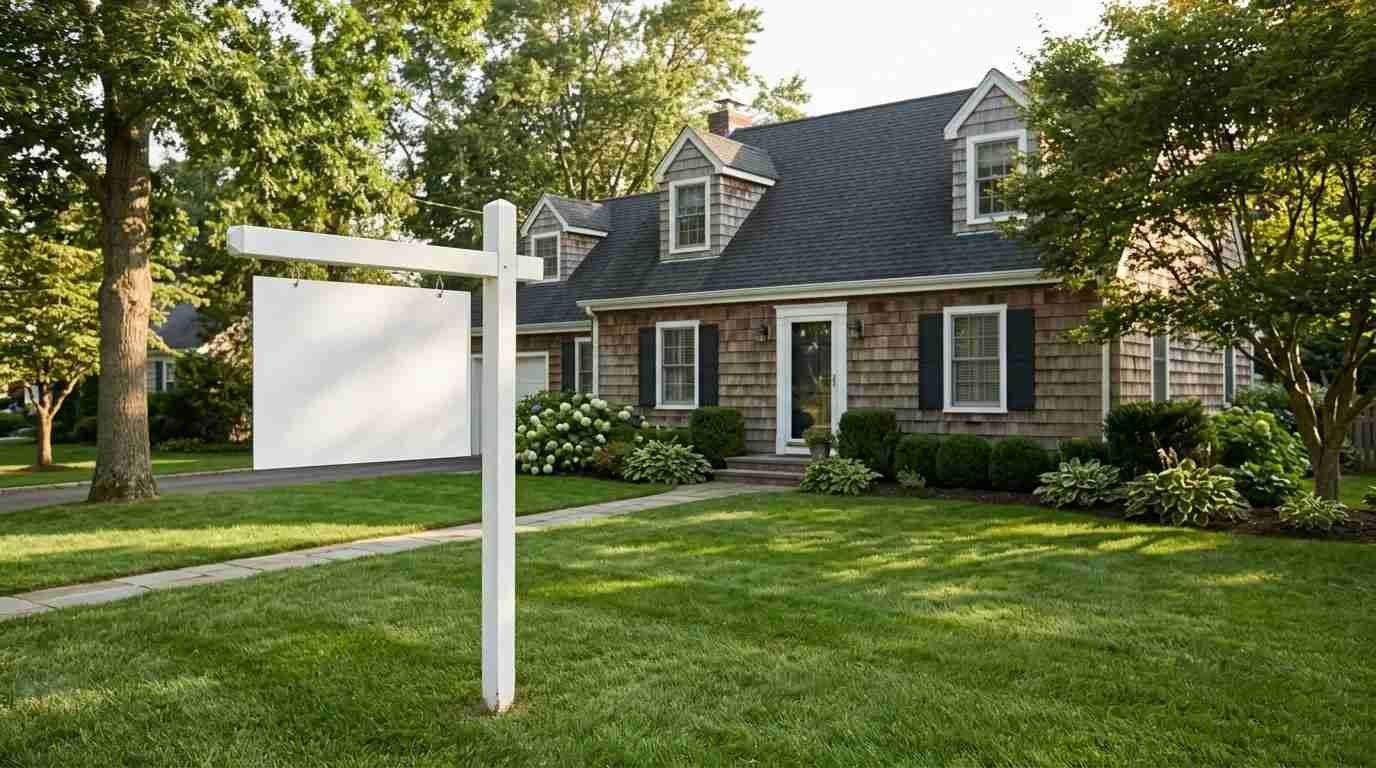
Competition on Long Island did not cool in September. About 56% of homes closed above their final asking price, about 10% closed at asking and about 34% closed below, according to OneKey MLS figures reported in a September market summary. Those proportions describe a market where a majority of buyers still ended up paying more than the last advertised price, even while mortgage rates climbed.
A figure like that invites two opposite readings. It can signal strong demand, or it can reflect how sellers set list prices in the first place. Sorting out which one applies requires looking at the speed of sales, the differences between counties and the way asking prices are chosen, all of which the September data touches on.

The county split
Suffolk’s median sale closed about 1.7% above the final asking price. Nassau, by contrast, finished essentially at asking. A buyer in Suffolk therefore faced a firmer market in September than a buyer in Nassau, though the report’s author notes that the figures are medians and individual homes varied widely. A median describes the middle of the distribution and says nothing about the outliers on either side, where bidding wars and price cuts both occur.
The Bloomberg Television report embedded above covers the national trend in mortgage rates, which had risen for several weeks running at the time of the broadcast. Rising rates and above-asking sales can coexist because rates affect the number of buyers who can qualify, while the sale price of a particular home depends on how many of those remaining buyers want it.

Speed of sale
The median across both counties was 25 days on market. Homes priced at $2 million or more had a median of 47 days, nearly twice as long, though the report does not say why. A plausible reason is simply that fewer buyers can afford a purchase at that level, but the data does not test that explanation, and it should be treated as a possibility rather than a finding.
Days on market is also affected by how a home is presented. Photography, staging and pricing in the first week often shape whether a listing attracts early offers, and a home that sits for several weeks tends to give buyers more room to negotiate.
What an above-asking sale actually means
Asking price and sale price are different numbers, and the gap depends on pricing strategy as much as demand. A home listed below its likely value to draw multiple offers can close above asking while still selling for roughly market value. For a buyer, the figure to watch is the final price compared with recent comparable sales, not the list price alone. For a seller, pricing deliberately low can generate competition, but it also carries the risk that offers never rise to the expected level.
Sellers who read the 56% figure as a guarantee should note the 34% that closed below asking. Roughly one in three homes closed below its final asking price, so an above-asking result was common but far from universal. Each listing has to be judged on its own price, condition and timing.
Related local data
The island-wide numbers behind this report appear in the post on Nassau and Suffolk medians, and the broader New York metro release from OneKey is covered in the metro report. Official statistics are available from the OneKey MLS statistics page.
This article reports published figures for general information. It is not financial, legal or lending advice, and every number reflects the date of its source, so confirm current figures before acting on them.