Is a Home Warranty Worth the Premium? A Balanced Look
Home warranties get pushed at closing tables and in advertising, usually with the promise of peace of mind. Whether they deliver depends on the contract, the age of the house and your temperament. Some owners swear by them. Others cancel the first year after a dispute about a claim.
Here is how they work, what to read for and who tends to benefit. This is not an endorsement or a warning; it is a checklist. This is general information, not legal, tax, financial or insurance advice. Confirm the details of your own situation with your attorney or another licensed professional.
What a home warranty is
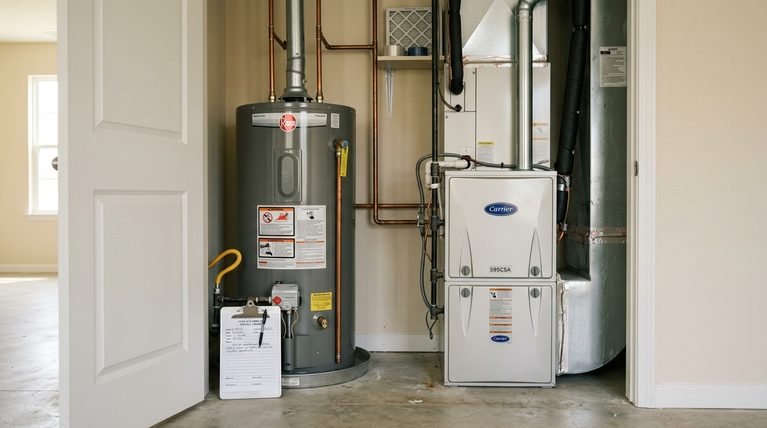
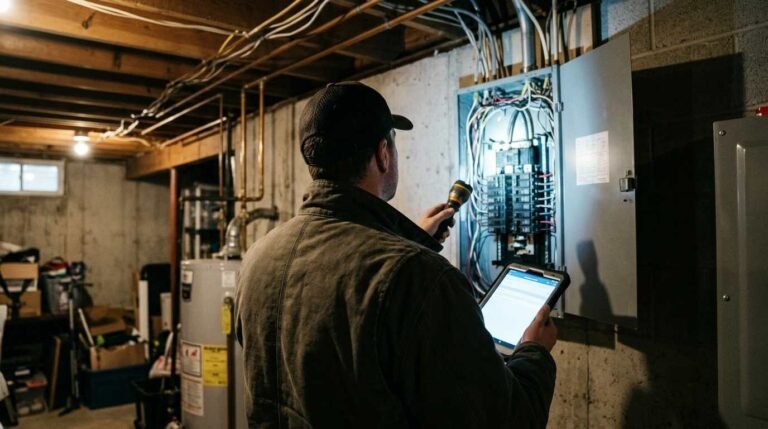
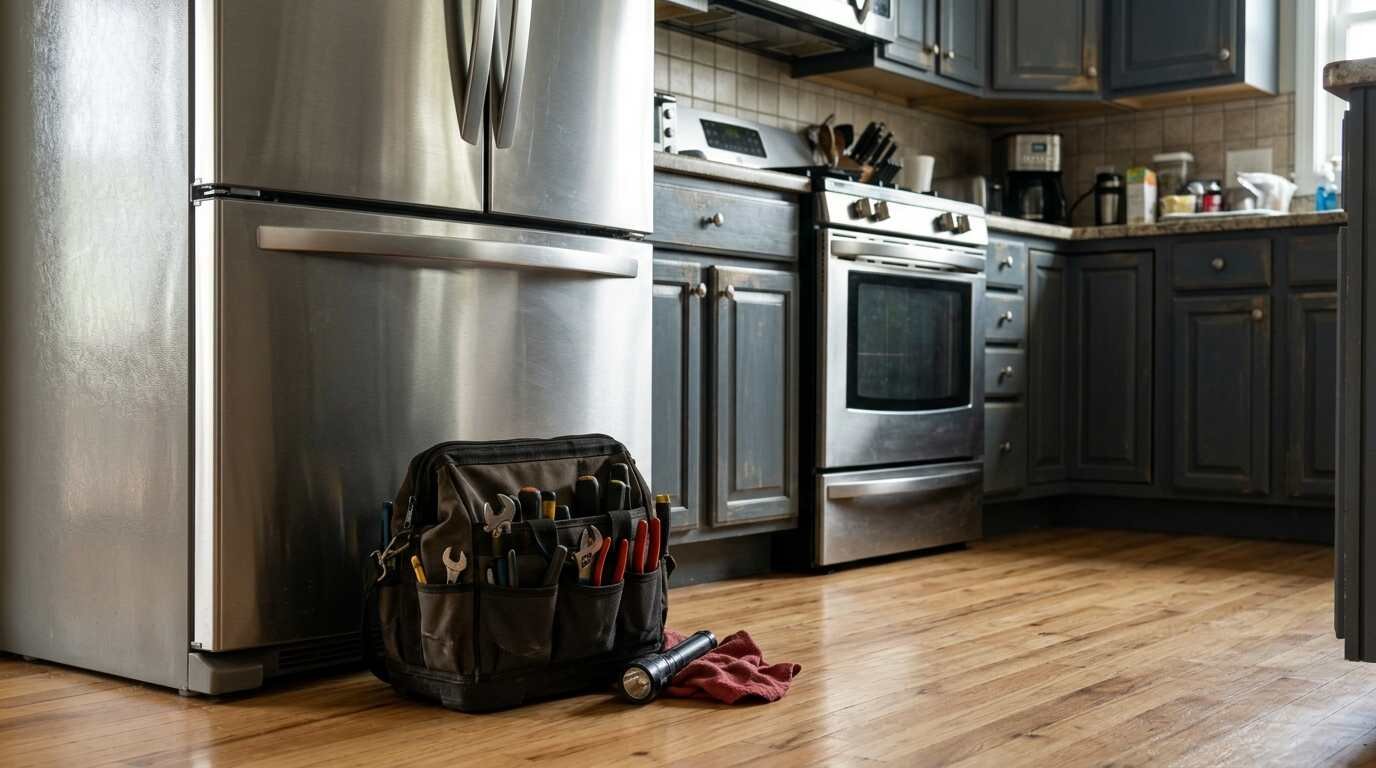
A home warranty is a service contract. You pay a yearly or monthly premium, and when a covered system or appliance breaks down, the company sends a contractor to repair or replace it. You typically pay a service fee, sometimes called a trade call fee, every time. Coverage often includes systems such as heating, plumbing and electrical, and appliances such as the refrigerator, range, dishwasher and washer, depending on the plan.
It is different from homeowner’s insurance, which protects against damage from events such as fire or storms. A warranty addresses wear and tear on specific items. Different thing, different rules.
The case for one
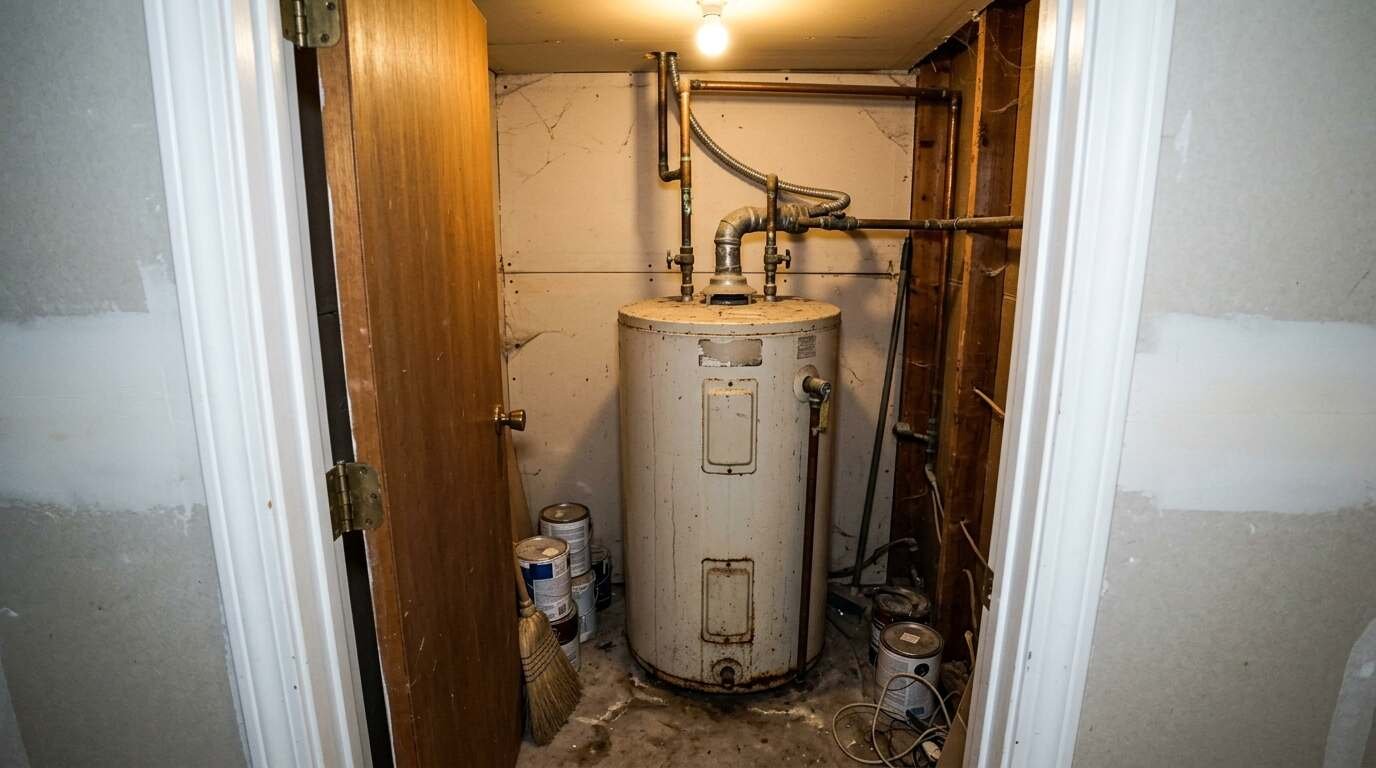
A warranty can make sense where the age of the equipment is unknown. A buyer of a house with older appliances and a furnace of uncertain history may value a predictable cost and a single phone number to call. For a first-time owner without a trusted network of repair people, that convenience counts.
Sellers sometimes offer a warranty to a buyer as a reassurance during the listing period. It does not replace an inspection or a price negotiation, but some buyers like the extra cushion.
Budget predictability is another point. If a $75 service call replaces an unexpected repair bill, the arithmetic may favor the plan, though how often that happens varies widely.
The case against
Warranties come with exclusions and limits, and disputes tend to center on them. Plans may exclude pre-existing conditions, improper installation, code upgrades, modifications and items that have not been maintained. There may be caps per item or per year. The company may choose the contractor and decide whether to repair or replace, and the quality of service can be uneven.
The Federal Trade Commission publishes consumer guidance on home warranties that is worth reading before you buy. Among its themes: read the contract, understand what is excluded, and learn how claims are handled.
If you are handy, have a good plumber, an HVAC technician you trust and a savings cushion for repairs, a warranty may duplicate what you already have.
Seller-paid warranties and what the buyer gets
When a seller covers the first year of a plan, the buyer typically receives a contract summary at or after closing. It is worth reading right away, not at the first breakdown. Check the start date, the service fee, the list of covered items and the process for making a claim. Some plans require registration or an inspection before coverage begins.
If a plan is offered as a concession, ask your agent how it compares with other ways the seller could help, such as a price adjustment or a credit toward closing costs. A warranty that sounds generous may be worth less than it appears if the exclusions are heavy.
How to compare plans
- What exactly is covered, and which systems or appliances are excluded?
- What are the dollar limits per item and per contract year?
- What is the service fee, and is it charged per visit?
- Does the plan cover pre-existing conditions or only breakdowns after the start date?
- How are claims filed, and how quickly does the company promise to respond?
- Can you choose your own contractor?
- What are the cancellation and renewal terms, and does the price rise at renewal?
Ask for a sample contract, read the exclusions twice, and search for independent complaint records for the company. Your state consumer protection agencies are a place to check.

Maintenance still comes first
No contract replaces upkeep. Changing furnace filters, flushing the water heater when the manufacturer advises, cleaning dryer vents and servicing the HVAC system each year all extend the life of equipment. Many warranties deny claims where neglect contributed to the failure, so keep a simple log of maintenance with dates and invoices.
Consider, too, the value of an annual service visit that you schedule yourself. A technician who knows your equipment will often spot a failing part before it fails. That is a modest cost with a clear benefit, whether or not you hold a warranty.
A simple way to decide
Make a short list of the major systems and appliances, with approximate ages. Estimate what a replacement of each might cost today, then ask how many might fail in the next few years. Compare that against the premium plus service fees for the same period. The answer will not be precise, and it depends on luck. It does reveal whether you are buying coverage for a real risk.
Then consider an alternative: setting aside the premium in a dedicated savings account for repairs. If nothing breaks, the money remains yours. If something does, you pay and move on, with no claim to file.
A last word on expectations
The most common complaint about warranties is a gap between what the buyer expected and what the contract promised. If you buy one, treat it as limited protection with specific terms, and enter with realistic hopes. If you decline one, set aside money for the inevitable repair, because appliances and systems do wear out. Both choices are reasonable; what is unreasonable is having neither.
For sellers and buyers
A seller who offers a warranty should read its terms and confirm what the buyer receives. Buyers should treat a warranty offered by a seller as a benefit, not as a substitute for an inspection, and should ask whether the plan transfers or what needs to be done to activate it.
Finally, keep your records. Dates of service, receipts and any maintenance logs support both warranty claims and a future sale.