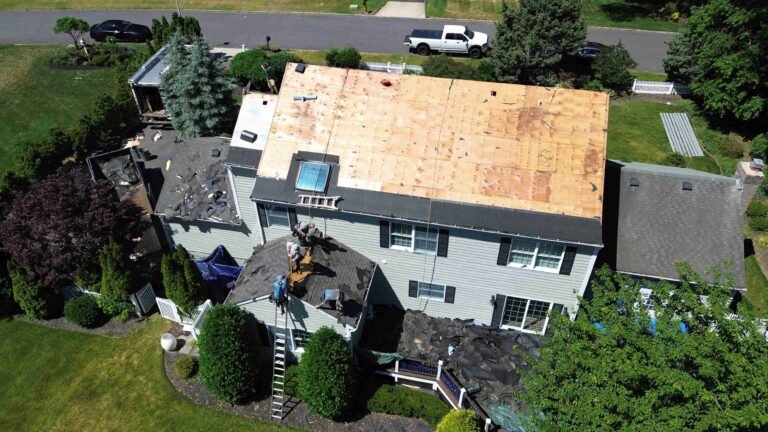
The Seller’s Timeline: From Decision to Closing on the North Shore
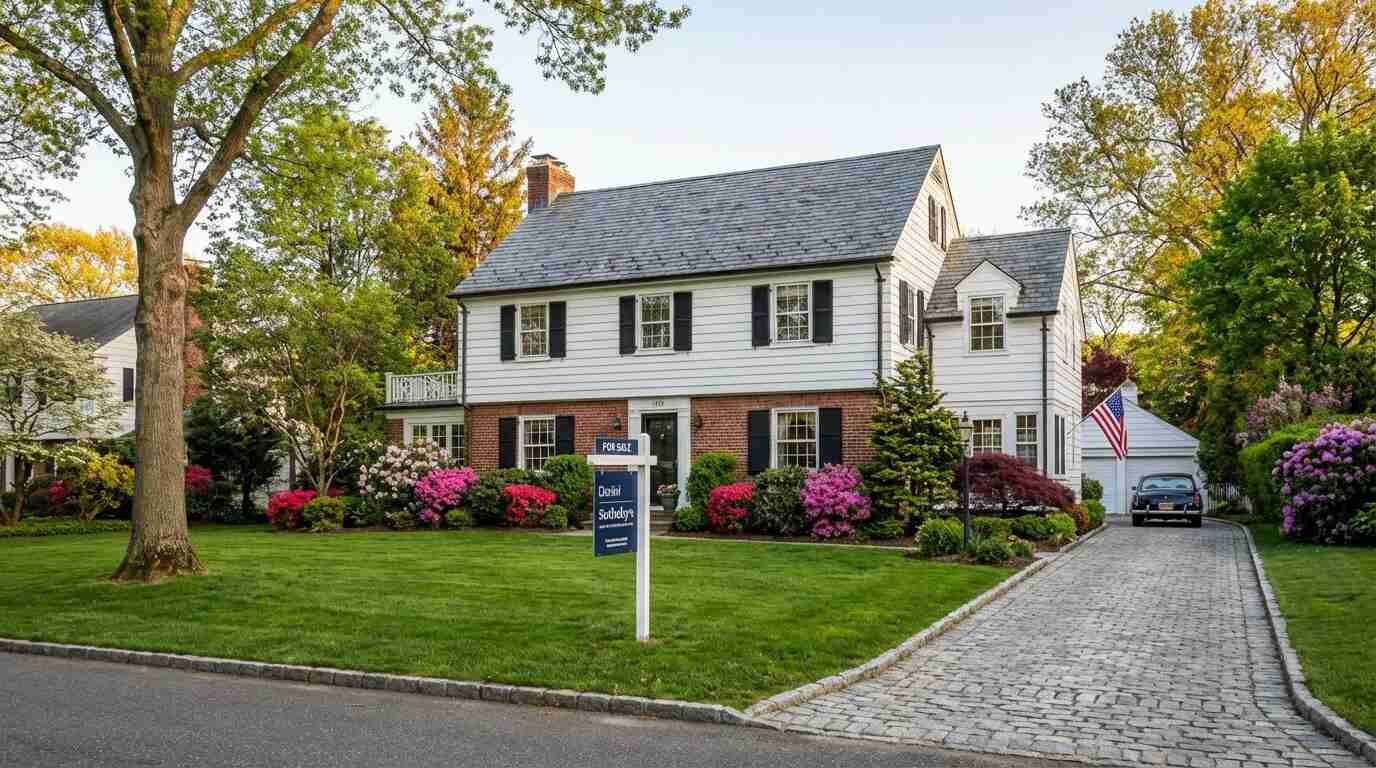
People ask me how long it takes to sell a house on the North Shore, and I always give them the same answer: longer than you think if you haven’t thought it through, and about as long as you’d expect if you have. The question people are usually asking is really a different question — they want to know what they’re committing to when they decide to sell. They want the map.
What follows is that map. Not the optimistic version where everything runs smoothly and every buyer’s lender calls back promptly. The realistic one. The one I’d hand a client sitting across from me at a kitchen table somewhere in Mount Sinai or Port Jefferson or Cold Spring Harbor who is seriously considering selling their home for the first time in twenty years and wants to know what they’re walking into.
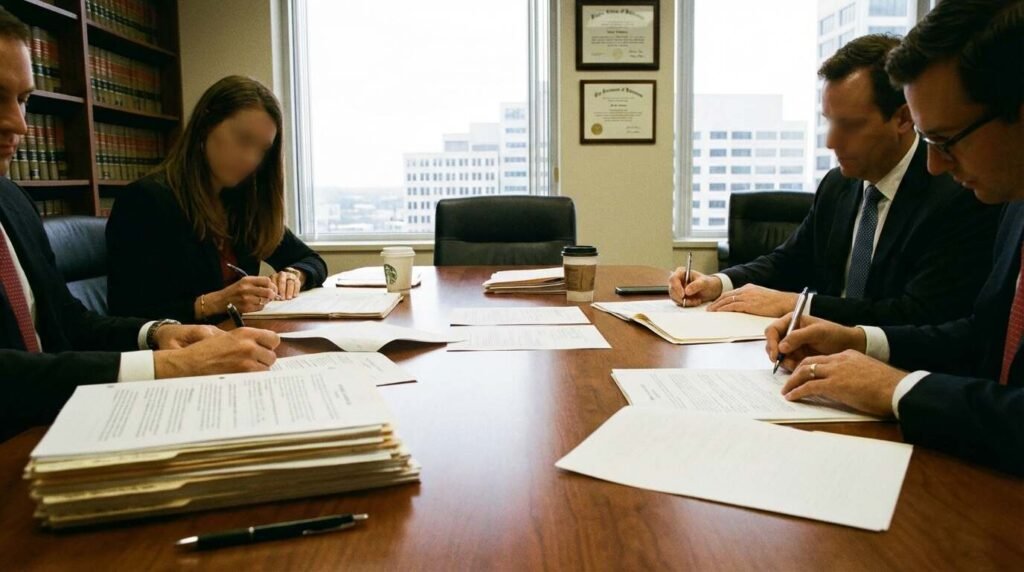
Phase One: The Decision Window (Weeks 1–4)
Before anything goes public, there’s a period that most sellers either rush through or treat as more casual than it is. You’ve decided, in some working sense, that you want to sell. Now you spend four weeks — or should spend four weeks — turning that decision into a plan.
This phase has three parallel tracks.
The financial track. This means understanding what you own and what you owe — your current mortgage payoff figure, your equity position, and, critically, your potential tax exposure on the gain. For North Shore homeowners who’ve owned a decade or longer, the appreciation since purchase is often substantial, and the capital gains calculation matters before you decide how to price. Pull together your documentation of capital improvements: the kitchen renovation, the roof, the addition, anything that increases your adjusted cost basis. Get on the phone with your accountant.
The legal track. In New York, residential real estate transactions require an attorney on both sides. This is not optional and it is not a formality. Begin identifying your real estate attorney now, before you list. You want someone who handles Long Island residential transactions regularly, who knows Suffolk County’s attorney review norms, and who is reachable. The attorney review period in New York runs three to five business days from contract execution — having someone lined up before you need them is not paranoid, it’s practical.
The broker track. If you don’t have a broker relationship already, this is when you start having those conversations. Interview two or three. Understand their approach to pricing, their marketing infrastructure, their knowledge of your specific neighborhood. What a real estate commission actually costs you is a question worth understanding clearly at this stage rather than discovering at the closing table.
Phase Two: Pre-Listing Preparation (Weeks 4–8)
This phase is the one most sellers underestimate, both in terms of time and in terms of impact on final sale price. The work done here — quietly, before any buyer ever sees the property — is frequently the difference between a home that sells in two weeks and one that sits for sixty days while the market adjusts its impression of it.
Pre-listing inspection. I’ve written at length about why sellers who inspect first close faster and cleaner. The short argument: if there are material issues with the property, you want to know before a buyer’s inspector finds them under contract, when your negotiating position is weaker. A pre-listing inspection costs $400–$600 and can save you multiples of that in concessions.
Decluttering and depersonalization. Give yourself three weeks for this, especially in a house that has accumulated twenty or thirty years of life. The room-by-room approach — working systematically through each space with specific decisions about what stays, what goes to storage, and what leaves entirely — is the only method that actually works.
Repairs and cosmetic work. The pre-listing inspection will produce a list. Triage it. Structural and systems issues — anything a buyer’s inspector will flag as a material defect — get addressed before listing. Cosmetic items get evaluated for ROI. A fresh coat of paint in a neutral palette is almost always worth doing.
Coastal and exterior preparation. On the North Shore, salt air, weathered exteriors, and seasonal wear are realities that show up immediately at a showing. Beating coastal wear before you list — addressing the oxidized fixtures, the weathered trim, the corroded hardware — is work that translates directly to first impressions.
Staging consultation. The staging mistake that costs Long Island sellers $15,000 is almost always a sensory failure — the house that looks right in photos but feels wrong in person. A staging consultation during this phase is money spent before you list, not after you’ve been sitting for three weeks wondering what’s wrong.
Photography and marketing asset creation. Professional photography takes a day to shoot and two to three days to return. Virtual tour quality matters legally as well as aesthetically, and what you put into the marketing record is a document that persists.
Phase Three: Pricing and Go-Live (Week 8)
Pricing a North Shore home correctly in the first week is the highest-leverage decision of the entire transaction. The house that sits for 90 days has already told the market something, and the stigma of extended days on market is not easily reversed. Days on market is a calculated figure that buyers and their agents read carefully.
The pricing conversation should happen after the pre-listing prep is complete and the photography is done — not before. Your broker should present a comparative market analysis based on recent closed sales, not asking prices. Charm pricing has documented failures in the appraisal record and is worth understanding before you land on a number.
On the North Shore, market timing matters more than national articles suggest. Spring is genuinely strong. But October’s quieter inventory environment produces motivated buyers and cleaner offers in ways the spring rush sometimes doesn’t.
Go live on a Thursday or Friday. Showings cluster over the weekend. An open house the first weekend is standard and useful for generating early comparison traffic.
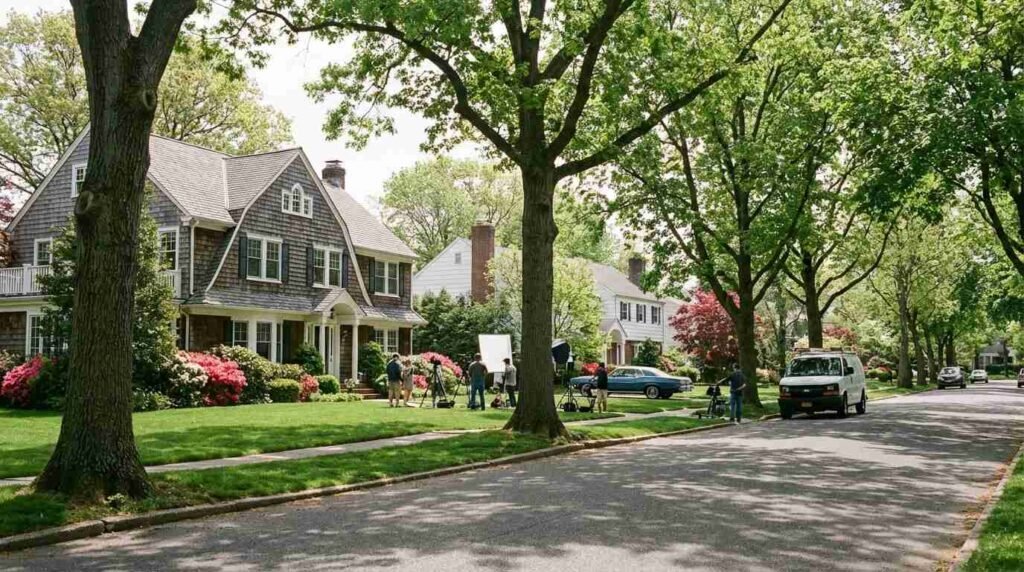
Phase Four: Showings and Offers (Weeks 8–12)
On a well-priced North Shore property in reasonable condition, you should expect meaningful showing activity within the first ten days. If you’re not seeing showings, the price or the presentation is the issue — one or both needs to be addressed promptly, not in three weeks.
Seller’s disclosure. Before the first showing, your seller’s disclosure form should be complete and available. This is a legal document in New York, not a marketing one. The as-is clause does not protect you from known conditions you failed to disclose.
Reviewing offers. When offers arrive, read the full set of terms — not just the price. Down payment, financing type, earnest money, contingency deadlines, and proposed closing date all matter. The question of when to walk away from an offer is one you should have thought through before the first offer arrives, not in the middle of evaluating it.
Multiple offers. In competitive North Shore price bands, you may receive multiple offers within the first week. HOA properties carry an additional consideration: the right of first refusal clause in your CC&Rs may give the HOA or neighboring units a right to match an accepted offer.
Phase Five: Contract Through Attorney Review (Weeks 12–13)
Once you accept an offer, your attorney drafts and sends the purchase contract. New York gives the buyer three to five business days to review the contract with their attorney — this is the attorney review period, during which either party can raise objections or modifications. The deal is not technically binding until both sides have signed and attorney review is complete.
At contract signing, the buyer pays the deposit — typically 10% of the purchase price held in escrow by your attorney’s trust account. That deposit is the buyer’s committed capital. It is not at risk unless they breach the contract without a valid contingency basis.
Suffolk County transfer tax. New York State imposes a real estate transfer tax on sellers at $4 per $500 of consideration. For a $900,000 sale, that’s $7,200. These are line items your attorney will walk you through; they should appear on your closing cost estimate before you sign.
Phase Six: Inspection and Contingencies (Weeks 13–17)
The home inspection is scheduled within the window specified in the contract — typically 10 to 14 days from contract execution. The buyer’s inspector arrives, spends two to three hours in the house, and produces a written report.
Here is where the pre-listing work pays off. A seller who inspected first, disclosed what was found, and priced accordingly is in a fundamentally stronger position at this stage. The buyer’s inspector will still find things — that’s what inspectors do. The question is whether those findings are surprises or confirmations of things already in the record.
Appraisal. If the buyer is financing, the lender will order an appraisal. On the North Shore, appraisal turnaround is typically two to three weeks from the date ordered. If it comes in short, you and the buyer negotiate — price reduction, buyer pays the gap, or the deal unwinds. The appraisal gap addendum is the legal mechanism that governs that conversation, and it should have been negotiated at the offer stage.
Mortgage contingency deadline. The contract specifies a date by which the buyer must have mortgage commitment in hand — typically 30 to 45 days from contract. If the buyer cannot obtain financing by that date, the contract may be voided and the deposit returned.
Phase Seven: Closing (Weeks 17–20)
Closing on Long Island is an in-person event. Your attorney, the buyer’s attorney, the buyer, and often the buyer’s lender representative meet at the same table. In New York, this is not handled remotely as a matter of course — it’s a sit-down transaction with original documents.
The final walkthrough. The buyer has the right to a final walkthrough — typically 24 to 48 hours before closing — to confirm the property is in substantially the same condition as at contract. This is not a second inspection. It is a confirmation that the agreed repairs were completed, that the agreed inclusions are present, and that nothing has materially changed.
Wire fraud caution. Wire fraud targeting real estate closing proceeds is common. Your attorney’s office will give you wiring instructions. Confirm those instructions directly with your attorney’s office by phone — using a number you dialed yourself, not one that appeared in an email — before initiating any wire. Never send funds based on instructions received by email alone.
Closing itself takes two to four hours. When the documents are signed and the wire is confirmed, you hand over the keys. The transaction is complete.
The full arc from decision to closed — doing it right, without shortcuts — runs 17 to 20 weeks on the North Shore. Some transactions close faster. Fewer close without the full runway when a seller has taken the time to prepare properly. The sellers who do this work — who inspect first, price correctly, understand their tax position, and choose their buyer carefully — are the ones who call me afterward to say that it went exactly the way they hoped it would.
This post is for informational purposes only and does not constitute legal, tax, or financial advice. Consult a licensed real estate attorney and CPA for guidance on your specific situation.
Real estate markets change. For current listings and market data, contact Pawli at Maison Pawli.
You Might Also Like
- The Pre-Inspection Move: Why Long Island Sellers Who Inspect First Are Closing Faster
- The Seller’s Disclosure Form Is a Legal Document
- Selling in Spring vs. Selling in October: The Long Island Timing Truth
Sources
- New York State Real Property Law, Article 14
- New York Real Property Law §462, Property Condition Disclosure Act
- New York State Department of Taxation and Finance, Real Estate Transfer Tax — tax.ny.gov
- Suffolk County Clerk’s Office — suffolkcountyny.gov
- NAR 2024 Profile of Home Buyers and Sellers — nar.realtor
- FBI IC3 2023 Internet Crime Report (wire fraud) — ic3.gov