North Shore Bluff Homes and the Erosion Question: What Buyers Need to Know
This post is for informational purposes only and does not constitute legal, engineering, or financial advice. Buyers of waterfront property should consult licensed engineers, environmental attorneys, and insurance professionals before proceeding.
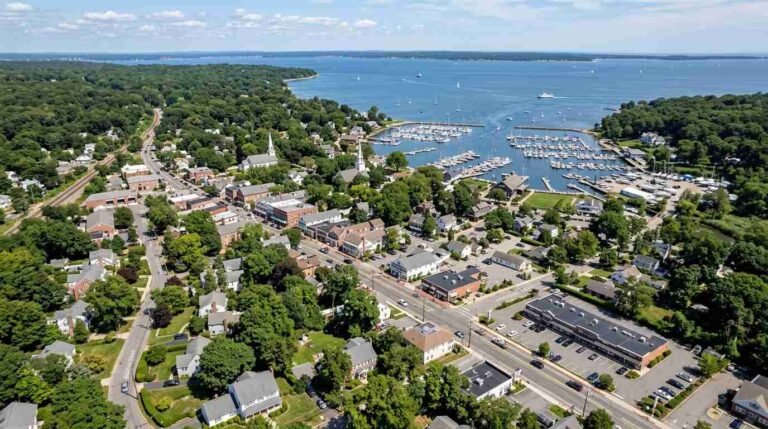
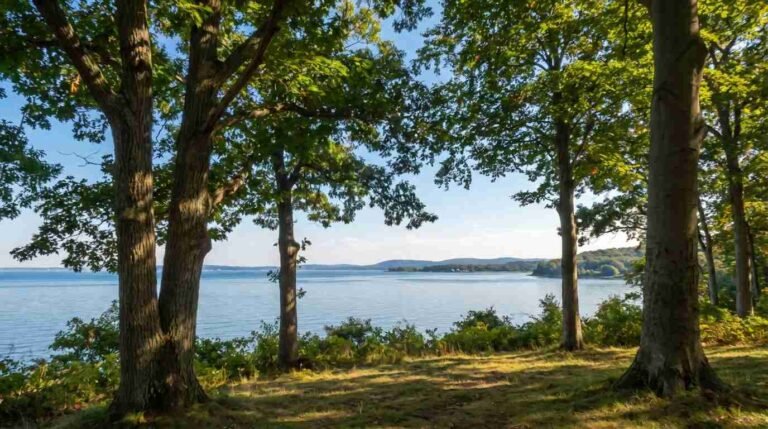
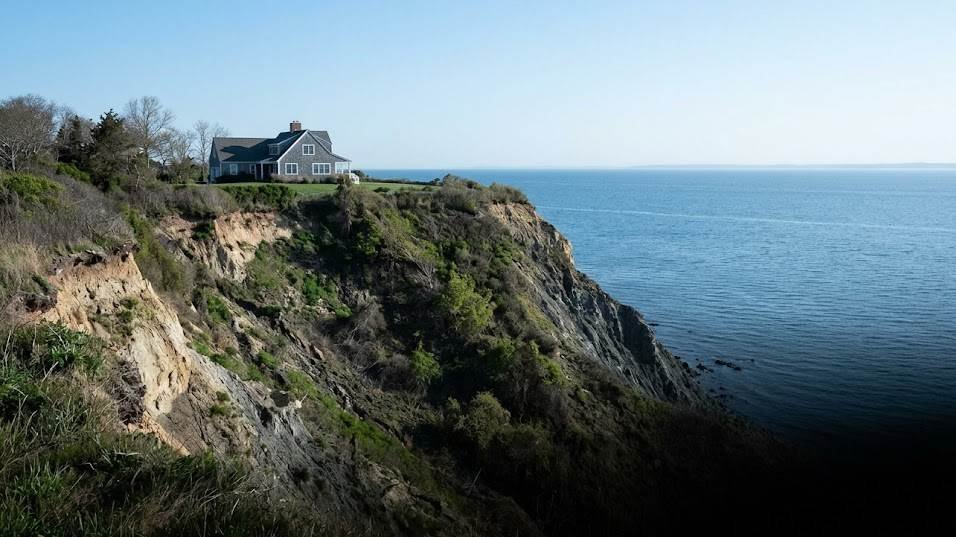
There’s a particular stretch of the North Shore — the bluff communities between Port Jefferson and Sound Beach, out toward Mount Sinai Harbor, and further east toward Miller Place and Rocky Point — where the land ends not with a beach but with a drop. The bluffs here can run from 40 to over 100 feet above Long Island Sound. The views are extraordinary. The properties are coveted. And the physical reality of what sits beneath them is something every prospective buyer should understand before making an offer.
I am not writing this to scare anyone away from bluff property. I’ve represented buyers in these transactions and I know the appeal is genuine — the water, the privacy, the sense of elevation above the Sound that you simply don’t get elsewhere on Long Island. But the erosion question is real, underreported in real estate coverage, and specific enough that it deserves a straight conversation.
What the Bluffs Are, and Why They Erode
Long Island’s North Shore bluffs are the product of glacial geology. The last ice age left behind a ridge of unconsolidated material — sand, silt, clay, gravel, boulders — stacked up to impressive heights along the Sound coastline. Unlike the bedrock cliffs you’d find in Maine or coastal New England, our bluffs are essentially held together by their own weight and whatever vegetation has taken root on their faces.
Wave action at the base is the primary driver of erosion. When waves undercut the base of a bluff — particularly during nor’easters and tropical storm events — the material above becomes unstable and slumps downward. This recession can be slow and incremental in quiet years, or dramatic after a single major storm. Research on North Shore bluff erosion, including studies cited by the U.S. Army Corps of Engineers, has documented ongoing recession along substantial sections of the Suffolk County coastline. Bluffs can only erode or remain stable — unlike beaches, they cannot accrete.
The Revetment Solution — and Its Obligations
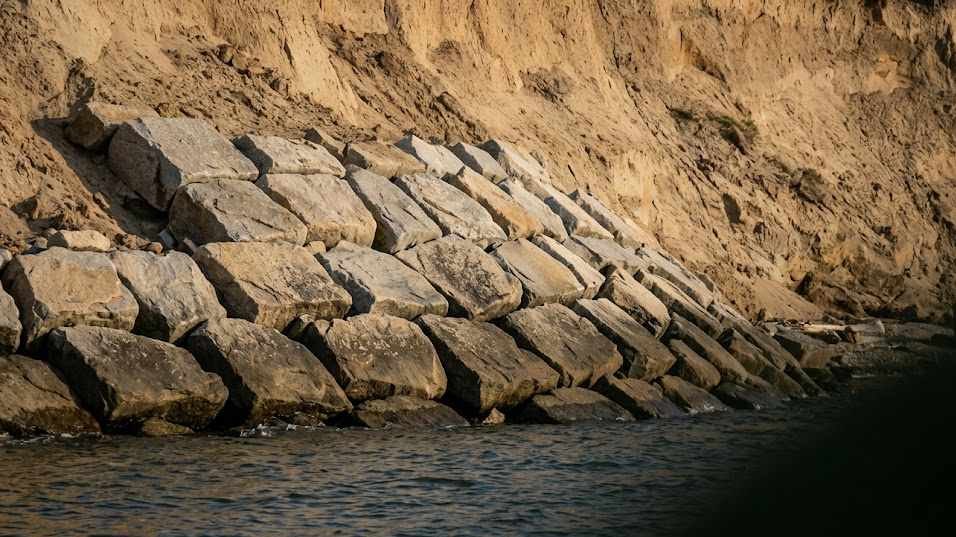
For Sound-front properties where the bluff is actively threatened or where the homeowner wants to protect against future erosion, the standard engineered response is a stone revetment. As described by Pearce Marine Construction, a Long Island marine contractor with deep experience on the North Shore, these are sloping structures of heavy armor stone placed to dissipate wave energy — the idea being to scatter rather than reflect the force of incoming water, which stabilizes the base of the bluff and prevents undercutting from below.
Revetments are not set-it-and-forget-it solutions. They require maintenance, particularly after significant storm events. Stone can shift. The toe of the structure — the buried foundation that prevents sliding — can be compromised by scour. A revetment built by an experienced marine contractor and properly engineered for the site can provide decades of protection; a poorly designed one can create problems for adjacent properties by altering how wave energy moves along the shoreline.
The DEC’s own coastal erosion design guidelines make clear that revetments placed on the North Shore should be professionally engineered, site-specific, and coordinated with neighboring property owners where the structure crosses parcel boundaries.
The Permit Layer
Any construction, repair, or significant modification to a structure within a mapped Coastal Erosion Hazard Area (CEHA) on Long Island requires a Coastal Erosion Management Permit from the New York State Department of Environmental Conservation. The DEC’s CEHA maps delineate the boundaries of regulated areas for the entire Long Island coastline, including the North Shore bluffs.
Within a CEHA, regulated activities include the construction or placement of erosion protection structures — seawalls, revetments, bulkheads, groins — as well as any action that materially alters the condition of land in that zone. Normal maintenance of an existing structure generally does not require a permit. Adding to or rebuilding does.
For buyers, this means several things. First: before making an offer on a bluff property, determine whether the property falls within a CEHA. Your attorney or the local DEC regional office can confirm this. Second: if the property has an existing revetment or seawall, verify that it was properly permitted and that maintenance has been performed. Unpermitted structures create complications at resale. Third: if the bluff is unprotected and eroding, understand that building new protection will require a permit, an engineered design, a licensed contractor, and lead time. None of this happens quickly.
Insurance Costs
Waterfront properties on Long Island carry higher insurance costs than comparable inland homes, and bluff properties add their own layer of complexity. Standard homeowners policies do not cover erosion damage — loss of land due to gradual erosion is specifically excluded. Flood insurance through the National Flood Insurance Program covers structural flood damage but not earth movement.
Bluff properties that are Sound-front and within FEMA flood zones face mandatory flood insurance requirements for federally backed mortgages. Wind damage deductibles on Long Island coastal properties are often structured as a percentage of insured value — typically 2 to 5% — rather than a flat dollar amount, which means significant out-of-pocket exposure before coverage kicks in.
Before closing on any bluff property, get an insurance quote specific to the property — not a generic estimate — and factor the annual cost into your total carrying cost calculation. Premiums for well-positioned coastal properties on Long Island can be meaningfully higher than the regional average, and that gap is worth knowing before you’re committed.
Resale Considerations
A well-protected bluff property — with a professionally engineered and permitted revetment in good condition — is a different asset than a bluff property with an aging, unmaintained structure or no protection at all. Buyers in future years will ask the same questions you are asking now, and they will have access to the same DEC permit records, the same CEHA maps, and the same ability to bring in an engineering inspection.
Properties where the erosion situation has been addressed responsibly — where documentation exists, where maintenance has been performed, where there are no unpermitted modifications — tend to transact more cleanly. Investing in the right engineering and permitting is not just about protecting the land. It’s about protecting the transaction.
How to Approach a Bluff Property Purchase
A few practical steps I recommend to buyers seriously considering Sound-front bluff properties:
Engineering inspection. A standard home inspection does not evaluate bluff stability or the condition of erosion control structures. Hire a licensed coastal or geotechnical engineer to assess the bluff face, any existing revetment or seawall, and the current risk profile.
DEC permit review. Request records of any CEHA permits associated with the property from the DEC’s regional office or from the seller. Understanding what has been permitted and built — and when — is basic due diligence.
Title search for easements. Some North Shore waterfront parcels have beach access easements, shared maintenance obligations for erosion structures, or other encumbrances that affect what you can and can’t do with the property.
Insurance quote before commitment. Get an actual quote from a carrier experienced with Long Island waterfront property before you are under contract. Knowing your carrying costs matters.
Understand the CEHA boundary. If the property is within a CEHA, understand what future work you would or would not be permitted to undertake. This affects both how you can protect the property and what you can build or renovate on it.
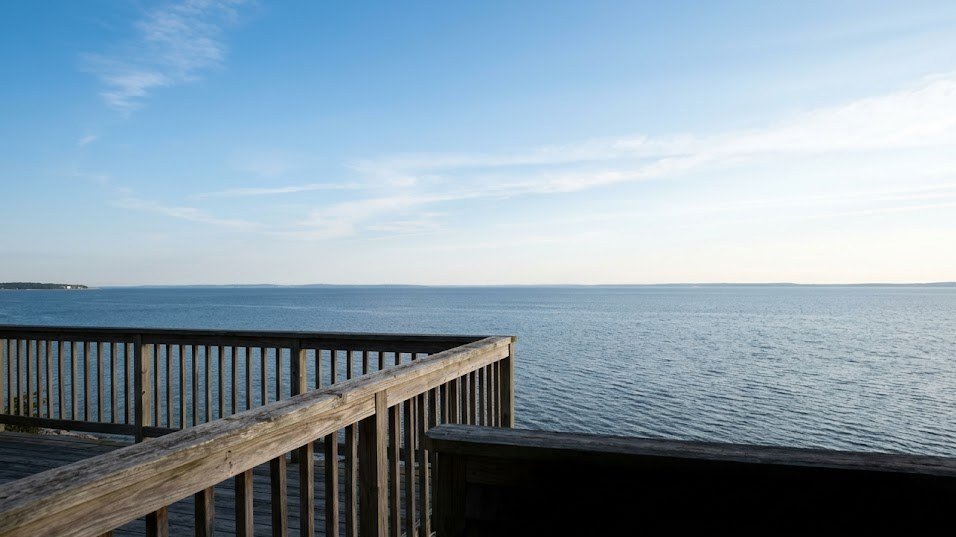
None of this is meant to suggest that bluff properties aren’t worth buying. Some of the most beautiful properties on the entire North Shore sit on these bluffs. The Sound stretching out beneath them is, on a clear morning, genuinely spectacular — the kind of view that earns its price. But the physical reality of what you’re buying should be as clear as the view. The buyers who do best on these properties are the ones who asked the hard questions before they fell in love.
That’s the kind of conversation I’m always willing to have.
This post is part of my comprehensive guide to Buying Waterfront Property on Long Island’s North Shore: What Every Buyer Needs to Know — covering everything from flood insurance and DEC permits to bulkheads, riparian rights, and the waterfront buyer’s checklist.
This post is for informational purposes only and does not constitute legal, engineering, insurance, or financial advice. Buyers of waterfront or bluff-adjacent properties should engage licensed professionals — including a coastal engineer, environmental attorney, and insurance broker — before proceeding.
Real estate markets change. This post reflects conditions as of April 2, 2026. For current listings and market data, contact Pawli at Maison Pawli.
Sources
NYS DEC, Coastal Erosion Management Permit Program
NYS DEC, Coastal Erosion Hazard Area Maps and Definitions
NYS DEC, Coastal Erosion Control Design Guidelines
Pearce Marine Construction, Long Island’s Vanishing Shores
SUNY Stony Brook Sea Grant, Coastal Processes on Long Island
NYS Department of Financial Services, Flood Insurance Overview