15-Year or 30-Year? The Payment Math at Today’s Rates
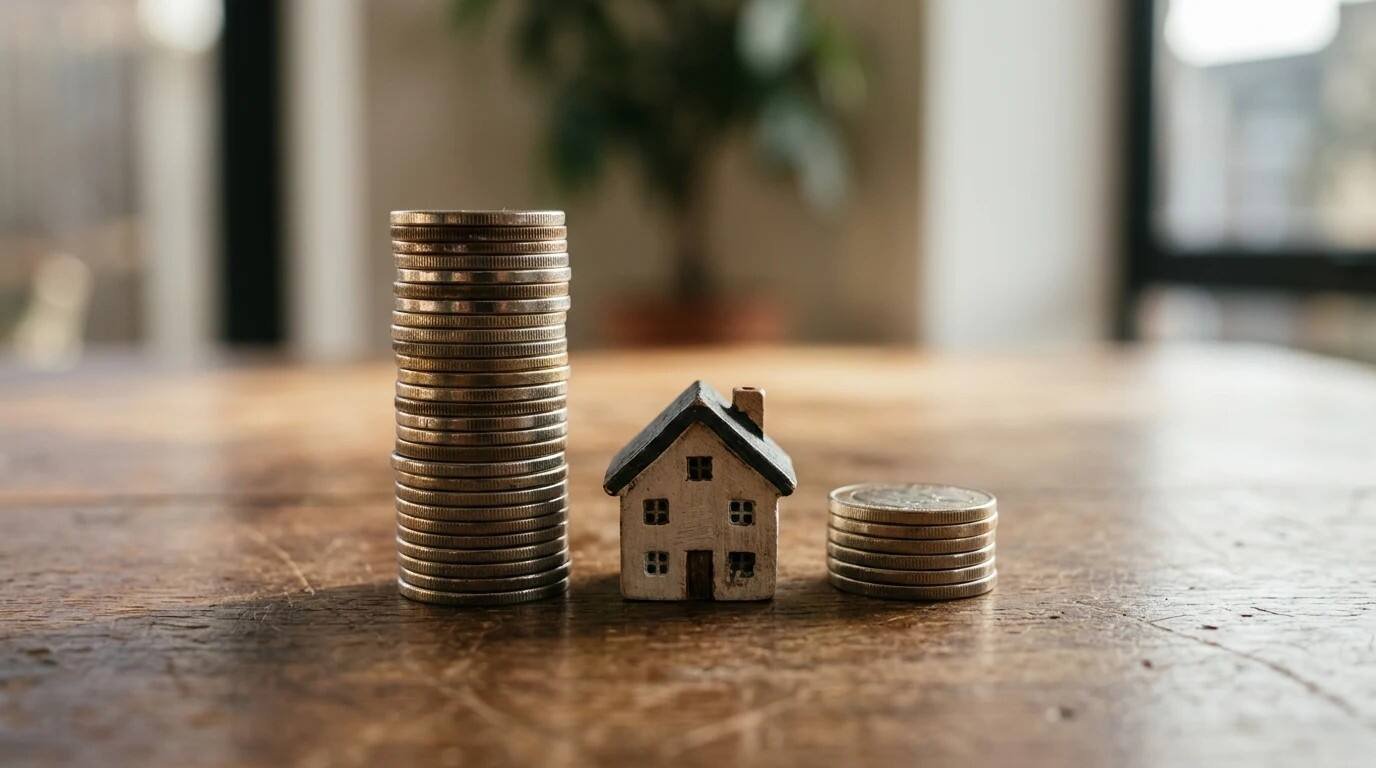
Freddie Mac’s survey of October 15 put the average 30-year fixed rate at 7.40% and the 15-year at 6.71%, as shown on the Freddie Mac survey page; Yahoo Finance also reported the 7.4% reading. The gap invites an obvious question: what does a shorter term actually cost each month, and what does it save over the life of the loan?
The answer depends on arithmetic that anyone can reproduce, and working it through shows both the appeal and the limits of the shorter loan. The example below uses round numbers so the comparison is easy to follow.

The arithmetic
The example uses a $600,000 loan, a round number chosen for the math and not a forecast of any buyer’s price. Payments below are principal and interest only, calculated with the standard amortization formula at the two survey rates. They exclude property taxes, homeowners insurance and any mortgage insurance.
- 30-year at 7.40%: about $4,154 a month, about $895,500 in total interest
- 15-year at 6.71%: about $5,296 a month, about $353,300 in total interest
- Monthly difference: about $1,142
- Interest difference over the full term: about $542,200
Readers who want to test their own numbers can use a financial calculator. A widely used model among real estate students and professionals is available here:
- Texas Instruments BA II Plus Financial Calculator: handles loan payments, amortization and interest totals with dedicated keys. See it on Amazon (affiliate link)
As an Amazon Associate I earn from qualifying purchases. A commission may be earned if you buy through this link, at no extra cost to you.

What the numbers say
The shorter loan costs roughly 27% more each month but saves more than half a million dollars in interest if held to term. Most borrowers do not hold a loan that long, because they sell or refinance, so the real savings depend on how long the loan stays in place. Someone who expects to move in seven years captures only part of the interest advantage, while still carrying the heavier monthly payment. The Bloomberg Television report above, on mortgage rates holding at 7.4%, gives the current-rate backdrop for this comparison.
Questions to settle before choosing
- Can the higher payment fit alongside taxes and insurance at the actual price of the home?
- Is there an emergency fund that stays intact after the down payment and closing costs?
- How long does the borrower expect to stay in the home?
- Would a 30-year loan with extra principal payments give the same payoff but more flexibility?
That last option works only if the lender permits prepayment without penalty, so the loan documents deserve a careful read. A 30-year loan paid down on a 15-year schedule keeps the lower required payment as a safety net, though the 30-year rate is higher, which means the interest total would still exceed that of a true 15-year loan. Payment amounts here are illustrations and a lender’s official Loan Estimate will show the real figures.
Current rate context is in the posts on Treasury yields and loan types and the Fed minutes.
This article reports published figures for general information. It is not financial, legal or lending advice, and every number reflects the date of its source, so confirm current figures before acting on them.