Selling History: How to Price and Market North Shore Pre-War Details
Original 1920s architectural details can command a verified premium — if marketed correctly. A seller’s guide to leveraging Gold Coast provenance on Long Island’s North Shore.
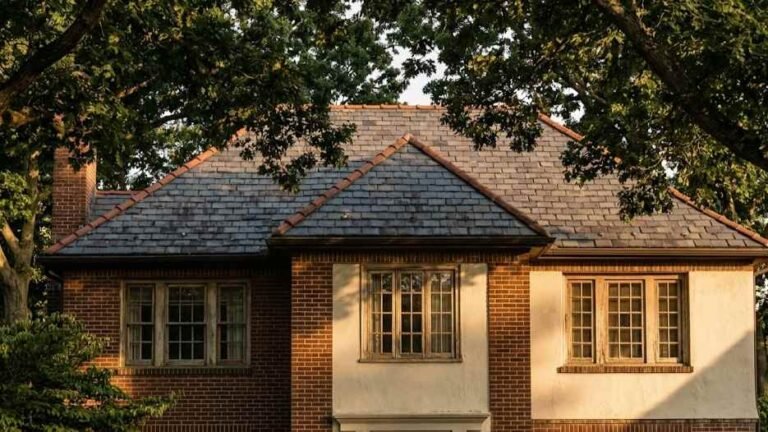
Original 1920s architectural details can command a verified premium — if marketed correctly. A seller’s guide to leveraging Gold Coast provenance on Long Island’s North Shore.

First-time buyers are told earnest money shows good faith. They’re rarely told the exact conditions under which they lose it permanently. This is that explanation.
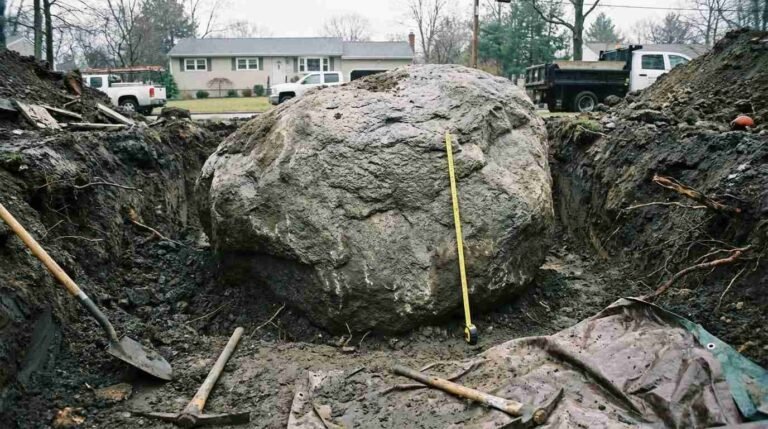
The Wisconsin Glacier retreated across Long Island roughly 20,000 years ago and left behind a mix of boulders, clay, and gravel still dictating North Shore renovation budgets. What every 1960s ranch buyer needs to know.
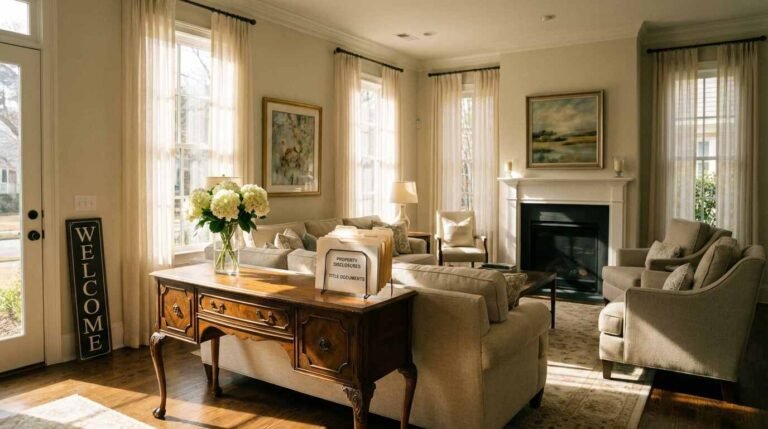
New York’s Property Condition Disclosure Act creates legal obligations that activate before your first visitor arrives. Here’s what sellers must disclose — and what they can’t hide behind a $500 credit.
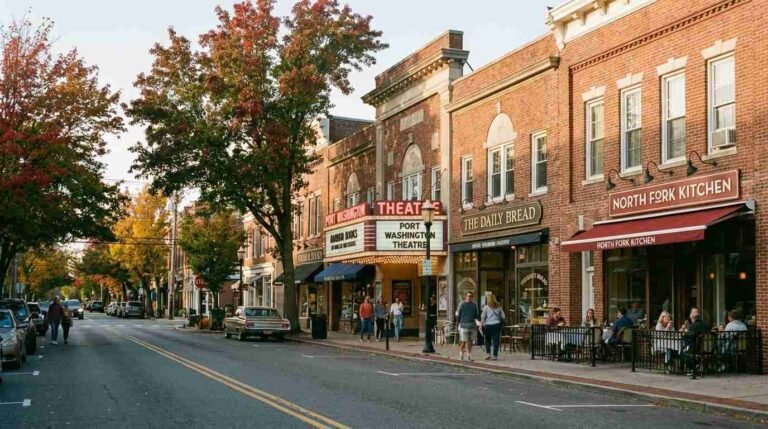
Huntington Village is the North Shore’s most walkable downtown — a genuine Main Street with arts, waterfront access, strong schools, and a real estate market that reflects all of it.
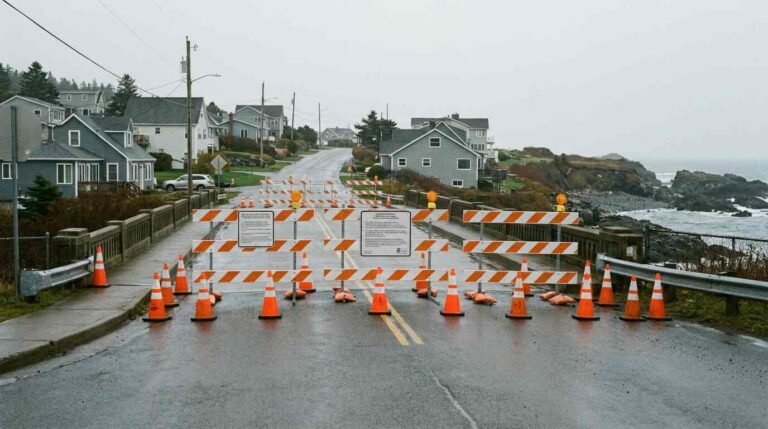
The Ponquogue Bridge is the only vehicle access to Dune Road in Hampton Bays — and its February 2025 emergency closure exposed exactly how much risk that single structure carries for every property on the barrier island.
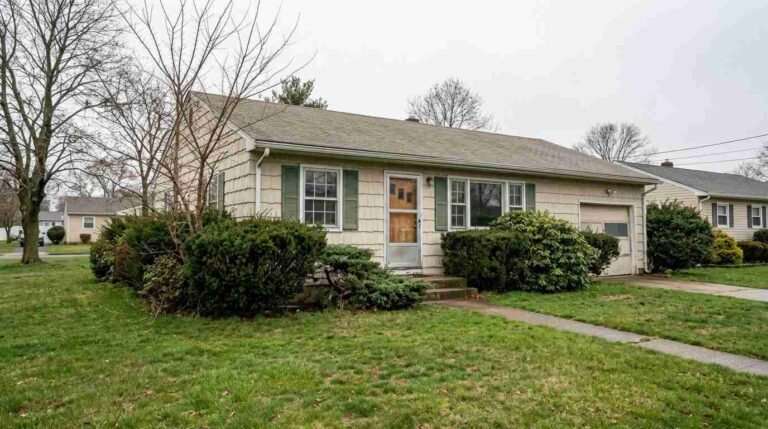
Vermiculite insulation, 9×9 tiles, and pipe wrap in Suffolk County’s pre-1980 homes can add $10,000–$30,000 to a renovation budget. Here’s how to find it, price it, and negotiate it.
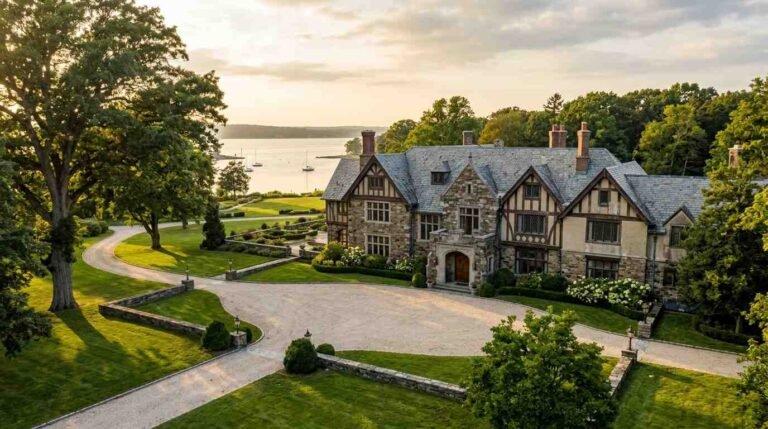
When William K. Vanderbilt II’s Eagle’s Nest estate entered the market after 1944, the resulting land dispersal determined Centerport’s social geography for generations. Here’s what that history still means for buyers today.
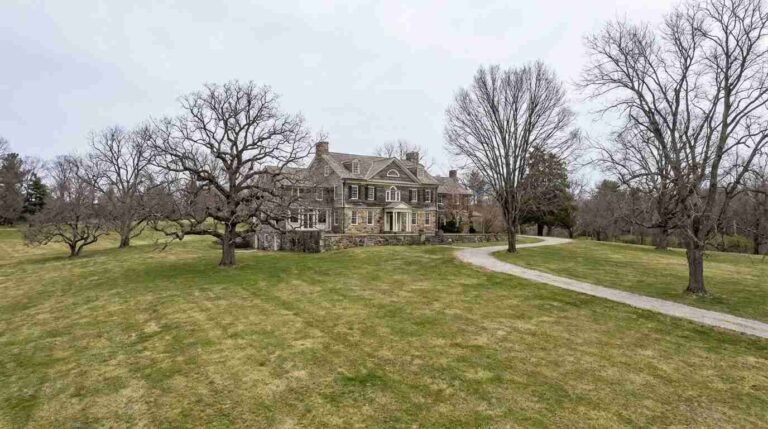
From the storied lanes of Locust Valley to the waterfront estates of Lloyd Harbor, explore the most sought-after villages on Long Island’s North Shore — and what makes each one distinct.
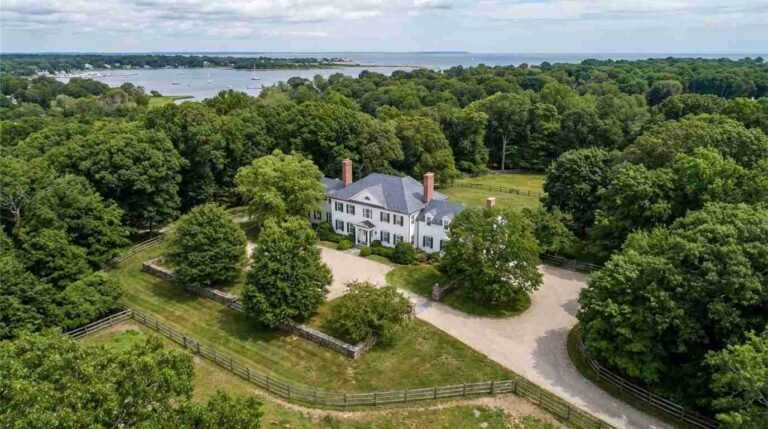
Nissequogue is the North Shore’s most private address — a village of 1,600 people, two-acre minimums, nature preserves, and Sound-facing estates where the market moves slowly by design.