North Fork Wine Country Has a Secret Season. It’s Not Summer.
August on the North Fork is a particular kind of beautiful — and also, if I’m being honest, a particular kind of exhausting. The tasting rooms fill up by noon. The parking lots on Route 48 become negotiating exercises. You wait twenty minutes for a pour of something you could have ordered off the wine list if you’d just gone to a restaurant. I’ve done it. Most people who love the North Fork have done it, and then quietly decided to go back in October instead.
That’s when the real season starts.
Why Fall Harvest Changes Everything on the North Fork
The North Fork of Long Island holds a federally designated American Viticultural Area status through the Alcohol and Tobacco Tax and Trade Bureau — the TTB recognition that places it alongside established wine regions with distinct soil and climate profiles. What that designation reflects, practically speaking, is a microclimate shaped by the Long Island Sound to the north and the Peconic Bay to the south, with enough moderating maritime influence to extend the growing season into late October.
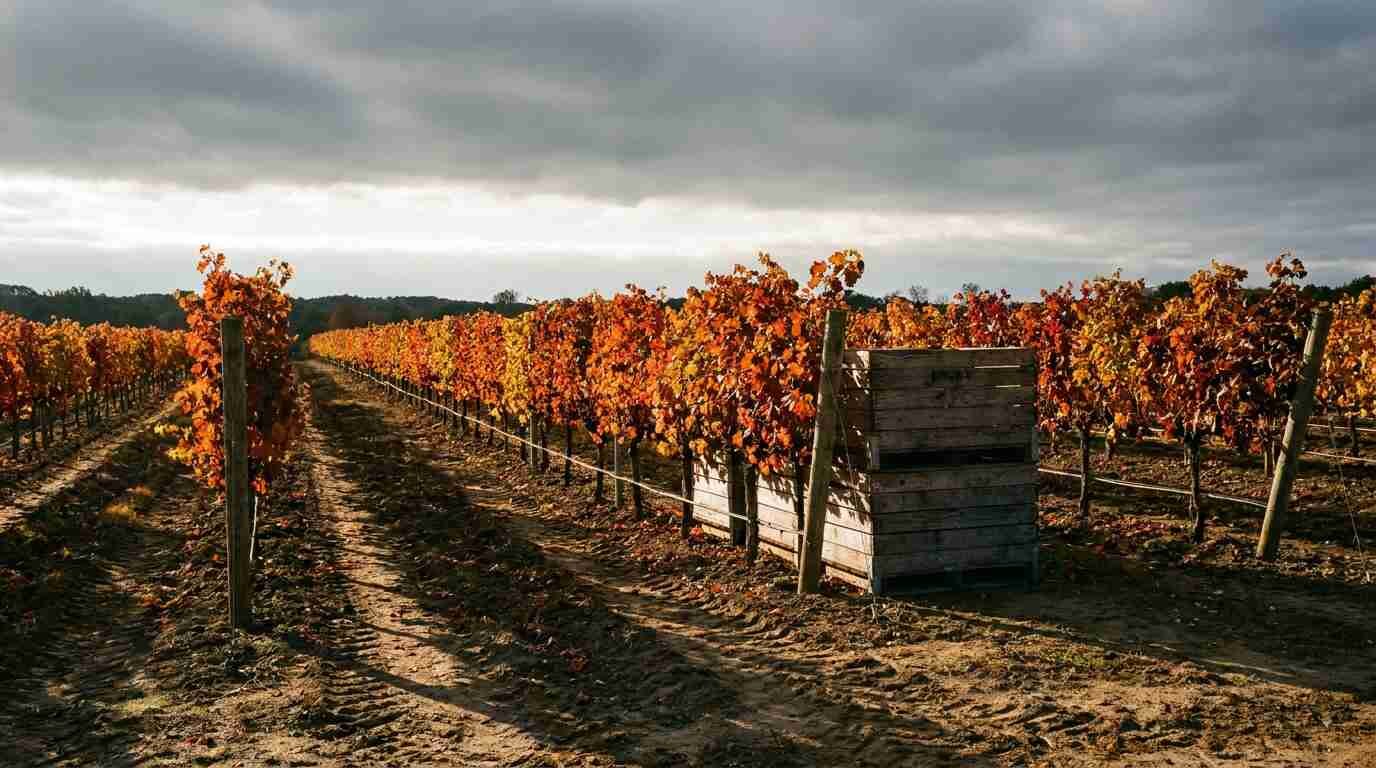
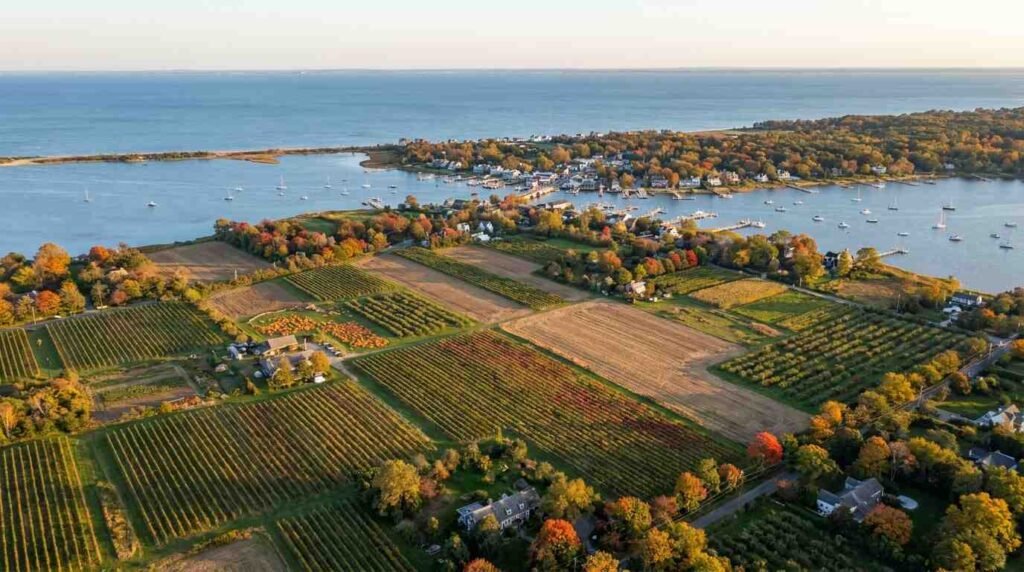
That extended season is exactly what makes fall different. By the time September arrives, the work that has been happening quietly in the vineyards all summer becomes visible. Harvest for Merlot and Cabernet Franc — the North Fork’s signature reds — typically runs late September through mid-October, depending on the year’s weather patterns and the decisions of each winery’s viticulture team. Walking a vineyard in late September and watching that process happen is a different experience entirely from arriving in August when the vines are lush and the grapes are weeks away from maturity. In fall, there is intention in the air. Something is actually being made.
The crowds thin, too, in ways that matter. The summer visitors who drive out from the city on a whim because someone mentioned the North Fork at a dinner party — they’re largely gone after Labor Day. What remains are the people who came for the wine.
The Wineries Worth Visiting After Labor Day
Not every winery on the North Fork operates the same way in fall, and knowing which ones to prioritize makes the difference between a good day and a great one.
Bedell Cellars in Cutchogue has long been one of the region’s serious producers, with estate-grown fruit and a winemaking program that has attracted consistent critical attention. Their fall harvest events — documented on their annual calendar — offer access to the vineyard in a way that summer tastings don’t. The tasting room atmosphere in October shifts from social occasion to something closer to a working conversation about what’s in the glass.
Paumanok Vineyards, also in Aquebogue, is a family operation with one of the longer track records on the North Fork. Their late-harvest programs and library wine tastings tend to run in fall, when the pace allows for that kind of depth. Paumanok’s Chenin Blanc, in particular, is a wine that rewards the visitor who actually asks questions.
Shinn Estate Vineyards in Mattituck operates with a biodynamic approach and has become a destination for serious wine travelers who want their visit to carry more weight than a tasting flight. In fall, when harvest is active or just concluded, a visit here reads differently than a summer afternoon. The land is doing something. You can feel it.
The Long Island Wine Council publishes seasonal guides with harvest timing and special events — their published calendar is the most reliable source for specific dates, which vary year to year.
What Grapes Are Actually Being Picked Right Now
The North Fork’s dominant red varieties — Merlot, Cabernet Franc, and Malbec — come off the vine in that late September to mid-October window. Merlot, which thrives in the region’s maritime-moderated temperatures and well-drained glacial outwash soils, is typically first. Cabernet Franc follows, and in warmer vintages, small blocks of Cabernet Sauvignon close out the harvest calendar.
White varieties come earlier. Chardonnay and Sauvignon Blanc are usually in by mid-September, which means by the time you arrive in October, the winemaking team is deep into reds. If you time a visit to coincide with red harvest — something the wineries will confirm if you call ahead — you may find yourself watching bins of estate fruit being processed in a way that has nothing to do with tourism and everything to do with the actual work of making wine.
That specificity is what fall gives you. The North Fork in October is not performing its wine country role. It is simply being one.
Food Pairings That Make More Sense in October Than July
The seasonal logic of fall on the North Fork extends to the table. The farm stands that line Route 25 shift from summer tomatoes and sweet corn to winter squash, late-harvest apples, and root vegetables in October — and those flavors pair with aged reds in a way that rosé and chilled whites never quite asked for.
Several North Fork restaurants adjust their menus accordingly. A Merlot-based pairing with roasted beet and aged cheese, or Cabernet Franc alongside braised lamb from a local farm — these combinations exist because the season invites them. Jamesport Farm Brewery, among others, has collaborated with neighboring producers in ways that reflect this interplay between land, season, and what ends up on the plate.
If you’re planning a fall visit around food as much as wine, call ahead. Harvest season means winemakers and chefs are paying attention to the same calendar, and some of the best experiences on the North Fork in October happen because someone made a reservation and asked what was ready.
How to Plan a Fall Wine Weekend Without the Summer Price Tag
The practical case for fall, beyond the experience itself: the North Fork in October is cheaper across the board. Accommodation rates drop after Labor Day. The inns and bed-and-breakfasts in Greenport, Southold, and Mattituck that charge a premium in July and August are running shoulder-season pricing from September through November. Restaurants that require weeks of advance reservation in summer often have same-week availability.
The ferry from New London, Connecticut to Orient Point runs reduced schedules after Labor Day, which is worth checking if you’re approaching from Connecticut or Rhode Island — but for the majority of visitors driving from New York City or western Long Island, the route along the LIE and then out the North Fork is straightforward and, in fall, largely free of the August backup that makes summer visits a calculation.
A well-planned fall weekend: arrive Friday evening, stay in Greenport, walk the harbor Saturday morning before the wineries open, spend Saturday afternoon at two or three producers, and close with dinner at something local and unhurried. Sunday can accommodate one more winery and the drive back before traffic reasserts itself.
For anyone thinking about the North Fork not just as a weekend destination but as a place to own — the fall visit is also when the land reads most honestly. The summer greenery has softened, the light is long and low, and you get to see the place the way its year-round residents do. I’ve shown property out here in October to buyers who came for the wine and stayed for the conversation about what it might be like to live here. That transition happens more naturally than you’d expect.
If that’s where your thinking is heading, reach out to me at Maison Pawli. The North Fork real estate market — particularly in Riverhead and Greenport — has its own seasonal logic worth understanding before you start looking. I wrote about Riverhead’s current market position here if you want a grounding before we talk.
You Might Also Like:
- Riverhead, NY Real Estate Market 2026: The Gateway Town That Got Serious
- The Deed Before the Vineyard: Tracing the Agricultural Lineage of North Fork’s Most Celebrated Wine Estates
- Greenport Before the Galleries: Reading the Village’s Commercial Block Architecture as a Maritime Industry Timeline
Real estate markets change. For current listings and market data, contact Pawli at Maison Pawli.
Sources:
- TTB American Viticultural Area: North Fork of Long Island — federal AVA designation records
- Bedell Cellars — Harvest Events — annual harvest calendar
- Paumanok Vineyards — varietal and seasonal program information
- Shinn Estate Vineyards — biodynamic vineyard practices and harvest programming
- Long Island Wine Council — Seasonal Guide — regional harvest timing and event calendar