Kidde P3010K Smoke and Carbon Monoxide Alarm Review: A 10-Year Combo Unit, and What New York Homes Need to Know

As an Amazon Associate I earn from qualifying purchases. A commission may be earned if you buy through this link, at no extra cost to you.
Two alarms do two different jobs, and in a small apartment or a rowhouse hallway, a single combination unit can do both. The Kidde P3010K pairs a smoke sensor with a carbon monoxide sensor and runs on a sealed battery meant to last a decade. This review looks at the specs, how Consumer Reports scored it, and what the 10-year clock means for a New York home.
One note on method. This is desk research, drawn from a retailer listing, Consumer Reports’ published ratings, a fire-safety article and a New York State Department of Health document, with no hands-on testing. This post is general information, not legal advice. Code and landlord obligations vary by building and date of construction, so ask a licensed New York attorney or your local code office about your property.
What the listing says
A retailer listing for the P3010K shows a photoelectric smoke sensor and an electrochemical CO sensor. The sealed lithium battery is described as lasting the full 10-year life of the unit, so there is nothing to replace. The alarm sounds at 85 dB at ten feet. It carries UL 217 for smoke alarms and UL 2034 for CO alarms. Pressing the hush button silences a nuisance alarm for about ten minutes, only while it is sounding. At end of life the unit chirps every 30 seconds, and the chirp can be silenced for three days at a time, up to 30 days. The listing says the unit does not interconnect with others. That listing price was $80.99; prices vary by seller.
The listing did not state a warranty. Check the one on the product you receive.
How Consumer Reports scored it
Consumer Reports gives the P3010K an overall score of 89 and marks it as CR Recommended. Its sub-scores in the public summary include 4 for high carbon monoxide levels, 5 for low CO levels, and 5 each for flaming and smoldering fires. The page notes the model is no longer in active testing, and lists a price of $51. Another model it scored, a Siterwell unit, came in at 91.
Two cautions apply. The membership wall hides the finer detail, so this review cannot say more about the test conditions or what scale the sub-scores use. And a model no longer in active testing may have changed since the evaluation, so look at the manufacture date on the box.
The 10-year clock
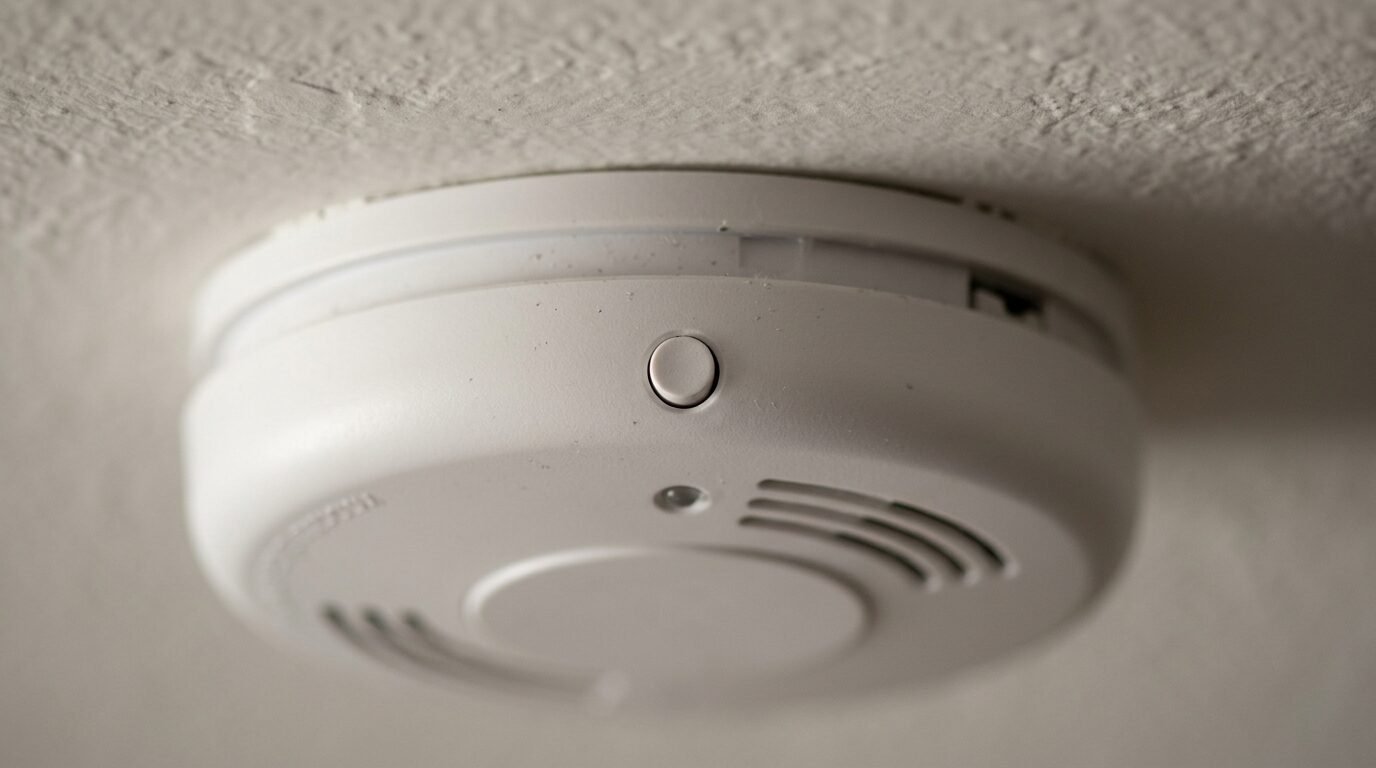
Smoke alarms wear out. The NFPA advises replacing them about every 10 years, counted from the manufacture date printed on the unit, and checking them monthly, as summarized in an article on CE Pro. A sealed 10-year battery therefore matches the alarm’s expected life. It also means that when the battery is spent, the whole unit goes.
The date matters for shopping, too. An alarm that has sat in a warehouse for a year has a year less to give. Look at the manufacture date on the back before installing, and write the install date on the unit.
New York rules, in plain terms
New York’s Amanda’s Law requires CO alarms in one- and two-family homes, condominiums, cooperatives and multiple dwellings, according to the State Department of Health document. The placement rules differ for buildings built before or after January 1, 2008, and the alarms must be listed to UL 2034, which the P3010K is, per its listing. The same document notes that manufacturers typically suggest replacing units about every five years in its cost discussion, a figure that differs from the 10-year life claimed for this model.
That mismatch is worth a phone call to the manufacturer, and not something this post can settle. Landlord duties, tenant duties and the exact placement for a given building are legal questions. For those, a New York attorney or the local code office is the right source.

Where the evidence goes quiet
There was no independent testing of the real-world nuisance alarm rate, sound quality or voice alerts found in the sources used here. Consumer Reports’ score reflects lab tests, and the listing reflects marketing. Reviews from owners were not weighed. Because the unit is not interconnected, an alarm in the basement will not sound the one upstairs, a real consideration for larger homes.
Pros, cons, who it suits, and who should skip it
- Pros: CR Recommended, overall score 89.
- Pros: both a smoke sensor and a CO sensor in one unit.
- Pros: sealed battery, no changes for 10 years.
- Pros: UL 217 and UL 2034 listings.
- Cons: no interconnection.
- Cons: CR’s detail behind the score is paywalled.
- Cons: price varies widely, from $51 in CR’s note to $80.99 on one listing.
- Cons: the whole unit is replaced at end of life.
It suits small homes and apartments where one or two alarms cover the space, and owners who want to stop swapping batteries. It is a poorer fit for larger homes that want every alarm to sound together.
The verdict, and where to find it
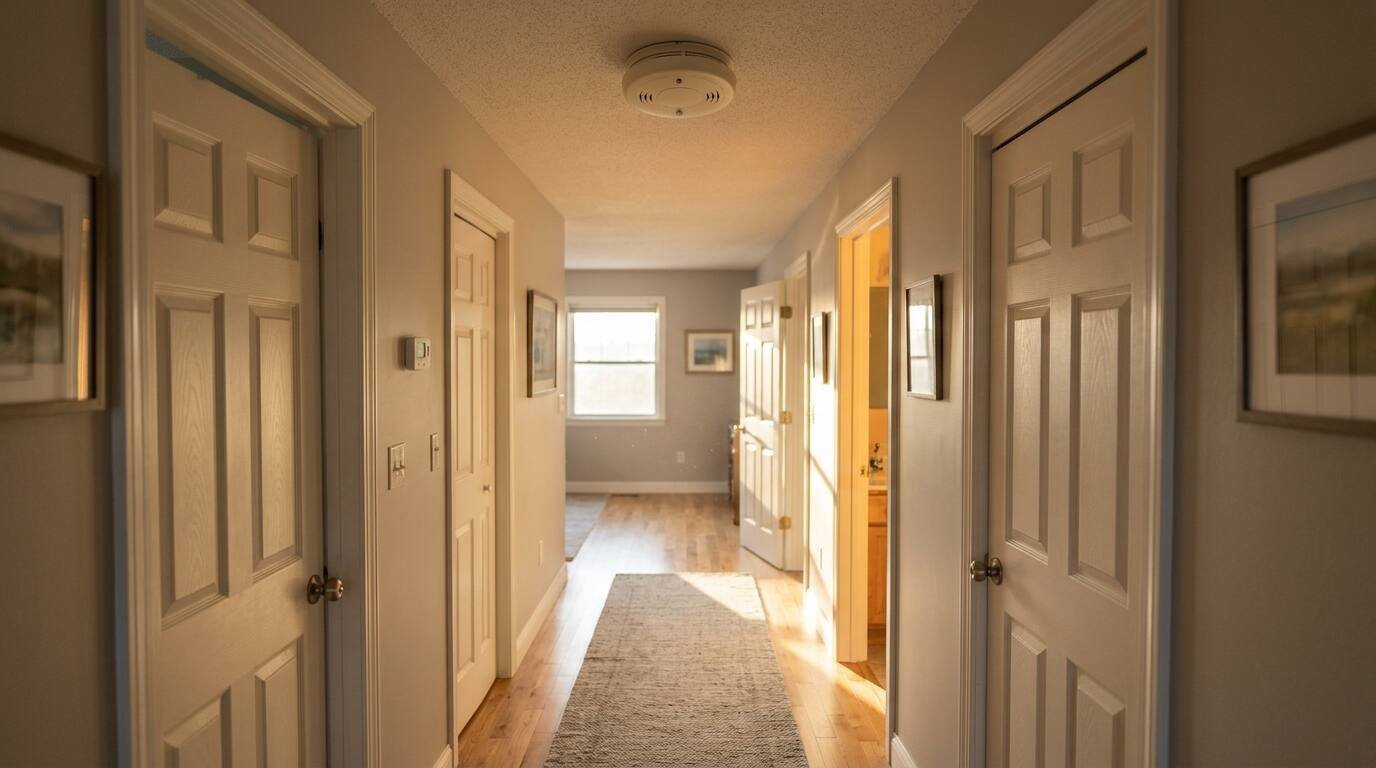
On the evidence available, the P3010K is a solid, plain combination alarm with a respectable independent score and a built-in battery that matches its service life. Its limits are the lack of interconnection and the thin public detail behind the ratings. Confirm the model, the manufacture date and the price on the listing before you buy.
You can find the Kidde P3010K Smoke and Carbon Monoxide Alarm through the button at the top of this post or the link here. Because I link through an affiliate account, I earn a commission if you buy, at no extra cost to you.
This post is general information, not legal advice. Code and landlord obligations vary by building and date of construction, so ask a licensed New York attorney or your local code office about your property.
As an Amazon Associate I earn from qualifying purchases. A commission may be earned if you buy through this link, at no extra cost to you.