Builder Stocks Are Down More Than 20% Ahead of Two Housing Reports This Week
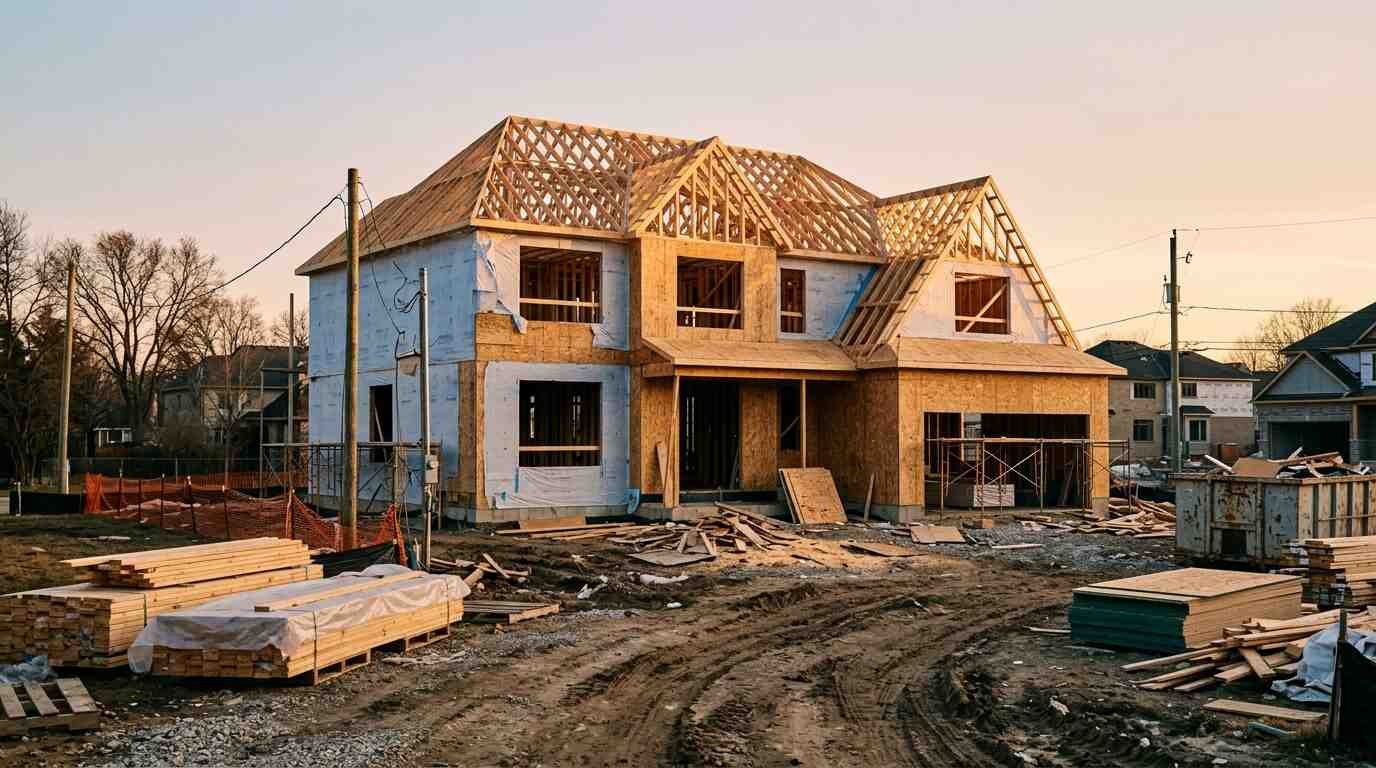
Two housing reports land early this week, and they arrive with homebuilders under heavy pressure. According to an Associated Press business preview, the Census Bureau’s September housing starts report is due Tuesday and is expected to show homebuilding edging higher after two months of declines. The AP also reports that shares of KB Home and Lennar are each down more than 20% in 2026, while the S&P 500 is up 14%.
The AP preview, carried by WRAL, is the main source for those points. Additional figures on the calendar and on builder sentiment come from a market note published by Investment House on October 17, which we could not trace back to its original sources, so those numbers are flagged below as reported rather than verified.
The slump behind the numbers
The AP describes the housing sector as stuck in a slump since 2022, with high mortgage rates and rising construction costs, including materials and labor, holding back both buyers and builders. A builder has to pay for lots, lumber and crews up front, then sell into a market where many buyers cannot make the monthly payment work. When both sides of that equation are squeezed, fewer homes get started.
Freddie Mac’s weekly survey put the 30-year fixed mortgage rate at 7.40% for the week ending October 15, the highest in nearly three years, against 6.27% a year earlier, according to Investment House. The same note says Fannie Mae’s October forecast now sees the 30-year rate averaging 7.4% in the fourth quarter and 7.5% in each quarter of 2027, up from the 6.8% and 6.7% it projected in September. Forecasts change often, and these are projections, not promises.
What is on the calendar
- Monday, October 19, 10 a.m. ET: the National Association of Home Builders’ Housing Market Index. Investment House lists a consensus of 31 against a prior reading of 32.
- Tuesday, October 20, 8:30 a.m. ET: September housing starts and building permits from the Census Bureau and HUD.
- Thursday, October 29: D.R. Horton reports fiscal fourth-quarter earnings, per Investment House.
The forecasts for Tuesday do not agree. The AP says starts are expected to edge up after two monthly declines. Investment House cites a Wells Fargo forecast that starts fell 2.0% to about 1.25 million units. Both can be true as expectations from different shops, and the actual report may land on either side. Housing starts are also revised, so the first number is not the last.
How builders have been responding
Investment House reports that builder confidence stood at 32 in September, the lowest since September 2025, and that 66% of builders were using sales incentives while 38% had cut prices. It does not name the survey behind those percentages, though the figures are consistent with the NAHB’s monthly index, so treat them as unconfirmed until the October release arrives.
Incentives matter to buyers because they can take different forms, from price cuts to help with closing costs to temporary mortgage rate buydowns. Each works differently, and each should be described in writing.

Why it matters on the North Shore
Much of the North Shore’s housing stock is existing homes, and new construction is a small part of the local picture, so a national starts number is not a direct read on any one town. The connection is indirect. When fewer new homes are built nationally, buyers who cannot find or afford new construction stay in the resale market, and builders’ incentives in other regions can pull some buyers elsewhere. Rates matter locally in the same way they do everywhere: at 7.4%, the monthly payment on a given loan amount is meaningfully higher than it was a year ago.
The AP also notes that homebuilder shares have lagged the broader market this year. That reflects investor worry about profits, not necessarily home prices, and the two can move separately.
One more caution on reading the results: a weak starts number can reflect weather, financing or a single region, and a strong one can reflect a burst of multifamily projects rather than single-family houses. The headline is a starting point, and the breakdown underneath usually tells you more about who is actually building and where.
Practical points
- If a builder or seller offers an incentive, ask for it in writing and compare the total cost of the offer, not only the headline rate or price.
- Ask a lender for current, written rate quotes, since weekly survey averages are not offers.
- Treat single-month government reports as snapshots; they are often revised.
This article is general information only, not legal, tax or financial advice, and it does not recommend any property or neighborhood. Buyers and sellers should consult a licensed real estate professional, an attorney and a mortgage professional about their own situation.
Sources
- AP via WRAL, “Big earnings reports, homebuilding and the mood of consumers up front next week,” by Damian J. Troise, October 17, 2026 (opened and read): wral.com
- Investment House, “Mortgage Rates Near 7.4%. Fannie Mae Sees 2027 at 7.5%,” October 17, 2026 (opened and read; original data sources not independently verified): investmenthouse.com