The Aristocrat of the Roasting Pan: How Long Island Mass-Produced the Duck
Before the roadside novelty in Flanders, the Long Island duck was an industrial juggernaut. A sardonic look at how a working-class industry became an elite table luxury.
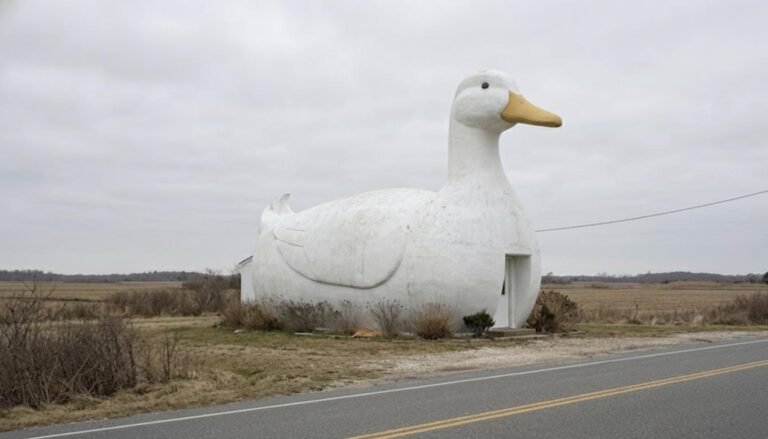
Before the roadside novelty in Flanders, the Long Island duck was an industrial juggernaut. A sardonic look at how a working-class industry became an elite table luxury.
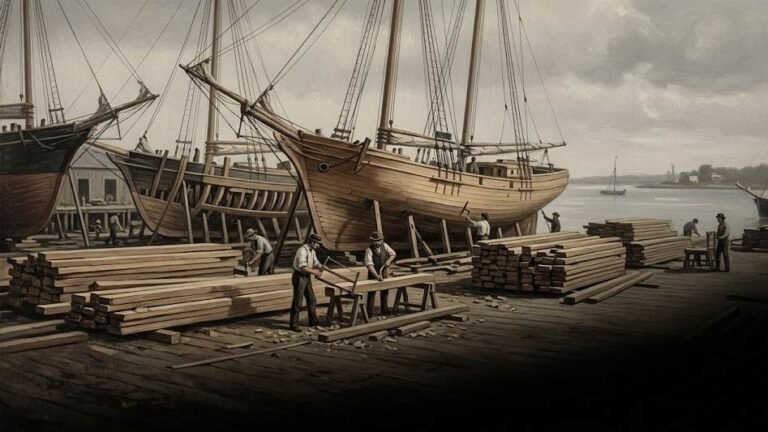
Port Jefferson’s shipbuilders did more than build hulls. The craftsmen of the Mather and Bayles yards transferred ship joinery logic directly into domestic furniture — and the surviving pieces still show it.
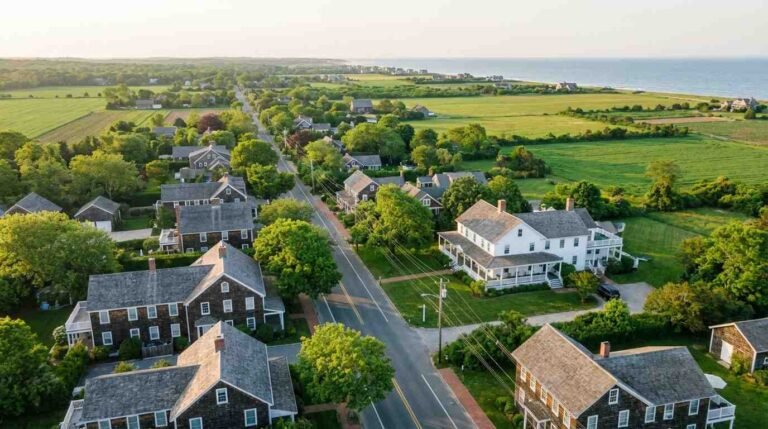
Between East Hampton and Southampton, Bridgehampton has spent decades playing understated. Now, with Topping Rose House, Farrell homes, and equestrian estates, it’s arrived.
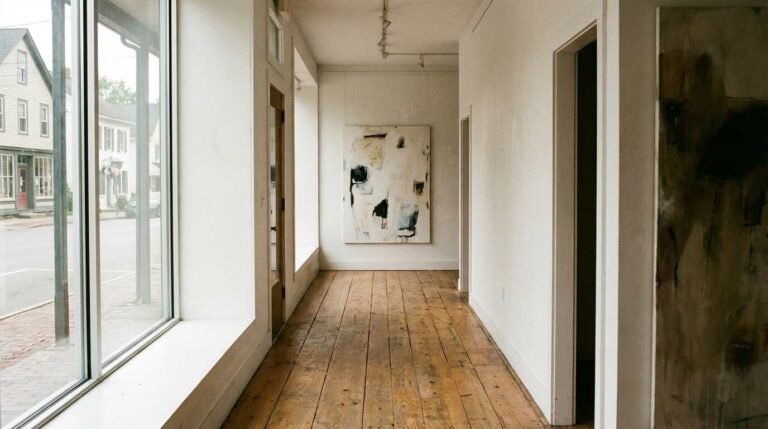
How August Heckscher’s 1920 gift of a Beaux-Arts museum to Huntington established the aesthetic field that still determines what counts as culture on Long Island’s North Shore.
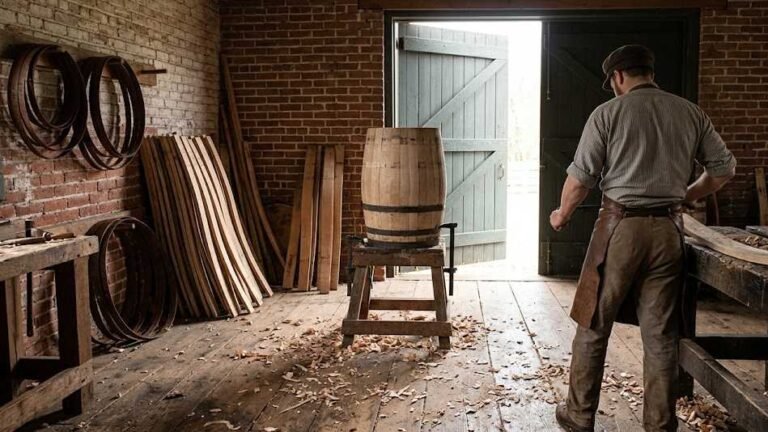
The Matinecock Friends Meeting House, built in 1725 and rebuilt in 1986, carries a joinery tradition that shaped the craft sensibility of Gold Coast estate carpenters for two centuries.
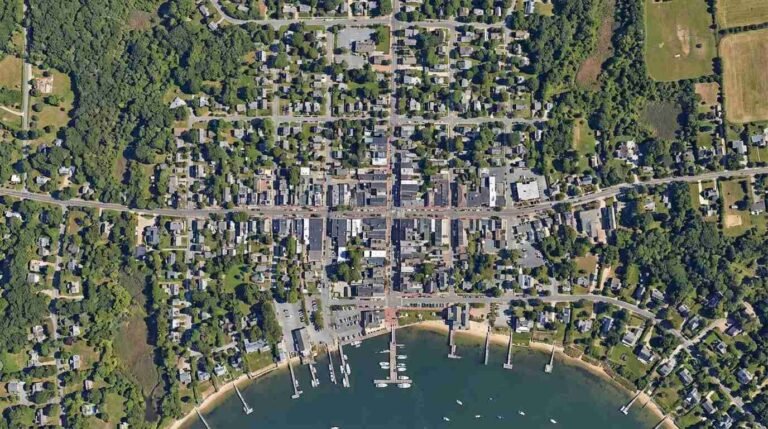
Sag Harbor’s 25-40 foot whaling-era lots — never re-platted after the industry collapsed — now drive a 15–22% price premium over comparable East End inventory. Here’s why that matters to buyers.
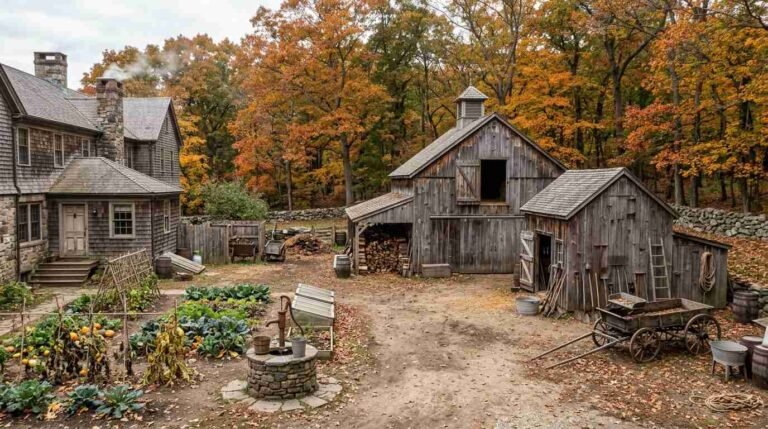
Archaeologists have always known that what people throw away tells more truth than what they keep on display. Sagamore Hill’s grounds have been hiding that truth in layers.
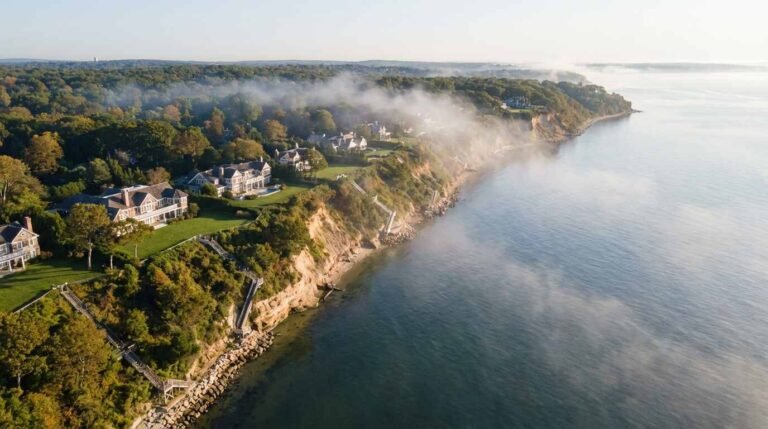
What FEMA flood maps miss about Sound-facing North Shore properties. How Risk Rating 2.0 changes premiums, why Zone X isn’t safe, and what buyers need before closing.
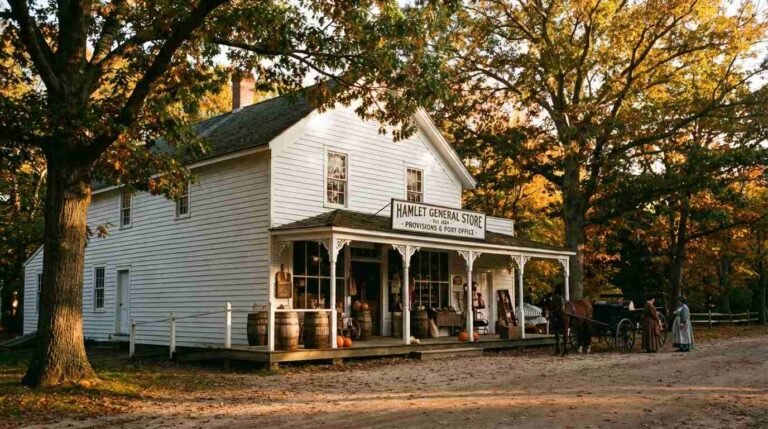
St. James is a historic North Shore hamlet in Smithtown where one of the country’s oldest operating general stores anchors a neighborhood that has quietly stayed itself for 170 years.
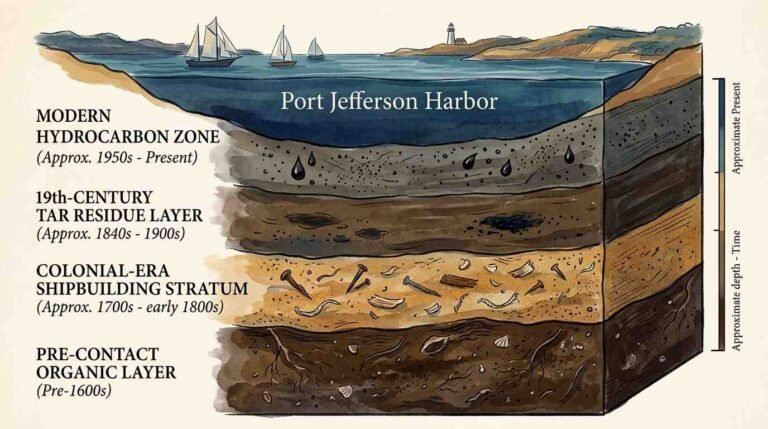
Every ferry departure stirs the harbor bottom. Centuries of those departures have buried a layered archive that sediment cores are only beginning to decode.