Housing Starts Fell 5.2% in September, With Single-Family Permits Down 4%
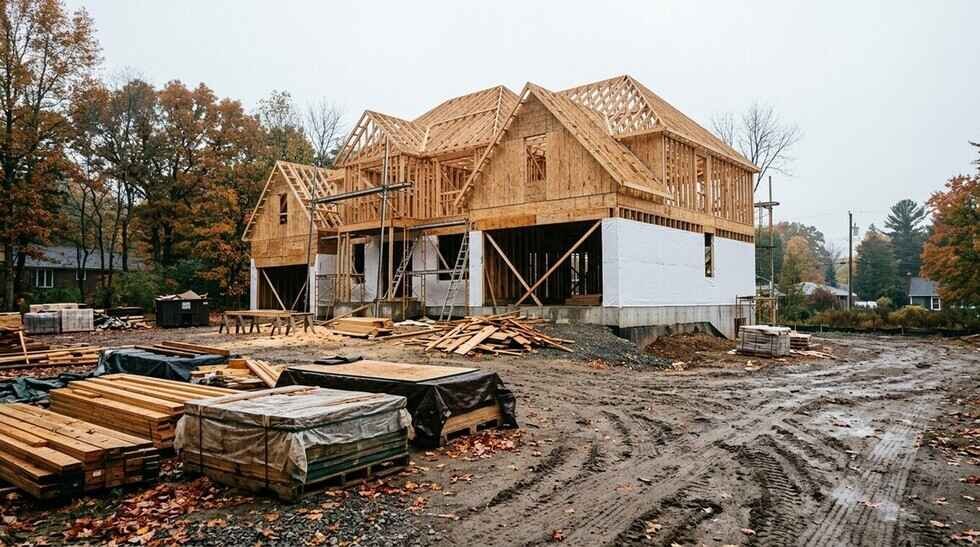
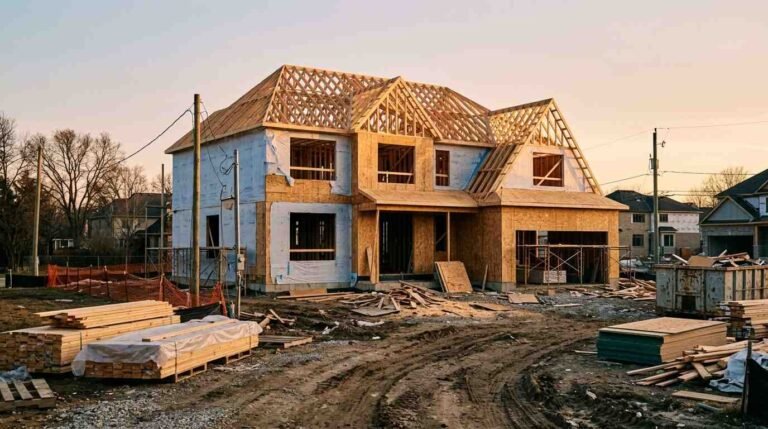
Builders broke ground on fewer homes in September, and the permits that signal what comes next slipped as well. The Census Bureau and the Department of Housing and Urban Development reported on October 20 that housing starts ran at a seasonally adjusted annual rate of 1.221 million, down 5.2% from a revised 1.288 million in August and 7.4% below the 1.319 million pace of a year earlier, according to figures summarized by Weekly Real Estate News.
The report lands with mortgage rates near a three-year high and builder confidence at its lowest reading since 2012. For anyone weighing a move on the North Shore, it is a useful snapshot of how the supply side of the market is responding.
What the September report showed
Single-family construction, the largest slice of new building, started at an annual rate of 859,000 homes. That is 4.6% below a revised 900,000 in August. Buildings with five or more units, the apartment and condominium category, started at 349,000.
Permits, which tend to lead starts, told a similar story. Single-family permits fell 4.0% to 845,000 from 880,000 a month earlier. Total permits, including multifamily, came in at 1.400 million: nearly flat against August’s revised 1.403 million, but 3.0% lower than in September 2025. Completions rose 2.2% from August to 1.192 million, yet remained 14.0% below a year ago.
One caution before reading too much into any single month. The Census Bureau publishes margins of error with these figures, and for total starts they were about 11.8 percentage points on the monthly change and 11.5 points on the annual change. Because those ranges include zero, the declines are not statistically conclusive on their own. The Weekly Real Estate News summary adds that several months of data may be needed to establish a reliable trend, and it points to single-family permits as the more direct warning sign for builders.
Why builders are pulling back
Investing.com’s report on the data ties the slowdown to borrowing costs. It says the 30-year fixed mortgage rate averaged 7.40% last week, according to Freddie Mac, the highest in nearly three years, and that costs are following Treasury yields.
Builders are also reading their own customers. The National Association of Home Builders survey released Monday showed single-family builder sentiment falling in October to its lowest level since June 2012, a reading of 29, with 43% of builders cutting prices, as Weekly Real Estate News reports. Investing.com says NAHB cited rising material costs, mortgage rates and higher diesel prices, among other pressures. It adds that weaker sales have left a surplus of unsold homes, which reduces builders’ incentive to start new single-family projects, even as a national housing shortage persists.
Put plainly, there is a tension in the numbers. Longer-term shortage and near-term weak demand are both real, and builders are reacting to the second while the first has not gone away.
What it means on Long Island
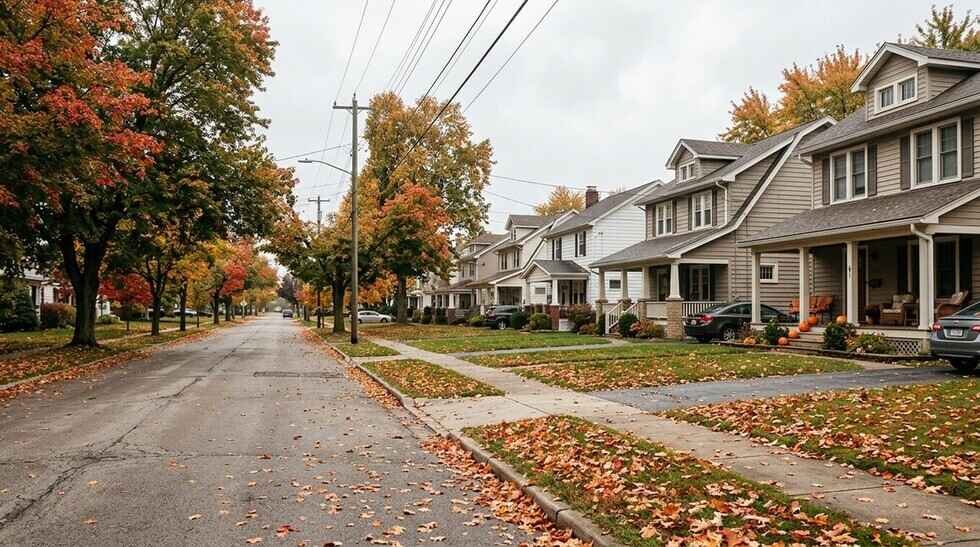
The reports reviewed for this article do not break out regional figures, so there is no way to say from them how starts or permits moved in Nassau or Suffolk. National data is an average, and local conditions can differ from it.
What the national picture can do is frame the questions worth asking locally. In an established market like the North Shore, most of what buyers tour is resale, but the choices buyers weigh often include new or recently built homes, and builders who are cutting prices elsewhere may be doing the same in competing projects. Sellers, meanwhile, are pricing against whatever alternatives a buyer can see, new or old.
Mortgage costs are the other thread. At rates in the 7% range, the monthly payment on a given loan amount is meaningfully higher than it was when rates were lower, which is part of why builders and buyers alike are hesitating.

Practical things to consider
- If you are buying: ask your lender how today’s rate changes the monthly payment on the loan size you are considering, and what rate-lock options exist. If you are comparing a new build with a resale, ask for any builder incentives, such as closing-cost credits or rate buydowns, in writing so you can compare them with the resale’s price and terms.
- If you are selling: ask your agent for comparable sales that reflect recent price reductions and how long similar homes took to sell, so your list price is set against today’s market and not last spring’s.
- If you are watching from the sidelines: the next Freddie Mac weekly rate, the next housing starts report and especially single-family permits will show whether September was a blip or the start of a trend.
The September report does not say prices will rise or fall, and nothing here predicts where the Long Island market goes next. It says builders are cautious, borrowing is expensive, and the pipeline of new single-family homes was a little thinner last month than the month before.
This article is general information, not legal, tax or financial advice; please consult a licensed real estate professional, attorney, tax adviser or mortgage lender about your situation.
Sources
- Weekly Real Estate News, “U.S. Housing Starts Fall 5.2% in September; Single-Family Permits Drop 4%” (reporting U.S. Census Bureau and HUD data released Oct. 20, 2026): wrenews.com
- Investing.com, “US homebuilding falls as mortgage rates climb to 7.40%” (Oct. 20, 2026): investing.com