Open House Etiquette for Buyers, From the Front Door to the Follow-Up
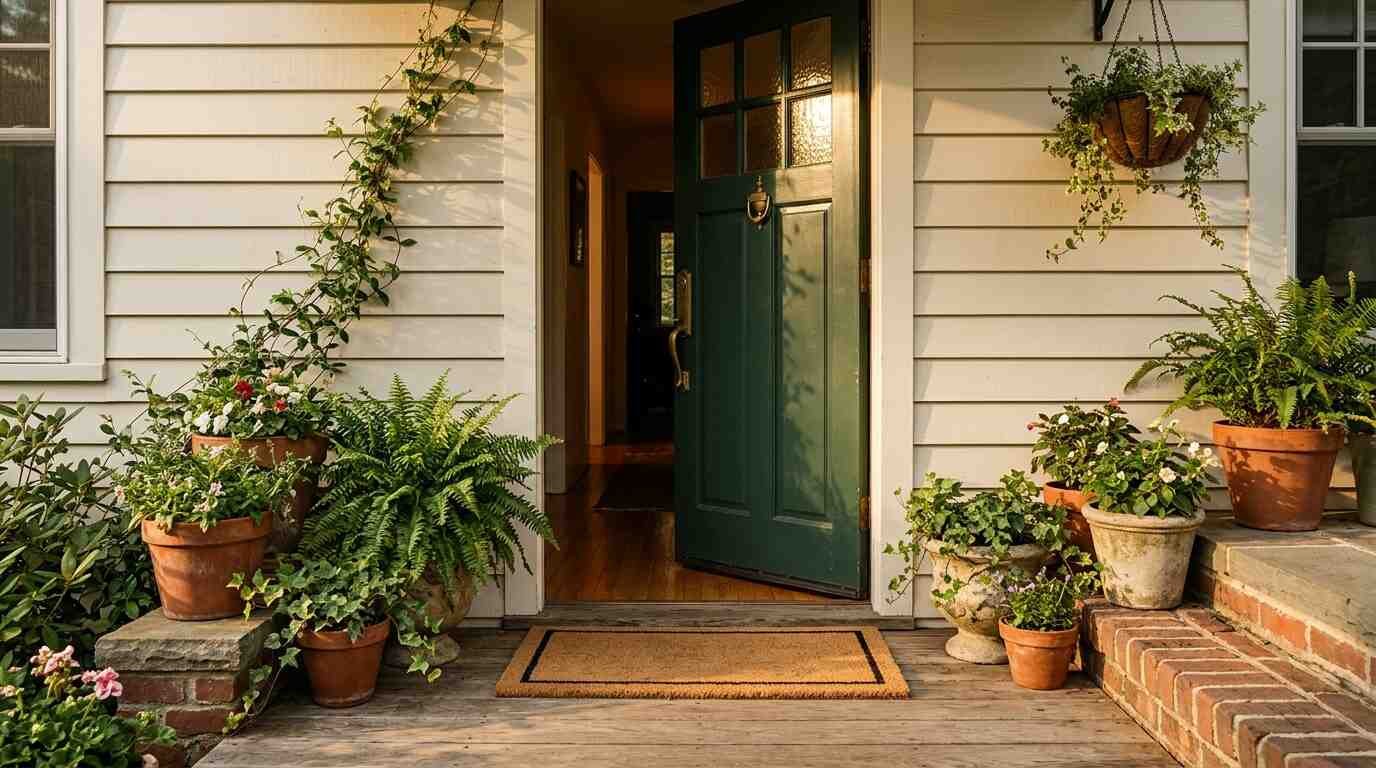
An open house is a public showing, but it is also someone’s home, and a working sales event. Everyone in it, from the listing agent to the neighbor who dropped in out of curiosity, is acting in a slightly different role. A few habits keep that from becoming awkward.
The better your manners, the more you will learn. Agents tend to be generous with people who are courteous and curious.
Before you go
Read the listing, look at the photographs and note the questions the listing does not answer. Check the address and the hours. If you are working with your own agent, tell them you plan to attend; if you have an agent and you meet the listing agent at the door, say so, because agency relationships matter and an honest introduction avoids confusion.
Dress for easy shoe removal. Many owners ask visitors to remove shoes or to use shoe covers, and a clean pair of socks makes it painless. Bring a notepad, a phone for photographs and your preapproval letter if you are serious.
At the door
Greet the agent, introduce yourself and sign in if asked. The sign-in sheet is how the agent keeps a record of visitors for the seller, and it may be used for follow-up contact. Provide only what you are comfortable sharing. If you prefer not to give your phone number, say so politely.
Ask before you photograph. Some sellers permit pictures of rooms and not of personal items; the agent will tell you the rules. Keep family photos and documents out of your shots.
Reading the room as a buyer
Open houses are staged to feel good, so look through the staging. Notice the sounds from the street, the temperature in different rooms, the smell as you step into the basement, and the light in the afternoon versus the one in the photographs. Open a faucet and a window. Stand at the kitchen sink and look at the room as a cook would.
It helps to visit more than once, at different times. A house seen on a bright Sunday may feel different on a wet Tuesday evening. If a home interests you, ask your agent about a second look.
Inside the house
Treat the home as you would a friend’s. Do not open drawers or closets that are obviously personal. Kitchen cabinets and bedroom closets are usually fair game, since storage is part of what you are judging, but go gently. Do not sit on beds, lean on staging furniture or let children run unattended.
Move at a pace that leaves room for others, and avoid blocking doorways. If you want to take extra time in a room, step aside so that people can pass. Speak quietly. Sellers sometimes listen through doorbell cameras or in person, and a loud remark about the paint color can sting.
Look for what matters, as well as what is staged. Light switches, the flow from kitchen to living space, water pressure, smells, signs of dampness, the age of mechanical systems. Ask the agent about the heating type, the roof age, recent work and the reasons for selling only if it is something the agent is allowed to discuss. They may say that the seller’s motives are confidential.
Questions worth asking
- How long has the house been on the market, and has the price changed?
- Which updates have been made, and are there permits for them?
- What are the annual taxes and the typical monthly utility costs?
- Are there any known issues, and what disclosures are available?
- Is there a deadline for offers, or a review date?
- What is included in the sale?
Agents are bound by laws and professional rules about what they say, particularly about people and neighborhoods. Do not ask them to describe who lives in an area or to rate it. Ask about the property itself and verify the rest through your own research and official sources.
When you are working with an agent
If you already have an agent, mention that to the listing agent when you arrive. This is a courtesy and also clears up who represents whom. Do not ask a listing agent for advice on how much to offer; their duty is to the seller. Ask your own agent. Keep in mind that anything you tell the listing agent about your budget or your flexibility may reach the seller.
If you do not have an agent yet, an open house can be a way to meet one. Be clear about your intentions and avoid signing anything you do not understand. In New York, agents give consumers a disclosure about agency relationships; reading it is time well spent.
Little rules that make a good impression
- Wipe your feet and remove shoes if requested
- Do not eat or drink inside, even if cookies are out; take one and step outside
- Keep pets and strollers outside unless invited
- Never open doors marked off limits, and respect closed rooms
- Stay out of rooms where someone is meeting privately with the agent
- Turn off lights you turned on and close doors as you found them
- Say thank you on your way out
For sellers, a short reverse list
If you are the owner, the best etiquette is to leave. Take the dog, take the family and take the phone calls. Buyers speak more freely when the seller is not there, and agents can talk plainly about the home. Tidy up before the event, make sure lights are on, and leave a sheet of known details for the agent to hand out.
After you leave
Write your notes right away, while the details are fresh. Which rooms impressed you? What bothered you? Then talk to your agent about the property, whether it is worth a second visit, and how it compares with other homes. A private showing gives you more time to measure, to look into corners and to bring a contractor or relative.
If you decide to move forward, your agent can help prepare an offer; see our guide to the parts of a strong offer letter. If not, a brief thank-you note to the listing agent is a nice touch. Open houses are repeated opportunities, and agents remember the courteous visitor.