
A Two-Day Reroof in East Setauket: What It Signals to Buyers
Ask any home inspector what buyers notice within the first ten minutes of a walkthrough, and the roofline comes up almost every time. Not the shingle brand. Not the warranty paperwork tucked in a kitchen drawer. Just the visual read — does it look tired, or does it look cared for. A recent job in East Setauket is a useful case study in how that read gets built, and why the contractor doing the work matters as much as the decision to do it at all.
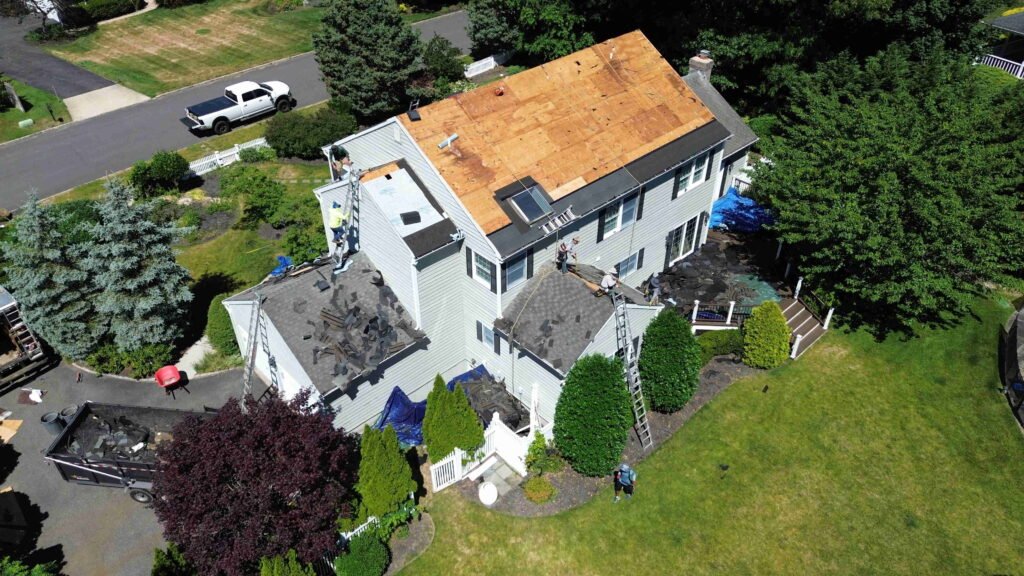
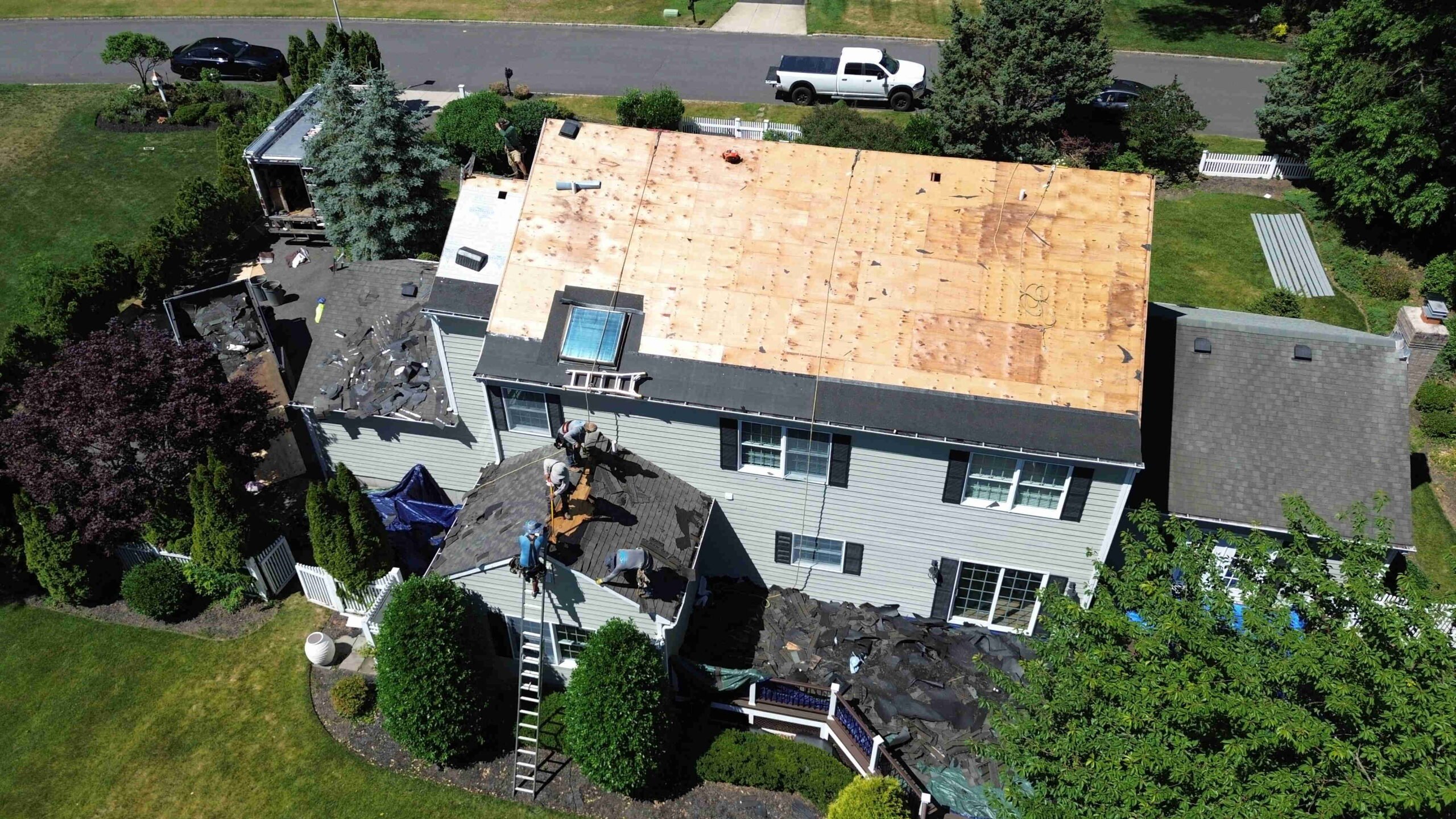
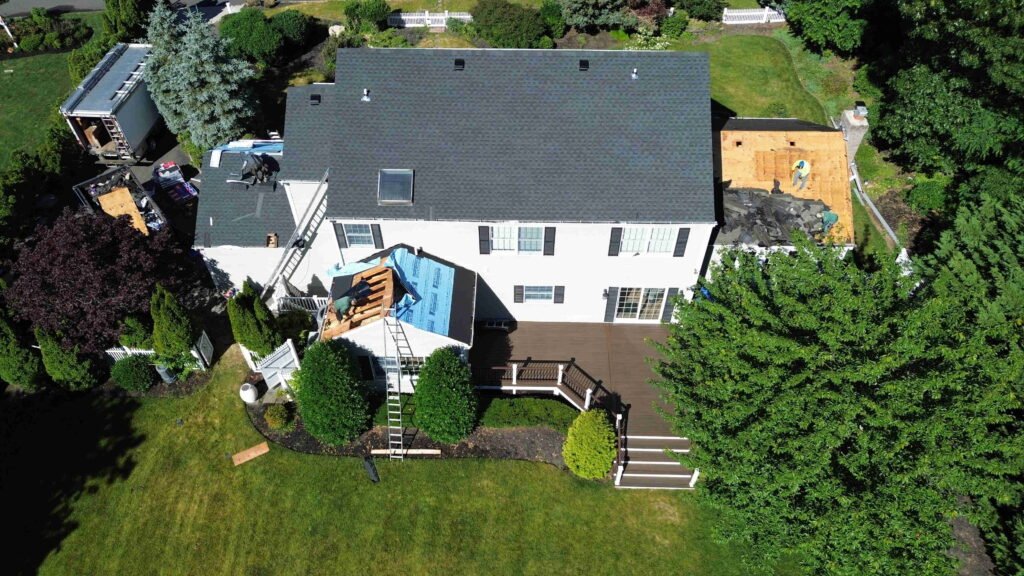
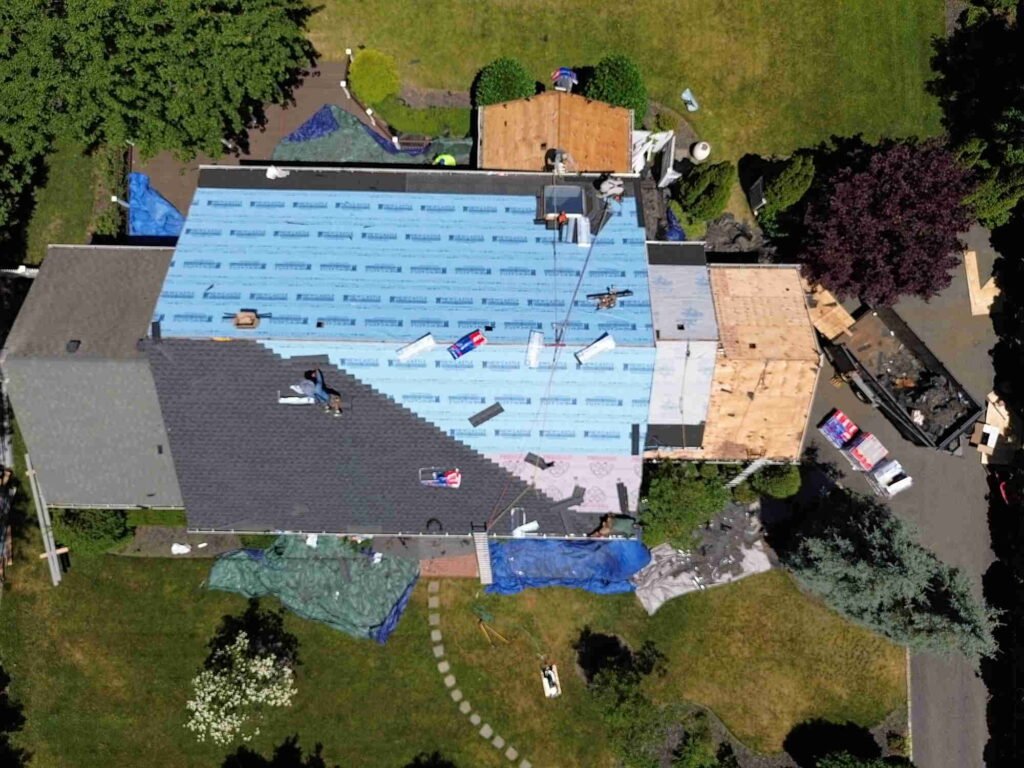
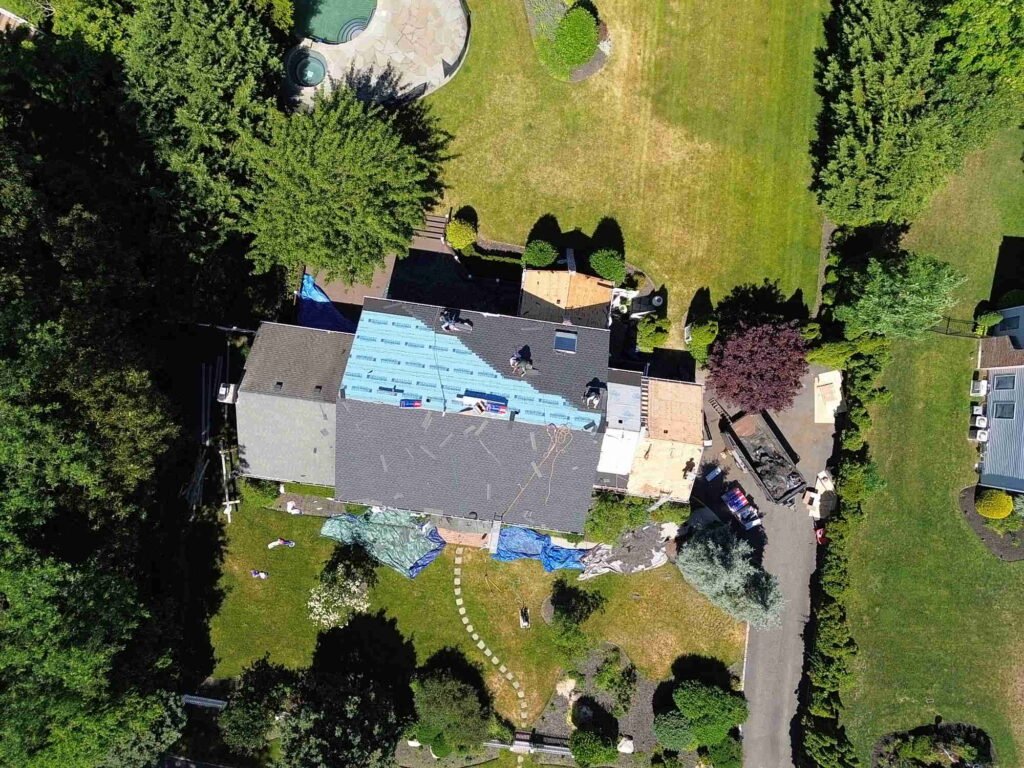
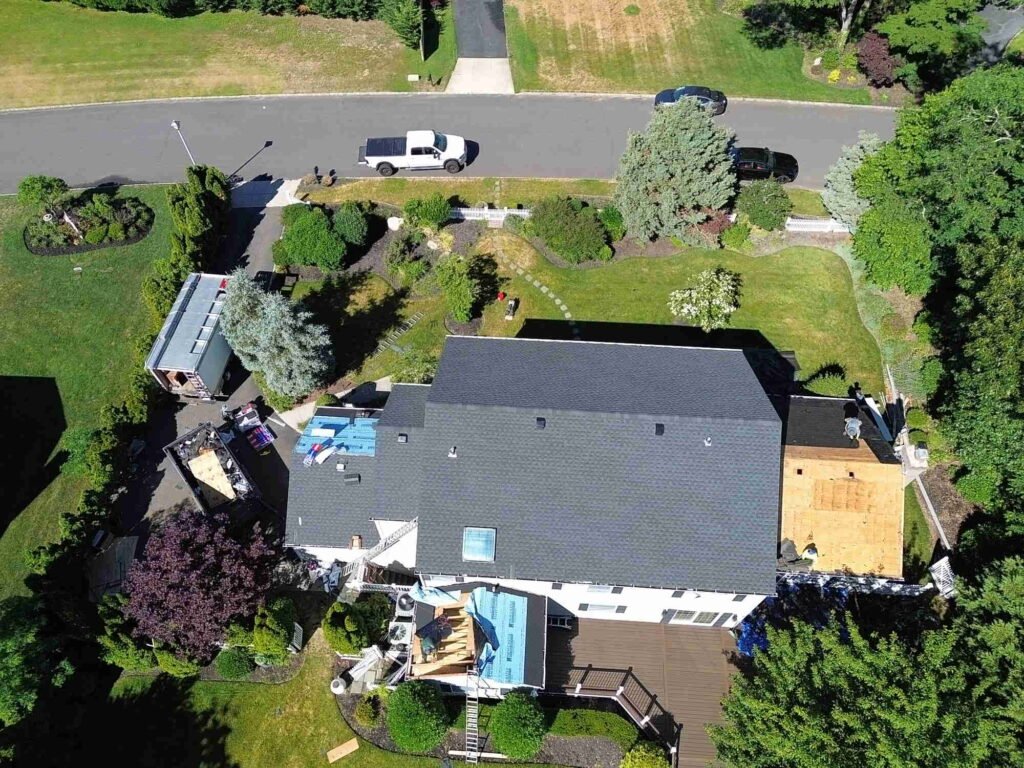
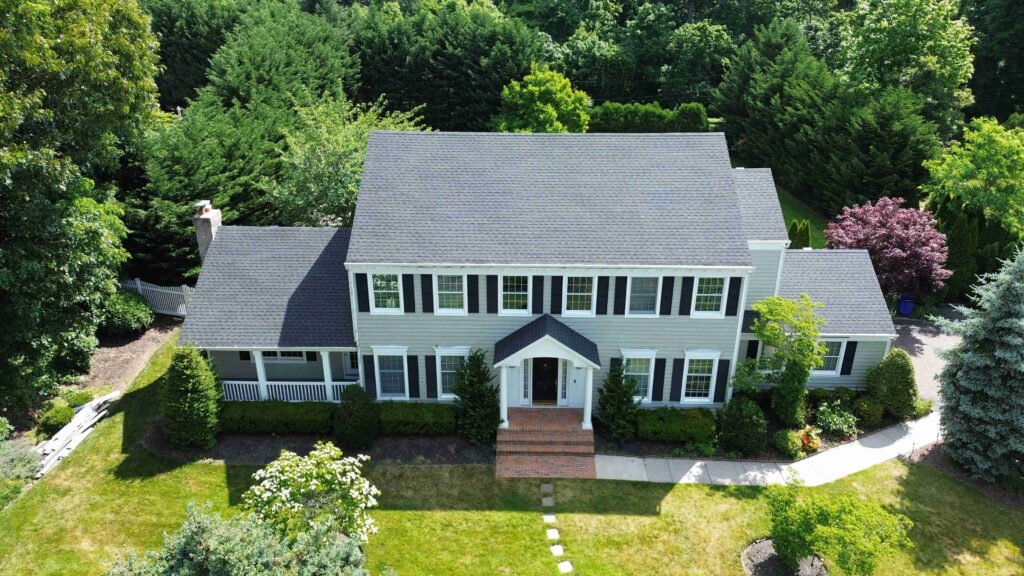
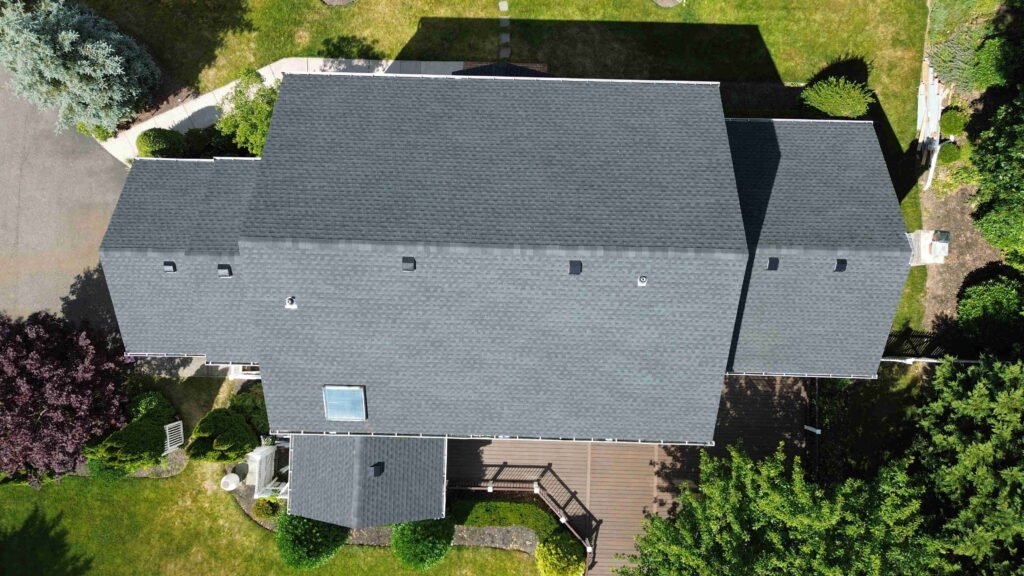
The house came into the project with a roof well past its best years: worn architectural shingles, visible wear along the ridgelines, and the kind of dated look that photographs poorly no matter how good the staging inside might be. The crew — one of the licensed, insured contractors Maison Pawli refers clients to for pre-listing work — started with a full tear-off rather than a layover, which is the only way to actually see what’s underneath. What they found were a couple of sections of roof decking that had softened with age. Rather than covering the problem and moving on, they cut out and replaced those panels before a single new shingle went down. The entire job, tear-off through final cleanup, was completed in two days.
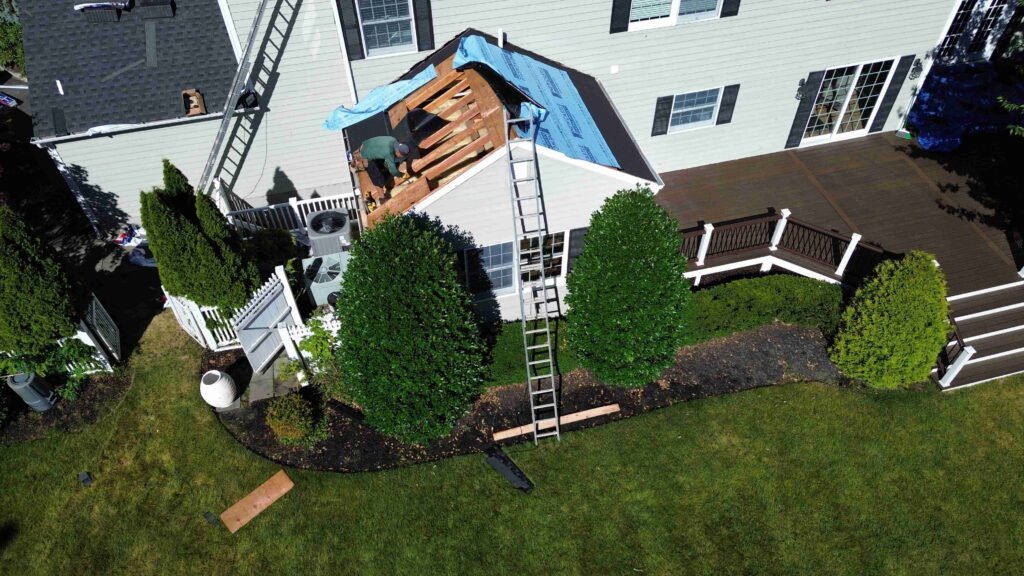
That sequence matters more than it might sound like on paper. A layover — shingling directly over old material — is faster and cheaper, but it hides exactly the kind of decking damage this crew found and fixed. Buyers’ inspectors don’t miss soft decking; they just find it later, usually during the one inspection period that can make or break a deal already in contract. Catching and correcting it during the original tear-off, instead of leaving it for a buyer’s inspector to flag six weeks into a listing, is the difference between a routine repair item and a renegotiated price.
Why the Roof Carries Outsized Weight at Resale
National data backs up what agents see anecdotally. According to the National Association of REALTORS®’ 2025 Remodeling Impact Report, new roofing sits among the very highest exterior projects for cost recovery at resale, and it’s one of the projects Realtors most commonly recommend to sellers preparing to list. The same report found that new roofing was one of just three remodeling projects nationally to earn a perfect homeowner satisfaction score. None of that guarantees a specific dollar figure — cost recovery depends on the local market, the home’s price point, and the roof’s condition beforehand — but the direction is consistent across nearly every source that tracks it: an aging, visibly worn roof reads as deferred maintenance, and deferred maintenance reads as risk.
That risk calculus is sharper on the North Shore than it is nationally. Suffolk County’s housing stock skews older than the national average, and Long Island Sound weather — nor’easters, humidity, ice damming in a hard winter — accelerates wear on a roof that’s already approaching the end of its lifespan. Buyers touring older homes in this market have learned to ask about the roof early, sometimes before they ask about the kitchen. Sellers who address it before listing, rather than pricing around it and hoping no one notices, tend to control the conversation instead of reacting to it. For a broader look at the kinds of issues that show up during a buyer’s inspection on this housing stock, see Maison Pawli’s guide to inspection red flags on Long Island’s older homes, and for sellers mapping out timing more broadly, the seller’s timeline from decision to closing covers where a project like this typically fits.
What a Two-Day Timeline Actually Requires

A full tear-off and reroof completed in two days isn’t a shortcut — it’s a sign of a crew sized correctly for the job and a schedule that wasn’t overbooked. Slower timelines on occupied homes usually mean more days of noise, more days of tarped materials in the yard, and more days a listing photographer has to work around. For a seller trying to hold a tight window between vacating and photographing, or trying not to disrupt a household still living in the home, the speed of the work is not a vanity metric. It’s a scheduling variable that affects everything downstream of it.
The decking repair adds a second layer worth noting: contractors who are willing to slow down mid-project to fix something they didn’t originally scope tend to be the ones worth referring. A crew moving fast for the sake of speed alone might have shingled over the soft panels and left the problem for someone else to find. This one didn’t.
What to Verify Before Hiring a Roofer on Long Island
For homeowners not yet working with a referred contractor, a few baseline checks apply regardless of who does the work. Confirm the contractor holds a valid Suffolk or Nassau County Home Improvement License, and ask for a current certificate of insurance covering both general liability and workers’ compensation — New York State requires both, and an uninsured crew on a two-story roof is a liability a seller doesn’t want attached to their property. Ask specifically whether the estimate includes a full tear-off or a layover, and whether decking replacement, if needed, is a separate line item or built into a contingency allowance. A contractor who can’t answer that clearly before the job starts is one to keep shopping past.
This is for informational purposes only — consult a licensed contractor for an on-site assessment of your specific roof, and a licensed real estate professional for guidance on how a project like this fits your listing timeline.
Real estate markets change. For current listings and market data, contact Maison Pawli at maisonpawli.com/about/.
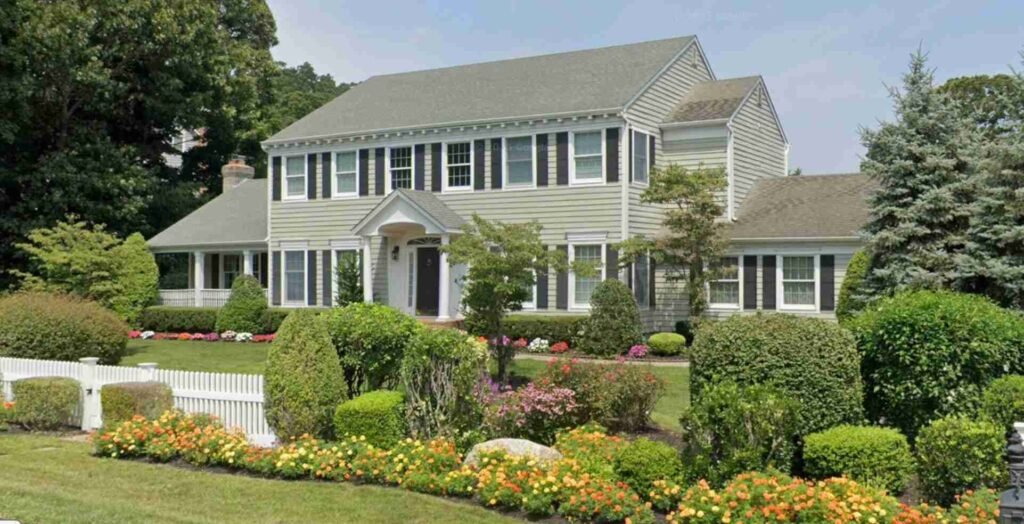
Original Roof
You Might Also Like
- The Contractor Shortage Nobody Warned You About: Why Long Island Permits Are Taking 14 Months
- The Home Inspection Red Flags That Matter Most on Long Island’s Older Housing Stock
- The Seller’s Timeline: From Decision to Closing on the North Shore
- The Pre-Inspection Move: Why Long Island Sellers Who Inspect First Are Closing Faster and Cleaner
Sources
- National Association of REALTORS®, 2025 Remodeling Impact Report: https://www.nar.realtor/research-and-statistics/research-reports/remodeling-impact