Selling Your Home in Hampton Bays: What the Water Address Really Means for Your Strategy
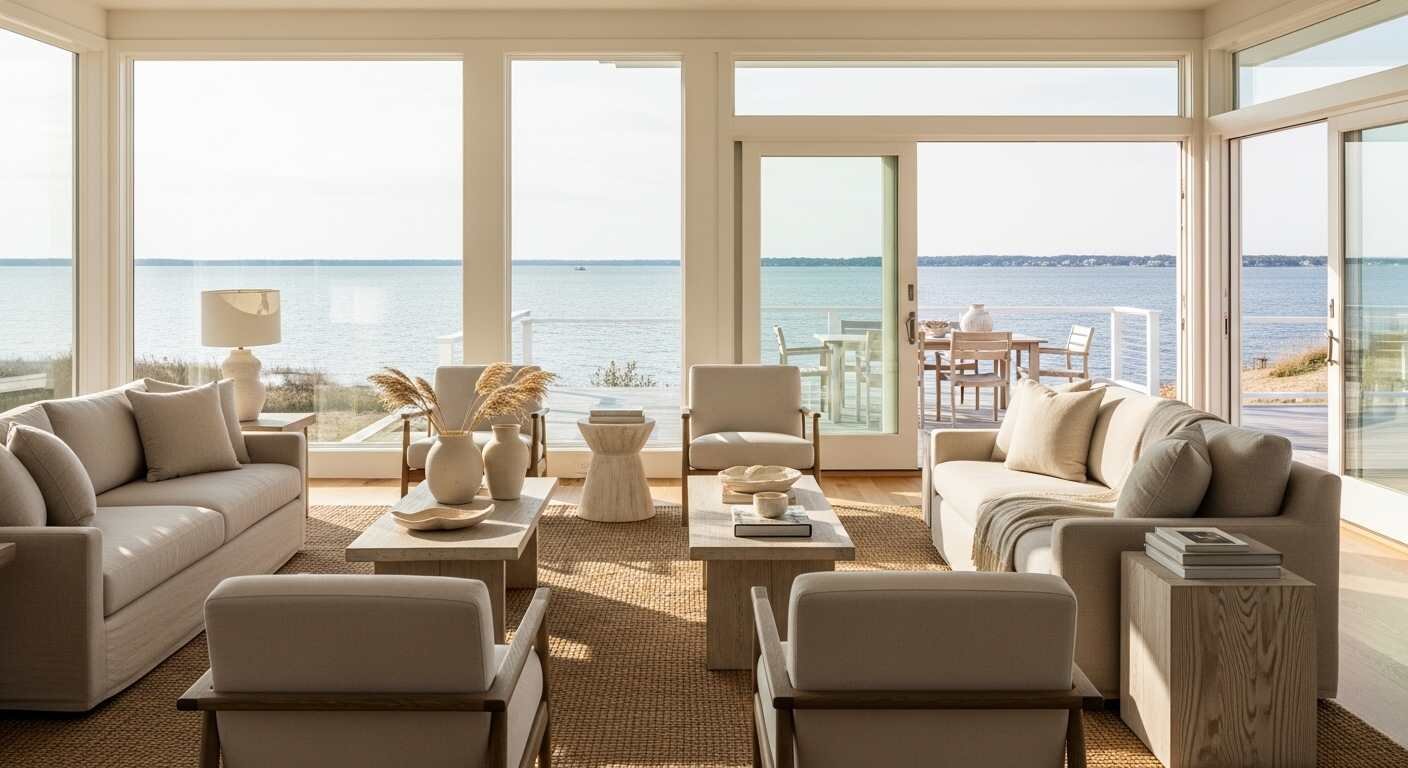
There is a particular kind of buyer who searches for Hampton Bays. I’ve been watching them for years — the ones scrolling past the oceanfront estates on Meadow Lane, past the Sag Harbor village-adjacent listings, past everything with a comma price tag that starts with a three or a five, and landing on Hampton Bays with a very specific logic: Hamptons access, Shinnecock Bay on one side, Tiana Bay on the other, a marina culture that is genuinely lived-in rather than performed, and prices that still — for now — require only a single comma.
If you own a home here and you’ve been thinking about selling, that buyer is already out there. The question isn’t whether there’s interest. The question is whether you understand your product well enough to price it right, position it correctly, and get to the table without leaving money behind.
What the Market Is Actually Doing
The data points in different directions depending on whose platform you’re looking at, and that should tell you something about how fast this market is moving and how thin the comparable sales pool can be in any given quarter. What I can tell you with confidence, based on the most recent reporting, is the direction: Hampton Bays is the only Hamptons hamlet where the median home price was still below one million dollars heading into 2025, and it appears to be crossing that threshold now. William Raveis reported earlier this year that 2026 may be the year Hampton Bays breaks into the seven-figure median range — which is not a dramatic shock if you’ve been watching the trajectory, but it is a meaningful milestone for how the hamlet is perceived relative to the broader East End market.
Redfin’s most recent transaction data showed a median sale price around $1.0 million — up significantly year over year — though volume was notably thin, which is a pattern you’ll find across the entire Hamptons market right now. The Q1 2026 report from William Raveis noted that Hamptons-wide home sales dropped about 12 percent from the same period last year, while median prices rose more than 21 percent to $2.4 million. That divergence — fewer transactions, higher prices — is the defining condition of this market, and Hampton Bays participates in it like everywhere else. The homes that sell are selling well. The homes that don’t are sitting.
What that means for you as a seller is that pricing discipline matters more, not less, in a thin-volume environment. One overpriced listing sits on the market for 90 days and tells every agent on the East End a story you don’t want told. I’ve written before about how days on market functions as a calculated signal, not just a raw data point — in Hampton Bays, where the buyer pool is smaller and the seasonal cycle is more compressed, that signal travels fast.
Why Micro-Location Is Everything Here
Most people who sell in Hampton Bays make one of two mistakes: they either price against comparables from across the canal — East Hampton, Water Mill, Bridgehampton — which is an apples-to-boat-shoes comparison, or they price without accounting for the micro-location premium within Hampton Bays itself, which is substantial.
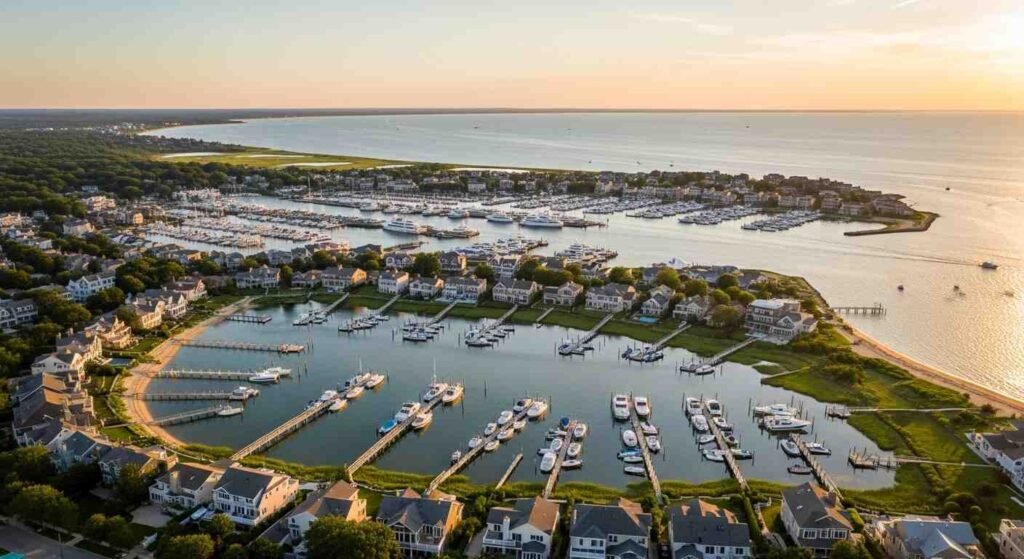
Hampton Bays is surrounded by water on three sides, divided by the Shinnecock Canal, and internally differentiated in ways that don’t show up unless you know the streets. South of the highway — the Montauk Highway — carries a premium that the market has always recognized and that buyers arriving from NYC understand immediately. Shinnecock Hills, Red Creek Ridge, and Tiana Shores command attention in a way that streets north of the highway, however pleasant, simply don’t, at least not to the same buyer segment. Canal-front properties with dock access price entirely differently from homes two streets back from the same canal. The distance between a bay-view lot and a no-view lot can mean six figures.
If you’re selling waterfront or water-access, you are competing in a category with very limited supply. A recent sale in early 2025 — a 2,750-square-foot bayfront home at 8 Gilbert Road — closed at $3.7 million, which was widely noted as among the highest residential sale prices in recent Hampton Bays history. Waterfront in Hampton Bays remains priced at a meaningful discount relative to bayfront further east, and sophisticated buyers know it. That is your advantage if you have it; price accordingly.
If you’re selling inland, your comparables are local, your buyer pool is value-driven, and your pitch is access to the Hamptons lifestyle — the beaches, the bay culture, the marinas, Ponquogue Beach three miles away — at a price point that the rest of the South Fork can no longer offer. That is a real pitch. Lead with it.
The Seasonal Clock
This is one area where I’d push back against the national advice that says spring is always the right time to sell. On the South Fork — and Hampton Bays specifically — the seasonal cycle is meaningful in a different way than it is in, say, Smithtown. Buyer demand here tends to build starting in February and March as the summer rental and purchase search begins in earnest. Deals made before Memorial Day are often made by buyers who have thought about this for months and come in with conviction. The summer months bring lookers who are in vacation mode. The fall, counterintuitively, often surfaces the most motivated buyers — people who wanted something for summer, missed it, and are now committed to being ready for the following year.
I wrote about Hamptons sellers who list in October and the data on that strategy — it’s worth reading before you decide when to go live. The short version: the conventional wisdom about spring timing is correct for most markets and less obviously correct on the East End.
What Buyers Are Looking for Right Now
The shift toward year-round livability is not just a trend — it has fundamentally reshaped what buyers want to see in a Hampton Bays property. The pandemic-era buyers who moved east full-time haven’t all left; many stayed, and the infrastructure they built — home offices, flexible indoor-outdoor spaces, robust heating systems — has become the minimum expectation. A house that presents as a seasonal cottage only is leaving buyer segments on the table.
The other thing buyers are scrutinizing more carefully than they used to: carrying costs. Property taxes in Hampton Bays, while lower than some parts of the Hamptons, are not insignificant — and multiple brokers have noted publicly that dollar for dollar, Hampton Bays tax rates can run higher than comparable properties further east. Know your tax situation before you price. Know your flood zone designation. Buyers who are doing real due diligence will find this information in minutes, and if it surprises them, it delays or kills deals.
Preparation Before You List
The advice I give every Hampton Bays seller is the same advice I give anyone listing on the East End, and it distills to this: the houses that sell the fastest and for the most money are the ones that require buyers to make the smallest imaginative leap. Move-in ready, well-staged, honestly priced. This market, as I’ve written about the broader Hamptons pre-listing sequence, rewards preparation in a way that sometimes surprises sellers who’ve owned here for years and watched neighbors with less care sell without much effort. Those were different market conditions.
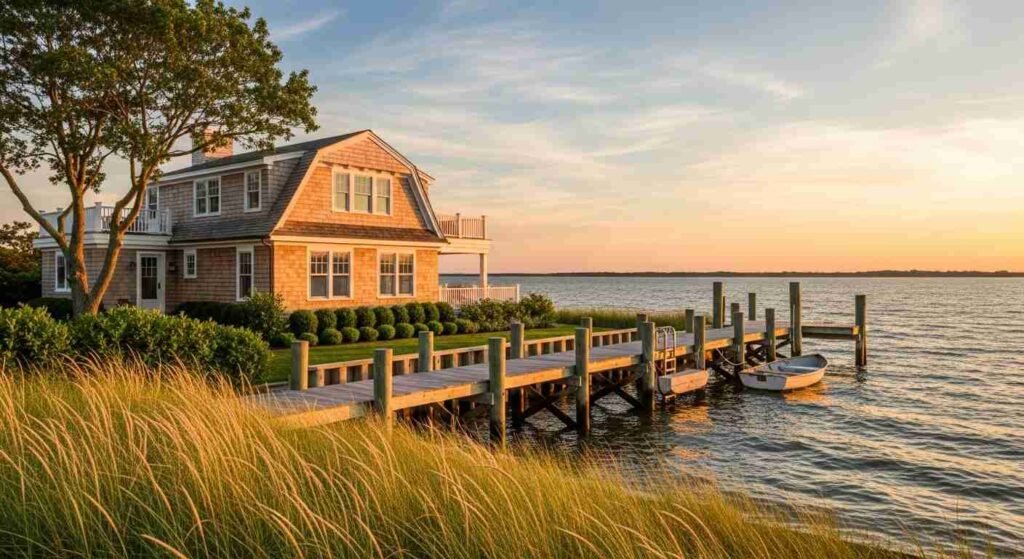
For a waterfront or water-view property specifically: address any dock, bulkhead, or seawall condition issues before you list. Buyers and their inspectors will find them, and a deferred-maintenance deduction at contract negotiation always hurts more than the cost of the repair. Salt-related wear on the exterior — which in a coastal environment accumulates faster than owners often realize — is worth a fresh look before photography day. A home that photographs beautifully against the bay does most of its selling before any buyer walks through the door.
Finally, choose your broker based on East End experience and on whether they can honestly assess your micro-location value — not just your square footage. This is a market that rewards nuance. The broker who prices your Tiana Shores bayfront the same as a comparable-sized house three miles north of Montauk Highway hasn’t done the work.
This is for informational purposes only — consult a licensed attorney or financial advisor for your specific situation.
Real estate markets change. This post reflects conditions as of April 2026. For current listings and market data, contact Pawli at Maison Pawli.
You Might Also Like
- The Art of the Emotional Ask: How Luxury Sellers Price for Desire, Not Just Comparables
- The Hampton Bays Marina That Became a Cold War Listening Post
- The Staging Mistake That Costs Long Island Sellers $15,000 at the Table
Sources
- Redfin, Hampton Bays Housing Market Data: https://www.redfin.com/city/23188/NY/Hampton-Bays/housing-market
- William Raveis, Median Price of a Home in the Hamptons in 2026: https://www.raveis.com/local-life/blog/median-price-the-hamptons/
- James Lane Post, Q1 Market Report: https://jameslanepost.com/q1-market-report-hamptons-home-sales-decline-but-rising-prices-signal-a-market-reshaped/04/08/2026/Hamptons-News-Happenings
- Behind the Hedges, Recent Hampton Bays Sale: A Reflection of Rising Prices?: https://behindthehedges.com/hampton-bays-sale-waterfront-rising-prices/
- Social Life Magazine, Hamptons Real Estate: A Comprehensive Buyer’s Guide: https://sociallifemagazine.com/the-archive/hamptons-real-estate-guide-2026/