The FHA 203(k) Loan Exists. Most First-Time Buyers Have Never Heard of It.
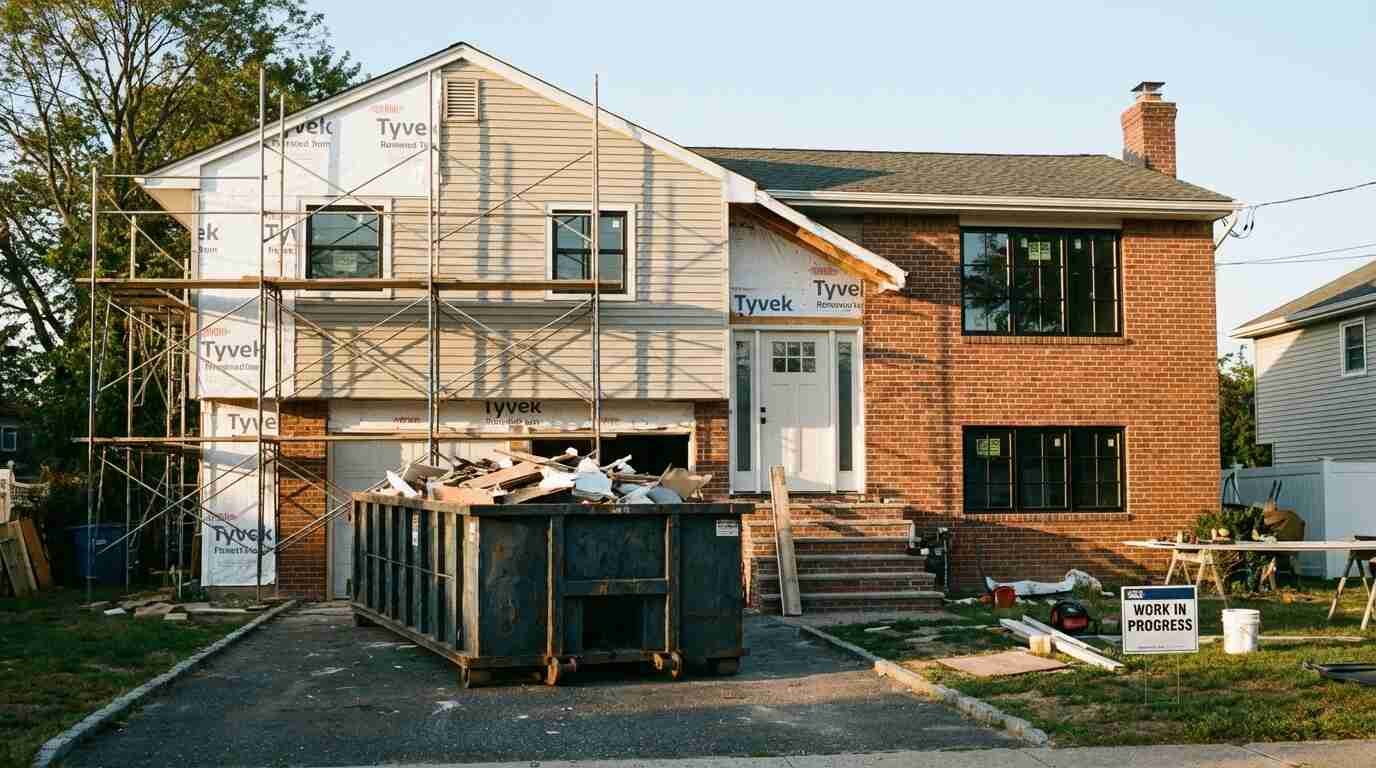
The FHA 203(k) rehabilitation loan has existed in its current form since 1978. HUD publishes the governing handbook. The program is open to any buyer purchasing a primary residence that requires repair or renovation. It allows a buyer to finance the purchase price of the property and the cost of eligible renovations in a single mortgage, at a single closing, with a single down payment.
Most first-time buyers have never heard of it, because most lenders do not bring it up.
That is not an accident. The 203(k) is operationally more complex to originate than a conventional purchase loan. It requires a HUD-approved consultant for Standard 203(k) transactions. It involves draw schedules, work write-ups, and contractor approvals that extend the underwriting timeline significantly beyond a standard purchase. For a lender operating on volume and margin, a 203(k) loan is harder work for the same commission. The rational response, absent a buyer who asks for it specifically, is silence.

The Two Products
HUD Handbook 4000.1, Section II.A.8 governs 203(k) origination and defines two distinct products: the Standard 203(k) and the Limited 203(k).
The Standard 203(k) is designed for major renovation work — structural repairs, foundation work, full kitchen or bathroom rehabilitation, roofing, HVAC replacement, significant additions. There is no upper limit on the renovation amount, subject to the FHA loan limit for the county. The Standard 203(k) requires a HUD-approved 203(k) consultant, who produces the work write-up, performs a feasibility study, and inspects the work at draw milestones. The consultant requirement adds cost — typically $400 to $1,000 depending on scope — and adds time to the origination process. It also adds oversight, which is the point: the consultant protects the lender and the buyer from contractor overruns and incomplete work.
The Limited 203(k) — formerly called the Streamline 203(k) — is designed for non-structural repairs with a maximum renovation amount of $35,000. It does not require a HUD consultant. Eligible work includes painting, flooring, window and door replacement, weatherization, appliances, and minor plumbing and electrical updates. The Limited 203(k) has a shorter origination timeline and lower complexity than the Standard, and it is appropriate for buyers purchasing a property that is essentially sound but needs cosmetic and deferred maintenance work.
Both products carry FHA mortgage insurance premium requirements identical to standard FHA loans: an upfront MIP of 1.75% of the base loan amount and an annual MIP paid monthly.
How Draw Schedules Work
A common source of confusion and borrower frustration with the 203(k) is the draw schedule — the mechanism by which renovation funds are disbursed to contractors.
Renovation funds in a 203(k) loan are not released at closing. They are held in an escrow account and released in draws as work is completed and inspected. The Standard 203(k) allows up to five draws, each triggered by a consultant inspection confirming that the work described in the draw request has been completed satisfactorily. The Limited 203(k) allows a simplified two-draw structure: typically fifty percent at the start of work and fifty percent at completion.
The practical consequence: contractors working on 203(k) projects must be willing to front materials and labor costs pending draw inspections. Not all contractors are. The buyer’s responsibility is to identify contractors who have 203(k) experience and are comfortable with the draw structure before closing — not after.

Lender Participation Rates and the Awareness Gap
HMDA data filed with the CFPB shows that 203(k) origination volume is concentrated among a relatively small number of lenders. Most depository banks originate very few 203(k) loans annually. The lenders with active 203(k) programs are typically mortgage companies or community lenders with dedicated renovation loan departments.
The Urban Institute’s housing finance policy research has documented awareness gaps around renovation loan products among first-time buyers, finding that buyers who received information about 203(k) and similar products were significantly more likely to consider distressed or fixer-upper properties — expanding their effective purchasing universe in markets with tight move-in-ready inventory.
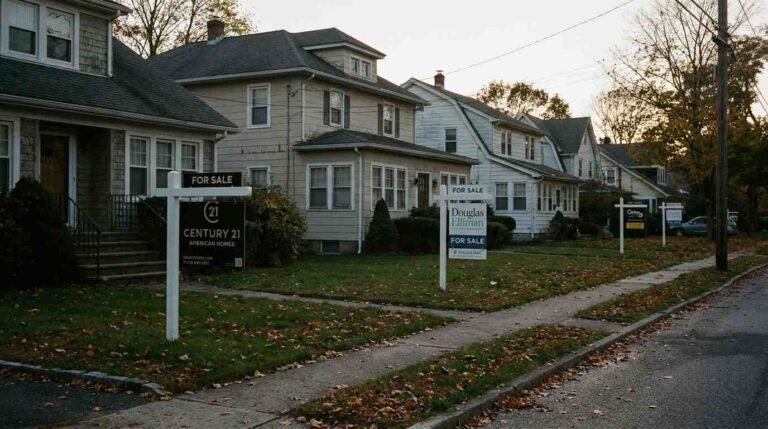
On Long Island’s North Shore, that inventory dynamic is a live issue. Move-in-ready properties in the sub-$600,000 range attract multiple offers immediately. Distressed properties — those requiring renovation work that a conventional lender will not finance — sit longer, attract fewer offers, and frequently price at a discount that a 203(k) buyer can capture. The program does not manufacture value out of nothing, but it provides the financing mechanism to access a segment of the market that is structurally undercompeted by buyers who only know the standard purchase loan.
What Buyers Should Ask Their Lender
The 203(k) requires a lender who has active experience originating the product. A lender who has to look up the program during the pre-approval conversation is not the right lender for a 203(k) transaction. Before engaging a lender for a purchase involving a property in need of renovation, buyers should ask: Does your organization actively originate FHA 203(k) loans? How many have you closed in the last twelve months? Do you have a designated 203(k) loan officer or team? Can you provide referrals to HUD-approved consultants you have worked with? What is your typical underwriting timeline for a Standard 203(k)?
A lender who cannot answer those questions specifically is telling you something. A lender who can is the beginning of a real conversation about whether the program fits the property and the buyer’s renovation scope.
The program exists. It is funded. It is available to first-time buyers purchasing primary residences, subject to FHA loan limits and standard FHA eligibility requirements. The only structural barrier to accessing it is knowing to ask.
This post is for informational purposes only and does not constitute legal or financial advice. FHA program terms, loan limits, and eligibility requirements change — consult a licensed mortgage professional for current program specifications.
You Might Also Like: The Complete Guide to Buying a Home on Long Island’s North Shore — the full buyer’s guide covering every stage of the North Shore home purchase, from mortgage to closing.
Real estate markets change. For current listings and market data, contact Pawli at Maison Pawli.
You Might Also Like
- Beyond the 30-Year Fixed: Mortgage Options First-Time Buyers on Long Island Rarely Hear About
- Down Payment Mirages: The Long Island Housing Assistance Programs That Close Without Warning
- The $40,000 Mistake: Why Long Island Fixer-Upper Buyers Keep Gutting Kitchens They Should Have Kept