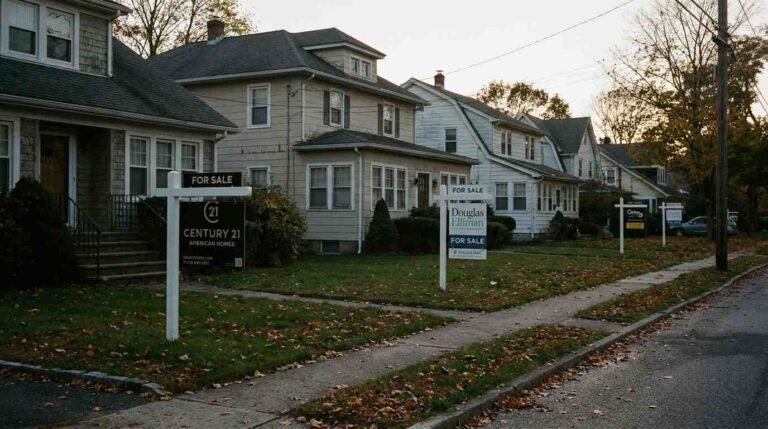
Declutter Like You Mean It: The Seller’s Room-by-Room Renovation Sprint Before Listing
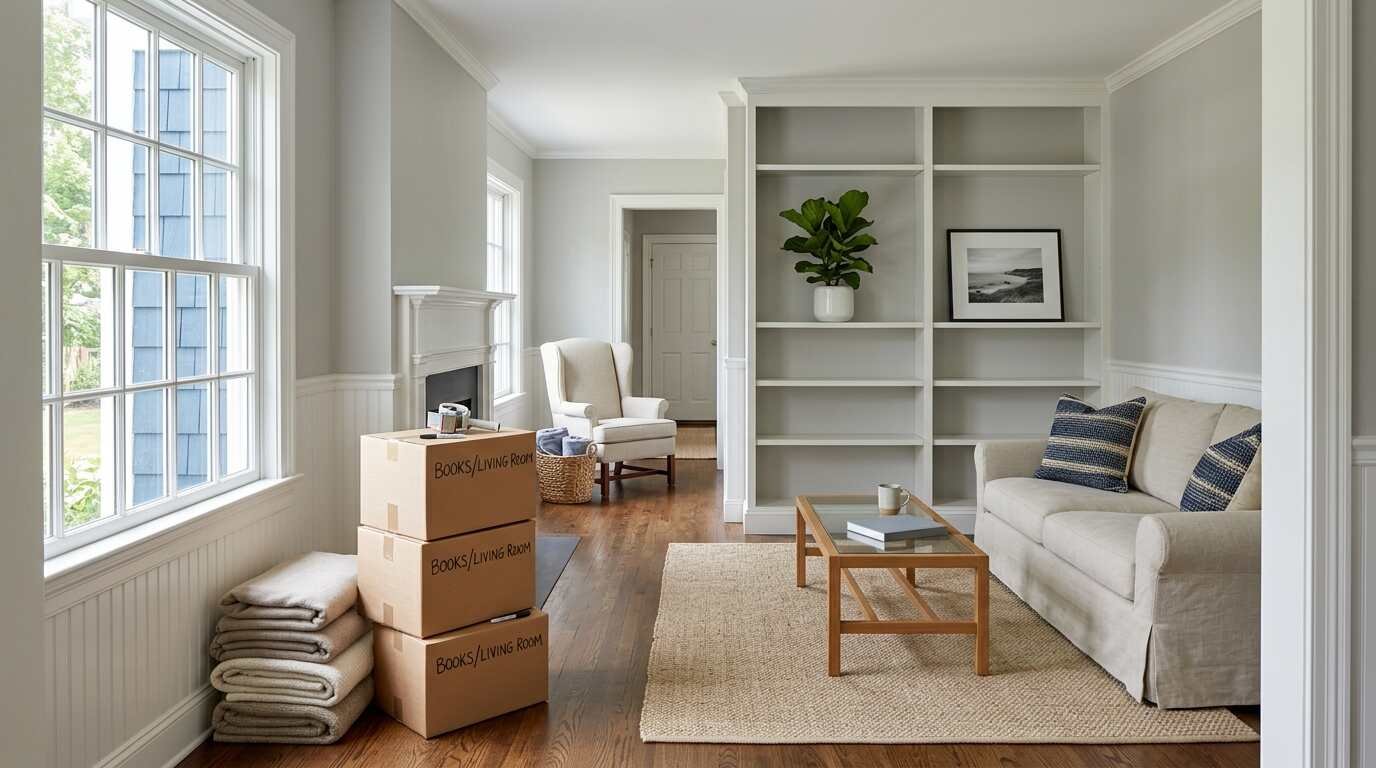
Three months is a luxury most Long Island sellers don’t have. The spring market moves fast, inventory is still below historical norms, and by the time your neighbor’s “For Sale” sign goes up and you’re suddenly motivated, you’ve got maybe three weekends to get your home ready.
That is not a crisis. That is actually enough — if you know which rooms matter and what to do in each one.
I’ve walked hundreds of homes before listing them, and the same pattern shows up every time: sellers who did the right things in the right order, even under time pressure, consistently outperformed homes that lingered. This is the sprint version of that process.
The Frame Before You Start
Here’s what staging actually does, by the numbers: according to the Real Estate Staging Association, professionally staged homes spend 73% less time on the market than non-staged homes. NAR’s 2025 Profile of Home Staging found that 49% of sellers’ agents observed staged homes spending fewer days on market, and 29% of agents reported a 1% to 10% increase in offer value for staged properties.
On Long Island, where the median home price means even a 3% lift translates into real money, this is not a peripheral exercise. This is negotiating strategy.
The goal is not to decorate your home. The goal is to make it legible — to create a neutral, aspirational version of itself that a buyer can step into and immediately begin imagining their life. Every personal item you remove, every surface you clear, every outdated piece you swap makes that easier.
You are not erasing your home. You are opening a door.

Weekend One: The Walk-Through and the Cut
Before you touch a single thing, do one full walk-through with a fresh eye. Pretend you’re seeing this house for the first time in listing photos. What reads as cluttered? What’s dated? What’s competing with the architecture?
Then: cut.
The 30% rule: Remove at least 30% of the furniture in every main room. This sounds extreme. It rarely is. Most lived-in homes have accumulated furniture over years of specific use — the extra chair, the secondary side table, the bookcase that’s become a catch-all. Buyers don’t see purpose in those pieces. They see reduced square footage.
Declutter every flat surface: Kitchen counters, bathroom shelves, nightstands, console tables. Leave 1–2 intentional objects max per surface. Everything else goes into storage — not into closets (buyers open those) — into a POD, a storage unit, a friend’s garage.
Personal items: Family photos, religious objects, collections, kids’ artwork on the refrigerator. Box it. The goal is for a buyer to walk in and see themselves, not you.
This weekend should feel uncomfortable. That’s correct. You are preparing a listing, not living in your home.
Weekend Two: Room by Room
The Living Room (Highest Priority)
NAR data consistently places the living room as the most important room to stage — buyers lead with it emotionally. What matters here:
- Scale the furniture to the room. If your sectional fills the space, it leaves. Swap it for something that shows the room’s actual dimensions.
- Create a conversation area. Sofa facing the room’s focal point (fireplace, view, architectural feature), chairs at angles, a clear traffic path.
- Neutral throw pillows and one area rug that defines the seating area without fighting the flooring.
- Empty the bookshelves 60%. Curate what remains: a few books, a plant, one or two objects with visual weight.
The Kitchen (Second-Highest Priority)
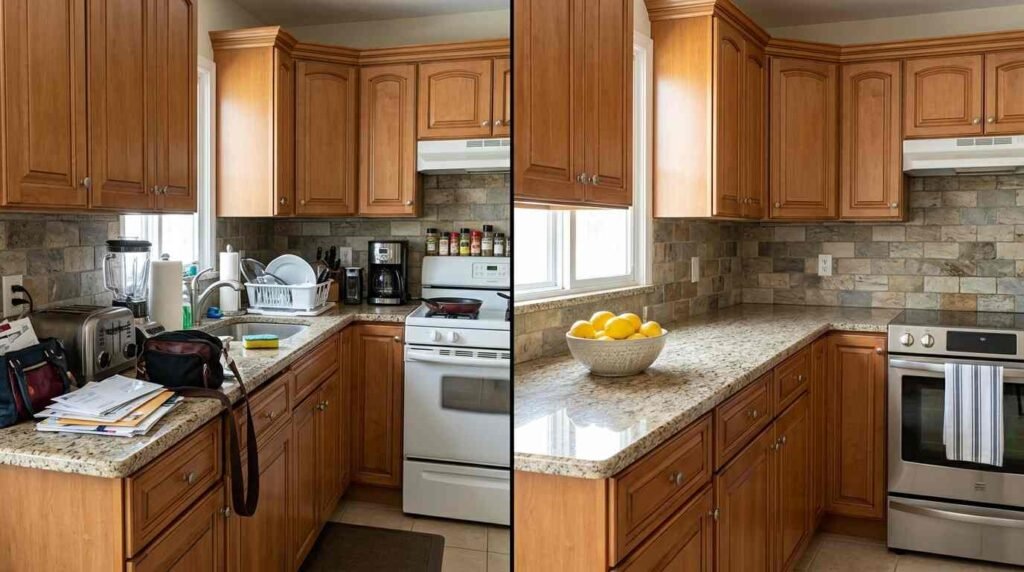
Buyers make rapid judgments in kitchens. The ones that photograph best are the ones that look effortless — no appliances on the counter except the coffee maker, no dish rack, no condiments.
- Clear every counter completely. Then add back one thing: a bowl of fruit, a cutting board with a bunch of herbs, a small plant. That’s it.
- Hardware: if yours is dated brass or painted-over, replace it. A set of brushed nickel or matte black pulls costs $60–$150 and changes the visual age of a kitchen instantly.
- Deep clean inside the oven and refrigerator. Buyers open both.
- If the cabinets are dark and dated but replacement isn’t in the budget: a coat of Sherwin-Williams Alabaster or Benjamin Moore White Dove on the uppers alone can read as a kitchen refresh in photos.
The Primary Bedroom (Third-Highest Priority)
The primary bedroom sells a lifestyle, not just a room.
- Neutral bedding only. Crisp white or light linen. Hotel-style — duvet pulled tight, decorative pillows arranged in two symmetrical layers.
- Nothing on the nightstands except a lamp and one small item per side.
- Closets: remove 50% of clothing. Organize what remains with hangers facing the same direction. Buyers look. What they find either confirms good maintenance habits or raises questions.
- Remove any furniture that makes the room feel crowded. You should be able to walk around all sides of the bed with ease.
The Bathrooms
Bathrooms close sales and kill them. They are easy to do right.
- Every counter surface: empty except for one small tray with a candle or small plant.
- Matching towels only. White or one neutral color, folded precisely.
- Grout: if it’s gray or discolored, regrout or use a grout pen. It takes an hour and costs $12.
- Mirror: cleaned until spotless, no streaks.
- Toilet seat: if it’s old or stained, replace it. $25–$60. Worth every dollar.
The Entry
This is the first thing buyers experience in person. It should tell a story of care.
- Remove all coats, shoes, bags from view.
- One mirror if the space allows — it opens the entry visually.
- One intentional object: a small plant, a simple console with nothing on it except a candle or a tray.
- If the front door is scuffed or the paint is dated, this is the single highest-ROI exterior touch you can make. A freshly painted front door — Benjamin Moore Hale Navy, Sherwin-Williams Iron Ore, or a warm black — in a paint rated for exterior use, takes an afternoon and signals: this home is cared for.
Weekend Three: Photography Prep and Final Calibration
Your home should be photographed. Every listing that competes seriously in today’s market is photographed by a professional — 97% of buyers begin their search online, and the listing photo is the first showing. Treat it as such.
The morning before the photographer arrives:
- Open every curtain and blind. Natural light sells rooms.
- Turn on every light in the house — overhead, lamps, undercabinet.
- Make the beds hotel-style. Touch up every surface you cleared.
- Put out fresh flowers: kitchen, entry, primary bedroom. One bunch per room, maximum. Keep them simple — white peonies, eucalyptus, tulips. No overpowering fragrance.
- Remove all cars from the driveway. Mow the lawn if it hasn’t been in the last week. Sweep the front walk.
The scent question: What a home smells like matters more than most sellers acknowledge. Diffuse a clean, neutral scent — linen, light citrus, cedar — for showings. Never candles actively burning (fire hazard, overpowering). Never plug-in air fresheners (they signal something is being masked). A home that smells like nothing is a home that smells like clean.
The DIY vs. Hire-Out Line
For most sellers working within a three-weekend window:
DIY with confidence: Decluttering, furniture editing, surface clearing, personal item removal, painting (if you have the skills and the time), hardware replacement, grout touch-up, fresh towels and bedding.
Hire out: Professional photography (non-negotiable), professional cleaning (one deep clean before photos), and staging consultation if you’re not confident in what to pull and what to keep. A two-hour staging consultation with a professional typically runs $150–$350 and can redirect your entire approach.
The one thing I consistently tell sellers: don’t try to renovate under time pressure. The sprint version is edit, clean, and present — not rebuild. If the kitchen needs new counters, you’re in a different conversation. For the sprint, the question is always: what does this room look like when it’s at its absolute best with what’s already here?
That’s a question most sellers can answer themselves. The discipline is actually doing it.
This is for informational purposes only. For market-specific guidance, contact Pawli at Maison Pawli.
Real estate markets change. For current listings and market data, contact Pawli at Maison Pawli.
Sources
- NAR 2025 Profile of Home Staging
- Real Estate Staging Association — staging impact data
- Zillow: How to Stage a House for Sale
- RubyHome: Home Staging Statistics 2026
You Might Also Like: For a complete overview of everything involved in selling on the North Shore — pricing, staging, legal obligations, and closing — see The North Shore Seller’s Guide.